Prayer for sick elderly mother: 7 essential prayers, practical guide

Prayer for sick elderly mother: a compassionate guide for families
When someone you love is unwell, the right words can be hard to find. A prayer for sick elderly mother can help you express love, hope and trust when you feel overwhelmed. Whether you have a strong faith or are simply searching for calm in a difficult time, this guide offers practical ways to pray, comforting words to say, and gentle advice on supporting your mum alongside good medical care.
Prayer is not magic, nor a substitute for treatment, but it can bring peace, focus and connection. Many families discover that speaking a few sincere lines each day steadies everyone involved — the mother who needs strength, and the relatives and carers who need resilience and patience.
What is prayer for sick elderly mother?
At its heart, a prayer for sick elderly mother is a personal conversation with God (or the divine, according to your tradition) about your mum’s health, comfort and dignity. It is used to express love, ask for healing, seek wisdom for medical decisions, and find courage for the journey. It can be whispered at the bedside, written in a card, shared on a call, or repeated silently in your heart.
Prayer is more than words. It is an attitude of care, gratitude and trust. Many people find that a simple routine of prayer helps them stay grounded amid hospital appointments, changing symptoms, and the practical demands of caring.
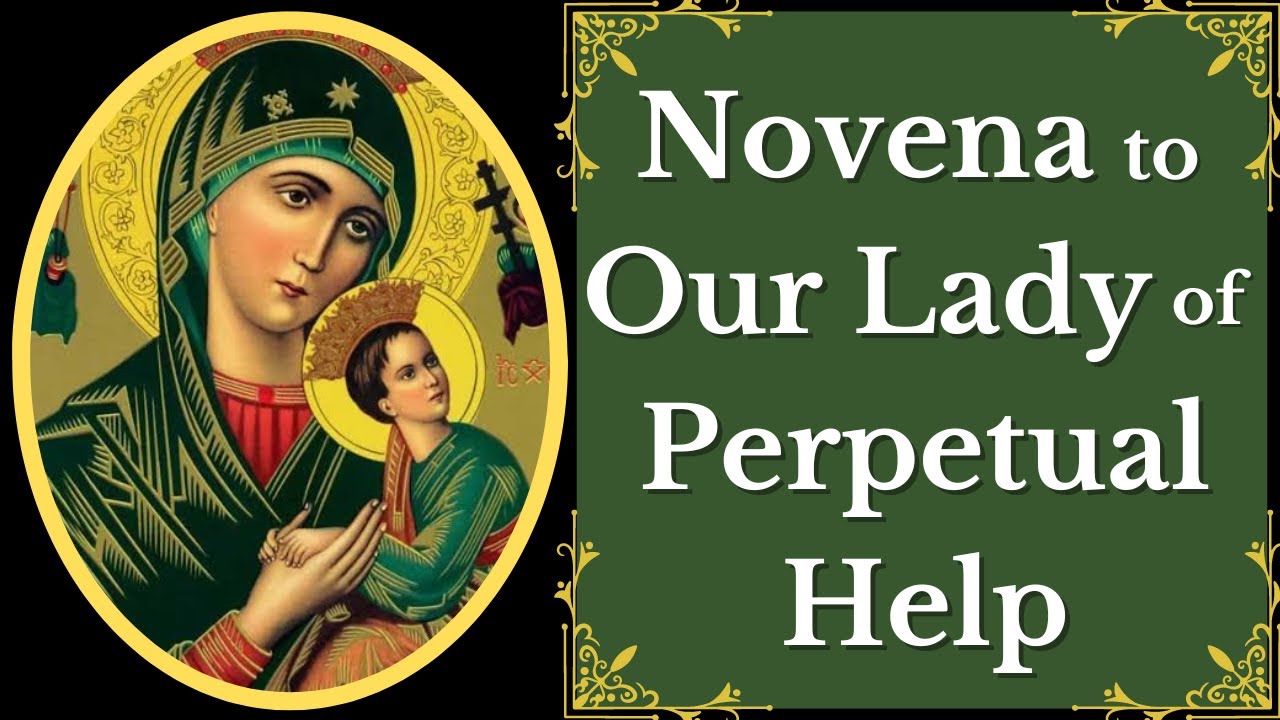

Why prayer matters in times of illness
Prayer can help you:
- Find calm when fear rises.
- Express what feels inexpressible — love, worry, hope and grief.
- Stay present and compassionate when caring becomes tiring.
- Hold onto meaning and dignity, whatever the outcome.
- Strengthen family bonds through shared moments of reflection.
Even a brief pause to breathe and pray can reduce anxiety and help you make clearer decisions. It can also offer comfort to your mother, reminding her she is cherished and not alone.
Preparing your heart and home for prayer
Before you begin, keep things simple. Choose a calm moment — perhaps morning, early evening, or before a medical visit. Sit comfortably. Breathe deeply a few times. If your mother is well enough, ask if she would like to join you. Respect her wishes, energy levels and boundaries.
Consider these gentle steps:
- Soft focus: Dim the lights, lower the television volume, or close the door for a few minutes of quiet.
- Symbols of comfort: A favourite photo, a blanket, a cross, or a candle (only if safe) can create a sense of sacred space.
- Short and sincere: Keep prayers short if your mother tires easily. A few heartfelt lines are enough.
- Consent and sensitivity: Some people prefer silent prayer or listening instead of speaking aloud. Follow her lead.
How to craft a personal prayer for sick elderly mother
You do not need special words. The best prayers are honest and kind. A simple structure can help you find your own voice:
- Address: “Loving God,” or “Heavenly Father,” or wording that fits your belief.
- Gratitude: Name one or two things you appreciate about your mum.
- Request: Ask for healing, comfort, wisdom for doctors, and peace of mind.
- Trust: Express calm trust, even when outcomes are uncertain.
- Closing: “Amen,” “So be it,” or a pause of silence.
Keep it human. Include specific details: “Give Mum restful sleep tonight,” or “Help her keep her appetite.” The small requests are often the most meaningful.
Praying with Scripture and tradition
For Christians, the Psalms and prophetic promises are a rich source of comfort. You might meditate on a line such as “The Lord your God is with you… he will quiet you with his love.” For a short reflection, see this reflection on Zephaniah 3:17 and God’s comfort. Many also find solace in familiar prayers like the Lord’s Prayer, or in meditative devotions such as the Chaplet of Divine Mercy — see how to pray the Divine Mercy Chaplet for a gentle, rhythmic approach that suits bedside prayer.
If your mother is from another Christian tradition (Orthodox, Anglican, Free Church) or another faith, adapt the suggestions to suit her practice. Respect for her beliefs will make moments of prayer feel natural and kind.
Prayers you can say today
Use the following examples as they are, or personalise them. Each one is short enough to say when your mother is tired, and flexible enough to expand when there is more time.
Short prayer for sick elderly mother
Loving God, thank you for my mother. Hold her gently today. Bring ease to her body, calm to her mind, and hope to her heart. Guide those who care for her, and give our family patience and courage. Amen.
Evening prayer for sick elderly mother
God of comfort, as night falls, surround Mum with your peace. Let her sleep be deep, her breathing steady, her pain eased. Strengthen her with rest, and renew us all for tomorrow. Watch over the nurses and doctors, and keep fear far from this room. Amen.
Intercessory prayer for sick elderly mother
Merciful Lord, we ask for healing for our mother. Grant wisdom to her medical team, kindness to everyone who visits her, and resilience to those who care for her at home. Where there is pain, bring relief; where there is anxiety, bring calm; where there is uncertainty, bring your steadying presence. Amen.
Prayer for acceptance and strength
Faithful God, we hope for recovery and we trust you in all things. If the road is long, give my mother strength one day at a time. Help us to cherish each moment, speak kindly, and listen well. Let love be our guide, always. Amen.
When your mother wants to pray with you
If your mum wishes to join in, invite her to choose a favourite hymn line, psalm, or short phrase to repeat together. You might hold hands if comfortable. Keep your voice gentle, and allow pauses. Even a quiet minute of shared breathing and stillness can be a profound prayer.
Prayer for sick elderly mother and medical care
Prayer and good healthcare work hand in hand. Use prayer to ask for clarity in decisions, to bless treatments, and to steady emotions before appointments. Encourage your mother to follow her care plan and keep her clinicians informed. The NHS provides practical guidance on caring for older people at home and in hospital, which may help you balance spiritual support with everyday needs. Many hospitals also offer chaplaincy or spiritual care; see the NHS page on chaplains and spiritual care in hospital.
Alongside prayer, look after yourself. Carers need rest, nourishment and support. Organisations such as Age UK’s health and wellbeing advice offer practical information to help you sustain care over the long term.
A simple framework to keep with you
When emotions run high, a simple framework can help:
- Pause: Take three slow breaths.
- Name: “God, I bring my mother to you.”
- Ask: One or two clear requests.
- Thank: One small gratitude.
- Trust: “Into your hands.”
Write this on a card or save it on your phone. Repetition builds comfort.
Common mistakes when writing a prayer for sick elderly mother
- Overpromising outcomes: Avoid telling your mother she will definitely be healed. Focus on hope, comfort and presence.
- Using heavy religious language she does not like: Keep it sincere and in her voice.
- Praying at the wrong time: If she is exhausted or in pain, keep prayer very brief or silent.
- Forgetting to listen: Leave pauses. Let her share her worries or choose the words.
- Making it about you: Share your feelings, but centre her dignity and needs.
Gentle ways to pray without many words
Sometimes fatigue or breathlessness makes speaking hard. Try these quiet practices:
- Breath prayer: Inhale “God of peace,” exhale “be near.” Repeat a few times.
- Hand on shoulder (if welcome): A comforting touch with a silent blessing.
- Listening to a favourite hymn or calm instrumental music.
- Reading a short verse slowly, then resting in silence.
Involving the wider family and friends
Coordinate a small circle of loved ones who can pray at the same time each day, wherever they are. Share brief updates so friends can pray specifically and send short messages or cards. This creates a supportive rhythm without overwhelming your mother with long visits or calls.
Adapting prayer for different stages of illness
In early stages, prayers may focus on diagnosis clarity, effective treatment and steady recovery. During longer journeys, shift towards daily strength, pain management, and encouragement. If your mother is approaching end of life, prayers often emphasise peace, reconciliation, gratitude and gentle letting go. For thoughtful guidance on spiritual care in serious illness, see Marie Curie’s overview of spirituality in palliative care.
Examples to personalise
A blessing for clinical appointments
God of wisdom, go before Mum today. Give her a clear mind and a calm heart. Guide the doctors and nurses; let the plan be right and the care be kind. Help us to hear well, ask good questions, and remember what we need. Amen.
A prayer for comfort during pain
Compassionate Lord, sit with my mother in this pain. Ease what can be eased, soothe what feels raw, and surround her with your steady presence. Give her courage for the next step and rest in between. Amen.
Related articles
Recommended external resources
- Church of England: topical prayers for the sick — short, accessible prayers suitable for bedside use.
- NHS: chaplains and spiritual care in hospital — how to access support during inpatient stays.
- NHS guide to caring for older people — practical advice for families and carers.
- Age UK: health and wellbeing — information to support dignity, independence and wellbeing.
Frequently asked questions about prayer for sick elderly mother
How often should I say a prayer for my mother?
There is no fixed rule. Many people find a brief morning and evening prayer helpful, with extra moments before appointments or when symptoms flare. Keep it flexible and compassionate. Even a 20-second prayer can bring calm.
What if I am not religious but want to say something meaningful?
Use simple language focused on love and hope. For example: “May you feel safe, loved and at ease. May those who care for you be wise and kind.” The heart of prayer is sincere care, whether or not you use traditional religious words.
Can I adapt a traditional prayer for sick elderly mother to my culture or language?
Yes. Personalising prayer to your culture, language and family traditions can make it more meaningful. Use familiar names for God, or phrases from hymns and poems your mother loves. Keep the tone gentle and respectful.
Should children or grandchildren be involved in prayer?
If appropriate for their age, involve them for a minute or two. Invite them to say something they love about Grandma or to hold a small card with a simple line like “We love you; God bless you.” Keep it light and reassuring.
What if my mother prefers silent prayer or no prayer at all?
Respect her wishes. You can still pray privately, or offer non-religious comfort such as quiet presence, music, a hand massage (if welcome), or reading something she enjoys. Love expressed through care is a prayer of its own kind.
How can I balance hope with honesty about the illness?
Focus on truthful hope: ask for the best possible outcome, day-by-day strength, and comfort whatever comes. Avoid promises you cannot guarantee. Honest hope helps everyone feel safe and supported.
Conclusion on prayer for sick elderly mother
When words feel fragile, a prayer for sick elderly mother can steady the heart and soften the day. It is a quiet way to express love, entrust worries, and support your mum with dignity and tenderness. Short or long, spoken or silent, prayer can create a gentle rhythm that carries families through uncertainty.
Keep prayer simple and sincere. Let it work alongside good medical care and practical support. Use familiar traditions, adapt language in line with your mother’s wishes, and cherish the small moments of connection. Whether you use a classic text or your own words, the intention is the same: to surround your mum with care, hope and peace.
Above all, remember that a prayer for sick elderly mother is not about perfect phrasing but faithful presence. A few honest lines, offered regularly and with love, can make a profound difference for her — and for you.
