Prayer for protection of children from all evil: 3 key practical steps
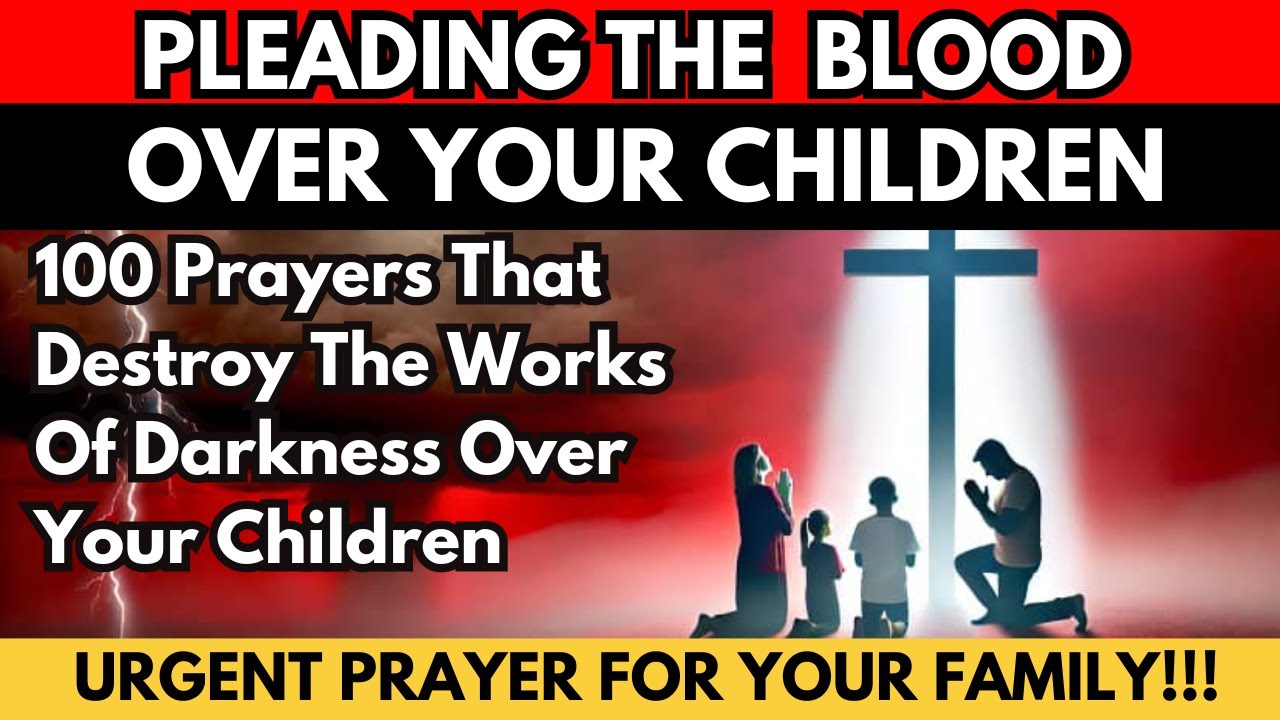
prayer for protection of children from all evil
A prayer for protection of children from all evil is a heartfelt appeal to God to shield our sons and daughters from physical harm, spiritual danger, and emotional distress. For many parents, grandparents, carers, guardians, and educators, it is both a comfort and a practical spiritual habit: a daily way to entrust young lives to divine care. In an uncertain world, taking a moment to pray helps us focus on what matters most and invites God’s safeguarding presence into our homes, schools, and communities.
Whether you are new to prayer or have prayed for years, this guide will help you understand why a prayer for protection of children from all evil matters, how to pray it with confidence, and how to avoid common mistakes. You will also find simple model prayers, helpful Scripture passages, and trustworthy resources to strengthen your practice of prayer for protection.
Our approach is practical and encouraging. We explore the spiritual foundations of protection prayers, steps you can follow, examples you can adapt, and related habits that make a difference for families. Throughout, you will find ways to integrate a prayer for protection into daily life without fear or superstition—focusing instead on hope, love, and clarity.
What do we mean by prayer for protection of children from all evil?
When we talk about a prayer for protection of children from all evil, we mean a sincere, faith-filled request that God would surround our children with divine care. “All evil” refers not only to obvious dangers but also to subtle threats: peer pressure that harms, bullying, unhealthy content online, confusion, fear, and spiritual attacks. Such prayer seeks God’s intervention for safety, wisdom, peace, and resilience—so that children flourish in body, mind, and spirit.


The spiritual and practical purpose
Spiritually, protection prayer is an act of trust. It acknowledges God’s goodness, power, and closeness, and it places children under His loving oversight. Practically, it refocuses adults on what they can proactively do: speak blessing over their household, select wise routines, pay attention to warning signs, and model faith. A prayer for protection works hand-in-hand with protective habits; it complements, rather than replaces, sensible boundaries and safeguarding.
How different traditions frame it
Within Christianity, a prayer for protection of children from all evil often draws on biblical promises (such as Psalm 91) and age-old devotions (for example, asking for angelic guardianship). Other faith traditions lift similar petitions for safety, wellbeing, and guidance for the young. While the language may differ, the core desire is the same: that children be delivered from harm and anchored in what is true and good.
Biblical and historical foundations for protection prayers
From the earliest pages of Scripture, God is portrayed as a refuge and shelter. Christians often look to Psalm 91, which pictures God as a protector who covers His people “under his wings”. For a thoughtful read, see Psalm 91 (NIVUK) on Bible Gateway. Other key passages include Psalm 121 (“The Lord will watch over your coming and going”), Matthew 18:10 (Jesus noting that children’s angels behold the Father), and Ephesians 6:10–18 (the “armour of God” for spiritual resilience). These texts underpin any prayer for protection of children from all evil by reminding us who God is and how He cares for the vulnerable.
Church history and practice add further depth. Many believers use the Lord’s Prayer—“deliver us from evil”—as a daily protection prayer. Others have found comfort in prayers invoking the guardianship of angels and saints, or in blessing the home and family regularly. You can deepen your understanding of Christian prayer through this accessible overview by the BBC: What is prayer? (BBC Religion).
How to pray a simple prayer for protection of children from all evil
You don’t need special words to pray; sincerity matters most. Still, a gentle structure can help you pray a prayer for protection of children from all evil with focus and peace.
- Prepare your heart. Take a slow breath. A short scripture (e.g., Psalm 121) can steady your mind.
- Name the child or children. Say their names aloud, placing them intentionally before God.
- Affirm who God is. Thank Him for being a loving Father, near and attentive.
- Ask for protection. Be specific: safety at school, online wisdom, kind friendships, strong health.
- Pray for inner strength. Ask for courage, clarity, forgiveness, and resilience for your child.
- Bless the future. Invite God to guide their choices and guard their steps.
- Close with trust. Release your worries into God’s hands and end with “Amen”.
A model prayer for parents and carers
Use or adapt this example. If you prefer, insert your child’s name where appropriate. You may also preface it with the phrase “a simple prayer for protection of children from all evil” when introducing it to others.
Heavenly Father, thank you for the gift of our children. You love them more than we ever could. Today we ask for your strong protection. Guard them from danger, seen and unseen. Keep them safe in body, calm in mind, and steadfast in heart.
Grant them wisdom to choose what is good, courage to say no to what harms, and friends who build them up. Surround them with your angels. Cover them with your peace when they feel anxious, and remind them of your presence when they feel alone.
Shield them at school, at home, and online. Keep them from temptation and deliver them from evil. Guide their steps, bless their learning, and inspire them to seek truth and kindness each day.
We entrust them to you, Lord, and we rest in your faithful care. In Jesus’ name, Amen.
Short “arrow” prayers during the day
Short petitions help you pray amidst a busy schedule. Try simple lines such as: “Lord, protect my child now,” “Father, calm their heart,” or “Jesus, be near to them.” Little prayers, often repeated, build a steady habit of prayer for protection throughout the day.
Additional practices that complement a prayer for protection of children from all evil
Healthy rhythms reinforce what we pray. Here are practical ways to live the values you’re asking God to strengthen. They sit alongside a prayer for protection of children from all evil and make protection a lifestyle rather than a single moment.
Establish a gentle rhythm of blessing
- Pray a brief blessing at bedtime: a few calm words can become a cherished ritual.
- Read a psalm or a short Bible verse together, inviting questions and conversation.
- Teach a simple breath prayer for anxious moments: “When I breathe in: ‘Lord Jesus’; when I breathe out: ‘give me peace.’”
Discernment with devices and online life
- Speak openly about digital content. Explain why some things are harmful and how to respond wisely.
- Place devices in shared spaces, keep age-appropriate filters on, and agree on screen-free times.
- Pair guidance with grace: children learn best when they feel safe to ask honest questions.
Blessing the home
- Dedicate your home to God in a simple prayer, asking for peace in each room.
- Consider placing a Bible verse somewhere visible (e.g., “The Lord is my shepherd”).
- Invite family members to add their own short petitions for the week ahead.
Drawing from Christian devotion
Many families find strength in trusted devotions. If you’d like to explore a time-tested way to intercede for loved ones, you might appreciate this guide to the Divine Mercy Chaplet, a prayer that centres on God’s compassion and is often used by parents to entrust their children to the Lord’s safeguarding care.
Common mistakes to avoid when saying a prayer for protection of children from all evil
Praying is simple, but a few misunderstandings can sap your confidence. Keep these points in mind when using a prayer for protection of children from all evil so your practice remains grounded and life-giving.
- Thinking you must find “perfect words.” God hears sincere, ordinary language. Speak plainly.
- Praying only when frightened. Make protection prayer a routine, not a last resort.
- Using fear-based imagery. Steer clear of sensationalism; emphasise God’s goodness and wisdom.
- Forgetting practical steps. Prayer works alongside action—boundaries, conversations, and wise choices.
- Neglecting gratitude. Thanking God strengthens faith and keeps perspective.
Sample passages and classic prayers for protection
Scripture and traditional prayers give words when our own run dry. Incorporate these into your daily practice, or use them to inspire your own prayer for protection of children from all evil.
From the Psalms
Psalm 91 and Psalm 121 are favourites for protection. You might read a few verses aloud each morning. For the full text, consult Psalm 91 (NIVUK) and then move to Psalm 121 for a companion reading.
The Lord’s Prayer
The line “deliver us from evil” fits naturally in a prayer for protection. Praying the Lord’s Prayer with children helps them build a strong spiritual vocabulary while grounding them in Jesus’ teaching.
Prayer to Saint Michael the Archangel
Many Christians pray for angelic safeguarding. If this tradition is meaningful to you, you can find the text here: Prayer to Saint Michael the Archangel (USCCB). You might use it after your daily family prayer or on occasions when your children face particular challenges.
Why a prayer for protection of children from all evil strengthens family life
Beyond the immediate comfort it brings, a prayer for protection of children from all evil shapes a family’s culture. It reminds parents that they are not alone, and it teaches children to approach God with honesty and trust. Over time, such prayer nurtures calm, resilience, and a shared sense of purpose. It promotes empathy (“we pray for our friends, too”), gratitude (“thank you for today’s safety”), and reliance on God’s guidance (“show us the wise choice”).
When fear rises: keeping a balanced perspective
Parents naturally worry. The aim is not to deny concern but to avoid fear becoming the loudest voice. If you notice anxious thoughts growing, pause and breathe. Pray a short prayer for protection, then take a practical step—send a kind message to your child, speak with a teacher, or adjust a boundary. Confidence grows when prayer and action walk together.
Linking prayer with Scripture and reflection
Drawing encouragement from the Bible can enliven your protection prayers. For a short reflection on God’s rejoicing love and protective presence, see this reflection on Zephaniah 3:17, which highlights God’s delight in His people and His power to quiet fears. Passages like this help you move from anxiety to assurance as you pray.
The Church of England also offers helpful words for family prayer. Browse their page dedicated to intercessions for young people here: Church of England prayers for children. Use these as a starting point, then add the personal details that make your family unique.
Recommended external resources
- Church of England prayers for children — trusted, gentle prayers suitable for home and school.
- Psalm 91 (NIVUK) on Bible Gateway — a central Scripture for protection and peace.
- Prayer to Saint Michael the Archangel (USCCB) — a classic petition for spiritual safeguarding.
- BBC guide: What is prayer? — a clear introduction to Christian prayer practice.
Related articles
- How to pray the Divine Mercy Chaplet for your family
- Understanding God’s protective love in Zephaniah 3:17
Frequently asked questions about prayer for protection of children from all evil
How often should I say a prayer for protection of children from all evil?
Daily is ideal, especially at a consistent time such as bedtime or before school. Short “arrow” prayers during the day help you stay connected. Choose a rhythm you can keep, and let it grow naturally.
Do I need specific words for the prayer?
No. You can use a model prayer for protection, draw on Scripture, or speak freely. God hears honest, simple words. If you ever feel stuck, read a psalm aloud and add a sentence or two
