Prayer for our lady of sorrows: essential guide with 7 steps

prayer for our lady of sorrows
A prayer for our lady of sorrows is a gentle yet powerful way to stand with Mary in her suffering and to draw closer to Christ through compassion, courage, and hope. Whether you are grieving, supporting someone in pain, or simply seeking a deeper bond with Jesus’ Passion, this devotion invites you to meditate on the Seven Sorrows of Mary and to find comfort in her faithful example. In this guide, we’ll explore what a prayer for our lady of sorrows is, how to pray it at home or in church, and how to make it a meaningful part of daily life.
Christians across centuries have turned to a prayer for our lady of sorrows to ask for strength in hardship, healing for the wounded, and empathy for the suffering. You do not need to be an expert—only willing to pause, reflect and let Mary lead you closer to her Son.
What is a prayer for Our Lady of Sorrows?
At its heart, a prayer for our lady of sorrows is a devotion that honours Mary in the moments of deepest pain she lived alongside Jesus. It focuses on seven key events—known as the Seven Sorrows or the Seven Dolours—seen in the Gospels. A prayer for our lady of sorrows helps us meditate on these moments, allowing Mary to teach us how to face sorrow with faith, love and perseverance.
People use a prayer for our lady of sorrows when they need consolation, when they want to unite their own difficulties to Christ’s Passion, or when they feel called to intercede for others who are suffering. The devotion can be simple (a short daily prayer), structured (a chaplet or rosary of the Seven Sorrows), or extended (a nine-day novena).
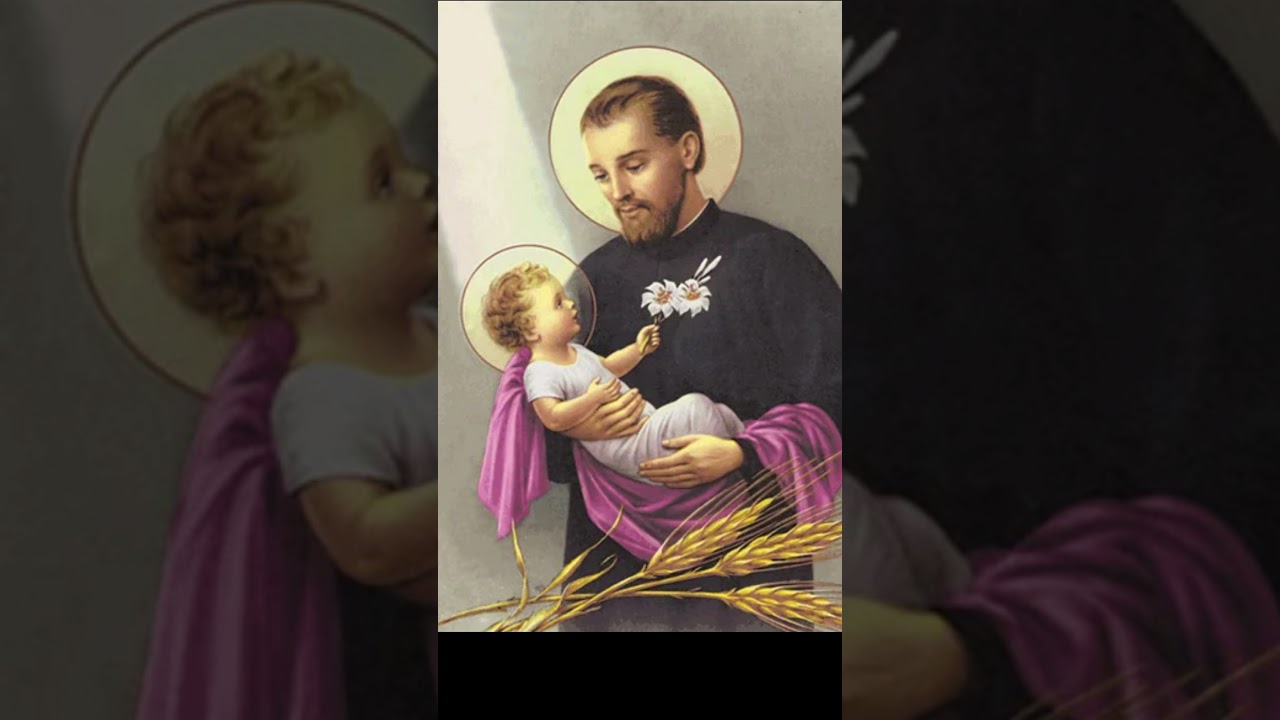

The Seven Sorrows of Mary: the heart of the devotion
The Seven Sorrows are moments in Scripture that reveal Mary’s unwavering fidelity amid suffering. They offer a roadmap for prayer and reflection:
- The Prophecy of Simeon (Luke 2:25–35) – Simeon foretells that a sword will pierce Mary’s soul.
- The Flight into Egypt (Matthew 2:13–15) – The Holy Family escapes Herod’s violence.
- The Loss of the Child Jesus in the Temple (Luke 2:41–50) – Mary and Joseph search anxiously for Jesus.
- Mary Meets Jesus on the Way to Calvary (tradition based on the Passion narratives) – Mother and Son share a silent, sorrowful encounter.
- The Crucifixion and Death of Jesus (John 19:25–30) – Mary stands by the Cross.
- The Body of Jesus Is Taken Down from the Cross (Mark 15:42–46; John 19:38–40) – Mary receives her Son’s lifeless body.
- The Burial of Jesus (Luke 23:50–56; John 19:41–42) – Jesus is laid in the tomb.
Praying through these scenes cultivates compassion. Each sorrow shows how love can remain steadfast even when life is hardest. Many people find that regularly returning to a prayer for our lady of sorrows softens the heart, builds courage, and opens space for healing.
Why turn to a prayer for our lady of sorrows?
There are many reasons why adults of all backgrounds find this devotion profound:
- Comfort in grief: Mary understands loss. A prayer for our lady of sorrows offers companionship when words fail.
- Deeper union with Christ: Mary always points to Jesus. Her sorrows help us contemplate His Passion with renewed reverence.
- Growth in compassion: Reflecting on Mary’s pain nurtures empathy for those who suffer around us.
- Perseverance in trials: Mary’s quiet courage inspires us to keep faith in difficult seasons.
- A school of prayer: Over time, returning to a prayer for our lady of sorrows can enrich our broader spiritual life.
Above all, this devotion is not about dwelling morbidly on pain. It is about letting love mature in the face of adversity—trusting, like Mary, that God is at work even when we cannot yet see the outcome.
How to pray: three accessible ways
There is no single “right” way to make a prayer for our lady of sorrows your own. Here are three simple approaches you can choose from according to time, need and preference.
A short daily prayer for our lady of sorrows
If you have only a few minutes, a brief personal prayer can be enough to focus the day:
“Mother most sorrowful, who stood by the Cross of your Son, stand with me in my need today. Teach me to love as you love, to trust as you trust, and to hope as you hope. Through your intercession, may Christ bring healing to my heart and strength to my steps. Amen.”
You can offer this prayer for our lady of sorrows in the morning before work, during a quiet moment at lunch, or before bed, perhaps adding a single Hail Mary and a thought for one of the Seven Sorrows.
The Chaplet (Rosary) of the Seven Sorrows
Sometimes called the Servite Rosary, this chaplet has seven “decades” (sets) corresponding to each sorrow. Here is a straightforward method:
- Begin with the Sign of the Cross and an opening prayer for our lady of sorrows, asking for the grace to pray with attention and love.
- Announce the First Sorrow (The Prophecy of Simeon). Slowly reflect on the scene.
- Pray one Our Father and seven Hail Marys in honour of that sorrow.
- Conclude the set with a short invocation, for example: “Holy Mother, imprint deeply on my heart the wounds of the Crucified.”
- Repeat steps 2–4 for the remaining six sorrows.
- Finish with a closing prayer for the Church and for all who suffer, and make the Sign of the Cross.
You can pray this chaplet alone, with your family, or in a parish group. If you do not have a special set of Seven Sorrows beads, count on your fingers or use an ordinary rosary, adapting as needed.
A nine-day novena with daily intentions
A novena is a nine-day series of prayers centred on a specific intention. To make a novena as a prayer for our lady of sorrows:
- Choose your intention: healing after bereavement, courage before surgery, reconciliation in the family, or compassion for someone carrying a hidden burden.
- Each day, read a short Scripture linked to one of the Seven Sorrows (e.g., Luke 2:35; John 19:25). Then offer a heartfelt prayer in your own words.
- Add one decade (one Our Father and seven Hail Marys) of the Seven Sorrows Chaplet, focusing on a different sorrow each day.
- Conclude with a simple prayer for our lady of sorrows: “Mary, my Mother, accompany me in this trial and bring me to the heart of your Son.”
This structure gives a steady, compassionate rhythm to support you through challenging times.
Words you can use in a prayer for our lady of sorrows (examples)
Not sure what to say? Here are three short, original examples you can adapt. Speak to Mary as to a trusted mother; let your words be honest and simple.
For personal sorrow
“Our Lady of Sorrows, you who kept faith beneath the Cross, remember me in my weakness. Hold my hand when I feel alone, steady my heart when fear rises, and lead me to Jesus who heals and saves. Amen.”
For someone who is suffering
“Mary, compassionate Mother, I bring before you N. In your tenderness, pray that Christ will console them, strengthen those who care for them, and turn this valley of tears into a place of grace. Amen.”
For a family in difficulty
“Mother of Sorrows, stand with our family. Teach us patience and mutual kindness. May your intercession calm our anger, bind up our hurts, and keep us close to the Cross where love is made strong. Amen.”
You can weave these examples into your daily prayer for our lady of sorrows, or use them to begin a time of quiet before adding your own words.
Helpful tips and common mistakes
- Begin slowly. When starting a prayer for our lady of sorrows, it is better to pray a little with attention than a lot in a rush.
- Use Scripture. Reading the related passages roots the devotion in God’s word.
- Let silence speak. After each sorrow, pause to notice what stirs in your heart.
- Hold hope and sorrow together. Mary’s tears are real, but so is her trust. Avoid dwelling only on pain without turning toward the Resurrection.
- Do not worry about “getting it perfect”. It is fine to count on your fingers, adapt the format, or pray seated if standing is difficult.
- Avoid treating it as superstition. A prayer for our lady of sorrows is not a “spell”. It is an act of faith that opens us to God’s grace.
When to include a prayer for our lady of sorrows in the year
The Church especially remembers Our Lady of Sorrows on 15 September, the day after the Feast of the Exaltation of the Holy Cross. Fridays, Lent, and the month of September are also popular times to renew this devotion. That said, a prayer for our lady of sorrows is fitting whenever you need courage, compassion or consolation—in times of illness, bereavement, anxiety, or transition.
Bringing the devotion into home and parish life
- Create a quiet corner with a simple image of Our Lady of Sorrows and a candle. Use it for your daily prayer.
- Introduce gentle music, such as the “Stabat Mater,” to guide reflection on Mary at the Cross.
- Share intentions as a family. Each person can name one sorrow of the week and one hope.
- In parish groups, schedule a monthly chaplet or a short service of readings and hymns.
- Keep a small journal. After each prayer for our lady of sorrows, write one sentence about what you noticed—confusion, gratitude, a memory, a name to pray for.
Background and meaning: Our Lady’s example
Mary’s title “Our Lady of Sorrows” highlights her unique vocation to stand faithful at the Cross. In John 19:25 we see her near Jesus in His final agony; in Luke 2:35 Simeon speaks of the sword that will pierce her soul. Through these and other moments, Mary teaches us that love does not abandon the suffering, and that hope can survive even the longest night.
When we persevere in a prayer for our lady of sorrows, we learn the art of Christian accompaniment—standing with others, listening more than speaking, and offering steady presence. This is the heart of compassion.
Recommended external resources
To deepen your understanding and practice of a prayer for our lady of sorrows, these trusted resources offer helpful context, prayers, and history:
- Catechism teaching on Mary’s role in the mystery of Christ provides doctrinal background and a balanced perspective on Marian devotion.
- EWTN overview of the Seven Sorrows of Mary with prayers includes clear instructions for the chaplet and reflections.
- Catholic Encyclopedia article on the Seven Dolors of the Blessed Virgin Mary explores history and liturgical tradition.
- Wikipedia: Our Lady of Sorrows (historical, cultural, and artistic background) offers a broad survey with further references.
Related articles
Frequently asked questions about prayer for our lady of sorrows
Is a prayer for Our Lady of Sorrows only for Catholics?
No. While the devotion is rooted in Catholic tradition, many Christians appreciate meditating on Mary’s faith at the Cross. Anyone who wishes to reflect on the Passion and learn compassion from Mary can make use of this prayer in a respectful way.
What is the difference between the Seven Sorrows Chaplet and the standard Rosary?
The standard Rosary focuses on the Joyful, Luminous, Sorrowful and Glorious Mysteries with five decades. The Seven Sorrows Chaplet has seven sets, each honouring one of Mary’s sorrows, with one Our Father and seven Hail Marys per set. Both are Christ-centred; the chaplet concentrates specifically on the sorrows.
Do I need special beads to pray the Seven Sorrows?
No. Special beads are helpful but not essential. You can use an ordinary rosary, counting seven Hail Marys per sorrow, or simply use your fingers. What matters most in a prayer for our lady of sorrows is your attention and love.
How long does the chaplet take?
Prayed at a steady pace with brief pauses for reflection, it usually takes 15–25 minutes. A short daily prayer for our lady of sorrows can be as little as two or three minutes.
Which Bible passages should I read with this devotion?
Start with Luke 2:25–35; Matthew 2:13–15; Luke 2:41–50; John 19:25–30; Mark 15:42–46; John 19:41–42; and Luke 23:50–56. Reading even a few verses before your prayer for our lady of sorrows can enrich your meditation.
Can I pray it if I am not currently grieving?
Yes. This devotion is not only for moments of acute loss. It helps us grow in empathy and prepares the heart to accompany others. A regular prayer for our lady of sorrows fosters steady compassion in everyday life.
Conclusion on prayer for our lady of sorrows
A prayer for our lady of sorrows is a simple, time-tested way to learn compassion at the feet of Mary and to walk more closely with Christ in His Passion. By pondering the Seven Sorrows—whether through a short daily prayer, the chaplet, or a novena—we discover that sorrow and hope can live together, and that love grows strong when it remains faithful.
You do not need special equipment or expert knowledge to begin. Set aside a few minutes, choose one sorrow, and make a sincere prayer for our lady of sorrows. Let Scripture guide you, allow silence to deepen your reflection, and ask Mary to teach you persevering trust.
In times of uncertainty, illness or grief, returning to a prayer for our lady of sorrows can provide calm, clarity and strength. May Our Lady accompany you, and may her intercession lead you always to the compassionate heart of Jesus.
