Prayer for our lady of perpetual help: essential guide (5 key steps)
Prayer for our lady of perpetual help: meaning, history, and how to pray
For many Christians, especially within the Catholic tradition, the prayer for our lady of perpetual help is a trusted way to seek comfort, strength, and intercession in difficult times. If you have ever wondered what this devotion is about, why it matters, or how to make it part of your life, this guide offers a clear and welcoming introduction.
Rooted in centuries of faith, the prayer for our lady of perpetual help brings together profound biblical themes of mercy and hope with a warm, motherly image of care. Whether you are new to Marian prayer or simply looking to deepen your practice, you will find practical steps, sample prayers, and helpful resources here.
What is prayer for our lady of perpetual help?
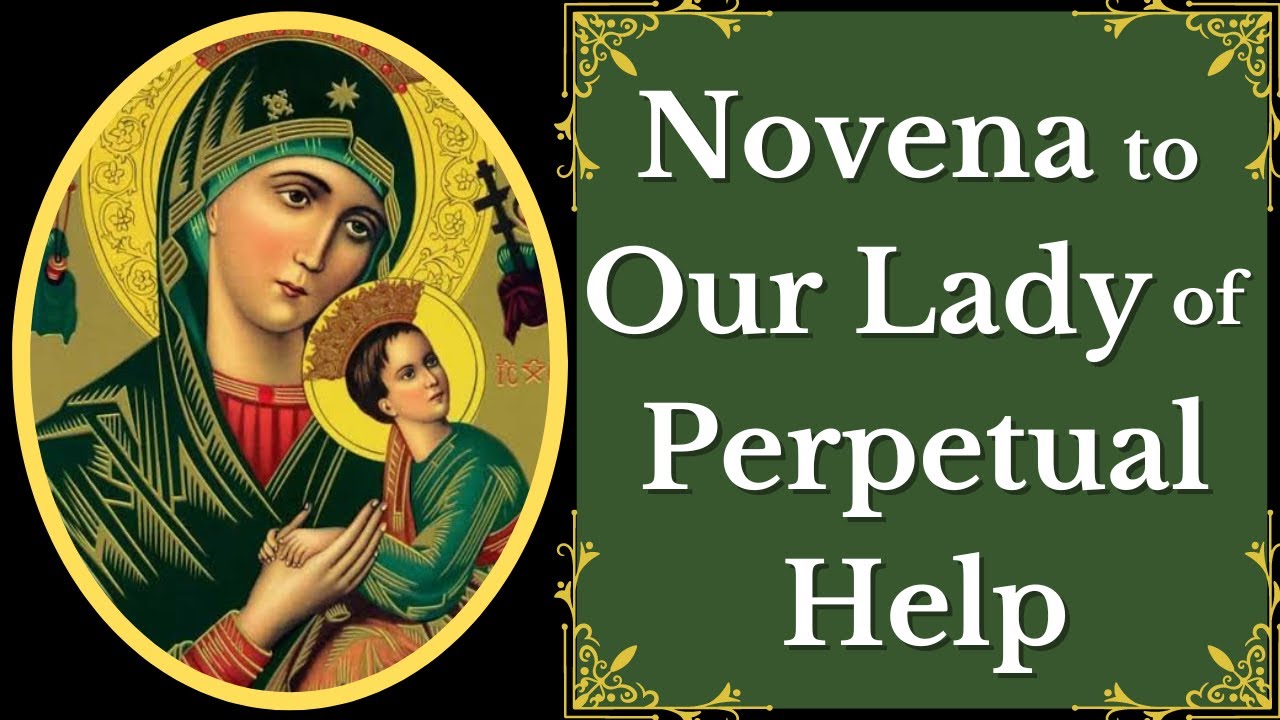
At its heart, the prayer for our lady of perpetual help is an appeal to Mary—Mother of Jesus, honoured as Our Lady of Perpetual Help or Perpetual Succour—to intercede for us before God. The title “Perpetual Help” reflects the belief that Mary, by God’s grace, offers ongoing, compassionate assistance to those who ask. The devotion is closely tied to a much-loved icon of Mary and the Child Jesus, which has become an emblem of reassurance for many faithful.
While Catholics are most associated with this devotion, many other Christians appreciate the spiritual values embodied in the prayer for our lady of perpetual help: trust in God, solidarity in suffering, and a desire for steadfast hope.


Historical roots and the beloved icon
The best-known image connected to this devotion is a Byzantine-style icon that likely originated in the late Middle Ages. The icon depicts Mary holding the Child Jesus while Archangels Michael and Gabriel present the instruments of the Passion, symbolising Christ’s mission and the trials ahead. The icon is now enshrined in the Church of St Alphonsus Liguori in Rome, entrusted to the Redemptorists in the nineteenth century. The devotion spread rapidly from there, carried by missionaries and embraced by parishes around the world.
If you would like a concise historical overview of the icon and its spread, you can consult this reliable summary: background on Our Lady of Perpetual Help. For a broader understanding of the Church’s guidance on Marian devotion, see St Paul VI’s apostolic exhortation Marialis Cultus (For the Right Ordering and Development of Devotion to the Blessed Virgin Mary).
Why this devotion resonates
People turn to the prayer for our lady of perpetual help because it feels both intimate and expansive. It is intimate in the sense that it addresses Mary as a mother who understands fear, pain, and uncertainty. It is expansive because it points to Jesus’ saving work, the loving presence of God, and the hope that extends beyond any particular hardship we face. In simple terms, the devotion helps us remember that our worries can be carried, our failures can be forgiven, and our future can be led by grace.
How to pray the prayer for our lady of perpetual help
There is no single “correct” way to say the prayer for our lady of perpetual help, but there are tried-and-tested approaches that many find meaningful. Below is a straightforward structure you can adapt to your circumstances.
A simple step-by-step approach
- Begin with a moment of quiet. Take a few deep breaths and gently entrust your time to God.
- Make the Sign of the Cross (if this is part of your tradition). Ask the Holy Spirit to guide your thoughts and words.
- Gaze at an image of Our Lady of Perpetual Help if you have one. Let the icon’s symbolism draw you into prayer.
- State your intention clearly. It may be for your family, work, health, forgiveness, guidance, or gratitude.
- Pray a set wording (see the sample prayers below) or speak from your heart. Include the phrase “prayer for our lady of perpetual help” if it helps focus your intention.
- Offer a brief prayer to Jesus, acknowledging that all graces come through Him.
- Conclude with a traditional prayer such as the Hail Mary, the Our Father, or a short hymn of praise.
Many people like to pair devotions. If you are exploring other ways to pray for mercy and trust, you might find this guide helpful: how to pray the Divine Mercy Chaplet.
A well-loved wording (adapt this as needed)
Here is a reverent text you can use or personalise. It conveys the heart of the prayer for our lady of perpetual help without presuming a one-size-fits-all formula.
“O Mother of Perpetual Help, gentle and attentive, I come to you with confidence. You know my needs before I speak, and you hold me in your maternal care. I place before you the worries of my heart (name your intention), and I ask you to intercede for me with your Son, our Lord Jesus Christ. Teach me to trust God’s will, to bear difficulties with patience, and to cherish the blessings I receive each day. O Mary, ever ready to help, pray for me now and at the hour of my greatest need. Amen.”
When and why to turn to prayer for our lady of perpetual help
People often pray this devotion in moments of uncertainty: medical appointments, family tensions, periods of unemployment, or times of grief. The prayer for our lady of perpetual help can also be a daily practice—something you say briefly in the morning or before bed to anchor your day in faith.
Common intentions
- Healing and resilience during illness
- Peace and unity within the family
- Strength to meet responsibilities at work or school
- Wisdom for important decisions
- Perseverance in faith when doubts arise
Some parishes offer weekly novena devotions to Our Lady of Perpetual Help. These gatherings often include the icon, scripture readings, a short reflection, intercessions, and hymns. For more on the spiritual meaning behind the devotion, EWTN provides a user-friendly introduction: an overview of the Our Lady of Perpetual Help devotion.
Key themes that shape this devotion
Compassion and accompaniment
The icon’s embrace and Mary’s compassionate gaze remind us that no one is meant to carry life’s burdens alone. The prayer for our lady of perpetual help is as much about solidarity as it is about solutions.
Hope rooted in Christ
Although Marian devotion is central here, its aim is always to draw us closer to Jesus. The instruments of the Passion depicted in the icon point to a love that endures suffering and conquers it. In this way, the prayer for our lady of perpetual help strengthens hope in Christ.
Perseverance in daily life
“Perpetual” suggests not only constant help but also our regular return to prayer. Short, sincere prayers said daily can quietly transform our outlook over time.
Common mistakes to avoid
- Thinking the devotion is “magical”. Prayer is not a transaction; it is a relationship that deepens trust in God’s providence.
- Forgetting to be specific. State your intention clearly, then leave room for God’s wisdom in the outcome.
- Overlooking gratitude. Incorporate a moment of thanksgiving, even while you are still waiting for answers.
- Praying alone when you need support. If possible, pray with others—family, parish, or a trusted friend.
- Neglecting the wider Christian life. Let prayer flow into action: acts of kindness, forgiveness, and service.
How Catholics and other Christians understand this devotion
Christians agree on the centrality of Christ. Where traditions differ is mainly in how they express veneration of Mary and the saints. Catholics honour Mary as the foremost disciple and ask her intercession, which is distinct from the worship due to God alone. If you are curious about how different traditions view these practices, this overview offers a balanced starting point: differences between Orthodox and Catholic traditions. Whatever your background, the prayer for our lady of perpetual help can be approached with humility and a desire to grow closer to God.
Making the prayer for our lady of perpetual help part of daily life
Consistency makes a difference. Rather than waiting for a crisis, consider weaving this devotion into your routine. A one-minute prayer at waking, a brief pause at midday, and a short reflection before sleep can shape your day with peace. If you keep an image of the icon at home, find a quiet place for it and light a candle when you pray.
Short invocations you can use anywhere
- “Mother of Perpetual Help, be with me now.”
- “Our Lady of Perpetual Help, guide my steps.”
- “Mary, Mother of Jesus, help me to trust.”
These simple lines echo the heart of the prayer for our lady of perpetual help and can be whispered before a meeting, during a commute, or while you wait for test results.
Sample texts for your prayer time
Use these examples as they are, or adapt them to your own voice and needs. Each reflects the spirit of the prayer for our lady of perpetual help.
A morning offering
“Our Lady of Perpetual Help, as this day begins, I entrust my plans, worries, and hopes to your care. Keep me close to your Son, help me to do what is right, and grant me patience with myself and others. Pray for me and for all who need comfort today. Amen.”
A prayer for family life
“Mother of Perpetual Help, protect our home with your loving presence. Where there is tension, bring peace; where there is need, bring generosity; where there is sorrow, bring consolation. Teach us to forgive quickly and love steadily. Through your intercession, may our family find strength in God each day. Amen.”
A prayer during illness or stress
“Our Lady of Perpetual Help, I place my weakness and fear into your hands. Pray for my healing, restore my courage, and help me to trust that I am never alone. May Christ’s mercy sustain me and may I find rest in God’s unfailing love. Amen.”
Expanding your devotion with Scripture and silence
Many find it fruitful to pair the prayer for our lady of perpetual help with a short scripture reading and a moment of silence. For example, read a Psalm of trust (such as Psalm 23 or 27), then keep a minute or two of quiet, simply resting in God’s presence. Over time, this rhythm can soften anxiety and nurture hope.
Recommended external resources
- Historical and theological background on Our Lady of Perpetual Help
- Marialis Cultus: official Vatican guidance on Marian devotion
- EWTN overview of the Our Lady of Perpetual Help devotion
Frequently asked questions about prayer for our lady of perpetual help
Is the prayer for our lady of perpetual help only for Catholics?
No. While the devotion is especially cherished in the Catholic Church, any Christian who respects Mary as the Mother of Jesus can appreciate its focus on trust, compassion, and hope in Christ. The prayer for our lady of perpetual help can be adapted to different traditions’ language and practices.
How often should I say this prayer?
There is no strict rule. Some prefer a daily, brief prayer; others take part in weekly parish devotions or seasonal novenas. The most important thing is sincerity and consistency—making space for God’s presence amid daily life.
What if I do not have an icon?
An icon can help focus your attention, but it is not essential. You can pray with a simple cross, a Bible, a quiet corner, or even a few deep breaths before you begin. The essence of the prayer for our lady of perpetual help is the intention of your heart.
Does this devotion replace prayer to Jesus?
No. Catholics believe that all genuine prayer leads us to Jesus. Mary’s intercession points us to her Son, not away from Him. A healthy devotion keeps Jesus at the centre, with Mary as a trusted companion and intercessor.
Can I combine this with other devotions?
Yes. Many people find that a rosary decade, a Psalm, or a short moment with the Divine Mercy Chaplet enriches their time of prayer. What matters is that your practice helps you grow in faith, hope, and love.
What should I do if I feel distracted?
Distractions are common. Gently return your attention to a short phrase, such as “Mother of Perpetual Help, pray for me,” and breathe slowly. Over time, patience and repetition will steady your focus.
Conclusion on prayer for our lady of perpetual help
The prayer for our lady of perpetual help is a simple, steady pathway to peace. It invites you to bring real concerns—health, family, work, decisions—into God’s loving presence, with Mary’s motherly care as a guide and support. By praying regularly, you strengthen hope in Christ and learn to trust God’s timing.
Whether you adopt a traditional text or speak spontaneously, this devotion is ultimately about relationship: with God who loves you, with Mary who intercedes for you, and with the wider Church that prays alongside you. As you practise the prayer for our lady of perpetual help, allow gratitude and compassion to shape your choices, and let your prayer bear fruit in everyday kindness.
If you wish to explore complementary ways of praying, consider the Divine Mercy Chaplet, or learn about how different traditions approach devotion in this primer on Orthodox and Catholic perspectives. In all things, keep Jesus at the centre and remember that you are never alone in your journey of faith.
