Prayer for healing sick person: 7 essential, practical prayers
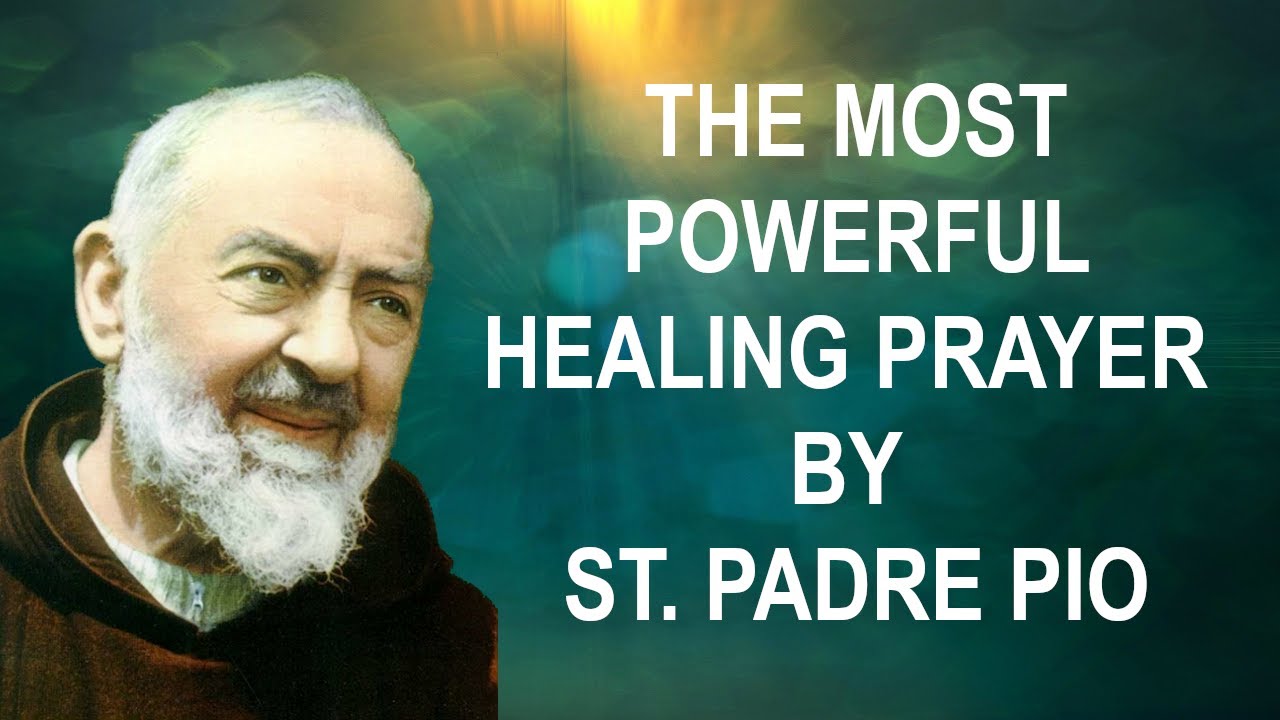
prayer for healing sick person: meaning, steps and examples
A prayer for healing sick person is a simple yet profound way to bring hope, comfort and strength to someone who is unwell. Whether you are religious, spiritual, or simply supportive, taking a moment to speak words of care can ease anxiety, lift spirits and help build resilience. In this guide, you will find what a prayer for healing sick person is, why it matters, how to do it thoughtfully, and several examples you can adapt to different situations.
Across cultures and faiths, people turn to prayer when illness strikes. A prayer for healing sick person can be quiet and personal, or it can be shared with family and friends. It can be traditional and scripted, or entirely spontaneous. The heart of the practice is the same: expressing concern, asking for healing, and standing alongside someone in their time of need.
Prayer is not a substitute for medical care, but it can complement treatment by reducing stress, nurturing hope and strengthening community bonds. Many people report feeling calmer and more supported when others offer a prayer for healing sick person on their behalf. If you have ever wondered how to pray for someone who is ill—what to say, when to say it, and how to avoid awkward moments—this article will give you practical tools and compassionate language to use.
Whether you are visiting a hospital bedside, sending a message from afar, or pausing at home to hold someone in your thoughts, the following sections will help you shape a meaningful prayer for healing sick person with sensitivity and care.


What is prayer for healing sick person?
In simple terms, a prayer for healing sick person is a spoken or silent request for restoration of health, peace of mind, and strength for the journey ahead. It often includes three elements: acknowledging the person’s suffering, expressing hope for their improvement, and seeking comfort (from God, a higher power, or the community) for them and their loved ones.
Different traditions approach healing prayer in different ways. In Christian practice, believers may ask God for healing in the name of Christ and draw on Scripture for reassurance. In Judaism, one might recite the Mi Shebeirach prayer for the sick. In Islamic tradition, Muslims may offer duas for shifa (healing). Many secular people also engage in reflective practices—such as mindfulness, sending good wishes, or moments of silence—that function similarly to a prayer for healing sick person, focusing the mind on compassion and wellness.
It is important to note that healing can be understood broadly. A prayer may ask not only for physical recovery but also for relief from pain, courage during treatment, restful sleep, wisdom for clinicians, and comfort for anxious families. Framing a prayer for healing sick person in this holistic way makes it relevant and supportive even when outcomes are uncertain.
How to offer a prayer for healing sick person step by step
If you are unsure where to begin, use this gentle framework to guide you as you prepare a prayer for someone who is ill.
- Ask permission and respect preferences. If possible, ask the person (or a close family member) whether they would like you to pray and in what way. Some people prefer silent prayer or a short blessing; others welcome a fuller prayer for healing sick person. If they decline, respect their wishes and simply offer supportive words.
- Choose a calm setting. If you are in person, find a quiet moment at the bedside or in a comfortable chair. If praying by phone or online, ensure privacy and minimal background noise.
- Keep it personal and specific. Use the person’s name and, if appropriate, mention a particular challenge (e.g., upcoming tests, post-surgery recovery). Specifics make a prayer feel more heartfelt.
- Be brief and clear. A minute or two is usually enough. Long prayers can be tiring. A concise prayer for healing sick person is often the most supportive.
- Mind your language. Avoid making promises about outcomes. Instead of “You will be healed,” try “We ask for healing,” “We seek strength,” or “May this treatment be effective.”
- Include hope and comfort. Balance requests for recovery with requests for peace, courage and reassurance. This makes your prayer meaningful even if the path to recovery is slow.
- Offer practical help afterwards. You can conclude by asking if there is anything practical you can do—arranging a meal, running an errand, or updating friends.
Short prayers you can say anywhere
When time is short or the moment calls for simplicity, a brief prayer for healing sick person can be powerful. Here are a few ideas you can adapt:
- “God of compassion, please bring healing to [Name], comfort in pain, and peace in their heart.”
- “Lord, give [Name] strength for today, rest tonight, and hope for tomorrow.”
- “Merciful One, be near to [Name]. Guide their carers, calm their fears, and restore their health.”
- “Source of life, surround [Name] with love, light and healing.”
- “May [Name] feel supported and may this treatment be effective.”
Longer Christian examples to adapt
Below are two sample prayers you can customise. Use the person’s name and specifics where appropriate. Each one can serve as a template for a caring prayer for healing sick person that is faithful and practical.
A prayer for relief and strength
“Loving God, we place [Name] in your gentle hands. Ease their pain, strengthen their body, and steady their heart. Grant wisdom to doctors and nurses, patience to carers, and courage to [Name] as they face each step of treatment. Give rest in weariness, hope in uncertainty, and the peace that reassures the whole family. Amen.”
A prayer for calm before treatment
“Lord Jesus, be close to [Name] today. Calm their fears, steady their breathing, and bless this procedure. May those who care for them be skilful and kind. May [Name] feel surrounded by love and lifted by prayer. Whatever the outcome, hold them in your mercy and bring healing in body, mind and spirit. Amen.”
Interfaith and inclusive approaches
If you are praying with someone from a different tradition—or with a group from mixed backgrounds—choose language that honours their beliefs. You might say, “Merciful God,” “Compassionate One,” “Healer of all,” or use non-religious language such as “May you find strength and peace.” In interfaith settings, you can invite quiet reflection, a minute of silence, or a brief reading before your prayer for healing sick person so that everyone participates authentically.
Helpful scriptures and words of comfort
Many people find strength in short readings alongside a prayer for healing sick person. If the person is Christian, a few lines from the Psalms (such as Psalm 23), the Gospels, or James 5:14–16 can be very reassuring. For a reflection on God’s presence and rejoicing love, you might read or share this devotional on Zephaniah 3:17: reflection on Zephaniah 3:17.
Those who appreciate structured prayer may also find comfort in classic devotions such as the Divine Mercy Chaplet prayer. Combining a familiar devotion with a personal prayer for healing sick person can be especially soothing for someone anxious or in pain.
If you are unsure what to read, consider a short, gentle passage about peace, hope, or rest. Always check whether the person wishes to hear scripture or prefers silence and a simple blessing.
Common mistakes when saying a prayer for healing sick person
Even with the best intentions, it is easy to stumble. Here are avoidable pitfalls to keep in mind when offering a prayer for healing sick person.
- Overpromising outcomes. Avoid language that guarantees a cure. Focus on comfort, courage and the hope of recovery rather than certainties.
- Making it about yourself. Keep the focus on the person who is ill. Share briefly, if helpful, but do not dominate with your own story.
- Using complicated or preachy language. Simple, kind words are best. A prayer for healing sick person does not need theological depth to be meaningful.
- Ignoring consent or boundaries. If someone is not comfortable with prayer, respect their choice and offer supportive, secular words.
- Praying for too long. Fatigue is common during illness. Keep prayers short and restful.
- Neglecting practical help. After praying, offer something tangible—meals, lifts, housework, or updates to friends—so care is both spiritual and practical.
Praying when you cannot be there in person
Distance does not prevent meaningful support. You can schedule a short video call or phone call to share a prayer for healing sick person, send a voice note, or write your prayer in a card. If group support is welcome, organise a time when friends and family pause to pray or reflect together from wherever they are.
When writing, keep it personal and warm: include the person’s name, mention a specific hope (“may the medication begin to work this week”), and end with an open invitation for further support. A single, sincere paragraph can feel like a lifeline on a difficult day.
Blending prayer and practical care
Prayer and practical help go hand in hand. After sharing a prayer for healing sick person, consider offering concrete support—such as preparing a meal rota, arranging transport to appointments, or handling a few household tasks. For general guidance on supporting someone with serious illness, see this NHS overview: NHS advice on supporting someone who is seriously ill. Bringing prayer and action together communicates deep care and reduces the daily burdens that illness often creates.
When and where to pray
There is no wrong place to pray. At the bedside, keep your voice gentle and your words brief. In hospital or hospice settings, be mindful of staff routines and the needs of other patients. In a clinic or at home, you can offer a quick prayer for healing sick person before treatment or after a difficult appointment. If someone is very tired, simply say, “I’m holding you in prayer—may you feel at peace,” and leave the longer words for another time.
Ethics, sensitivity and inclusion
Compassionate prayer respects autonomy. Ask, listen, and adapt. Some people prefer you to pray silently rather than aloud. Others will appreciate hands held or a gentle touch on the shoulder, while many will not. Consent matters. An inclusive prayer for healing sick person focuses on comfort, hope and dignity—values shared across many beliefs—so that the person feels seen and supported, not pressured.
Recommended external resources
These resources offer additional prayers, pastoral guidance and background reading you can draw upon when preparing a prayer for healing sick person:
- Church of England: Prayers for the sick and those who care for them
- Catechism of the Catholic Church: The Anointing of the Sick
- BBC: What is prayer? An overview across traditions
Frequently asked questions about prayer for healing sick person
What should I say first when praying for someone who is ill?
Begin with a calm, reassuring phrase. Use their name, acknowledge what they are going through, and express hope. For example: “Loving God, we lift up [Name]. Be near to them today. Bring relief, strength and peace.” This simple start helps you centre your thoughts and shapes a respectful prayer for healing sick person.
How long should a healing prayer be?
Usually one to two minutes is enough. Short, focused words are easier for a tired person to receive and remember. If the person wants more, you can add another brief prayer later or offer a reading.
Can I pray for healing if I am not very religious?
Yes. Many people who are not religious still find value in expressing care and hope. Use inclusive language such as, “May you find strength, calm and effective treatment,” or “We are holding you in our thoughts.” This can function like a prayer for healing sick person without assuming specific beliefs.
Is it appropriate to pray by text or message?
It can be very helpful, especially when visits are not possible. Keep it personal and supportive: a few lines that include the person’s name, a hope for the day ahead, and an assurance of your ongoing care. Written prayers can be reread during difficult moments.
What if the person does not want prayer?
Respect their wishes. You can still offer supportive, non-religious words and practical help. For instance: “I’m here for you. If you’d like company or a lift to the appointment, please say.” Consent and kindness matter more than the form of words.
How can I include family members in the prayer?
Briefly mention them by name and ask for their comfort and strength as well. Illness affects the whole household. A prayer for healing sick person that includes family recognises the wider circle of care and stress that surrounds treatment and recovery.
Conclusion on prayer for healing sick person
A thoughtful prayer for healing sick person brings compassion to the forefront and offers a calm space in the middle of worry. By asking permission, keeping your words simple, and focusing on comfort as well as recovery, you can support someone who is ill with sincerity and warmth.
Remember that prayer and practical help work best together. Offer to pray, then follow up with tangible assistance. Draw on trusted resources, familiar devotions, or short readings that calm the mind. Above all, let your words affirm dignity, hope and presence—so that your prayer for healing sick person truly becomes a moment of care.
Illness can be isolating, but no one has to face it alone. With a few gentle phrases and a listening heart, your prayer for healing sick person can lift spirits, strengthen resilience and remind the person that they are held in love.
