Prayer for a sick person to recover: 7 simple, effective prayers
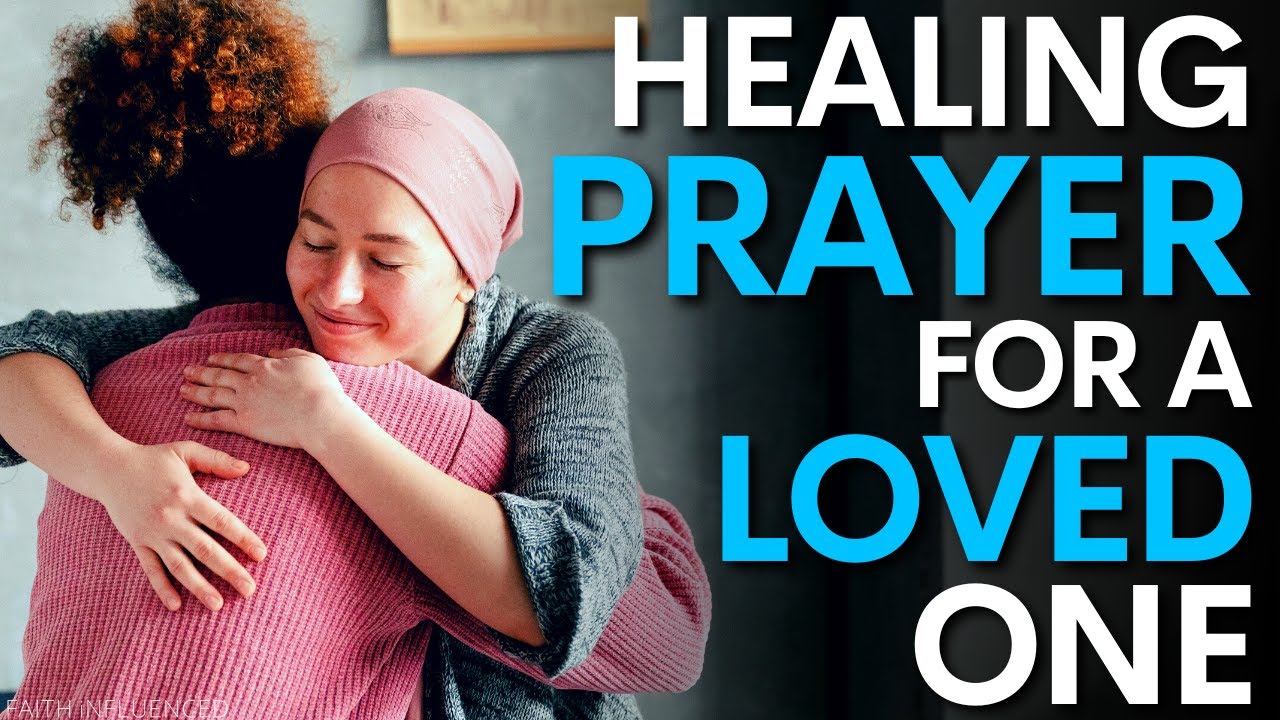
Prayer for a sick person to recover: meaning, examples, and how to pray
A prayer for a sick person to recover is a simple, heartfelt way to bring comfort, hope, and solidarity when someone you care about is unwell. Whether you are a person of deep faith or simply someone who believes in the healing power of love and intention, a thoughtful prayer can ease anxiety, foster connection, and support wellbeing. In this guide, you will find what a prayer for a sick person to recover is, how to say it with sensitivity, examples you can adapt, and useful tips to blend spiritual support with good practical care.
Many people turn to prayer at moments of illness because it offers a language for compassion and a space for trust. A well-chosen prayer for a sick person to recover will never replace medical care, but it can gently steady the heart—both of the person who is ill and those who love them.
What is a prayer for a sick person to recover?
A prayer for a sick person to recover is a spoken or silent appeal to God (or a higher power) for healing, strength, and peace. It can be traditional and scripted, or personal and spontaneous. It may be said alone, with the person who is ill, or within a wider community. Crucially, it expresses care and solidarity, holding the person in love while asking for recovery, relief, and renewed resilience.
In the Christian tradition, such prayer often asks for God’s healing, comfort, and presence, and may draw on Scripture. In other faiths, and for those who do not identify with a particular religion, a prayer can be a mindful intention or blessing, focusing on recovery and wellbeing. In all cases, the purpose is similar: to seek restoration and to affirm that the person is not alone.


Why people turn to a prayer for a sick person to recover
There are several reasons why a prayer for a sick person to recover can be helpful:
- It offers calm and focus when worries multiply.
- It expresses love and concern in a respectful, non-intrusive way.
- It can strengthen a person’s sense of meaning and inner resilience.
- It encourages community support: families, friends, and faith groups can unite around a clear intention.
Research into spiritual wellbeing suggests that practices like prayer can support coping, reduce stress, and improve quality of life during illness. For a clear, non-technical overview of how spirituality can support health, see the Mayo Clinic’s introduction to spirituality and health. While evidence for direct physical effects varies, the emotional and relational benefits are widely acknowledged and meaningful.
How to write and say a prayer for a sick person to recover
If you are new to prayer, or worried about “getting it right”, remember that sincerity matters more than perfect wording. A simple prayer for a sick person to recover can be brief and still deeply moving.
Before you pray
- Ask permission. Not everyone is comfortable with prayer. A gentle “Would you like me to pray with you?” respects boundaries.
- Use their name. Naming the person helps you focus your intention and makes the prayer feel personal.
- Be specific but sensitive. You can mention the operation, treatment, or symptom if the person is happy with that, but avoid graphic details.
- Keep it compassionate. Avoid promises you cannot keep; focus on comfort, strength, and good care.
- Be inclusive if needed. If people present have different beliefs, choose wording that everyone can welcome.
A simple structure you can follow
Try this gentle outline when shaping a prayer for a sick person to recover:
- Address: “Loving God,” or “God of compassion,” or “Source of life and healing,” or simply a moment of silence.
- Gratitude: one line of thanks for the person’s life, courage, and those who care for them.
- The request: ask for healing, relief from pain, wisdom for clinicians, and inner peace.
- Support: include the family, friends, and carers who are carrying a heavy load.
- Trust and closure: place the situation in God’s care and close with “Amen” or a respectful pause.
Short examples of prayer for a sick person to recover
Feel free to adapt these short examples. Change names, add details, and choose the language that fits your beliefs.
A brief, general prayer
Loving God, hold [Name] in your healing presence. Bring recovery to their body, calm to their mind, and courage to their heart. Guide those who treat them, bless those who love them, and renew their strength day by day. Amen.
Prayer before surgery or a procedure
God of wisdom and mercy, be with [Name] as they face this procedure. Steady the hands of the team who care for them, grant successful treatment, and speed their recovery. Surround them with peace and hope. Amen.
Prayer for chronic illness
Compassionate God, when each day brings new challenges, bring [Name] steady strength. Ease pain, lift weariness, and keep hope alive. Help us to be patient and kind companions on the journey. Amen.
Prayer for a child who is ill
Tender God, hold [Name] in your gentle care. Bring comfort, courage, and swift healing. Bless their family with rest and reassurance, and fill their home with signs of hope. Amen.
Prayer for a sick person to recover (inclusive language)
God of life, we ask for healing and renewal for [Name]. May they be restored to health, surrounded by skilled care and loving support. Give them resilience for today and bright hope for tomorrow. Amen.
Prayer when you cannot find the words
God, you know our fears and our needs. Hold [Name] close. Be strength in weakness, light in darkness, and calm in the storm. We trust them to your loving care. Amen.
Prayer for carers and loved ones
God of compassion, bless those who care for [Name]. Renew their energy, give them rest, and remind them they are not alone. Knit us together in patience and love. Amen.
Scripture and sacred words for healing
Many people find comfort in verses that speak of God’s closeness and care. For instance, Psalm 23 (“The Lord is my shepherd…”) and Psalm 41:3 (“The Lord sustains them on their sickbed…”) have soothed countless hearts. The New Testament encourages us to pray for the sick (James 5:14–15), while Isaiah 41:10 offers a strong assurance: “Do not fear, for I am with you.”
If you would like to reflect on a verse that emphasises God’s loving presence, this brief study of a prophetic text may help: reflection on Zephaniah 3:17. For those drawn to a cherished devotion that focuses on trust in divine mercy, consider the Divine Mercy Chaplet prayer, often used when praying for the sick and for those who care for them.
The Church of England offers several time-tested prayers and a pastoral approach suitable in many situations; you can find them here: prayers for the sick from the Church of England. If you are exploring the idea of interceding for others, you may find an overview helpful: see this article on intercessory prayer for context and history.
Blending prayer and practical care
Prayer and practical action work best together. When you offer a prayer for a sick person to recover, also consider what small, tangible things could ease their day:
- Organise meals, lifts to appointments, or a simple rota of check-ins.
- Offer to make calls, manage errands, or keep friends updated (with the person’s consent).
- Help create a restful space: fresh air, light, favourite music, or a tidy bedside table.
- Encourage and support adherence to medical advice and appointments—prayer complements care; it does not replace it.
Hospitals and community services often provide chaplaincy and spiritual care alongside clinical treatment. For an overview of good practice in this area, see the NHS England guidance for healthcare chaplaincy: NHS Chaplaincy Guidelines (PDF).
Etiquette and sensitivity when praying with others
Offering a prayer for a sick person to recover is an act of kindness, but sensitivity matters. Keep your wording respectful and hopeful without presuming to know the outcome or using language that might cause guilt (“if you had more faith…”). Avoid lengthy or overly emotional prayers that leave the person exhausted. If you are with people from different traditions, consider a brief moment of silence before or after a short prayer so everyone can participate in their own way.
Common mistakes to avoid in a prayer for a sick person to recover
- Overpromising: avoid suggesting a guaranteed cure; focus on hope, strength, and care.
- Speaking for too long: keep it short and calm, especially if the person is tired.
- Using complicated or preachy language: choose plain, gentle words.
- Ignoring consent: always ask if prayer is welcome at that moment.
- Forgetting the wider circle: include family, carers, and clinicians in your prayer.
A simple step-by-step way to lead a group prayer
- Gather quietly and agree on a brief length (one or two minutes).
- Begin with a short sentence acknowledging why you are there.
- Invite a moment of silence for personal intentions.
- Say a clear, gentle prayer for a sick person to recover, using the person’s name.
- Close with a shared “Amen” or a phrase like “Thank you for joining in prayer for [Name].”
When recovery is uncertain
Sometimes the path ahead is not clear. In such moments, a prayer for a sick person to recover can be balanced with a prayer for peace, courage, and the best possible care. It is kind to acknowledge uncertainty without losing hope. You might pray for comfort, clarity in decisions, and moments of joy and connection along the way.
Here is a simple example: “God of all tenderness, we long for [Name] to be well. In every step, bring them peace, freedom from fear, and the best care. Help us make wise decisions and keep us close to one another. Amen.”
How to personalise your prayer
Personal touches help a prayer for a sick person to recover feel real and loving:
- Mention the person’s strengths: humour, generosity, perseverance.
- Include a brief memory or a shared hope, such as returning to a favourite walk.
- Use language that fits their belief and culture.
- Keep the focus on the person, not on dramatic language or your feelings.
Helpful phrases you can borrow
- “Hold [Name] in your healing presence.”
- “Grant skilled hands and clear minds to those who treat them.”
- “Ease pain, lighten fear, and restore strength.”
- “Bless their loved ones with patience, rest, and hope.”
- “Surround them with peace that is deeper than worry.”
Related articles
Recommended external resources
- Prayers for the sick from the Church of England – traditional and contemporary prayers you can use or adapt.
- Mayo Clinic: Spirituality and health – a clear overview of how spiritual practices may support wellbeing.
- NHS Chaplaincy Guidelines (PDF) – how spiritual care can complement clinical treatment.
Frequently asked questions about prayer for a sick person to recover
What should I say in a short prayer for a sick person to recover?
Keep it simple: address God, name the person, ask for healing and peace, include those who care for them, and close gently. One or two sentences are enough when someone is tired. Plain language is best.
Can I pray even if I am not very religious?
Yes. Many people offer a quiet intention or blessing, asking for strength, healing, and good care. A respectful, sincere prayer for a sick person to recover does not need complex or formal wording.
How often should I say a prayer for a sick person to recover?
There is no fixed rule. You might pray once a day, briefly at set times (morning and evening), or whenever the person comes to mind. Quality matters more than quantity; keep it heartfelt and considerate.
What if the person does not want prayer?
Respect their wishes. You can still support them with kindness, practical help, and a hopeful presence. You may pray privately if that feels important to you, but avoid imposing prayer in conversation.
Is it appropriate to pray for medical teams and carers?
Yes. Many people include doctors, nurses, therapists, and carers in a prayer for a sick person to recover, asking for wisdom, skill, and stamina. It honours their crucial role in recovery.
What if recovery does not happen as we hoped?
Continue to pray for peace, comfort, and courage. A prayer can acknowledge disappointment and sorrow while still affirming love and the value of each day. Compassionate presence remains powerful, whatever the outcome.
Conclusion on prayer for a sick person to recover
A prayer for a sick person to recover is a simple but profound act of solidarity. It expresses love, invites calm, and helps everyone involved to rest in hope. Whether you choose a traditional text or speak from the heart, sincerity and gentleness matter most.
Use a prayer for a sick person to recover alongside good medical care and practical support. Keep your words short and compassionate, include the person’s name and those who care for them, and avoid overpromising. You can draw strength from Scripture, cherished devotions, and well-tested prayers from trusted sources, adapting them to your context and beliefs.
Illness brings uncertainty, but it can also deepen bonds of care. With a thoughtful prayer for a sick person to recover, you help create a space where courage, comfort, and hope can grow—one quiet, loving moment at a time.
