Prayer brings glory to god: 5 essential, practical steps

Prayer brings glory to god: meaning, practice, and impact
For Christians across traditions, the phrase prayer brings glory to god captures something simple yet profound: our words, silence, and attention lift God’s name above our anxieties and routines. When we pray, we acknowledge who God is, align our hearts with his will, and allow our lives to reflect his character. This article explores how prayer brings glory to god in everyday life, what the Bible teaches, how different traditions understand it, and practical steps to pray in a way that honours the Lord.
Whether you’re returning to faith or simply curious about the purpose of prayer, you’ll find clear explanations, examples, and gentle guidance. Above all, you’ll see how prayer is not a duty to be performed but a relationship to be enjoyed, and how, through that relationship, prayer brings glory to god.
What do we mean when we say prayer brings glory to god?
To say prayer brings glory to god is to affirm that prayer shows God’s worth, goodness, and beauty. “Glory” in the Christian sense refers to the splendour of God’s being and reputation. We glorify God not by adding to his greatness, but by recognising and proclaiming it. Prayer is one of the most direct ways to do this, because it turns our trust, awe, gratitude, and need towards him.
Classically, Christians speak of different forms of prayer—adoration, confession, thanksgiving, and supplication (often remembered by the acronym ACTS). Each form reveals something about God and, in doing so, gives him glory. Adoration tells the truth about his holiness; confession tells the truth about his mercy; thanksgiving tells the truth about his generosity; and supplication tells the truth about his power and care. In all these ways, prayer brings glory to god by spotlighting his character rather than our performance.
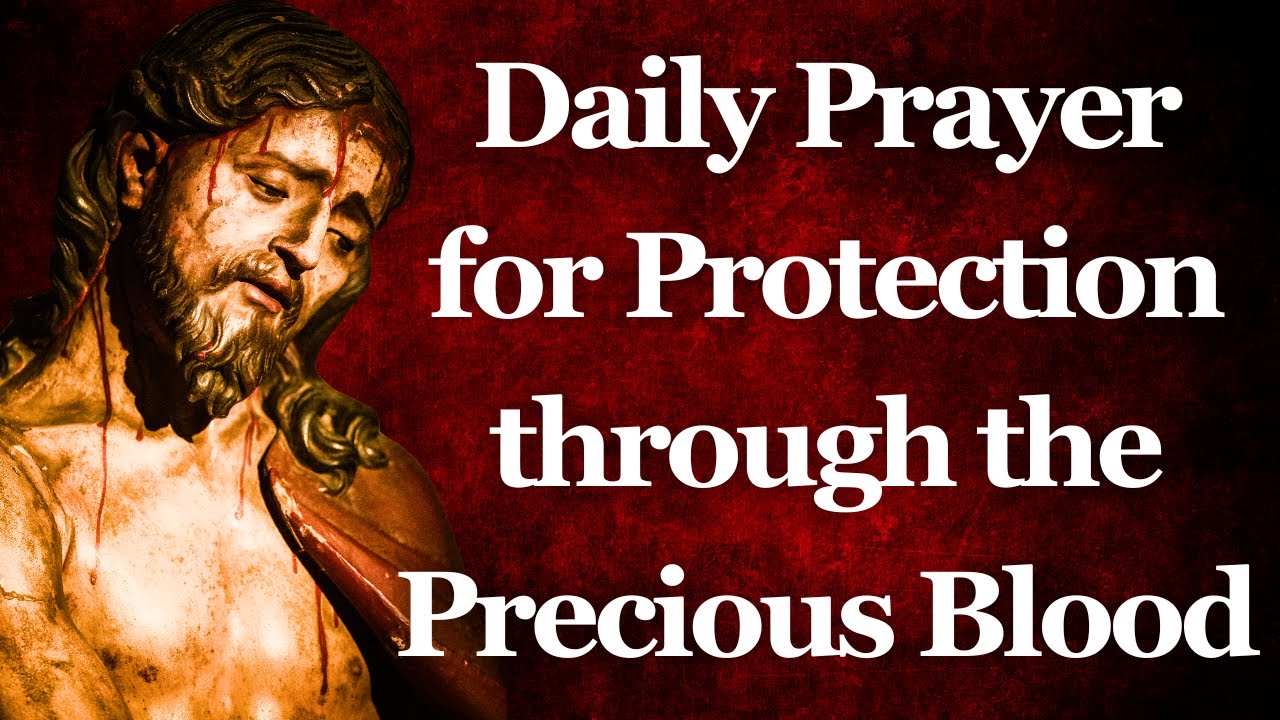

Prayer also glorifies God because it is offered “in Jesus’ name”—that is, in reliance on the Son’s life, death, and resurrection, and in communion with his will. When Jesus says that the Father will answer prayers offered in his name “so that the Father may be glorified in the Son,” he makes the link explicit (see John 14:13). Put simply, when our prayers are shaped by Christ, they honour God.
Biblical roots: why prayer brings glory to god
The Scriptures present a consistent vision: prayer brings glory to god because it places God at the centre. The psalmist cries, “Not to us, LORD, not to us but to your name be the glory” (see Psalm 115:1). Jesus teaches us to begin, “Our Father in heaven, hallowed be your name” (Matthew 6:9–13). In both cases, prayer starts by honouring God’s name before asking for daily needs. That order matters. It shows that glorifying God is not a postscript to prayer; it is the starting point and the atmosphere of the whole.
When we bring our requests to God “with thanksgiving” as Paul recommends in Philippians 4:6–7, we declare that God is good and near, not distant and disinterested. That declaration itself gives glory to God. Likewise, when believers intercede for others, they honour God’s compassion and justice. And when the Church gathers to worship, its united voice magnifies the Lord as a testimony to the world.
Seeing this pattern helps us understand that prayer is not just for “getting things done.” The deeper the relationship, the clearer the witness: prayer brings glory to god by revealing who he is and how he acts among his people.
How prayer brings glory to god in daily life
It is encouraging to see how prayer brings glory to god not only in churches and monasteries, but in kitchens, offices, and hospital corridors. Here are practical snapshots of how that looks.
In quiet, personal devotion
Your first words in the morning can honour God’s name. A short prayer of adoration—“Lord, you are faithful and good; your mercies are new this morning”—glorifies him because it speaks truth about who he is. When Scripture shapes your words, the effect deepens; reading a psalm and responding with gratitude aligns your heart with God’s own description of himself.
In relationships and family life
Praying with a spouse or friend, even briefly, is a humble confession that you need wisdom beyond yourselves. That humility honours God. As you bring children into this rhythm—perhaps a simple prayer at bedtime or before meals—you help them see that prayer brings glory to god by reminding the household that every gift is from the Father above.
In the workplace and public life
Brief prayers before decisions, during meetings, or when facing anxiety can redirect your trust to God. Asking for integrity, patience, or courage glorifies him because it shows you value his ways in public as much as in private. Even silent prayers, unspoken in a busy environment, can be a steady witness that prayer brings glory to god in places where his name is rarely mentioned.
In suffering and in joy
When life is hard and you still pray, you proclaim that God is worthy of trust beyond your circumstances. That proclamation glorifies him. Similarly, when good news arrives and you return thanks, you refuse the temptation to boast. Gratitude says, “The glory is yours,” and so prayer brings glory to god by redirecting praise to its true source.
Practical steps to pray in a way that honours God
You do not need special vocabulary to pray. You need honesty, attention, and a desire to honour the Lord. The following steps can help you practise prayer that bears fruit and gives glory to God. As you build these habits, you will find that prayer brings glory to god almost effortlessly, because your heart becomes attuned to him.
- Prepare: Find a simple, repeatable time and place. A chair by a window, a morning walk, or a few minutes after lunch can become sacred space.
- Begin with adoration: Start by naming God’s attributes—faithful, merciful, almighty, wise. This orients the heart upward.
- Use Scripture: Pray a psalm; echo a gospel phrase. Let God’s words seed your own words.
- Confess and receive mercy: Briefly acknowledge sin and failure; rest in Christ’s forgiveness. This honours God’s justice and grace.
- Give thanks specifically: Name three gifts today. Specific gratitude magnifies the Giver.
- Ask boldly yet humbly: Present needs and intercede for others. Ask for God’s will above all, trusting his wisdom.
- Listen in silence: A minute of quiet creates room for the Spirit’s gentle prompting.
- Resolve to act: End with one practical step—apologise, write the card, prepare the meal—so your prayer leads to faithful love.
Many find a set form such as the Divine Office or devotional chaplets helpful. If you are exploring set prayers of mercy and trust, this guide to the Divine Mercy Chaplet offers a clear pattern you can use. Others prefer a free-flowing conversation; both approaches can bring God glory when rooted in sincerity and Scripture.
If you’re looking for a simple starting point, the Church of England guide to learning to pray provides straightforward, friendly help for daily practice. For a deeper theological overview, see the Catechism of the Catholic Church on Christian prayer, which explains how prayer springs from God’s initiative and returns to him in praise.
Examples of prayers that glorify God
Below are short outlines rather than scripts. Use them as scaffolding. The aim is to make space where prayer brings glory to god by telling the truth about him and by entrusting our lives to his care.
A morning prayer of adoration and surrender
Adoration: “Father in heaven, your name is holy and your love endures. You are faithful and kind.”
Thanksgiving: “Thank you for rest, for breath, for your Word.”
Surrender: “Let your kingdom come and your will be done in my work, choices, and relationships today.”
Intercession: “Give wisdom to those I’ll meet; comfort those who suffer; guide me to be generous and brave.”
Closing: “In Jesus’ name. Amen.”
An evening examen (review of the day)
Ask for light: “Lord, help me see my day through your eyes.”
Review with gratitude: Name moments of grace.
Confess: Acknowledge where you fell short; receive mercy.
Resolve: Seek one concrete amendment for tomorrow.
Intercession for others
Begin with God: “Lord of compassion and justice, you delight to save.”
Name people or situations, briefly and trustingly, asking that God’s kingdom would come in each circumstance.
End with praise: “Not to us, but to your name be the glory.”
Through such patterns, prayer brings glory to god by directing attention to God’s nature and purposes rather than our eloquence.
Common mistakes and how to avoid them
Because we are human, our prayer can drift. Recognising common pitfalls helps us recentre on the Lord’s glory.
- Performing for others: Jesus warns against praying to be seen. Pray simply, honestly, and often in secret, so your aim remains God’s honour.
- Treating prayer as a transaction: God is not a dispensing machine. Ask boldly, but remember that waiting, trusting, and receiving “no” can all glorify him.
- Focusing only on petitions: Requests matter, but begin with adoration and thanksgiving to keep God’s name first.
- Neglecting Scripture: Without the Bible, our prayers can shrink to our immediate worries. Let the Word enlarge your praise and guide your requests.
- Forgetting to act: Justice and mercy are practical. Pair prayer with steps of reconciliation, generosity, and service, so your life supports your words.
How different traditions affirm that prayer brings glory to god
Across Christian traditions, you’ll find rich agreement that prayer glorifies God while differing on emphasis and practice. Liturgical churches celebrate fixed forms and the Psalms as a school of praise; evangelical communities often emphasise spontaneous prayer in the Spirit; monastic traditions model silence and contemplation. Each stream offers something the others need: language rooted in Scripture, expectant faith, and attentive listening. A healthy prayer life welcomes all three, so that prayer brings glory to god in head, heart, and habit.
Many believers also find strength in prophetic promises of God’s delight over his people. If you’re meditating on God’s joy and presence, this short reflection on Zephaniah 3:17 can encourage your heart as you pray.
Prayer, mission, and witness
Prayer and mission are not rivals. As we pray “Hallowed be your name,” we are asking that God’s reputation be honoured in every culture and neighbourhood. That request propels us outward in kindness and truth. When you pray for coworkers or local needs, and then quietly serve, you embody the message that prayer brings glory to god not only in words but in deeds. In this way, prayer fuels witness: it keeps love warm, courage steady, and hope alive.
When prayer feels hard
Even seasoned Christians face dry spells. You may feel distracted, discouraged, or doubtful that your words matter. Remember: God’s attention does not depend on your eloquence. When it is hard to pray, lean on simple words like the Lord’s Prayer, brief cries of “Lord, have mercy,” or a psalm prayed slowly. Borrowing the Church’s words can steady us when our own falter, and even in weakness, prayer brings glory to god because it trusts his strength.
It can also help to learn from others. Many testimonies show that God meets us in ordinary persistence: five minutes a day, a whispered thanks before sleep, or a midday pause to surrender anxiety. Small, faithful steps carry great dignity because they reflect God’s patience and steadfast love.
Recommended external resources
- Practical help for getting started with daily prayer (Church of England)
- Part Four of the Catechism: Christian Prayer (Vatican)
- The Lord’s Prayer: Matthew 6:9–13 (Bible Gateway, NIVUK)
- “Not to us, but to your name be the glory”: Psalm 115:1 (Bible Gateway, NIVUK)
Related articles
Frequently asked questions about prayer brings glory to god
Does God need my praise to be glorified?
No. God is perfectly glorious whether or not we acknowledge him. However, he invites our praise because it is good for us and true to reality. When we pray with adoration and gratitude, we participate in that truth, and prayer brings glory to god by reflecting the light of who he is.
Is it wrong to ask for things if the aim is to glorify God?
It is right and biblical to ask. Jesus commands us to ask, and he links answered prayer with the Father’s glory (John 14:13). Present your needs honestly and add, “Your will be done.” That posture honours God’s wisdom and timing.
How can busy people cultivate prayer that glorifies God?
Start small and consistent. A two-minute morning prayer and a one-minute pause at lunch can become an anchor. Use Scripture to focus quickly. Over time, these simple habits keep your heart aimed towards the Lord so that prayer brings glory to god amid real-world pressures.
Do set prayers, like the Lord’s Prayer or chaplets, really help?
Yes. Set prayers teach us God-centred patterns and language. They help especially when words don’t come easily. Used thoughtfully, they deepen our relationship with God and support a life where prayer brings glory to god through faithful, steady praise.
What should I do when prayer feels dry or pointless?
Keep showing up. Use short prayers, read a psalm aloud, sit quietly in God’s presence, or ask a friend to pray with you. Dryness is common and often temporary. Your faithful persistence still honours God and demonstrates trust in his goodness.
Conclusion on prayer brings glory to god
At its heart, Christian prayer is a relationship that tells the truth about God. When our lips and lives confess his holiness, mercy, and power,
