Paradise destinations: an essential, practical guide to 10 of the best

Paradise: meanings, myths, and modern reflections
For thousands of years, people have imagined paradise as the ultimate state of joy, peace, and fulfilment. Whether pictured as a lush garden, a radiant city, a spiritual realm, or a way of living well here and now, paradise sits at the centre of many hopes and stories. In this article, we explore what the idea means across cultures, where it comes from, how it is used today, and what practical lessons it offers for everyday life.
Rather than treating paradise as a single fixed destination, we will look at it as a rich, layered concept. You will find definitions, key themes, examples from faith and literature, common mistakes to avoid, and simple steps for bringing a little more harmony into your routine—without overpromising or drifting into sensationalism.
What is paradise? Origins, meanings, and uses
At its simplest, paradise is a vision of complete flourishing—life as it should be. The word most likely comes from Old Persian via Avestan, meaning an enclosed garden or walled park. Through Greek (parádeisos) and later Latin, it entered languages across Europe and beyond. In Jewish and Christian traditions, paradise often refers to a place of blessed rest and intimacy with God (the Garden of Eden or the abode of the righteous). In Islam, Jannah is a fragrant garden of reward and nearness to the Divine. In other worldviews, paradise may blend with ideas of utopia, enlightenment, or pure land.
Across these traditions, paradise is not only geography but also relationship and purpose. It evokes belonging without fear, beauty without decay, and moral order without injustice. While descriptions vary—from rivers and fruit trees to shining cities—the point is the fullness of life rather than a tourist brochure. It is equally a promise to shape our choices now: a moral horizon that calls communities to create spaces of welcome, fairness, and peace.
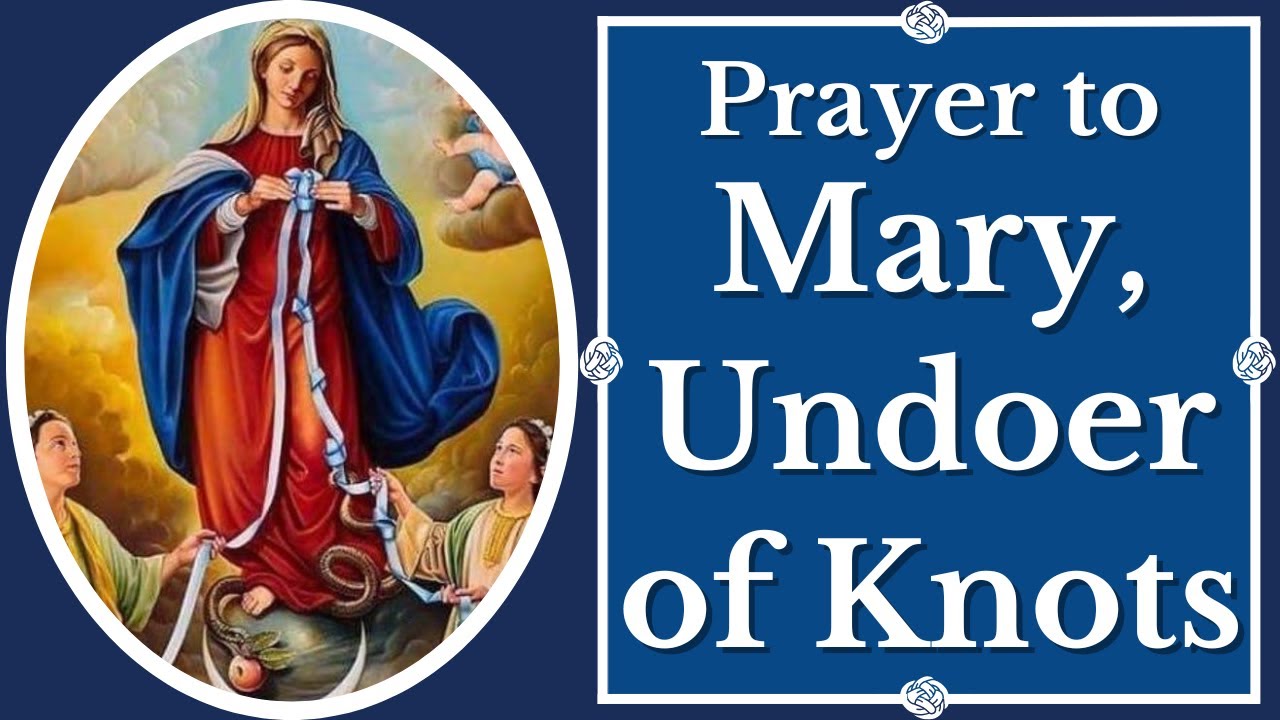

Beyond religion, paradise appears in philosophy and literature as a symbol of human longing. Writers from antiquity to modern times have used it to explore memory, loss, redemption, and responsibility. Contemporary speech extends it further still: we call a quiet cove, a favourite library corner, or a just and thriving neighbourhood a kind of paradise.
Key ideas behind visions of paradise
Paradise as garden, city, and community
Two dominant images alternate: the garden and the city. The garden suggests origin, innocence, and harmony with nature—think of living water, shade, scent, and fruitfulness. The city suggests culmination and shared life—hospitality, justice, and beauty arranged for the common good. In many traditions, the best visions of paradise combine both: a garden-city where people and creation flourish together.
The moral horizon and the hope of justice
Paradise is inseparable from ethics. It is not merely a private reward but a pledge that goodness is not futile and that justice matters. This moral dimension protects the idea from becoming pure escapism. Rather than “checking out” of the world, people motivated by such hope often “double down” on compassion, stewardship, and solidarity in the here and now.
Across faiths: Eden, Jannah, Pure Land
Different traditions develop distinctive language and imagery. In Judaism and Christianity, Eden symbolises unbroken fellowship and is sometimes contrasted with a renewed creation at the end of time. In Islam, Jannah is described as a verdant realm of reward and peace. In some Buddhist schools, Pure Lands are realms that assist beings on the path to enlightenment. Each tradition shapes conduct through this vision—cultivating virtues aligned with the promise they hold.
How paradise is used today: culture, travel, and wellbeing
Modern culture uses the term generously. Tourism markets describe a “tropical paradise” of white sand, coral, and palms. Wellness brands promise a “personal paradise” through retreats, diets, or décor. While such language is often harmless shorthand for beauty and rest, it can mask uncomfortable realities—for example, the labour, history, and ecosystems that make beautiful places possible, and sometimes fragile.
On the positive side, the idea can inspire communities to aim higher: cleaner air, greener streets, safer housing, richer arts, and inclusive public spaces. When used responsibly, paradise becomes a goal for environmental care, cultural vitality, and social justice rather than just a consumer slogan.
- Use the language of paradise thoughtfully—celebrate beauty without ignoring who maintains it and who benefits from it.
- Favour images that include people, culture, and nature together, not a fantasy that edits out real communities.
- Connect paradise with sustainability and fairness, so it points beyond personal comfort to shared wellbeing.
Practical reflections: steps to cultivate a sense of paradise in daily life
You do not have to wait for far-flung islands to taste peace. Small patterns, repeated often, can bring a little of paradise into ordinary days.
- Care for living things: keep a windowsill herb, plant a tree, or volunteer in a community garden. Even tiny patches can lower stress and foster connection.
- Practise hospitality: share meals, create welcoming spaces, and greet neighbours. Paradise is communal; warmth and trust are its architecture.
- Simplify and savour: prune clutter, reduce noise, and schedule time for unhurried conversation. Spaciousness makes room for joy.
- Honour rhythm: rest regularly, embrace sabbath-like pauses, and mark the seasons. A wise cadence keeps delight from burning out.
- Seek fairness: spend, vote, and volunteer with justice in mind. A paradise that excludes the vulnerable is only a façade.
Common mistakes and myths about paradise
- Thinking paradise is only a faraway place: in most traditions it is also a relationship with the divine, with others, and with creation.
- Flattening differences: assuming all faiths mean the same thing erases meaningful distinctions in doctrine, practice, and hope.
- Turning poetry into physics: descriptions are often symbolic and pastoral rather than literal travel guides to another realm.
- Escapism: using paradise to avoid responsibility. Authentic hope invites deeper engagement with the world’s needs, not withdrawal.
- Perfectionism: imagining a flawless life now and shaming yourself when reality falls short. Healthy longing keeps compassion at the centre.
- Marketing gloss: calling undeveloped land “paradise” while ignoring the ecological or cultural costs that development may bring.
Examples and case studies: paradise in art, place names, and ritual
Art and literature teem with interpretations. John Milton’s epic explores innocence, freedom, loss, and the hope of renewal; Dante imagines the ascent through realms of love and light; modern writers often treat paradise as a delicate memory or an ethical summons. These works have shaped how English speakers picture harmony, temptation, and the long journey home.
Architecture and landscape design also internalise the theme. Persian chahar bagh gardens, for instance, use intersecting water channels and symmetry to symbolise balance and blessing. Islamic gardens often evoke coolness, shade, and scent—the antidotes to desert heat and metaphors for spiritual refreshment. East Asian Pure Land imagery influences temple grounds that invite contemplation through water, bridges, and framed views. Each design says, in its own language, “This is what flourishing feels like; come and rest.”
Ritual life brings the vision close. Festivals that celebrate renewal, liturgies that promise restoration, or acts of mercy that make a home for the lonely—all enact a foretaste of paradise. Even a neighbourhood clean‑up can feel like a small unveiling of what could be: streets brighter, air clearer, people smiling at one another again.
Related articles
Recommended external resources
- Encyclopaedia Britannica: overview of “paradise” in religion — a reliable introduction to terminology, history, and key traditions.
- Wikipedia: Paradise (religion) — broad survey with links to related topics and cultural references.
- Stanford Encyclopedia of Philosophy: Heaven and Hell — philosophical angles on afterlife concepts and moral implications.
Frequently asked questions about paradise
Is paradise the same as heaven?
It depends on the tradition and context. In everyday English, people often use the words interchangeably. In many Christian settings, “heaven” can mean the ultimate communion with God, while “paradise” may refer to a blessed garden-like state or the abode of the righteous. In Islam, Jannah is commonly translated as paradise, with vivid imagery of gardens and nearness to God. The takeaway: similar hopes, different nuances.
Where does the word “paradise” come from?
From an Old Iranian root via Avestan and Old Persian for a walled garden or park (pairidaeza). It moved into Greek as parádeisos and into Latin and then European languages. The garden image has remained central to many descriptions ever since.
Do all religions have a concept of paradise?
Most major traditions carry some vision of ultimate flourishing, though the forms vary widely. Abrahamic faiths often picture verdant gardens and cities of peace. Some Eastern traditions frame the goal as liberation from suffering or rebirth into a Pure Land that aids enlightenment. Others emphasise a renewed earth, not escape from it.
Can paradise be experienced on earth?
Not in a final or total way—life remains complex—but many people speak of “glimpses”: a reconciled relationship, a community meal, a walk among trees, moments of prayer, or a fair policy that makes life better for the vulnerable. These are imperfect but real foretastes that encourage perseverance.
Why is paradise often linked with gardens and water?
In the ancient Near East and beyond, water meant life and security, while gardens symbolised abundance and shade. These images naturally became metaphors for spiritual refreshment, moral order, and welcome—core aspects of how people have pictured blessedness.
Conclusion on paradise
Across languages and centuries, paradise has named our deepest longing for wholeness—where beauty, justice, and love belong together. Whether imagined as a garden, a city, or a renewed creation, it invites us to live now in ways that reflect the peace we hope for. Used wisely, the idea does not excuse withdrawal from reality; it energises care for neighbours, culture, and the earth.
That is why it matters how we speak about paradise in public life and private devotion. Let it be a compass, not a cliché; a summons to hospitality, not an escape into fantasy. In our homes, streets, and shared institutions, we can grow small, durable markers of the world we long to see—reminders that flourishing is not only a destination but also a daily practice.
