Our lady of sorrows prayer request: essential guide with 5 key steps
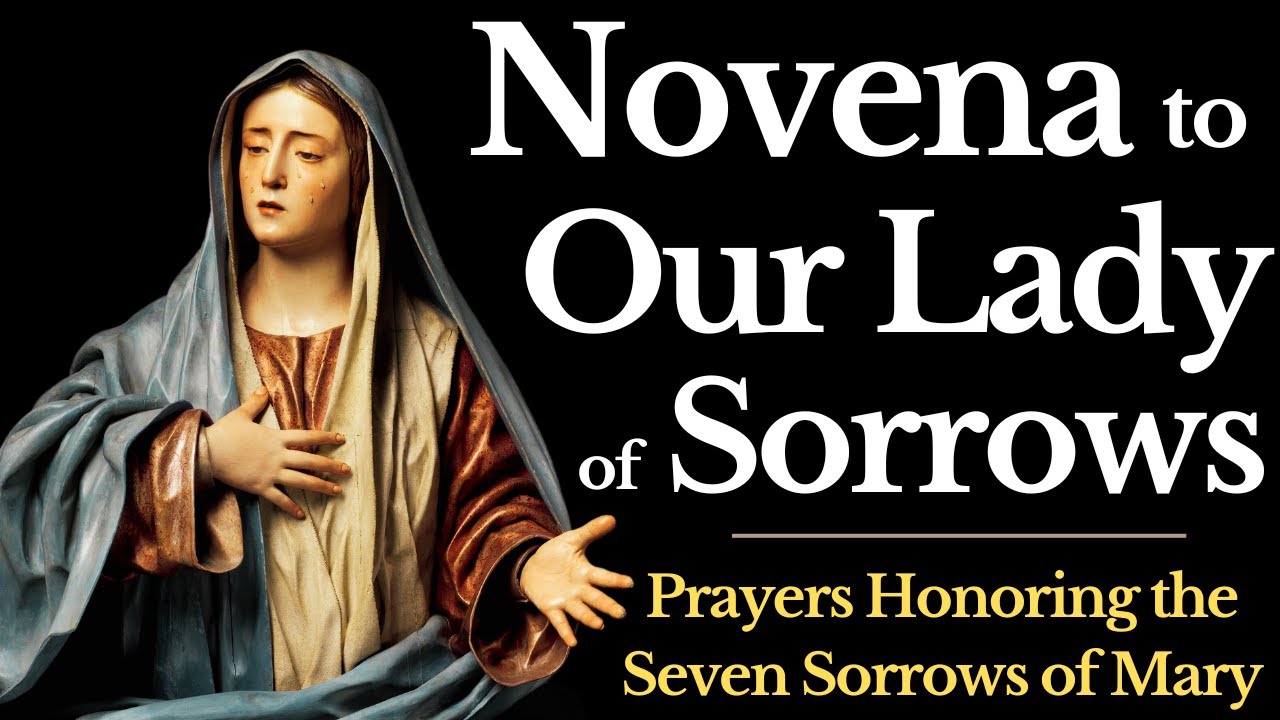
Understanding the our lady of sorrows prayer request: meaning, intentions, and how to pray
If you are looking for a thoughtful way to bring your intentions before God through Mary’s intercession, an our lady of sorrows prayer request offers a compassionate, time-honoured path. Rooted in Scripture and Christian tradition, this devotion focuses on the Blessed Virgin Mary’s seven great sorrows and invites believers to unite their own suffering, worries, and hopes with hers. In this guide, you’ll find practical steps for composing a prayer request, how to pray with confidence and clarity, and gentle advice on submitting intentions at home, in church, or online.
Whether you are new to Marian devotions or returning after a long time, this article explains the essentials in clear language. You’ll learn the background and meaning of this title, discover different ways to structure your our lady of sorrows prayer request, and gain tips for avoiding common mistakes while praying with purpose and peace.
What is an our lady of sorrows prayer request?
An our lady of sorrows prayer request is a personal or communal intention addressed to God, asking for help through the intercession of Mary under the title “Our Lady of Sorrows” (Mater Dolorosa). This title highlights her profound compassion at key moments of Jesus’ life—especially his Passion—offering a model of steadfast faith amid grief and uncertainty.
The title and its history in brief
Devotion to Our Lady of Sorrows grew from early Christian meditation on the prophecy of Simeon that a sword would pierce Mary’s own soul (Luke 2:35). Over time, believers reflected on seven pivotal moments of sorrow—the “Seven Sorrows”—to enter more deeply into the mystery of Christ’s Passion through Mary’s eyes. The practice encourages empathy, perseverance in trials, and a humble openness to God’s will, even when outcomes are unclear.


Why people make such requests
People often submit an our lady of sorrows prayer request when facing heavy or delicate concerns. Common intentions include:
- Strength and hope in illness, grief, or caregiving
- Healing of family relationships or reconciliation
- Support for someone losing faith or feeling discouraged
- Wisdom during major life decisions, job loss, or financial stress
- Mercy for the departed and comfort for those who mourn
At its heart, an our lady of sorrows prayer request is about entrusting your needs to God with Mary’s maternal care, asking her to accompany you just as she stood faithfully beneath the Cross.
The Seven Sorrows: a brief guide for your intention
Understanding the Seven Sorrows can help you pray with depth and focus. Consider reflecting on one sorrow linked to your situation, or meditate on all seven when composing your our lady of sorrows prayer request.
- The Prophecy of Simeon (Luke 2:25–35): Mary hears that a sword will pierce her soul.
- The Flight into Egypt (Matthew 2:13–15): The Holy Family escapes danger to protect the Child.
- The Loss of the Child Jesus in the Temple (Luke 2:41–50): Mary and Joseph search anxiously for three days.
- Mary meets Jesus on the Way of the Cross (traditional devotion): The piercing sorrow of a mother’s gaze.
- The Crucifixion and Death of Jesus (John 19:25–30): Mary stands at the foot of the Cross.
- The Body of Jesus taken down from the Cross (John 19:38–40): The Pietà moment of grief and love.
- The Burial of Jesus (John 19:41–42): Finality, trust, and waiting in hope.
Meditating on these moments can shape your our lady of sorrows prayer request with honesty and courage. You might, for example, connect a family crisis with the anxiety of the third sorrow or find strength in the compassion shown at the Crucifixion.
How to make an our lady of sorrows prayer request with meaning
Step-by-step guide
- Prepare quietly. Take a few minutes to be still. Breathe slowly, acknowledge your feelings, and invite God’s presence.
- Name your intention. In plain words, state what you are asking for. Be specific but not overly detailed (especially for public submissions).
- Choose your form of prayer. You might offer a brief personal prayer, pray the Seven Sorrows chaplet, begin a novena, or ask for a Mass intention at your parish.
- Write your our lady of sorrows prayer request. Keep it sincere and concise. Consider referencing a sorrow that resonates with your need.
- Add an act of faith. Conclude by entrusting the outcome to God, asking for the grace to accept his timing and will.
- Offer it reverently. Light a candle at home or in church, or submit your intention through a reputable parish or shrine.
A simple template you can adapt
“Holy Mary, Our Lady of Sorrows, I bring to you this intention: [state your intention]. As I reflect on [name a sorrow, e.g., your meeting with Jesus on the Way of the Cross], grant me courage, patience, and trust in God’s mercy. Please intercede for [name a person or situation], that we may receive the grace we most need and the peace of Christ. Amen.”
There is no need for special language. The best our lady of sorrows prayer request uses honest words spoken with reverence and hope.
Prayers and devotions linked to Our Lady of Sorrows
The Seven Sorrows Chaplet in short
This chaplet is a structured way to pray your intention. It typically includes an introductory act of contrition, then seven “stations” corresponding to each sorrow. At each sorrow, many pray one Our Father and seven Hail Marys while meditating on the mystery. If you are new, start with a shorter version—one Our Father and one Hail Mary per sorrow—as you learn the flow.
The Novena to Our Lady of Sorrows
A nine-day novena allows you to carry your request with steady devotion. Each day, repeat your intention and a short prayer. You might add a brief reading or a few minutes of silent reflection, focusing on one sorrow each day. If you’re undertaking a novena as an our lady of sorrows prayer request, consider attending Mass or receiving the sacraments during the period if possible.
Scriptural reflection and the Stabat Mater
Many find it helpful to read the relevant Gospel passages and, if familiar, to pray or listen to the hymn Stabat Mater. For background on this hymn, see the Catholic Encyclopedia’s overview of the Stabat Mater. Biblical reflection grounds your intention in faith and helps you pray with mind and heart aligned.
Where and how to submit an our lady of sorrows prayer request online or in person
Your our lady of sorrows prayer request can be offered privately at home, shared with a trusted friend or prayer group, or submitted to a parish or shrine. If you prefer an online submission, choose well-known, reputable sites—ideally official church pages. For guidance on Marian devotions and prayer in the Catholic Church, consult the Vatican’s Directory on Popular Piety and the Liturgy, which outlines how popular devotions complement liturgical prayer.
- At your parish: Ask about a Mass intention, prayer list, or a group that prays the Seven Sorrows.
- At a shrine or chapel: Many Marian shrines accept printed or online intentions and remember them at Mass or during devotions.
- Online: Seek official diocesan or parish pages. For an overview of Marian practices in the Church, see the USCCB’s resources on Marian devotions.
Be cautious with personal information when you post publicly and avoid sites that charge money to “guarantee” results; authentic prayer is not transactional. If in doubt, speak with a priest or pastoral worker about the best way to share your our lady of sorrows prayer request safely and fruitfully.
Timing and feast days for your intention
While you can submit an our lady of sorrows prayer request at any time, some dates carry special resonance. The Church keeps the Memorial of Our Lady of Sorrows on 15 September, the day after the Feast of the Exaltation of the Holy Cross. In some places there’s also a “Friday of Sorrows” observed on the Friday before Palm Sunday. The weeks of Lent, Holy Week, and September, therefore, are particularly suitable seasons for this devotion—but your sincere need is never out of season.
Best practices and etiquette for an our lady of sorrows prayer request
- Be clear but discreet. Name the need plainly; omit sensitive details for public spaces.
- Pray for God’s will. Ask for what you hope, while remaining open to God’s timing and plan.
- Pair words with deeds. Consider a small act of charity or sacrifice alongside your prayer.
- Persevere respectfully. It’s fine to repeat an intention over days or weeks; avoid aggressive or superstitious attitudes.
- Offer thanks. When circumstances improve—or even when they don’t—thank God for graces seen and unseen.
Common mistakes to avoid
- Treating prayer like a contract. Prayer is relationship, not negotiation.
- Over-sharing online. Protect your privacy and that of others when posting a public request.
- Neglecting Scripture. A few minutes with the Gospels can transform how you pray.
- Isolation. If appropriate, invite trusted friends to join you in praying your our lady of sorrows prayer request.
Integrating the devotion into daily life
Small habits help your intention take root. You might keep a simple image of the Pietà on your desk, pause each Friday to reflect on one sorrow, or pray just one Hail Mary at midday for your request. Little by little, your our lady of sorrows prayer request becomes part of daily faithfulness rather than a single moment of urgency.
- Set a reminder for a brief midday prayer linked to one sorrow.
- Offer a short prayer when lighting a candle at home.
- Note small answers and consolations in a journal.
- Share the devotion gently with a friend in need of comfort.
If you or a loved one would prefer to pray in Spanish, you may find this resource helpful: Our Lady of Sorrows resources in Spanish. And if you would like a complementary devotion focused on trust in God’s mercy, explore how to pray the Divine Mercy Chaplet prayer as part of your daily routine.
