Our lady of seven sorrows prayer card: complete guide – 7 key tips
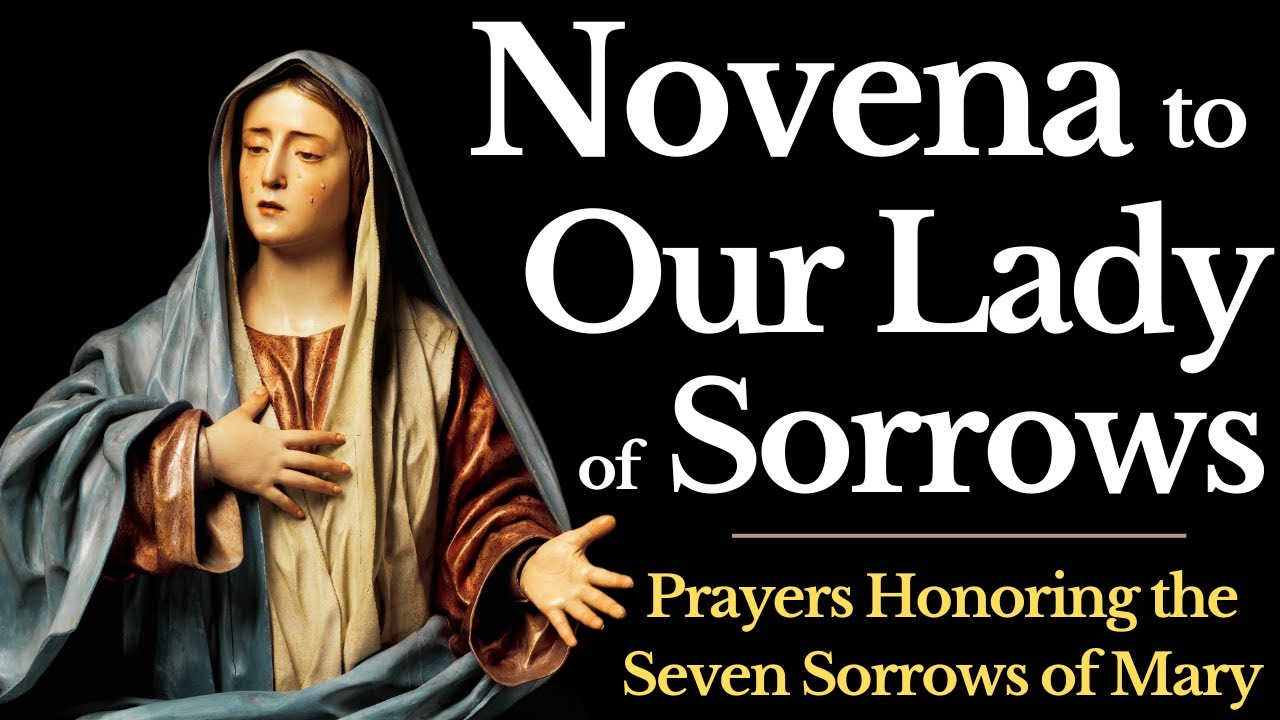
our lady of seven sorrows prayer card: meaning, design, and how to use it
An our lady of seven sorrows prayer card is a small, portable aid to devotion centred on Mary as the Sorrowful Mother, accompanying believers through grief, repentance, and hope. Whether tucked into a missal, carried in a wallet, or placed beside a bedside crucifix, it offers a simple way to focus the mind and heart on Christ’s Passion through Mary’s eyes. In this guide, we explore what the card typically includes, how to use it well, how to choose one that suits your needs, and why this traditional devotion still speaks powerfully today.
Devotion to the Seven Sorrows—also called the Seven Dolours—encourages reflection on seven pivotal moments of suffering in Mary’s life. An our lady of seven sorrows prayer card usually features art of Mary as Mater Dolorosa and a short prayer, scriptural references, or the outline of the Seven Sorrows Chaplet. Because prayer cards are compact, practical, and affordable, they are ideal for beginners, for those returning to prayer, and for anyone seeking a gentle way to grow in compassion and trust.
What is an our lady of seven sorrows prayer card?
At its simplest, an our lady of seven sorrows prayer card is a printed card bearing an image of the Sorrowful Mother on one side and a prayer on the other. It is designed to be used as a prompt for prayer, meditation, and remembrance. Unlike a full book or devotional booklet, it gives you a concise, focused way to enter the mystery of Mary’s sorrows and Christ’s saving love.
The card relates to an ancient Catholic devotion deepened by the Servite Order in the thirteenth century. Over time, artists and writers portrayed Mary with a heart pierced by seven swords, symbolising her sorrows. Today, the our lady of seven sorrows prayer card functions as a handheld icon and a concise guide to prayer, suitable for personal use, for parish bereavement groups, and for gifting during times of illness or mourning.


Origins and meaning of the Seven Sorrows
The Seven Sorrows devotion meditates on seven scriptural and traditional episodes in Mary’s life that closely align with Christ’s suffering. While the card itself is brief, understanding these scenes helps you pray it more fruitfully:
- The Prophecy of Simeon (Luke 2:34–35): Simeon foretells a sword that will pierce Mary’s soul.
- The Flight into Egypt (Matthew 2:13–15): The Holy Family flee from Herod’s violence.
- The Loss of the Child Jesus in the Temple (Luke 2:41–50): Mary and Joseph search for the missing Jesus.
- Mary Meets Jesus on the Way to Calvary (traditional): A moment of silent suffering between Mother and Son.
- The Crucifixion and Death of Jesus (John 19:25–30): Mary stands by the Cross.
- The Body of Jesus Is Taken Down from the Cross (John 19:38–40): Mary receives the lifeless body of her Son.
- The Burial of Jesus (John 19:41–42): The stone seals the tomb; hope waits in darkness.
When your our lady of seven sorrows prayer card lists these moments, it invites you to dwell on each one briefly—perhaps with a single line of prayer or a moment of silence—allowing the Lord to shape your heart in compassion and perseverance.
Common features of an our lady of seven sorrows prayer card
Although designs vary, you will often find these elements:
- Front image: Mary as Our Lady of Sorrows, often with seven swords or a sorrowful yet serene expression.
- Back text: A brief prayer (for example, “Our Lady of Sorrows, pray for us”), an excerpt from Scripture, the Seven Sorrows listed, or a summary of the Seven Sorrows Chaplet.
- Size and finish: Typically credit-card size, sometimes laminated for durability, with rounded corners for easy carrying.
- Language and audience: Available in many languages. If you pray in Spanish, a bilingual version or a Spanish text can be very helpful; see, for instance, Lady of Sorrows in Spanish.
- Art style: Classic iconography, baroque painting reproductions, or contemporary illustrations—choose what best draws you to prayer.
- Optional blessing: A priest may bless the card; some people like to have their devotional items blessed for personal use.
The beauty of an our lady of seven sorrows prayer card is its simplicity. It can be used in a minute during a busy day or become part of a longer, more contemplative time of prayer.
How to use an our lady of seven sorrows prayer card in daily life
Here is a gentle, practical routine for using your our lady of seven sorrows prayer card without feeling overwhelmed:
- Begin with quiet: Hold the card and take a slow breath. Ask for the grace to pray.
- Gaze at the image: Look at Mary’s face and the symbols of sorrow. What stands out? Offer a brief, sincere thought to God.
- Read the prayer: Slowly pray the text on the card. If it lists the seven sorrows, focus on just one each day.
- Link to Scripture: If you have time, read a verse related to that sorrow. Even one line can help.
- Offer an intention: Bring to God a person or situation that needs mercy.
- Close simply: End with “Mary, Our Lady of Sorrows, pray for us.” Keep the card nearby as a reminder.
Some people add the card to their morning routine, keep it on their desk for a midday pause, or place it near a crucifix for evening prayer. When grief surfaces unexpectedly, the our lady of seven sorrows prayer card is a discreet anchor in the storm.
Praying the Seven Sorrows Chaplet with the help of the card
Many cards include a compact outline of the Seven Sorrows Chaplet (also called the Seven Sorrows Rosary). If your our lady of seven sorrows prayer card includes this guide, you can pray it in stages. A simple structure is as follows:
- Begin with the Sign of the Cross.
- Announce the First Sorrow; pray one Our Father and seven Hail Marys, meditating on that sorrow.
- Repeat for all seven sorrows.
- Conclude with a short prayer to Our Lady of Sorrows and the Sign of the Cross.
Do not worry if you cannot complete all seven in one sitting. The card makes it easy to continue later. If you are exploring other devotions, you may also appreciate this step-by-step guide to a different but complementary prayer: how to pray the Divine Mercy Chaplet.
When and why to use an our lady of seven sorrows prayer card
The our lady of seven sorrows prayer card is especially meaningful during Lent, on the memorial of Our Lady of Sorrows (15 September), and in times of personal trial. It also fits well at these moments:
- Bereavement: Offer it as a small, compassionate gift accompanied by a promise of prayer.
- Anniversaries of loss: Use the card to mark a date that still aches.
- Intercession: When praying for those who suffer—through illness, family rifts, anxiety, or war—ask Mary to join your prayer to hers.
- Reconciliation: Reflect on the sorrows before or after Confession to cultivate sincere contrition.
- Evening examen: Let a single sorrow shape a few minutes of reflection on the day.
Because it is tactful and unobtrusive, an our lady of seven sorrows prayer card can be shared easily with friends or parishioners who might benefit from a simple, consoling devotion.
Choosing the right our lady of seven sorrows prayer card
Consider these points when selecting a card:
- Text clarity: Ensure the font is readable; if you prefer larger print, look for oversized cards.
- Content: Decide whether you want a brief invocation, scriptural references, or a summary of the Seven Sorrows Chaplet. Some cards include the “Stabat Mater” verses or a Litany of Our Lady of Sorrows.
- Language: Choose your native language or a bilingual edition to share with family. If Spanish is useful in your setting, explore a helpful overview here: devotion to Our Lady of Sorrows in Spanish.
- Durability: Laminated cards withstand daily handling; unlaminated cards are often more eco-friendly and suitable for placing in books.
- Art style: Classical or contemporary—select what draws your heart to prayer.
- Ethical sourcing: Many church shops and small Catholic artisans produce prayer cards; support local parishes or ethical printers where possible.
Whichever our lady of seven sorrows prayer card you choose, the best card is the one you will actually use.
Etiquette and care for a prayer card
In Catholic practice, devotional items are treated with respect. If your our lady of seven sorrows prayer card is blessed and later becomes worn out, you may return it to a parish for respectful disposal, or privately burn or bury it. You need not be fussy—ordinary, unblessed cards can be recycled if appropriate—but simple reverence is a good guideline.
To keep your card in good condition:
- Use a small sleeve or place it inside a missal or journal.
- Avoid leaving it in direct sunlight to prevent fading.
- If laminated, wipe gently with a soft, dry cloth.
Common mistakes to avoid
When using an our lady of seven sorrows prayer card, a few pitfalls are easy to sidestep:
- Rushing: The point is not to recite quickly but to pray slowly and attentively.
- Perfectionism: Do not worry if you miss a day. Return to the card whenever you can.
- Superstition: A card is a tool for prayer, not a charm. Its value lies in the faith and love with which you pray.
- Isolation: The card is personal, but the Church’s prayer is communal. Consider praying with a friend or small group occasionally.
A brief theological note: compassion formed by contemplation
Prayer cards may appear simple, yet the devotion they foster is profound. By contemplating Mary’s sorrows, we gain insight into Christ’s love and human suffering. The goal of using an our lady of seven sorrows prayer card is not to dwell morbidly on pain but to let grace transform our sorrow into compassion, forgiveness, and hope. The sorrow of Mary is always oriented toward Easter dawn.
Related articles
Recommended external resources
- Overview of Our Lady of Sorrows – historical background, iconography, and references.
- Vatican Directory on Popular Piety and the Liturgy – principles for using devotions alongside the liturgy.
- Catholic Encyclopedia: The Seven Dolours of the Blessed Virgin Mary – historical development of the devotion and prayers.
Frequently asked questions about our lady of seven sorrows prayer card
What prayers are usually printed on an our lady of seven sorrows prayer card?
Many cards include a short invocation such as “Our Lady of Sorrows, pray for us,” a list of the seven sorrows, and sometimes a brief outline of the Seven Sorrows Chaplet. Others print an excerpt of the “Stabat Mater,” a Scripture verse, or a short litany. The essential idea is to give you a prompt you can pray within a minute or two.
Do I need a priest to bless my our lady of seven sorrows prayer card?
No, you do not have to have it blessed to pray with it fruitfully. However, many Catholics like to ask a priest for a simple blessing. A blessing is a prayer of the Church for those who will use the item, reminding us that our devotion is communal as well as personal.
Can non-Catholics use an our lady of seven sorrows prayer card?
Yes. Anyone who finds consolation in Mary’s witness and in the Passion of Christ can use the card as a guide for reflection. If you are new to the devotion, start by reading the seven sorrows slowly and offering a simple, heartfelt prayer for your needs or for someone who is suffering.
How is a prayer card different from a scapular or medal?
A prayer card is primarily a printed aid to prayer. A scapular or medal is a sacramental worn on the person. Although some people keep a medal with their card, each item has its own purpose. The our lady of seven sorrows prayer card is especially suitable for quick moments of recollection and for gifting to others.
How often should I pray with the our lady of seven sorrows prayer card?
There is no strict rule. Some people meditate on one sorrow each day, completing the seven over a week. Others pray the entire chaplet weekly, or use the card during Lent and on the memorial of Our Lady of Sorrows (15 September). Consistency matters more than quantity—choose a rhythm you can sustain.
Is it acceptable to use the card while praying other devotions?
Yes. You can integrate your our lady of seven sorrows prayer card into the Rosary, the Divine Mercy Chaplet, or a daily examen. For example, you might hold the card while praying the Sorrowful Mysteries, or read one sorrow before beginning the chaplet of mercy.
Where can I learn more about the devotion?
Your parish bookshop or diocesan website may offer resources. You can also consult reliable overviews such as the Our Lady of Sorrows article and the Catholic Encyclopedia entry on the Seven Dolours. These provide historical context, prayers, and links to further reading.
Conclusion on our lady of seven sorrows prayer card
The our lady of seven sorrows prayer card is a small yet profound companion for anyone seeking comfort, courage, and deeper faith. Rooted in Scripture and tradition, it invites you to see Christ’s Passion through Mary’s faithful love, transforming sorrow into compassion and hope. Whether you have one minute or twenty, the card offers a gentle doorway into contemplative prayer.
Choose a design and text that resonate with you, keep the card where you will see it, and let it prompt brief, sincere prayer each day. If you wish, ask a priest to bless it; if not, simply use it with faith. In seasons of grief, anxiety, or uncertainty, the our lady of seven sorrows prayer card can be a quiet source of consolation—reminding you that Mary understands our suffering and always leads us to her Son.
As with any devotional practice, the goal is not to accumulate words but to grow in love. Used thoughtfully and consistently, an our lady of seven sorrows prayer card helps you hold sorrow and hope together, and to carry both into the world with gentleness and courage.
