Our lady of perpetual help prayer for the sick: complete guide
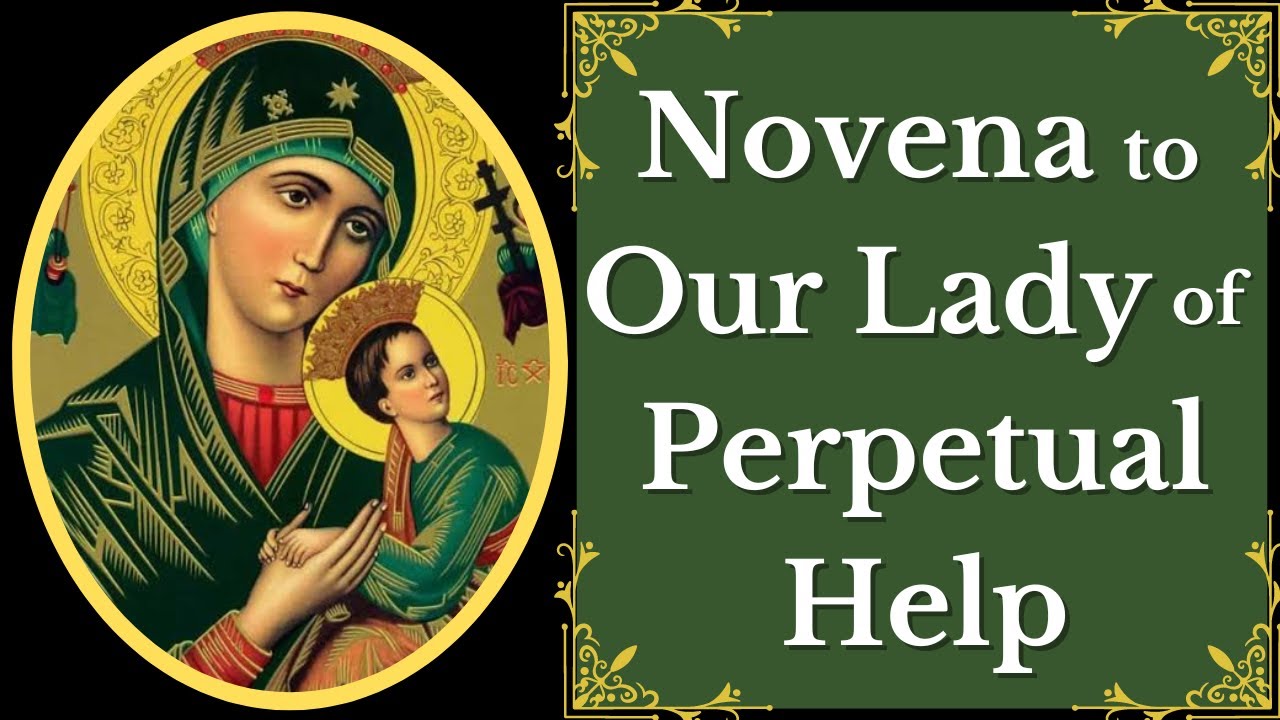
our lady of perpetual help prayer for the sick
The our lady of perpetual help prayer for the sick is a gentle, time-honoured way to ask for comfort, courage and healing through the intercession of Mary, the mother of Jesus. Whether you are praying for yourself, a loved one, a friend in hospital, or someone you care for professionally, this devotion offers words and structure when illness leaves you searching for hope. In what follows, you will find a clear explanation of what this prayer is, why it matters, and practical guidance on how to pray it with faith and sensitivity.
Many people know this Marian title as “Our Lady of Perpetual Help” or, in British usage, “Our Lady of Perpetual Succour”. The our lady of perpetual help prayer for the sick is not a magic formula; rather, it is a heartfelt request that Mary, who is close to her Son, may bring the needs of the ill to Christ with maternal care. Used wisely, it blends spiritual consolation with responsible support for medical treatment and everyday care.
What is the our lady of perpetual help prayer for the sick?
At its simplest, the our lady of perpetual help prayer for the sick is an appeal for Mary’s ongoing assistance in times of illness or weakness. It is a form of intercessory prayer: you ask the Mother of God to intercede for the person who is unwell, that they may be granted peace, strength, and, if it be God’s will, healing of body and soul. Catholics and many other Christians find great solace in this devotion, particularly when facing uncertainty or pain.
Origins and meaning of “Perpetual Help”
The title “Our Lady of Perpetual Help” is closely associated with a centuries-old icon of the Virgin Mary holding the Child Jesus, venerated by the Redemptorists and beloved throughout the world. The icon’s imagery speaks of compassionate protection in times of fear and need. For background on the icon and its widespread devotion, see the overview at Wikipedia’s article on Our Lady of Perpetual Help. The word “perpetual” reminds us of continual care: Mary does not appear only in moments of triumph; she stands with us constantly, including in illness and convalescence.


In Britain, the traditional form “Our Lady of Perpetual Succour” is often used, yet the heart of the devotion remains the same. The our lady of perpetual help prayer for the sick flows from trust that God’s grace is offered without ceasing, and that Mary, as a loving mother, accompanies the suffering with unwavering tenderness.
Why this prayer matters during illness
Serious illness destabilises daily life: appointments multiply, decisions feel heavier, sleep may be disrupted, and both the patient and the family can become anxious or despondent. The our lady of perpetual help prayer for the sick offers steady language for uncertain days. It helps people place a loved one in God’s care, seeking inner calm, courage for treatment, and the patience needed for recovery. It also reinforces that no one suffers alone; believers are part of a wider communion where prayer and love bind us together.
How Catholics understand prayer for the sick
Within Catholic tradition, prayer for the sick expresses trust in God’s providence while valuing medical science. This is not an “either/or” between faith and healthcare; it is a “both/and”. The our lady of perpetual help prayer for the sick sits alongside practical care, professional treatment, and the Christian sacrament of the Anointing of the Sick. For a succinct explanation of that sacrament, the Vatican’s summary in the Catechism is helpful: Catechism on the Anointing of the Sick.
In this balanced approach, prayer asks for spiritual fruit—peace, trust, fortitude and hope—alongside bodily healing. Even when cure is not possible, people often report experiencing comfort, reconciliation, and a deeper sense of God’s companionship through prayer. The our lady of perpetual help prayer for the sick therefore supports, rather than replaces, the attentive work of doctors, nurses, carers and loved ones.
How to pray the our lady of perpetual help prayer for the sick
You do not need to be an expert to pray meaningfully. What matters most is sincerity. Here is a simple way to structure the our lady of perpetual help prayer for the sick, whether you are alone or gathered with others.
- Begin with quiet. Take a few slow breaths. Place yourself in God’s presence. You may make the Sign of the Cross if you wish.
- Name the intention. Say the person’s name and, if appropriate, the specific need (e.g., an upcoming operation, pain management, strength for chemotherapy, steadiness for anxiety).
- Invoke Mary. Ask Our Lady of Perpetual Help to intercede, using words like “Our Lady of Perpetual Help, pray for us.”
- Offer your petition. Speak plainly to God, asking for healing, courage, wisdom for clinicians, patience in suffering, and restful sleep.
- Bring Scripture into the prayer. A short verse can focus the heart. For example: “The Lord your God is in your midst, a mighty Saviour; He will rejoice over you with gladness.”
- Close with trust. Conclude with “Amen,” or a traditional prayer such as the Hail Mary or the Our Father.
A sample our lady of perpetual help prayer for the sick
You can adapt this prayer as needed; use the language that best fits your situation.
“Our Lady of Perpetual Help, gentle mother and faithful guide, I place N. before you in this time of illness. Be close to them in their weakness; steady their heart and mind. Ask your Son, Jesus, to grant them courage in treatment, relief from pain, and peace in body and soul. Watch over those who care for them, and give wisdom and compassion to every clinician and nurse. If it is God’s will, bring healing; if not, grant patience, hope and holy comfort. Our Lady of Perpetual Help, pray for us. Amen.”
This sample reflects the essence of the our lady of perpetual help prayer for the sick: trust in God, confidence in Mary’s intercession, and mindful care for the whole person.
Praying with the person who is ill
When praying with someone who is unwell, keep the our lady of perpetual help prayer for the sick short and calm. Ask permission before you begin, use a gentle tone, and avoid raising expectations of an instant cure. Offer to hold their hand if appropriate and if infection control allows. A brief moment of silence can be as meaningful as a long petition; the point is companionship before God.
A novena and other forms of devotion
Many people incorporate the our lady of perpetual help prayer for the sick into a nine-day novena, a traditional sequence of prayers asking for a particular grace. A novena can be prayed privately or in a group; it gives a rhythm to hope. If you are new to this, you might alternate short prayers with moments of silence and a single decade of the Rosary. Historical background on the icon and devotion can be explored further in sources like this detailed history of Our Lady of Perpetual Help, and general guidance on Catholic prayer for the sick can be found via the Catholic Health Association’s prayer resources for the sick and carers.
Parishes often hold weekly devotions to Our Lady of Perpetual Help. If you are able, attending such a service can deepen your practice and surround your intention with a community of faith. The our lady of perpetual help prayer for the sick fits naturally within these devotions, especially when families gather to support a relative before surgery or during rehabilitation.
When to use the our lady of perpetual help prayer for the sick
There is no wrong time to pray, but some moments are especially suitable for the our lady of perpetual help prayer for the sick:
- Before a hospital admission or medical procedure, to seek calm and courage.
- During treatment cycles (e.g., radiotherapy or chemotherapy), to sustain hope and patience.
- At home during recovery, to ask for restful sleep and steady improvement.
- Alongside palliative care, to draw near to God’s mercy and love when cure is unlikely.
- As a family or parish intention, uniting hearts when loved ones are far away.
In all these settings, the our lady of perpetual help prayer for the sick complements practical acts of love: cooking a meal, offering a lift, sitting quietly with the person, or writing a thoughtful message.
Common mistakes to avoid with the our lady of perpetual help prayer for the sick
- Treating prayer as a guarantee of cure. Christian prayer is an act of trust, not control. The our lady of perpetual help prayer for the sick asks for what is needed and also accepts God’s will.
- Ignoring the person’s wishes. Always respect consent and boundaries; some days, a minute of silence may be best.
- Using complicated language. Keep it simple. God understands your heart; the sick person may be tired and prefer short phrases.
- Neglecting practical help. Prayer and action belong together. Offer both.
- Forgetting confidentiality. Be discreet when sharing prayer intentions, especially on social media.
- Overlooking professional care. Encourage the person to follow medical advice; prayer supports treatment, not substitutes for it.
Helpful Scriptures to pair with the our lady of perpetual help prayer for the sick
Short verses can anchor the heart during illness. Consider these themes:
- God’s presence in suffering: “The Lord is near to the broken-hearted.”
- Strength in weakness: “My grace is sufficient for you.”
- Divine protection: “He will cover you with his pinions.”
For a reflection on God’s tender presence with His people, you may appreciate this meditation on a prophetic promise of comfort: a short reflection on Zephaniah 3:17. Pairing a single verse with the our lady of perpetual help prayer for the sick can keep prayer grounded and focused.
Bringing the prayer into everyday life
It helps to weave the our lady of perpetual help prayer for the sick into small habits:
- Keep a holy card of Our Lady of Perpetual Help by the bedside or in a wallet.
- Set a daily time (e.g., after breakfast) to offer a one-minute prayer for the person who is ill.
- Use reminders on your phone to pause and pray during treatment times.
- Share intentions within your family or parish group if appropriate, forming a small circle of intercession.
Those caring for the sick can also benefit from saying the our lady of perpetual help prayer for the sick for themselves—asking for patience, compassion and rest. Caregiving is holy work but can be exhausting; prayer replenishes the heart.
Pastoral sensitivity and ecumenical respect
Not everyone shares the same tradition. If you are praying with a mixed group of Christians, briefly explain that the our lady of perpetual help prayer for the sick is a request for Mary’s prayers—much as we ask a friend to pray for us—while worship and adoration are offered to God alone. Many non-Catholic Christians appreciate the intention and are happy to join in a simple petition like “Mother of Jesus, pray for N.” Respecting different backgrounds makes the prayer more, not less, meaningful.
Recommended external resources
- Historical and devotional background on Our Lady of Perpetual Help for context about the icon and worldwide devotion.
- Catechism of the Catholic Church on the Anointing of the Sick to understand how prayer relates to the Church’s care for the ill.
- Catholic Health Association: Prayers and blessings for the sick with practical texts for hospital and home settings.
Related articles
Frequently asked questions about our lady of perpetual help prayer for the sick
Is there a “right” wording I must use?
No. The our lady of perpetual help prayer for the sick can be spoken in your own words. Traditional formulas exist, but sincerity matters most. Keep it simple, name the person and need, ask Our Lady’s intercession, and entrust everything to God.
Can non-Catholics use this prayer?
Yes. Many non-Catholic Christians are comfortable asking the mother of Jesus to pray for someone who is ill, recognising it as an intercessory request rather than worship. If someone prefers, keep the our lady of perpetual help prayer for the sick very brief and Christ-centred, for example, “Mary, mother of Jesus, please pray for N.”
What is the difference between “Perpetual Help” and “Perpetual Succour”?
They are the same title. “Succour” is a traditional British term meaning help or assistance. Whether you say Our Lady of Perpetual Help or Our Lady of Perpetual Succour, the devotion and the our lady of perpetual help prayer for the sick are identical in meaning and purpose.
How often should I pray it?
As often as you find helpful. Some people pray the our lady of perpetual help prayer for the sick daily, or as a nine-day novena. Others pray at key moments—before an operation, during a sleepless night, or after receiving test results. Regular, short prayers often work best during long treatments.
Does this prayer replace medical treatment?
No. The our lady of perpetual help prayer for the sick complements professional care. It asks for spiritual gifts—peace, patience, strength—and for wisdom and skill for clinicians. Always follow medical advice and continue practical support alongside prayer.
Can I combine this prayer with the Rosary or other devotions?
Absolutely. Many people offer the our lady of perpetual help prayer for the sick at the start or end of a decade of the Rosary, or before the Divine Mercy Chaplet. Using a small structure can steady distractions and keep your intention focused.
What if the person I’m praying for is dying?
Then the our lady of perpetual help prayer for the sick becomes a prayer for a peaceful passing, reconciliation, and trust in God’s mercy. Keep the prayers short and gentle. If possible, consider contacting a priest for the sacraments of Reconciliation, Anointing of the Sick, and Viaticum (Holy Communion in danger of death).
Conclusion on our lady of perpetual help prayer for the sick
The our lady of perpetual help prayer for the sick is a compassionate, steady way to place yourself or a loved one in God’s care through Mary’s intercession. It offers calm words when life feels fragile, supports responsible medical treatment, and reminds us that we are never alone in suffering. Whether prayed privately at home, quietly at a hospital bedside, or together during parish devotions, it nurtures hope and courage.
Rooted in the ancient icon of Our Lady of Perpetual Help, this devotion continues to speak to modern needs. With a few simple steps—naming your intention, asking Mary’s help, and entrusting the outcome to God—you can begin or deepen the our lady of perpetual help prayer for the sick today. Keep it simple, keep it sincere, and allow grace to do its quiet work.
As you walk this path, let the our lady of perpetual help prayer for the sick become part of a wider circle of care: skilled clinicians, supportive family and friends, and the gift of faith. May Our Lady of Perpetual Help stand beside you and all who suffer, bringing comfort, courage and, in God’s time, healing and peace.
