Our lady of perpetual help baclaran prayer: complete guide: 5 steps
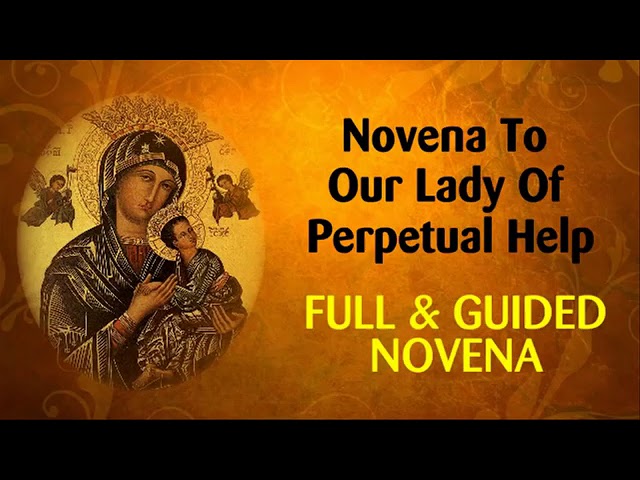
our lady of perpetual help baclaran prayer
For millions of devotees in the Philippines and around the world, the our lady of perpetual help baclaran prayer is a steady anchor of hope. Centred on the beloved icon of Our Mother of Perpetual Help and nourished by a weekly novena in the bustling district of Baclaran, this devotion blends heartfelt petitions with deep trust in Mary’s intercession. Whether you are planning to visit the National Shrine, joining the novena online, or praying from home, this guide explains what the our lady of perpetual help baclaran prayer is, why it matters, and how you can enter into it with confidence and peace.
In what follows, you will find the history and meaning of the devotion, the structure of the novena, practical steps for praying, and gentle tips to avoid common pitfalls. We will also share reliable resources so you can explore the roots of the our lady of perpetual help baclaran prayer more deeply and make it part of your regular spiritual life.
What is the our lady of perpetual help baclaran prayer?
At its heart, the our lady of perpetual help baclaran prayer refers to a set of prayers and hymns offered in honour of Mary under the title “Our Mother of Perpetual Help.” In Baclaran, Metro Manila, this devotion is celebrated most visibly through the Wednesday novena at the National Shrine of Our Mother of Perpetual Help, often simply called Baclaran Church. The novena gathers thousands who bring petitions for healing, work, family, guidance, and gratitude, entrusting their needs to God through the intercession of Mary.
The prayer is not a single fixed text only. Rather, it is a living tradition that includes common novena prayers, litanies, thanksgivings, and free, personal petitions. While the words vary in different places and languages, three constant themes shine through the our lady of perpetual help baclaran prayer: trust in God’s mercy, closeness to Christ, and confidence in Mary’s motherly care.


Where the devotion came from: history and meaning
The devotion to Our Mother of Perpetual Help centres on a renowned icon in the Byzantine style. According to widely shared tradition, the icon came from Crete and was brought to Rome in the late 15th century. In 1866, Pope Pius IX entrusted the icon to the care of the Redemptorists with the request to “make her known.” For background on the icon and its symbolism, see the summary at the Our Lady of Perpetual Help article, and for an overview of the congregation that spread the devotion worldwide, consult the Redemptorists’ history.
In the Philippines, the devotion took particularly deep roots. The National Shrine in Baclaran became the focal point after a copy of the icon was enshrined there in the mid-20th century. The Wednesday novena began in the late 1940s and grew rapidly, with waves of worshippers arriving throughout the day. For the shrine’s background and cultural impact, you can explore the National Shrine of Our Mother of Perpetual Help.
Theologically, the title “Perpetual Help” highlights Mary’s ongoing role in drawing us closer to Christ. In the icon, the Child Jesus clings to his mother, while angels display the instruments of his Passion. The symbolism points not to Mary in isolation, but to Jesus’ saving love, and to the comfort Mary offers as we journey, sometimes anxiously, towards God. This is the heart of the our lady of perpetual help baclaran prayer: a steady, compassionate companionship that directs every believer towards Christ.
Key elements of the our lady of perpetual help baclaran prayer
1) Themes woven through the novena
- Trust in God’s mercy: The prayer fosters confidence that God listens and acts.
- Intercession of Mary: As Mother, Mary carries our petitions to her Son.
- Gratitude and testimony: Thanksgivings are as important as petitions.
- Conversion of heart: The our lady of perpetual help baclaran prayer invites us to grow in love, humility, and service.
2) Common parts you will encounter
- An opening hymn or invocation to Our Mother of Perpetual Help.
- Petitions and supplications read aloud or silently, often including personal letters.
- Thanksgiving prayers, witnessing to perceived answers to prayer.
- Litanies and responses that the assembly recites together.
- A final prayer and blessing, sometimes followed by the Eucharist.
Not every novena uses the same exact wording, but the overall movement—from invoking Mary to offering petitions, expressing thanks, and committing to follow Christ—is common to the our lady of perpetual help baclaran prayer in many places.
How to pray the our lady of perpetual help baclaran prayer at home
Even if you cannot attend the Wednesday novena, you can still embrace the our lady of perpetual help baclaran prayer at home. The following simple structure respects the spirit of the devotion while letting you adapt it to your needs.
- Prepare a quiet space. A small table with a candle and an image of Our Mother of Perpetual Help can help you focus.
- Begin with an invocation. For example: “Mother of Perpetual Help, lead me to your Son, Jesus.”
- Offer your petitions. Speak plainly about your needs—health, family, work, studies, discernment—and include the needs of others.
- Pause in silent trust. Allow a minute or two of quiet to rest in God’s presence.
- Express thanksgiving. Name blessings from the past week, however small. Gratitude deepens confidence.
- Conclude with a commitment. Ask for grace to do what you can today in faith, hope, and charity.
The our lady of perpetual help baclaran prayer is not meant to be rushed. If helpful, take a single intention each day and keep a small notebook of petitions and thanksgivings. Over time, you will see patterns of grace that encourage perseverance.
If you appreciate structured devotions, you may also find the Chaplet of Divine Mercy a helpful complement to the our lady of perpetual help baclaran prayer. For an accessible overview, see Divine Mercy Chaplet prayer.
Attending the Baclaran novena in person
Visitors to the National Shrine are often struck by the steady flow of people—students, workers, families—making time to pray. If you plan to attend, try a Wednesday, when the novena is most fully observed. Arrive early, expect crowds, and participate reverently in the responses and hymns. If it is your first time, simply follow the assembly; the rhythm of the our lady of perpetual help baclaran prayer is easy to enter.
There is no dress code beyond modesty and good sense, but remember you are entering a sacred space. Photography, if permitted, should be discreet. Above all, be attentive to those around you: Baclaran is as much a community of prayer as it is a place.
Sample wording and mindful variations
There are many published versions of the novena. If you do not have a booklet or handout, you can still pray in your own words while keeping to the devotion’s tone. Here is an example of a short, original prayer you can use at home:
“Mother of Perpetual Help, guide me to your Son. In my worries and in my hopes, keep me close to Jesus. I entrust to you my family, my work, and all who suffer. Teach me to receive God’s mercy and to share it each day. Amen.”
Short prayers like this can be added before or after the standard texts. What matters is sincerity and the intention to let the our lady of perpetual help baclaran prayer draw you into deeper union with Christ.
Scripture, silence, and action
To enrich your practice, combine the our lady of perpetual help baclaran prayer with short passages from the Bible. A verse such as “The Lord your God is in your midst… He will rejoice over you with gladness” can sustain hope on difficult days. For reflection, see Zephaniah 3:17 reflection. After reading a verse, rest in silence and let the words sink in.
Finally, allow prayer to shape action. If you have asked for help reconciling with someone, take a small step—send a message, propose a call. If you have prayed for the poor, consider donating or volunteering. The more we act in charity, the more naturally the our lady of perpetual help baclaran prayer becomes part of daily life.
Common mistakes to avoid
- Treating prayer like a transaction. God’s love is not a bargain. The our lady of perpetual help baclaran prayer is about relationship, not superstition.
- Forgetting thanksgiving. Gratitude completes the circle of prayer; it strengthens trust and humility.
- Neglecting Scripture and silence. The novena gains depth when grounded in the Word and quiet listening.
- Separating prayer from action. Be ready to do your part—seeking advice, making amends, or serving others.
Helpful context and external references
If you would like to read more about the tradition that shaped the our lady of perpetual help baclaran prayer, the following resources provide reliable background:
- Overview of the Our Lady of Perpetual Help icon and devotion
- History of the National Shrine in Baclaran
- Who the Redemptorists are and how they spread the novena
- Vatican Directory on Popular Piety and the Liturgy
These materials help situate the Baclaran novena within the broader story of Marian devotion and Catholic popular piety. They also deepen appreciation for how the our lady of perpetual help baclaran prayer points consistently to Christ.
Related articles
Frequently asked questions about our lady of perpetual help baclaran prayer
Is the novena the same as the Mass?
No. The novena is a devotional service of prayers and hymns honouring Our Mother of Perpetual Help, while the Mass is the central liturgy of the Church. Many people attend the novena and then stay for Mass, allowing the our lady of perpetual help baclaran prayer to prepare their hearts for the Eucharist.
Do I have to be Catholic to pray the novena?
Anyone is welcome to pray. The language and structure come from Catholic tradition, but the intentions—asking God’s help, giving thanks, and seeking to follow Christ—are universal. If you are new, simply join respectfully and let the words carry you.
Is the icon necessary to pray?
An icon is not strictly required, but many find that praying before an image of Our Mother of Perpetual Help helps them focus. If you cannot access an icon, a simple cross or candle is fine; the essence of the our lady of perpetual help baclaran prayer is your heartfelt trust in God.
When is the best time to pray the novena?
In Baclaran, Wednesdays are traditional. At home, choose a time you can keep regularly—a few minutes in the morning, during lunch, or before bed. Consistency matters more than the exact time.
What should I do if I feel distracted?
Distractions are normal. Begin with a short pause and a deep breath. If thoughts wander, gently return to a single line, such as “Mother of Perpetual Help, keep me close to Jesus.” Regular practice will make the our lady of perpetual help baclaran prayer feel more natural over time.
How do I balance petitions and thanksgiving?
One simple approach is to pair each petition with a thanksgiving. For example, after asking for healing, thank God for the strength given so far, the care of others, or a recent improvement. This keeps the our lady of perpetual help baclaran prayer grounded in hope.
Conclusion on our lady of perpetual help baclaran prayer
Rooted in a centuries-old icon and nourished by a living community of faith, the our lady of perpetual help baclaran prayer invites us to approach God with trust, to ask boldly, and to give thanks sincerely. Its rhythm—invocation, petition, silence, and gratitude—fits daily life, whether you stand among the crowds in Baclaran or whisper a prayer at your kitchen table.
If you choose to make this devotion your own, begin simply. Keep a short list of intentions, set aside regular time, and allow Scripture and silence to shape your words. The more you practise, the more you will sense how the our lady of perpetual help baclaran prayer draws you towards Christ’s mercy and strengthens you to act with compassion.
As the Redemptorists have long encouraged, make Mary “known” by living her virtues—faith, courage, and tender care for those in need. In doing so, the our lady of perpetual help baclaran prayer becomes more than words: it becomes a way of being present to God and neighbour, day by day.
May Our Mother of Perpetual Help keep you close to Jesus, and may your petitions, offered with gratitude, bear good fruit in your life and in the lives of those you love.
