Non-Denominational: 7 Ways to Elevate Your Spiritual Journey
Understanding Non-Denominational Practices
Non-denominational refers to practices or beliefs that are not restricted to any particular religious denomination. This term is often associated with religious services, communities, and teachings that aim to transcend specific sects, ultimately fostering an inclusive environment that welcomes individuals from various backgrounds.
The significance of non-denominational practices lies in their focus on unity among diverse beliefs rather than strict adherence to traditional denominational doctrines. Here are a few key points to consider:
- They often emphasize personal spirituality over dogma.
- Participants may share a common interest in the teachings of Jesus Christ without conforming to specific church traditions.
- Non-denominational organizations may operate independently, allowing for greater flexibility in beliefs and practices.
- This approach can foster community and connection amongst individuals with varying religious histories.
Historical Context of Non-Denominational Movements
The roots of non-denominational practices can be traced back to the early reform movements within Christianity. During the Reformation, numerous groups sought to challenge the established structures of religious authority, leading to a rise in Protestant sects. These groups often placed emphasis on personal faith, scriptural interpretation, and a direct relationship with God, rather than adhering to institutionalized religious frameworks.
In the 20th century, the rise of the non-denominational Christian movement became more pronounced, particularly in the United States. Churches began to emerge that rejected denominational ties while focusing on a sense of community and collective worship. This trend allowed for a diverse array of worship styles, belief systems, and theological interpretations that appealed to a broader audience.


In response to the growing secularization and religious pluralism around the world, many individuals have gravitated towards non-denominational communities, seeking a more adaptable faith that reflects their personal beliefs.
The rise of technology and the internet further contributed to non-denominationalism, offering new platforms for individuals to explore spirituality. Online communities and digital resources made it easier for individuals to engage with diverse teachings without the restrictions of traditional denominations.
Characteristics of Non-Denominational Churches
Non-denominational churches often possess distinctive characteristics that set them apart from traditional denominations. Unlike denominational churches that follow specific theological doctrines and governance structures, non-denominational churches prioritize flexibility and adaptability.
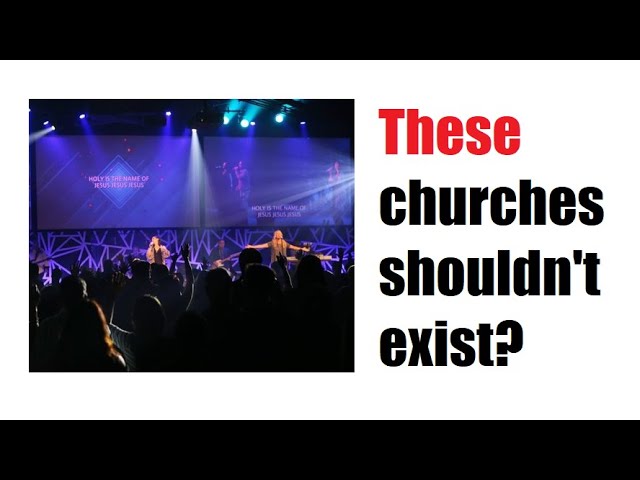
One notable feature is the focus on contemporary worship styles, which may include modern music, informal settings, and a casual atmosphere that welcomes newcomers. This approach creates an inviting environment where participants feel comfortable expressing their spirituality.
Another characteristic of non-denominational churches is their emphasis on biblical teachings without rigid interpretations. Leaders often encourage congregants to engage directly with the scriptures and develop personal understandings of faith.
Additionally, non-denominational churches may promote community involvement, encouraging congregation members to participate in outreach programs and social services. This commitment to service fosters a sense of belonging and purpose within the church community.
Benefits of Non-Denominational Faith Communities
Many individuals find numerous benefits in engaging with non-denominational communities. One key advantage is the acceptance of diverse beliefs and practices among congregants, allowing for a more inclusive environment. This acceptance often leads to meaningful conversations and mutual understanding among participants.
Moreover, the flexibility of non-denominational congregations can be appealing. Members are often encouraged to explore their spirituality without the constraints of strict doctrinal expectations, fostering personal growth and exploration.
The community aspect of non-denominational churches plays a significant role in attracting individuals. Many find a strong sense of belonging and connection within these groups, as they often prioritize personal relationships over formal religious practices.
Furthermore, the emphasis on service and outreach often means that involvement in a non-denominational church translates to opportunities to contribute positively to the surrounding community, aligning faith with actionable service.
The Role of Non-Denominational Churches in Modern Society
Non-denominational churches play an increasingly significant role in modern society, especially in urban areas where individuals might seek spiritual connection amidst a fast-paced lifestyle. These churches provide a space for worship and community that may not align with traditional religious practices.
In many cases, non-denominational congregations draw in younger generations who are exploring spirituality in new ways. The inclusive and modern approach to faith often resonates with millennials and Gen Z, who may prefer environments that allow for questioning and personal interpretation.
Additionally, non-denominational churches frequently engage with contemporary social issues. Many are proactive in addressing topics like social justice, poverty, mental health, and environmental concerns, often mobilizing resources and community members to create positive change.
This adaptability to societal trends has allowed non-denominational movements to stay relevant and maintain a significant presence within the religious landscape. By focusing on both faith and action, these churches inspire their congregants to lead purposeful lives that reflect their beliefs.
Challenges Faced by Non-Denominational Churches
Despite the benefits, non-denominational churches often face challenges unique to their structure. One significant challenge is the lack of formal governance or oversight, which can lead to inconsistencies in doctrine and church practices. This variance can create confusion among congregants regarding the church’s teaching and objectives.
Moreover, the reliance on charismatic leadership in many non-denominational settings can be a double-edged sword. While strong leaders can attract and motivate church members, dependency on individual personalities may pose risks if leaders leave or face scandals.
Financial sustainability is another concern for non-denominational organizations, especially those that lack a denominational support system. Fundraising and maintaining financial health can be challenging, particularly for newer congregations trying to establish themselves.
Furthermore, as many non-denominational churches often appeal to seekers and those disillusioned by traditional churches, they may struggle with retention. Ensuring long-term commitment from attendees can be difficult in a transient society where individuals frequently move or change lifestyles.
Frequently Asked Questions about Non-Denominational Beliefs
What is a non-denominational church?
A non-denominational church is a Christian congregation that is not affiliated with any specific denomination. These churches prioritize personal faith and community over strict doctrinal teachings, creating an inclusive environment for worship.
How can non-denominational faith help individuals?
Non-denominational faith allows individuals to explore their spirituality without the constraints of specific denominational doctrine. This flexibility can foster personal growth, community engagement, and enhanced understanding of one’s faith journey.
Are non-denominational churches only for Christians?
While non-denominational churches primarily focus on Christian teachings, they often welcome individuals from diverse spiritual or religious backgrounds. The aim is to create a worship environment that encourages open exploration of faith.
How do non-denominational churches handle different beliefs within their congregations?
Many non-denominational churches encourage dialogue and understanding of various beliefs, promoting tolerance and respect within the community. This inclusiveness allows members to connect on shared values while celebrating their differences.
Where can I find a non-denominational church?
Finding a non-denominational church can often be done through online searches or social media platforms. Many lists and resources are available that provide information about local non-denominational options, allowing individuals to connect with communities that align with their spiritual journeys.
Significance of Non-Denominational Churches
Understanding Non-Denominational Churches
The term non-denominational refers to a type of church or religious movement that operates independently of established denominations. Non-denominational churches have grown in popularity, especially in recent decades, appealing to individuals seeking a more personalized spiritual experience. Below, we will explore the key aspects of non-denominational churches, their beliefs, and their impact on modern spiritual life.
Historical Background of Non-Denominational Movements
Non-denominational churches emerged in the United States during the 20th century, responding to the increasing desire for a faith experience free from traditional denominational structures. Many of these movements aimed to cultivate a sense of community based on shared beliefs rather than adherence to rigid doctrines.
Historically, this approach can be traced back to the Second Great Awakening, a revitalization movement in the early 19th century that emphasized personal faith and emotional experience over institutional theology. As various revivals took place, many congregants began to form independent churches rooted in the idea of returning to the basics of Christianity.
The Rise of Non-Denominational Churches in the 20th Century
As the 20th century progressed, the concept of non-denominational Christianity continued to evolve. The post-World War II era witnessed a marked increase in independent churches that sought to address the spiritual needs of a growing and diverse population. Such churches often emphasized contemporary worship styles and community-oriented activities, facilitating a more approachable environment for congregants.
Media was also pivotal in the proliferation of non-denominational churches. Television evangelists, such as Billy Graham, began to reach vast audiences, promoting messages that transcended specific denominational lines. These efforts spurred the interest in independent congregations, drawing individuals who preferred a more accessible worship experience.
Beliefs and Practices in Non-Denominational Churches
While non-denominational churches can vary significantly in beliefs, there are common themes that define many of these communities. Central to their theology is the emphasis on direct personal relationships with God, often facilitated by more informal worship settings and innovative communication methods.
Many non-denominational congregations prioritize teaching from the Bible, approaching scripture as the primary guide for faith and practice. This focus encourages members to engage with the text personally rather than relying on interpretive traditions established by a denominational framework.
Worship Style and Community Involvement
The worship style in non-denominational churches is often contemporary, incorporating modern music and multimedia elements aimed at engaging congregants effectively. This approach fosters participation and encourages a sense of belonging among individuals from various backgrounds.
Moreover, community involvement is central to the mission of many non-denominational congregations. They often engage in outreach programs, charitable initiatives, and social justice efforts that resonate with their communities, reflecting a commitment to living out faith in practical ways.
Key Differences Between Non-Denominational and Denominational Churches
The differences between non-denominational and denominational churches are notable. Primarily, denominational churches are part of larger organizations with structured governance, established doctrines, and specific traditions. In contrast, non-denominational churches operate independently, allowing for greater flexibility in their beliefs and practices.
Leadership Structure
In denominational settings, leadership is often hierarchical, governed by bishops or other ecclesiastical authorities. Non-denominational churches typically have more egalitarian structures, with pastors or leaders who may be more accessible and accountable to their congregations. This variance allows non-denominational leaders to adapt quickly to the needs of their members.
Theological Flexibility
While denominational churches may adhere to established creeds and doctrines, non-denominational churches often embrace theological diversity. This flexibility allows congregations to explore various interpretations of biblical texts, engage in discussions on controversial subjects, and develop personalized faith journeys.
Demographics and Appeal of Non-Denominational Churches
Research indicates that non-denominational churches have attracted a diverse array of congregants, particularly younger generations desiring an authentic and relatable spiritual experience. This demographic shift marks a departure from traditional denominational affiliations.
Younger Generations and Non-Denominationalism
Younger individuals, particularly Millennials and Gen Z, have shown increased interest in non-denominational churches. Many feel alienated by the rigidity associated with some traditional denominations, favoring communities that prioritize open dialogue, inclusivity, and social relevance.
Consequently, non-denominational churches often focus on creating welcoming environments that resonate with contemporary issues. From engaging sermons to community service projects, these congregations strive to foster a sense of belonging for all who attend.
Non-Denominational Growth Trends
The growth of non-denominational churches reflects broader trends in spirituality and religious affiliation. According to studies, a significant portion of the American population identifies as religiously unaffiliated or “nondenominational.” This shift demonstrates an evolving landscape of faith that transcends traditional boundaries.
Moreover, many non-denominational churches harness technology to reach wider audiences, using social media, live streaming, and podcasts to connect with those seeking spiritual nourishment beyond physical walls.
Challenges Faced by Non-Denominational Churches
Despite their appeal, non-denominational churches face unique challenges. One significant concern is the potential for theological inconsistency among congregations. The lack of established oversight can lead to divergent beliefs and practices that may confuse congregants.
Maintaining Unity and Identity
As non-denominational churches grow in popularity, maintaining a cohesive identity becomes paramount. Many congregations struggle to balance diverse theological perspectives while fostering a unified community that aligns with their mission and vision.
This challenge often necessitates ongoing dialogue and intentional leadership development to ensure all congregants feel valued while maintaining the core tenets of their shared faith.
Attracting and Retaining Members
In the fast-paced world of modern life, non-denominational churches must continuously engage and retain members. New congregants may seek connections through small groups or church events; however, maintaining these relationships can prove challenging, particularly as people have competing demands on their time.
To address this, many non-denominational churches prioritize relational ministry, encouraging members to forge authentic connections and foster community engagement. They often provide various programs and resources to help facilitate this sense of belonging.
Future Directions for Non-Denominational Churches
As the landscape of spirituality continues to evolve, non-denominational churches are likely to adapt and thrive. Many congregations are prioritizing outreach and engagement to remain relevant in an increasingly diverse and interconnected world.
Embracing Technology and Innovation
Future directions for non-denominational churches may include further integration of technology in worship and community life. Many congregations are leveraging digital tools to communicate with members and share their messages with a broader audience. This embrace of technology can create additional avenues for spiritual engagement.
Moreover, innovative worship formats such as online services and hybrid gatherings are becoming increasingly common, allowing congregations to reach individuals who may not have otherwise attended a physical service.
Fostering Global Connections
Additionally, as the world becomes more globalized, non-denominational churches are well-positioned to facilitate connections across cultures and communities. By promoting missions and outreach that transcend borders, they can foster a sense of shared purpose and responsibility among congregants.
This ethos of collaboration and connection will enable non-denominational churches to engage effectively with diverse issues impacting society today, including social justice, poverty alleviation, and environmental stewardship.
Frequently Asked Questions about Non-Denominational Churches
What is a non-denominational church?
A non-denominational church is a Christian congregation that operates independently of established denominations. These churches often emphasize personal relationships with God and flexibility in worship practices.
How does a non-denominational church differ from traditional churches?
Unlike traditional churches that adhere to specific denominational practices and beliefs, non-denominational churches offer more flexibility in their theology and worship styles. They often prioritize community engagement and contemporary forms of worship.
What do non-denominational churches believe?
Non-denominational churches typically adhere to fundamental Christian beliefs, including the authority of the Bible, the divinity of Jesus Christ, and the importance of personal faith. However, they may differ in specific doctrines and practices.
How are non-denominational churches governed?
Governance in non-denominational churches can vary widely, but many have more egalitarian structures compared to traditional denominations. Pastors often play a vital role in decision-making, working closely with church members to ensure accountability.
Are non-denominational churches growing?
Yes, non-denominational churches have seen significant growth in recent years, appealing particularly to younger generations seeking authentic spiritual experiences outside traditional denominational constraints.
What challenges do non-denominational churches face?
Some challenges faced by non-denominational churches include maintaining theological unity, attracting and retaining members, and ensuring effective community engagement amid changing societal dynamics.
As society continues to evolve, non-denominational churches adapt to address contemporary spiritual needs, reflecting their unique approach to faith and community involvement.
Additional Resources on Non-Denominational Churches
For further reading on the subject of non-denominational churches, you may explore the following authoritative sources:
- Wikipedia: Non-denominational
- The Gospel Coalition
- Christianity Today
- Pew Research Center on Religion
- Church Leadership Resources
The Benefits of a Non-Denominational Approach
In an increasingly diverse world, understanding the concept of non-denominational practices can enrich personal beliefs and foster community connection. Here, we will explore what non-denominational means, its historical context, and its implications in various aspects of life.
Defining Non-Denominational
Non-denominational refers to religious organizations, practices, or beliefs that do not belong to a specific denomination of faith. Often associated with Christianity, this term applies to various faiths that emphasize personal faith over institutional affiliation. Individuals who identify as non-denominational are typically open to various interpretations and practices that transcend traditional boundaries.
This flexibility allows for a broader spectrum of worship and community engagement. Many congregations adopt a non-denominational status to focus on a more universal approach to spirituality rather than adhere strictly to doctrinal issues that define particular denominations.
The rise of non-denominational churches in recent decades reflects a societal shift towards inclusivity in spiritual practices. This shift is evident in the increase of houses of worship that prioritize personal faith journeys over formal affiliations.
The Historical Context of Non-Denominational Practices
Historically, the term non-denominational grew in prominence with the rise of the Protestant Reformation in the 16th century, which challenged the hierarchical structures of the Catholic Church. Over time, numerous sects and denominations emerged, and some individuals began advocating for a more flexible framework of worship that emphasizes personal interpretation.
The emergence of non-denominational congregations in the late 20th century marked a significant trend in American religious life. These congregations typically incorporate contemporary worship styles, utilizing music and preaching that resonate with modern audiences.
Understanding the historical trajectory of non-denominational church movements also illustrates the evolution of spirituality in a multicultural landscape. This context enriches our understanding of how these communities operate today, shaping their beliefs and practices accordingly.
Non-Denominational vs. Denominational Approaches
Many individuals encounter the choice between non-denominational and denominational faith communities. The primary difference lies in the structure and rigidity of beliefs. Denominational churches adhere to specific doctrines and practices, while non-denominational gatherings often welcome varying interpretations of spirituality.
This openness allows for a more diverse congregation, as individuals from diverse backgrounds come together with a shared focus on faith, rather than divisive ideologies. As a result, non-denominational communities may foster dialogues about spirituality that are more inclusive.
Moreover, research shows that non-denominational churches often emphasize contemporary relevance through modern worship styles, community involvement, and the application of biblical teachings in daily life decisions. This approach appeals to those who might feel alienated by traditional practices.
Practical Applications of Non-Denominational Beliefs
In real-world scenarios, non-denominational practices can manifest in various ways. For instance, many non-denominational churches focus on community outreach and service, addressing local needs through charitable activities. By promoting values like compassion and kindness over strict dogma, they make significant societal contributions.
Additionally, congregations often encourage individual exploration of spirituality. Personal Bible study groups and open discussions allow members to share insights and experiences without the constraints of formal doctrine. This encourages deeper faith development and personal growth.
For many, participating in a non-denominational setting feels less like conforming to a doctrine and more like embarking on a journey of spiritual exploration with fellow seekers.
How Non-Denominational Communities are Growing
The growth of non-denominational groups reflects broader cultural shifts towards social connectivity and inclusivity. Statistics indicate an increase in the number of people identifying as non-denominational, which corresponds with changing perspectives on traditional religious beliefs.
Younger generations, in particular, are searching for spiritual experiences that resonate with their values. Many find that non-denominational practices align with their desire for authentic relationships and community support.
The use of technology has further propelled the growth of non-denominational communities. Online services, social media engagement, and virtual discussions allow members to connect broadly, transcending geographical limits.
Non-Denominational Arts and Culture
Beyond worship, non-denominational influences extend into the arts and culture. Music, literature, and visual arts often embrace a spiritual essence that resonates regardless of specific religious affiliations. Many artists identify with non-denominational ideas, creating works that speak to broader human experiences and shared values.
This blending of spirituality and creativity can result in powerful expressions that facilitate conversations about faith, unity, and understanding across various cultural landscapes. Art festivals that celebrate non-denominational themes often attract diverse audiences, further promoting community involvement.
Frequently Asked Questions about Non-Denominational Practices
What is the primary focus of non-denominational churches?
The primary focus of non-denominational churches is to create an inclusive environment that prioritizes personal faith journeys over specific doctrines. They often promote community engagement, modern worship practices, and open discussions about spirituality.
Can someone be spiritual without being part of a denomination?
Yes, many individuals find fulfillment in exploring their spirituality outside the confines of a specific denomination. The non-denominational approach encourages personal exploration and can be a fulfilling path for spirituality.
Why are non-denominational communities becoming more popular?
Non-denominational communities are increasingly popular due to their inclusive nature and flexibility. Younger generations seek authentic spiritual experiences that reflect their values, which aligns well with the non-denominational framework.
How does non-denominational worship differ from traditional worship?
Non-denominational worship typically incorporates modern music, contemporary preaching, and informal settings. This approach contrasts with traditional worship, which may involve formal liturgies and specific denominational practices.
What resources are available for those exploring non-denominational beliefs?
There are numerous resources available for exploring non-denominational beliefs, including books, online forums, and community groups. Many non-denominational churches also offer study materials and support networks to assist individuals on their spiritual journeys.
The Future of Non-Denominational Beliefs
As society evolves, the future of non-denominational beliefs also appears bright. With technological advancements and a growing emphasis on inclusivity, non-denominational communities may continue to thrive and attract a diverse array of participants. The emphasis on shared human experiences rather than specific dogmatic interpretations fosters a sense of belonging and connection that transcends traditional boundaries.
Furthermore, global interconnectedness allows non-denominational communities to engage with various cultures and beliefs more than ever. The resulting exchanges can enrich spiritual practices, fostering mutual respect and understanding.
Ultimately, the non-denominational approach can serve as a catalyst for deeper dialogues around faith, spirituality, and community engagement in a multicultural landscape.
