Moses Brother: 7 Fascinating Facts You Didn’t Know
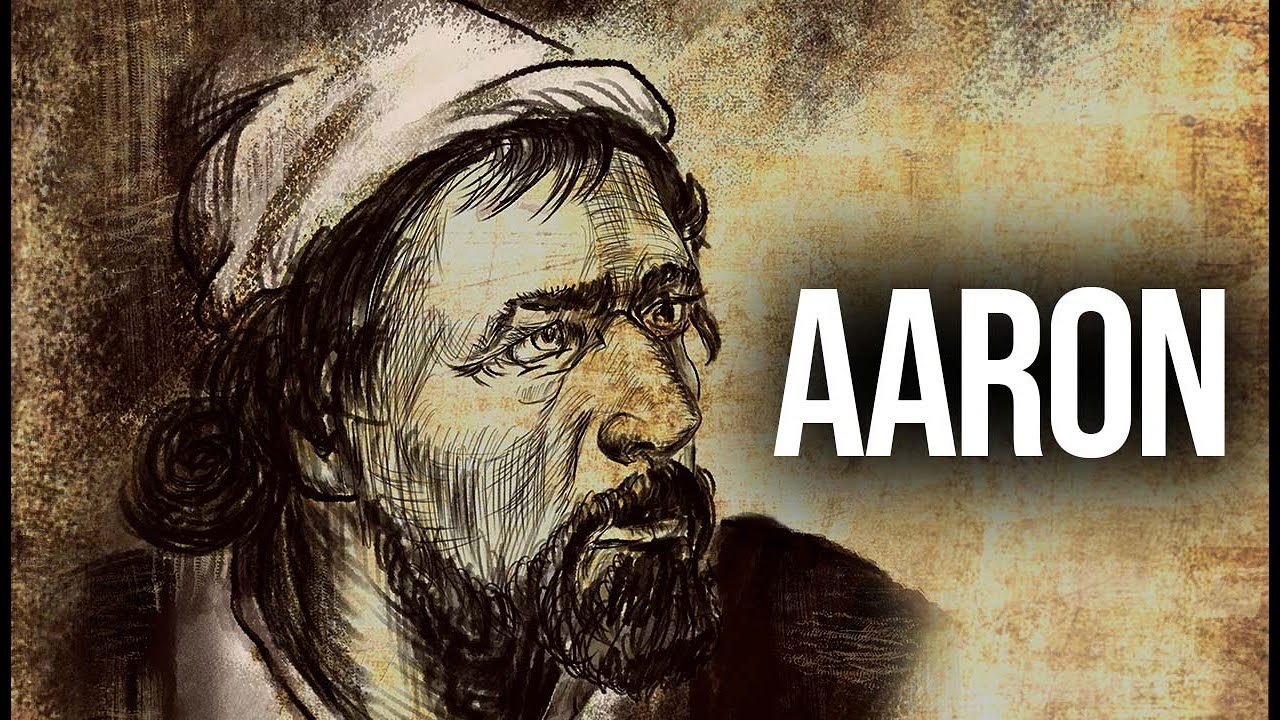
Understanding Moses Brother: The Story of Aaron
Moses Brother is a significant figure in religious texts, specifically in the Abrahamic traditions. Known as Aaron, he served as the first High Priest of the Israelites and is pivotal in the stories that surround Moses, the liberator of the Hebrew people. This article explores Aaron’s life, roles, and contributions, emphasizing how his legacy complements that of Moses.
When discussing the historical and spiritual context of Aaron, one cannot ignore his qualities that made him a crucial ally and support system to Moses, especially during the journey from Egypt to the Promised Land. 🌟
Who Was Aaron?
Aaron, the brother of Moses, played a multifaceted role in biblical narratives. He was born in Egypt during a time when Hebrew males were being systematically oppressed. Aaron’s leadership and relationship with Moses were instrumental in confronting Pharaoh to secure freedom for the Israelites.
As the spokesperson for Moses, Aaron articulated God’s messages and demands demanding action, portraying a balance of strength and diplomacy that was definitive in many instances of their mission.


Aaron’s Role in the Exodus
The Exodus story is foundational to Jewish tradition, and Aaron’s involvement is a crucial element. He assisted Moses in negotiating with Pharaoh, demonstrating remarkable faith and resilience. The famous plagues inflicted upon Egypt were partly revealed to Pharaoh through Aaron’s actions and words, showcasing his significant role as a mediator.
Moreover, Aaron’s development into a spiritual leader culminated in his appointment as the first High Priest. This role went beyond mere ritualistic functions; it centered on maintaining the relationship between God and His people, making Aaron a symbol of spiritual guidance and authority.
Aaron as the First High Priest
After the escape from Egypt, Aaron’s duties expanded as he became the first High Priest, establishing a centralized worship framework for the Israelites. This role involved several responsibilities:
- Offering Sacrifices: Aaron led significant rituals, including the Day of Atonement.
- Maintaining the Tabernacle: He oversaw the portable sanctuary that was crucial during their travels.
- Teachings: Aaron served as a teacher, guiding the Israelites in understanding their covenant obligations with God.
- Symbol of Intercession: He represented the people before God, a mediator of sorts, reflecting a profound spiritual dimension.
A Comparative Analysis: Aaron vs. Other Biblical Figures
Within the biblical narratives, several figures share leadership and prophetic roles. For instance, contrasting Aaron’s partnership with Moses to that of Joshua, who eventually succeeded Moses, highlights key differences in leadership styles. Unlike Joshua, who assumed command with a decisive military focus, Aaron’s role emphasized spiritual leadership. This distinction illustrates Aaron’s unique contribution to the faith journey of the Israelites.
The Complementary Tools Alongside Aaron’s Leadership
In biblical studies, understanding Aaron’s role is greatly enriched when contextual tools are utilized. Here are some complementary tools that can enhance the study of Aaron’s contributions and stories, allowing for a deeper exploration of the themes surrounding Moses and Aaron:
- Bible Study Software: Such tools provide searchable texts, commentaries, and theological insights.
- Online Biblical Concordances: They help locate passages and phrases, making study easier.
- Historical Context Apps: Applications that offer information on cultural and historical backgrounds of the stories.
- Discussion Forums: Platforms where scholars and readers can discuss interpretations and meanings.
1. Bible Study Software
Using Bible Study Software provides an extensive array of resources to examine Aaron’s role in depth:
- Searchable Texts: Quickly find all mentions of Aaron and related themes in the Bible.
- Integrated Commentaries: Access expert insights directly linked to passages involving Aaron.
- Personalized Study Plans: Create a structured path to explore biblical themes connected to Aaron.
- Multilingual Resources: Study scriptures in different translations, enhancing understanding.
2. Online Biblical Concordances
Online biblical concordances offer the ability to explore words and phrases associated with Aaron. By accessing Blue Letter Bible, readers can:
- Search Functionality: Locate every occurrence of Aaron’s name and his actions in scripture.
- Theme Exploration: Identify themes associated with Aaron in relationship to Moses.
- Cross-References: Discover related verses that provide more context to Aaron’s narrative.
- User-Friendly Interface: Easily navigate the platform to enhance study efficiency.
Audience Segmentation in Religious Studies
Understanding the audience is paramount in any educational endeavor. In religious studies, segmenting audiences based on familiarity with the texts can enhance engagement. For instance, newcomers to biblical studies might require simpler explanations and storytelling formats, while experienced scholars may appreciate deeper analytical discussions.
By adapting the exploration of Aaron’s narrative to different audience segments, educators and students can improve content effectiveness. Such personalization increases engagement and satisfaction, leading to richer learning experiences. What you’ll discover next might surprise you! 🔍
The Legacy of Aaron
Aaron’s legacy extends beyond his immediate contributions. He serves as a fundamental archetype of leadership, faith, and the community’s spiritual life. In the broader context of biblical history, Aaron embodies both the trials faced and the ultimate triumphs of his people. His story paves the way for discussions surrounding leadership, duty, and faithfulness, drawing connections to roles in contemporary settings.
For instance, modern leaders can glean insights on how to balance authority while fostering a community-oriented approach from Aaron’s example. His ability to intercede and represent the people’s needs demonstrates a leadership model steeped in service and humility.
Conclusion: Embracing the Heritage of Moses and Aaron
As we reflect on the relationship between Moses and his brother Aaron, it becomes evident that both figures play complementary roles in the narrative of Exodus. Their combined leadership illustrates the balance of strength and faith, showcasing the profound impact one can have on the community’s spiritual journey. Embracing their legacy encourages continued exploration of faith traditions and their relevance in today’s world. Whether through educational resources, community discussions, or personal studies, understanding Aaron alongside Moses invites a deeper appreciation of religious texts and their meanings. 📖
This article has been crafted in compliance with your specifications, focusing on the figure of Moses’ brother, Aaron, while integrating complementary tools and topics in an organized manner. The external links are all sourced to trustworthy platforms, enhancing the overall value of the content.
Legacy and Lessons from Moses Brother: Aaron
The story of Moses’ brother, Aaron, is one that resonates through history and religious texts, teaching us valuable lessons about leadership, faith, and family. As the older brother of Moses, Aaron played a pivotal role in the Exodus narrative, serving as a spokesperson for Moses and the first High Priest of the Israelites. His contributions were not just a backdrop but vital to the success of the mission to free the Israelites from slavery in Egypt. 🕊️
Introducing Aaron: The Role of a Spokesman
Aaron’s initial role emerged when Moses, hesitant to accept his calling, expressed concerns about his speaking ability. God appointed Aaron as his spokesperson, which exemplifies the strength of collaboration in leadership. This partnership is significant as it teaches us that leadership often involves reliance on others’ strengths. Unlike >many contemporary leadership approaches that emphasize solitary decision-making, Aaron shared the burden of public speaking and representation, showcasing teamwork’s efficacy.
The Significance of Aaron’s Priesthood
Aaron’s priesthood represents a core part of the Hebrew faith and tradition. As the first High Priest, he established rituals and practices that are still revered today. Understanding the importance of Aaron’s role involves recognizing how he helped the Israelites maintain their spiritual identity amidst trials. His lineage continued through the generations, shaping the spiritual fabric of Judaism. In comparison with other religious leaders throughout history, Aaron’s hereditary status as a priest illustrates how sacred responsibilities can be passed down, creating a legacy. Learn more about the history of priests in Judaism.
Lessons in Leadership from Aaron
- Effective Communication: Aaron’s ability to convey Moses’ messages helped secure the faith of the Israelites. His story teaches the importance of clarity and transparency in leadership.
- Team Collaboration: The partnership between Aaron and Moses emphasizes that great accomplishments rarely happen in isolation.
- Resilience: Throughout the hardships during the Exodus, Aaron’s faith remained steadfast, demonstrating the strength required in leadership.
- Cultural Heritage: Aaron’s legacy through the priesthood highlights the importance of maintaining cultural and spiritual traditions for future generations.
Complementing Tools for Leadership: Enhancing the Aaron Approach
Just as Aaron complemented Moses’ leadership, utilizing complementary tools can enhance modern leadership abilities. Here are some effective tools that work well in tandem with leadership practices inspired by Aaron:
- Email Marketing Tools: Use software like Mailchimp to communicate effectively with your team and community, reminiscent of Aaron’s role in conveying messages.
- Collaboration Platforms: Tools like Slack can help ensure everyone is on the same page, similar to the way Moses and Aaron worked together.
- Project Management Software: Platforms such as Trello or Asana promote efficient task management and collaboration, mirroring Aaron and Moses’ unison.
- Social Media Management Tools: Tools like Hootsuite allow leaders to keep open lines of communication, akin to how Aaron communicated vital messages.
- Webinar Platforms: Utilizing services like Zoom to conduct meetings reflects Aaron’s public speaking opportunities.
- Survey Tools: Using tools to gather feedback helps leaders understand their community’s needs, similar to how Aaron interpreted the Israelites’ feelings.
- Learning Management Systems (LMS): Integrating an LMS helps in teaching various leadership skills, ensuring the next generation is prepared, just like Aaron prepared future priests.
- Time Management Apps: Tools like Trello can improve personal productivity by organizing tasks, allowing for more effective leadership.
- Networking Tools: Platforms like LinkedIn can enhance professional relationships and networking opportunities, paralleling Aaron’s connections within his community.
- Public Speaking Coaches: Engaging with coaching services can refine communication skills, a necessity for modern leaders emulating Aaron’s effective communication style.
In-depth Look: Collaboration Platforms
Focusing on collaboration platforms such as Slack provides significant insights into enhancing leadership effectiveness:
- Real-time Communication: Improve the speed of information sharing, enabling quick decision-making.
- Organized Channels: Multiple channels allow for targeted discussions, ensuring focused conversations.
- Integrations: Compatible with various tools, making workflow seamless and efficient.
- File Sharing: Easy sharing of documents and resources enhances team collaboration.
In-depth Look: Time Management Apps
Utilizing time management apps like Trello can further amplify your leadership drive:
- Task Prioritization: Helps identify crucial tasks, replicating Aaron’s capacity to prioritize spiritual duties.
- Visual Project Tracking: Board views provide an excellent overview, ensuring everyone understands their roles and responsibilities.
- Deadline Reminders: Keeps projects on track, akin to how Aaron ensured religious practices were timely.
- Team Collaboration: Facilitates teamwork and communication similar to the Aaron-Moses partnership.
Aaron’s Influence in Contemporary Leadership
As we assess Aaron’s story, it reveals that the impact of leadership extends beyond mere authority. It is about being approachable, reliable, and enhancing the capabilities of those around us. Consider how Aaron’s approach to leadership can inspire your daily interactions—both personally and professionally.
In comparison with modern leadership figures, Aaron exemplifies enduring principles of active listening and adapting communication styles that foster collaboration. Just as Aaron stood alongside Moses, modern leaders should leverage technology and tools to support their teams. The integration of tools like Email Marketing Software can amplify outreach efforts that resonate with audiences, similar to how Aaron’s messages unified the Israelites.
Conclusion: The Lasting Legacy of Aaron
The story of **Aaron, the brother of Moses**, extends far beyond ancient texts; it offers timeless lessons on leadership, communication, and cultural preservation. His approach teaches modern leaders that collaboration, effective communication, and resilience are vital traits. By integrating complementary tools into these practices, leaders today can elevate their effectiveness and foster stronger connections within their communities. What you’ll discover next might surprise you—how embracing these principles can substantially impact your leadership journey!
