Mammon: essential, complete guide to origins, meaning and use
mammon: meaning, origins, and relevance today
Few words capture the tension between money as a useful tool and wealth as a potential trap quite like mammon. Although the term comes from ancient religious texts, people still use mammon today to describe the unhealthy worship of riches, possessions and status. Understanding what mammon means, where it comes from, and how it shapes our choices can help anyone navigate modern life more wisely—especially in a consumer culture that constantly encourages us to want more.
In this guide, we explore the background of mammon, its presence in the Bible and later literature, and the ways it has been personified—as a vice, as a false god, and sometimes as a demon. We will also look at practical, down-to-earth steps to ensure money serves you rather than the other way round. Whether you approach the topic from a faith perspective or simply want to live more intentionally, the idea of mammon offers a timely lens through which to view your relationship with wealth.
By the end, you will have a grounded understanding of mammon and a set of realistic habits to keep material goods in their proper place—supporting a good life rather than defining it.
What is mammon?
At its simplest, mammon refers to wealth—especially when money and material gain become ultimate priorities. In older Bible translations, mammon often appears as a proper name, as if wealth itself were a master vying for your loyalty. In modern usage, people use mammon figuratively to warn against the subtle shift from using money to being used by it.

It helps to distinguish two ideas. First, money is a neutral tool that allows trade, planning and generosity. Second, mammon is money elevated beyond its rightful place, becoming something we rely on too strongly or chase too single‑mindedly. When that happens, wealth stops serving our values and starts shaping them.
Etymology in brief
The word likely stems from Aramaic (often reconstructed as mamōnā), passing into Greek as mamōnas and Latin as mammon before appearing in English. Over centuries, the term gathered layers of meaning—no longer just “money,” but wealth that has taken on personal power. For more depth, see the etymology of mammon, which traces the word’s linguistic journey.
Mammon in the Bible
The best-known verse is “You cannot serve God and mammon,” a phrase that points to divided loyalties and the pull of riches. Many modern Bible versions render mammon as “money” or “wealth,” while some retain the older term to emphasise its personified character. Reading Matthew 6:24 in context underlines how this teaching sits within a wider call to trust, simplicity and freedom from anxiety about possessions.
Elsewhere, a phrase like “unrighteous mammon” appears in older translations of Luke 16, where Jesus advises people to use worldly wealth for good. The point is not that money is inherently bad, but that it becomes morally significant depending on how we use it and what place we give it in our lives.
Historical and cultural portrayals
Across the Middle Ages and beyond, preachers and poets personified the love of money as a character—sometimes an idol, sometimes a demon, always a cautionary figure. In literature, John Milton’s “Paradise Lost” famously presents Mammon as one who prefers the glint of mineral wealth to the light of heaven. Artists painted scenes of avarice as a powerful force that bends people’s values, families and societies around the pursuit of more.
These portrayals are not mere theatrics. By giving a face to the vice of greed, writers and painters made an abstract temptation easier to recognise. When we see how obsession with wealth can lead to deception, exploitation and emptiness, we understand why the idea of mammon still resonates.
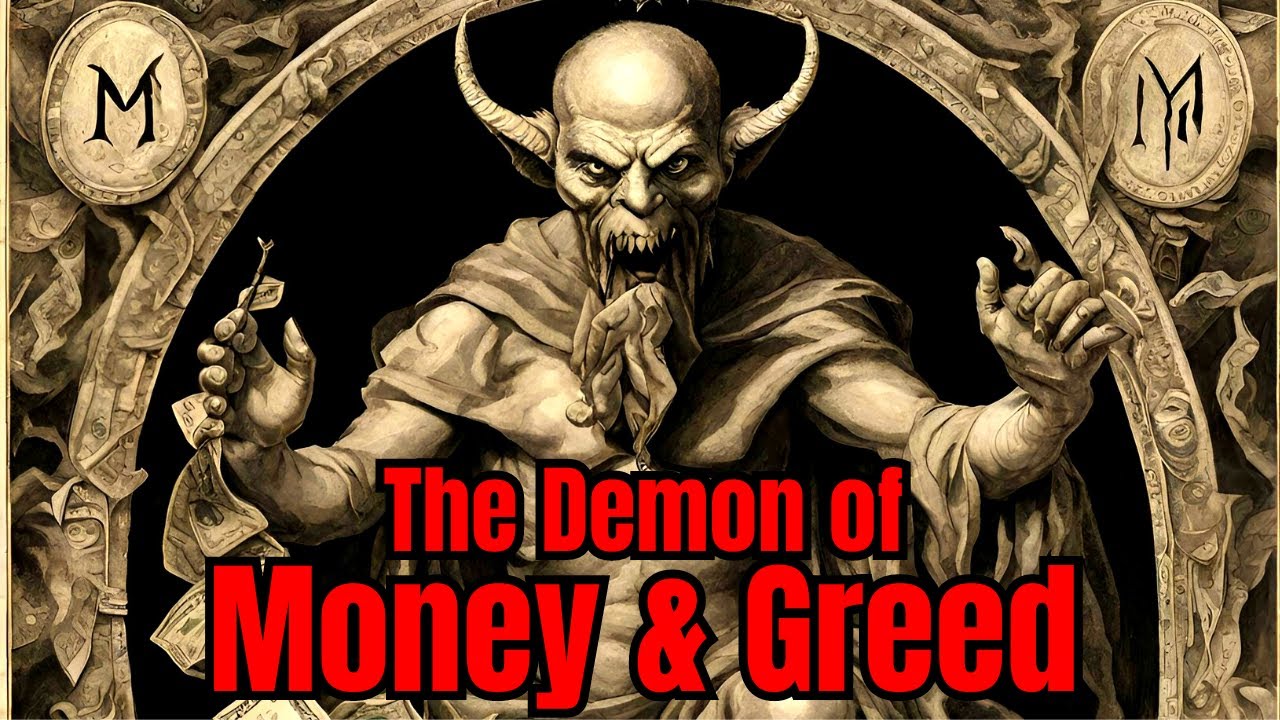
Is mammon a demon?
In Scripture, mammon is primarily an expression for money and possessions, not the name of a specific demon. However, in later tradition and popular culture, mammon is sometimes cast as a spiritual power or demonic figure associated with avarice. That shift reflects the way habitual greed can feel bigger than any one person—as if it has a will of its own. In biblical terms, it is closer to idolatry: when created things demand the loyalty due to the Creator.
Understanding this helps: if you wrestle with money pressures or the desire for status, you are not “possessed”; you are facing an age‑old human tendency that needs wise boundaries. For wider biblical context on idolatry and competing loyalties, you might explore this background on biblical idolatry, a recurring theme when people elevate created things over God.
Why mammon still matters in a consumer age
We live in a world designed to stimulate desire—through personalised adverts, aspirational social feeds and easy credit. In such an environment, the idea of mammon is a helpful diagnostic: it asks whether wealth is in its rightful place. Do our purchases reflect our priorities? Does our work support a humane pace of life? Are we free enough to be generous?
On a wider scale, the pursuit of wealth at all costs can create systemic problems: corrosive inequality, environmental harm and workplaces that erode health. Recognising mammon’s pull invites us to evaluate not only personal budgets but also the structures we participate in—business models, supply chains and investment choices.
Money versus mammon
Think of money as a hammer: incredibly useful, but not meant to run your life. Mammon is what happens when the hammer starts dictating what you build. The difference often shows up in subtle ways—how we think about success, what gets our best energy, and how we react when financial plans are threatened.
Signs you might be “serving” rather than using wealth
- You often postpone important relationships, rest or health “until you earn just a bit more,” but the finish line keeps moving.
- Buying new things gives a quick lift, followed by a persistent itch for the next upgrade.
- Financial secrecy: you hide spending from loved ones or avoid honest conversations about money.
- Generosity feels risky or impossible, even when numbers suggest you can give.
- Your sense of worth rises and falls mainly with income, status symbols or comparisons.
Practical ways to keep mammon in its place
It is easier to prevent money from becoming a master when you have clear habits that make it a servant. You do not need extreme measures; consistent, value‑aligned steps work.
- Write a values‑based budget: Start by naming your top five priorities (family, learning, community, faith, creativity). Allocate money and time to reflect those priorities before funding lower‑value categories.
- Practise planned generosity: Automate a small, regular gift to causes you believe in. Generosity reframes money as a tool for the common good, not just personal gain.
- Build a simple safety net: Even a modest emergency fund reduces fear‑based decisions and the feeling that you must say yes to everything at work.
- Slow down purchases: Use a 24‑ or 72‑hour pause for non‑essential buys. Often, the urge fades, and better choices emerge.
- Audit attention: Notice which newsletters, influencers or apps stoke dissatisfaction. Unsubscribe or mute to reduce triggers for impulse spending.
- Choose ethical options when feasible: Look for transparent supply chains, fair labour practices and responsible environmental standards.
- Simplify regularly: Each quarter, review subscriptions, recurring fees and clutter. Reducing excess clears mental space as much as financial space.
For people of faith
Many traditions offer practices that re‑order desires: regular rest, gratitude, reflection on sacred texts, and concrete acts of almsgiving. Short prayers before purchases or reviews of your spending at the end of the month can be surprisingly clarifying. Community also matters: shared conversations about money can break secrecy and shame.
Common misconceptions
- “Having money means you serve wealth.” Wealth itself is not the issue; the problem arises when it dominates priorities or damages others.
- “Poverty is holier.” Scarcity can be as spiritually distracting as abundance. The aim is healthy stewardship, not deprivation for its own sake.
- “Only the very rich face this temptation.” Anyone can orient life around possessions or status, regardless of income.
- “If I enjoy nice things, I’m greedy.” Appreciation is different from grasping. The question is whether enjoyment turns into attachment that rules decisions.
How different traditions interpret wealth, idolatry and discipleship
Christian communities often share the same warning about misplaced trust in riches, yet they emphasise different remedies. Ascetic strains prioritise simplicity and fasting from luxuries; others stress social justice, fair wages and structural reform; many encourage generosity, work as service, and contentment. To explore how two ancient streams of Christianity compare on issues like authority and practice, see this overview of Orthodox vs Catholic perspectives. Such differences of emphasis can be complementary, offering a more rounded approach to money and meaning.
Internal and external links for deeper reading
For historical context on idol worship and the danger of elevating created things above the Creator, this article on the cult of Baal in the Bible outlines a closely related theme to the worship of wealth.
If you want a broad, accessible overview of the concept, the overview of mammon on Wikipedia collates references from Scripture, literature and culture. For a concise academic summary, the
