Make oatmeal in the microwave: 5 simple, essential steps
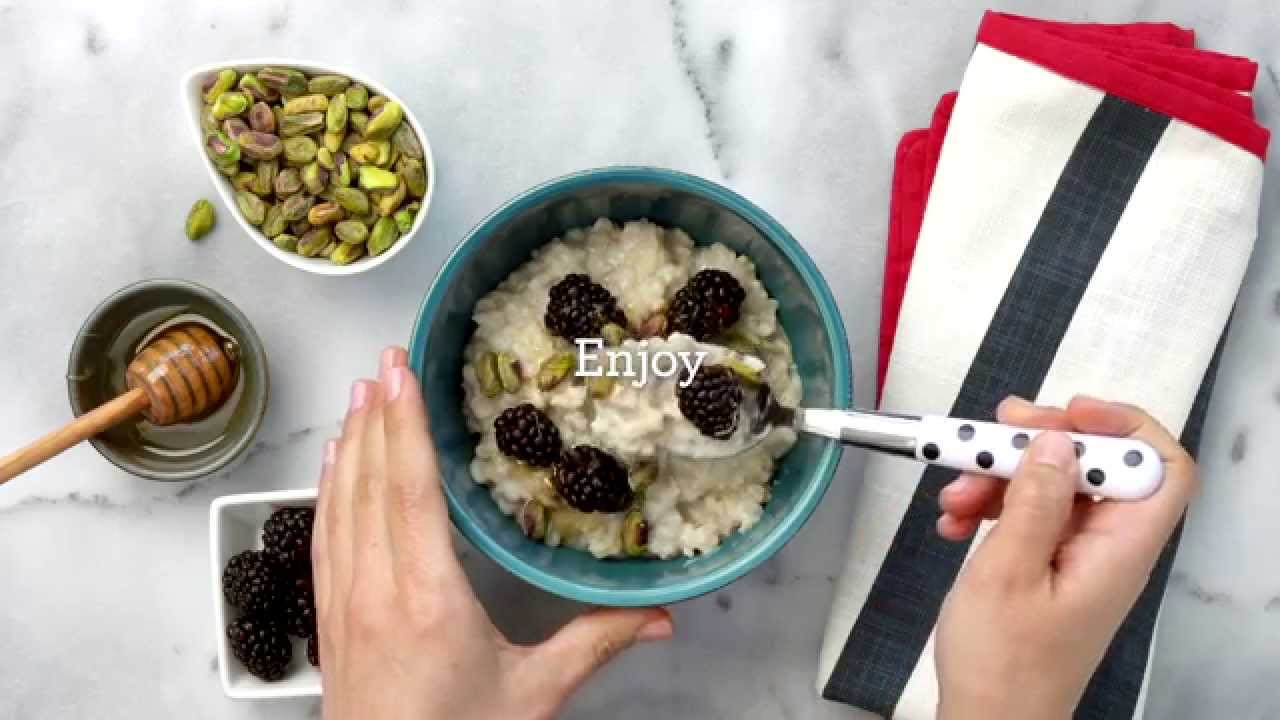
How to make oatmeal in the microwave: a complete guide
If you are short on time but still want a warm, nourishing breakfast, learning to make oatmeal in the microwave is one of the handiest skills you can pick up. This simple method delivers a creamy bowl of porridge in minutes, with minimal washing up and maximum flexibility for flavours, dietary preferences and budgets.
In the UK, we often call it porridge, while others say oatmeal. They are effectively the same warm oat cereal, and the microwave method makes weekday mornings much easier. Below, you will find clear steps to make oatmeal in the microwave, practical tips to avoid boil-overs, flavour ideas (sweet and savoury), and advice on nutrition, storage and troubleshooting. Whether you prefer creamy, silky oats or a heartier texture, you will be able to tailor the result to your taste.
Why make oatmeal in the microwave?
There are several reasons to make oatmeal in the microwave rather than on the hob. It is quick—usually ready in two to four minutes, depending on the type of oats and your microwave wattage. It is also consistent once you dial in your ratios and timing. Because you are using one bowl, clean-up is easy, and it is a practical way to cook single servings without dirtying a saucepan.
Microwaving can also be energy-efficient for small portions, and it is ideal for the office or when travelling if you have access to a microwave. Best of all, once you know how to make oatmeal in the microwave reliably, you can add fruit, nuts, seeds, spices and proteins to build a balanced, satisfying meal that keeps you going until lunch.


The basics: oats, liquid and bowl size
Types of oats
The type of oats you choose affects texture and cook time. All of them can be used to make oatmeal in the microwave if you adjust timing and liquid.
- Rolled oats (old-fashioned): A great all-round option. They cook in 2–3 minutes with a pleasantly creamy-chewy texture.
- Quick oats: Thinner and smaller flakes that soften faster (1–2 minutes). They can turn soft more quickly and are good for very smooth porridge.
- Steel-cut oats: Chopped groats, nutty and chewy. They usually take 15–20 minutes on the hob, but you can make them in the microwave with multiple short bursts and more liquid; or pre-soak to cut time.
- Instant sachets: Pre-portioned and sometimes pre-flavoured. Easiest of all to make oatmeal in the microwave—just follow the packet for liquid volume and time.
Liquid ratios
A classic starting point is 1 part oats to 2 parts liquid by volume. For a single serving, that could be 50 g rolled oats with about 250 ml liquid (milk, water or a mix). Quick oats may need slightly less liquid; steel-cut oats need more, roughly 1:3 to 1:4, plus extra time. When you make oatmeal in the microwave, err on the side of slightly less liquid to start; you can always add a splash after cooking to loosen the texture.
Choose the right bowl
Use a deep, microwave-safe bowl at least twice the volume of your uncooked mixture. Oats swell and bubble as they cook, so a roomy bowl helps prevent boil-overs. A high-sided cereal bowl or a medium glass jug works well. If you regularly make oatmeal in the microwave at the office, keep a dedicated bowl and a silicone lid or microwave cover on hand.
Step-by-step: how to make oatmeal in the microwave
Here is a reliable method for rolled or quick oats. It is the easiest way to make oatmeal in the microwave without mess or guesswork.
- Add 50 g rolled oats (or 40 g quick oats) to a deep microwave-safe bowl.
- Pour in 200–250 ml liquid (water, milk or half-and-half). Add a pinch of salt for flavour. For creamier results, a little milk or a dollop of yoghurt stirred in after cooking is excellent.
- Microwave uncovered on high (800–900 W) for 2 minutes for quick oats or 2½–3 minutes for rolled oats. If your microwave is 700 W or below, add 20–30 seconds. If it is 1,000 W or above, reduce by 15–20%.
- Pause halfway to stir. This distributes heat evenly and helps prevent boil-overs.
- Let it stand for 30–60 seconds after the timer ends. Oats thicken as they rest.
- Adjust: If it is too thick, stir in a splash of hot water or warm milk. If too thin, give it 10–20 seconds more. Sweeten and top as you wish.
Tip: To make oatmeal in the microwave with steel-cut oats, combine 40 g steel-cut oats with 240–300 ml water in a deep bowl. Microwave in 1-minute bursts, stirring each time, for a total of 7–10 minutes. Let stand for 2–3 minutes to finish hydrating. Alternatively, pre-soak the oats overnight to reduce cook time.
Preventing boil-overs and splatters when you make oatmeal in the microwave
Boil-overs are the most common frustration when you make oatmeal in the microwave. They happen when bubbles of steam push starch-rich liquid up and over the rim. Try these simple fixes:
- Use a larger bowl than you think you need—at least twice the mixture’s volume.
- Stir once or twice during cooking to break up bubbles.
- Lower the power to 70–80% and extend the time slightly; gentler heating, less foam.
- Leave a wooden stirrer or chopstick in the bowl. It can help disrupt bubble formation.
- Place a microwave-safe plate under the bowl to catch any spills and make clean-up easier.
If you regularly see spill-overs, simply reduce the initial liquid by 30–50 ml and add it back at the end. You will still make oatmeal in the microwave that is creamy, just with more control.
Fine-tune texture and flavour
Creamy vs chewy
To achieve creamier porridge when you make oatmeal in the microwave, use more liquid, cook gently (lower power) and add a splash of milk at the end. For a heartier, chewier bowl, choose rolled or steel-cut oats, use slightly less liquid and reduce the resting time.
Sweet ideas
- Classic British: A drizzle of honey or maple syrup, sliced banana, and a sprinkle of cinnamon.
- Fruity: Fresh berries, chopped apple or pear, and a spoon of Greek yoghurt.
- Nutty: Toasted almonds, walnuts or pecans, plus a teaspoon of peanut or almond butter.
- High-protein: Stir in a scoop of protein powder or a couple of tablespoons of skimmed milk powder after cooking.
Savoury bowls
- Cheddar and chive: Stir in grated mature Cheddar and chopped chives; finish with black pepper.
- Spinach and egg: Wilt a handful of spinach on top, then add a soft-boiled or poached egg.
- Miso and sesame: Mix in a teaspoon of white miso, top with spring onions, sesame seeds and chilli flakes.
Once you know how to make oatmeal in the microwave to your preferred thickness, you can treat the oats as a blank canvas for flavours.
Health and nutrition: what happens to oats when you make oatmeal in the microwave
Oats are a whole grain rich in soluble fibre, particularly beta-glucan, which contributes to normal cholesterol levels as part of a varied diet. Microwaving is a water-based, gentle cooking method that softens oat fibres without adding fat, making it a heart-healthy choice. For a broader view of fibre in your diet, see the NHS guidance on fibre and wholegrains: NHS advice on getting more fibre. For the science on oats specifically, the Harvard T.H. Chan School provides a helpful overview: Harvard Nutrition Source on oats.
Choosing toppings wisely can keep your bowl balanced. Add fruit for micronutrients, nuts and seeds for healthy fats, and yoghurt or milk for protein and calcium. If you make oatmeal in the microwave with water and then swirl in dairy or fortified plant milk at the end, you can control creaminess and calories at once.
Common mistakes to avoid when you make oatmeal in the microwave
- Using a small bowl: The simplest reason for boil-overs is insufficient headroom.
- Too much liquid too soon: Start modestly; you can loosen after cooking.
- Skipping the stir: Stirring halfway helps heat distribute and prevents hotspots.
- Overcooking: Microwaves vary; go in small increments, and let it stand to thicken.
- Adding delicate toppings too early: Nuts and seeds are fine, but fresh fruit is best added after cooking to stay vibrant.
- Forgetting salt: A small pinch enhances flavour—even in sweet bowls.
Keep these in mind and you will consistently make oatmeal in the microwave that tastes great.
Time and power: adapt to your microwave
Microwave ovens vary from 600 W to 1,100 W+. If yours is powerful, reduce time or power to prevent overcooking. If yours is low-powered, add 15–30 seconds and be patient. Whatever the wattage, when you make oatmeal in the microwave, shorter bursts with a stir are more reliable than one long blast.
Make-ahead and batch prep: speed up how you make oatmeal in the microwave
If mornings are rushed, you can prep jars with measured oats, seeds and spices. At breakfast, just add liquid and microwave. You can also pre-cook multiple portions of rolled oats, refrigerate for up to three days, and reheat with a splash of milk or water. This approach lets you make oatmeal in the microwave faster than ever while maintaining texture and flavour.
Dietary swaps and allergens
Oats are naturally gluten-free, but cross-contamination is common in processing. If you have coeliac disease or a gluten sensitivity, choose certified gluten-free oats and check the label. For authoritative guidance, see Coeliac UK’s information about oats.
Dairy-free? Use oat, almond, soya or coconut drinks. If you make oatmeal in the microwave with plant milks, note that sweetness and thickness vary; adjust liquid slightly and taste before adding sweeteners. For extra protein without dairy, stir in soya yoghurt or a plant-based protein powder after cooking.
Food safety and storage
Cooked oats keep in the fridge for up to three days in a sealed container. Reheat gently to piping hot and add a splash of liquid as needed. If you make oatmeal in the microwave ahead of time, cool it quickly and refrigerate promptly. Avoid leaving cooked oats at room temperature for extended periods, especially if you have added dairy.
Recommended external resources
- BBC Good Food’s guide to making porridge for additional stovetop and microwave tips.
- Wikipedia overview of oatmeal for history, types and global variations.
- NHS guide to fibre to understand the health benefits of oat fibre.
- Harvard Nutrition Source on oats for evidence-based nutrition information.
Related articles
Frequently asked questions about make oatmeal in the microwave
What is the best ratio of oats to liquid for the microwave?
For rolled oats, start with about 1:2 by volume—50 g oats to 200–250 ml liquid. Quick oats may need slightly less; steel-cut oats need more (1:3 or 1:4). Adjust based on your preferred texture.
How long does it take to make oatmeal in the microwave?
Quick oats need around 1–2 minutes; rolled oats usually 2½–3 minutes. Give steel-cut oats 7–10 minutes in short bursts, stirring regularly. Microwave wattage affects timing, so make small adjustments and let it stand briefly to thicken.
Why does my porridge boil over?
Bubbles of steam lift the starch-rich liquid. Use a larger bowl, stir midway, reduce power to 70–80%, and consider slightly less liquid at the start. You can always add a splash afterwards.
Can I make oatmeal in the microwave with milk instead of water?
Yes. Milk yields a creamier result and adds protein and calcium. It can foam more, so use a larger bowl and consider medium power. A half milk, half water mix is a practical compromise.
Is microwave porridge as healthy as stovetop?
Yes. Microwaving is a gentle, water-based method. The healthfulness depends more on your portion size and toppings. To keep it balanced, add fruit, nuts or seeds, and go easy on sugars.
Can I add protein powder when I make oatmeal in the microwave?
Absolutely. Stir it in after cooking to avoid clumping. Add a splash of liquid to keep the texture smooth.
How do I make savoury microwave oats?
Cook the oats in water or stock, then stir in grated cheese, herbs, miso, or a soft-boiled egg. Season with salt and pepper. Savoury porridge makes a filling lunch as well as breakfast.
Conclusion on make oatmeal in the microwave
With the right bowl, a sensible oats-to-liquid ratio and a brief stir halfway, you can make oatmeal in the microwave that is creamy, consistent and tailored to your taste. It is a fast, affordable way to enjoy a wholesome breakfast, whether you prefer simple honey and banana or a savoury bowl with cheese and herbs.
Once you are comfortable with timing in your own microwave, you will be able to tweak texture, swap in different milks, and add proteins or seeds for a balanced meal. If you make oatmeal in the microwave regularly, prep dry mixes in advance and store them in jars, so breakfast is ready in minutes.
From avoiding boil-overs to understanding how oats support a healthy diet, the tips above will help you make oatmeal in the microwave with confidence. Try a few variations, find your favourite combination, and enjoy the comfort of a warm, nourishing bowl any day of the week.
