Lourdes prayer for the sick: essential, complete guide in 5 steps
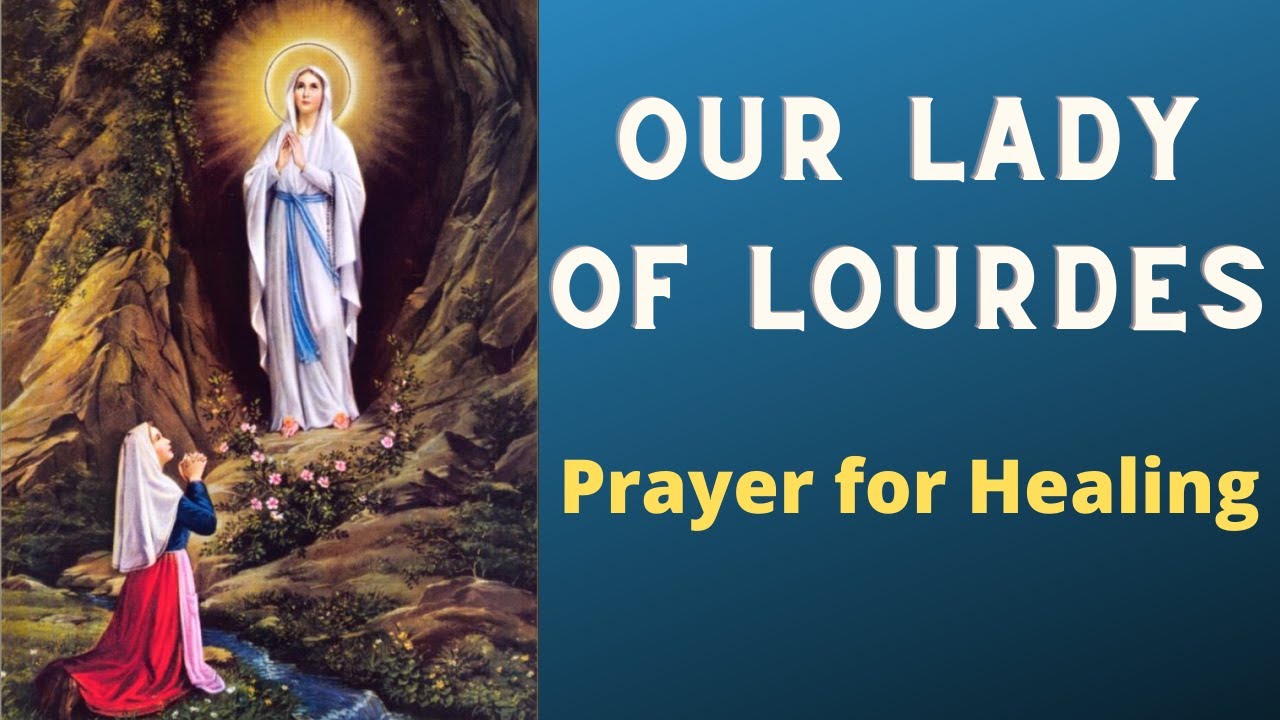
lourdes prayer for the sick: meaning, history, and how to pray
The lourdes prayer for the sick is a cherished Christian devotion that seeks the intercession of Our Lady of Lourdes for healing, strength and peace. Whether you are praying for yourself, a loved one, or a community member in need, this simple yet profound prayer offers hope, comfort, and a sense of being accompanied by God in times of illness.
In this guide, we explore what the lourdes prayer for the sick is, where it comes from, how to pray it at home or in church, and how to combine spiritual care with medical support. You will also find practical tips, common mistakes to avoid, and answers to frequent questions. The goal is to help you pray with clarity, compassion and faith, without sensationalism or false promises.
What is the lourdes prayer for the sick?
At its heart, the lourdes prayer for the sick is an appeal to Mary, the Mother of Jesus, under the title of Our Lady of Lourdes. Catholics and many other Christians turn to her with confidence because of the events in Lourdes, France, where the Virgin Mary is believed to have appeared to Saint Bernadette Soubirous in 1858. During those apparitions, a spring emerged, and countless pilgrims since then have reported spiritual renewal and, in some cases, physical healing.
The lourdes prayer for the sick is not a magic formula. It is a faith-filled request that God’s will be done, that the sick person may be strengthened, and that those who care for them may receive guidance, patience and consolation. Many people pray this devotion alongside the Rosary, a novena, or a simple daily prayer routine.


Key elements of the Lourdes prayer
- Trust in God’s love and mercy, often expressed through Mary’s intercession.
- Compassion for the person who is ill, including emotional as well as physical needs.
- Openness to different types of healing: physical cure, inner peace, reconciliation, resilience and hope.
- Gratitude for medical professionals and the grace to follow sound treatments.
When to use the lourdes prayer for the sick
- When someone receives a difficult diagnosis or faces surgery.
- During ongoing treatment, rehabilitation or palliative care.
- In moments of anxiety, pain, or sleeplessness.
- On anniversaries of illness or in remembrance services.
- As part of parish healing services or family prayer times.
Origins: why Lourdes is linked to healing
In 1858, Bernadette Soubirous, a young girl from a poor family, reported a series of apparitions of the Blessed Virgin Mary in a grotto near Lourdes. She was guided to a spring of water that soon became a sign of renewal for pilgrims. Since then, the Sanctuary has welcomed millions seeking prayer, companionship and, sometimes, remarkable improvement in health. The Church has an official process for evaluating alleged cures, and only a very small number are formally recognised as miraculous. This sober approach helps keep the focus on faith, integrity and care for the sick.
To learn more about the Sanctuary’s history and pastoral life, you can consult the official Sanctuary of Our Lady of Lourdes, which explains the meaning of the apparitions, the message to Bernadette, and the way Lourdes accompanies pilgrims today.
Bernadette’s witness and the spring
Bernadette described the Lady she saw as gentle, prayerful and humble. The spring’s water has become a sign of God’s closeness, not a superstition. Many take some water home as a reminder to pray and to trust in God’s timing. It is common to include Lourdes water, a candle or a small medal as devotional aids when praying the lourdes prayer for the sick, especially when the person cannot travel.
Faith, sacraments and community
Lourdes is not only about personal prayer; it is also about worship, the sacraments and solidarity with the suffering. Masses, processions and the Anointing of the Sick offer strength to many. When you pray the lourdes prayer for the sick at home, you are spiritually united with a worldwide community of faith that carries the sick in prayer every day.
How to pray the lourdes prayer for the sick
There is more than one way to offer the lourdes prayer for the sick. Some prefer a short, spontaneous prayer; others use a set text, a novena over nine days, or include it in the Rosary. Below is a simple guide you can adapt to your circumstances and tradition.
Preparing your heart and your space
- Choose a quiet moment. If you are with the sick person, ensure they are comfortable and consent to prayer.
- Have a focus point: a cross, an icon of Our Lady of Lourdes, a candle, or a small bottle of Lourdes water.
- Breathe slowly. Ask God for the grace to pray with love, honesty and trust.
Step-by-step guide to the lourdes prayer for the sick
- Begin with the Sign of the Cross, if this is your custom.
- Read a short Scripture verse of comfort (e.g., “The Lord your God is in your midst… he will renew you in his love.”).
- Address Mary with a simple greeting (for example, “Our Lady of Lourdes, Mother of the Sick, pray for us”).
- Say the person’s name and their need. Be specific but gentle. You might include the doctors, nurses and carers, too.
- Ask for healing, peace and strength. Offer the person’s fears to God.
- Close with gratitude and trust, perhaps with a Hail Mary, the Lord’s Prayer, or a moment of silence.
Sample prayer to Our Lady of Lourdes for the sick
“Our Lady of Lourdes, gentle Mother, you showed your care to Saint Bernadette and to all who suffer. I bring before you today [Name] in their illness. Ask your Son, Jesus, to grant healing where it is needed, courage in weakness, and peace amid fear. Bless all who care for them with wisdom and patience. Help us to trust God’s love in every circumstance. Our Lady of Lourdes, health of the sick, pray for us. Amen.”
You can adapt this sample when you offer the lourdes prayer for the sick at home or in church. Your own words are precious; God hears the heart as much as the lips.
Using the lourdes prayer for the sick in a group or parish setting
Many communities hold short services for healing and comfort. If your parish or group wishes to use the lourdes prayer for the sick, keep it simple and pastoral, ensuring that everyone feels safe and respected. Share practical boundaries: no sensational claims, no pressure on the sick to take part, and clear respect for medical advice.
Suggested outline for a short healing service
- Quiet music and lighting a candle.
- Opening prayer and a brief reading from Scripture.
- A short reflection on trust, hope and compassion.
- Intercessions that include the lourdes prayer for the sick by name (with permission).
- Optional blessing or, if a priest is present, the Sacrament of the Anointing of the Sick for those who request it.
- Concluding prayer and a moment of silence.
Integrating faith, prayer and healthcare
Prayer and medicine are partners, not rivals. The lourdes prayer for the sick encourages us to thank God for healthcare professionals and to follow sound treatments. If you, or someone you love, are dealing with serious illness, it is wise to combine spiritual support with conversations between the patient, family, chaplains and clinicians. Spiritual care can reduce anxiety, improve coping, and help decisions align with the person’s deepest values.
Each year, the Church marks the World Day of the Sick, inviting believers to renew their compassion for those in pain. The Pope’s Message for the World Day of the Sick reflects on how Christians can accompany the suffering with dignity and hope. You might draw from this in a homily or group reflection alongside the lourdes prayer for the sick.
Practical tips for meaningful prayer
- Keep it human. Talk to the person; listen before you pray. Respect their beliefs and preferences.
- Be specific but not intrusive. Name the situation without dwelling on medical details.
- Use simple language. The best lourdes prayer for the sick is often the most straightforward.
- Offer follow-up. Ask if they would like you to pray again or light a candle for them later.
- Stay grounded. Encourage proper treatment and rest; do not substitute prayer for necessary care.
Common mistakes to avoid
- Treating prayer as a guarantee of a particular outcome. The lourdes prayer for the sick asks for healing and peace, but it respects God’s wisdom and the person’s journey.
- Over-promising or using emotional pressure. Keep the tone gentle and honest.
- Neglecting the carers. Remember to include family members, clinicians and chaplains in your prayer.
- Forgetting thanksgiving. Even amid uncertainty, give thanks for moments of comfort, clarity or courage.
- Isolation. If appropriate, connect the person with supportive communities that can accompany them.
Symbols and aids often used with the lourdes prayer for the sick
Many people find that physical signs help them focus in prayer. These are not talismans, but reminders of God’s presence and the Church’s care:
- Lourdes water: a sign of purification and hope. It may be used to bless oneself or kept by the bedside.
- Candles: symbolising persistent prayer and the light of Christ.
- Rosary beads or a medal of Our Lady of Lourdes: tactile aids for reflection.
- A short Scripture card: for example, a line that speaks of comfort and God’s nearness.
For reliable background on the apparitions and the Sanctuary’s practices, visit the Our Lady of Lourdes overview on Wikipedia or explore the Sanctuary’s official guide to Lourdes, both of which provide historical and pastoral context that can enrich your use of the lourdes prayer for the sick.
Recommended external resources
- Sanctuary of Our Lady of Lourdes: official information, liturgies and pilgrim guidance
- Vatican: Messages for the World Day of the Sick and pastoral reflections
- Wikipedia: historical background on Our Lady of Lourdes
Related articles
Frequently asked questions about lourdes prayer for the sick
Do I need to be Catholic to pray the lourdes prayer for the sick?
No. While Lourdes is a Catholic devotion, anyone who believes in God’s compassion can pray in this way. Use words that feel natural to you. The heart of the prayer is trust in God and care for the person who is ill.
Must I use Lourdes water for the prayer to “work”?
No. Lourdes water is a sign that can encourage faith, but it is not essential. The lourdes prayer for the sick is first and foremost a sincere request for God’s love and mercy. If Lourdes water is available and appropriate, it can be used respectfully as a devotional aid.
How often should I pray?
There is no strict rule. Some people pray the lourdes prayer for the sick daily during a time of treatment; others choose a novena of nine days; still others include it weekly during family prayers. The key is consistency, compassion and trust.
Can I pray at a distance if I cannot be with the person?
Yes. You can pray from anywhere and unite your intentions with those at the Sanctuary, where prayers for the sick are offered each day. Lighting a candle at home or online, and naming the person in your prayer, are meaningful ways to stay connected when you are apart.
What if healing does not come as we hoped?
Not every prayer leads to the outcome we long for. Even then, the lourdes prayer for the sick can bring deep peace, reconciliation and resilience. Christians believe that God is close to the broken-hearted and that no prayer is wasted. Continue to accompany the person with love and seek appropriate medical and pastoral support.
Can we include this prayer in a church service?
Yes. Many parishes include intercessions for the sick, healing services, or moments of silent prayer where the lourdes prayer for the sick is offered together. Keep the tone gentle, respectful and supportive, especially if the sick are present.
Conclusion on lourdes prayer for the sick
The lourdes prayer for the sick is a humble, hope-filled way to accompany those facing illness. Rooted in the story of Our Lady of Lourdes and the faith of millions of pilgrims, it invites us to ask for healing, to receive peace, and to walk with others in compassion. Whether prayed alone at a bedside or shared in a community service, it keeps our hearts turned towards God’s mercy.
Used wisely, the lourdes prayer for the sick complements good healthcare and strengthens the bonds between the sick, their families and carers. By praying simply, listening carefully, and entrusting outcomes to God, we honour both the dignity of the person and the depth of Christian hope.
As you begin or renew this devotion, consider keeping a small rhythm—perhaps a short prayer each evening, or a weekly Rosary intention—so that the lourdes prayer for the sick becomes part of the steady, loving care you offer to those in need.
