Leviticus 19 28: 5 key insights for modern living
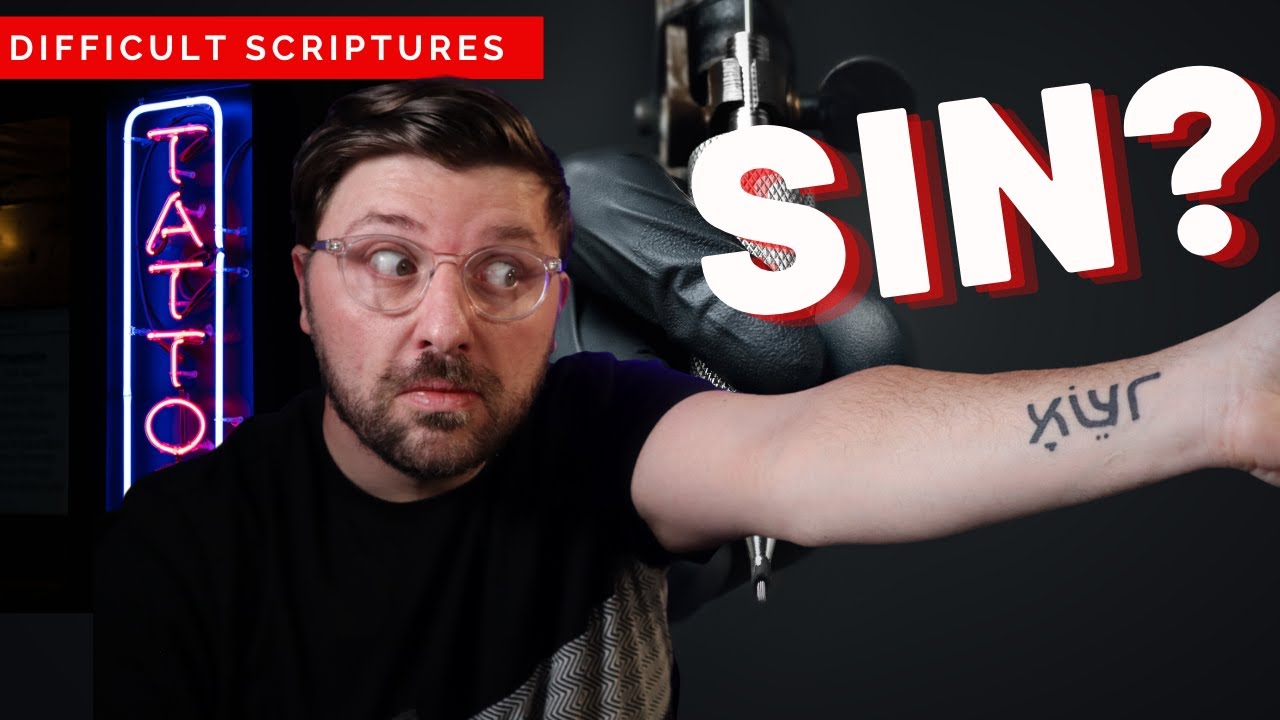
Understanding Leviticus 19:28 in Context
Leviticus 19:28 is a verse in the Hebrew Bible that has sparked numerous interpretations and discussions over the centuries. This scripture states: “You shall not make any cuts on your body for the dead or tattoo yourselves: I am the Lord.” The essence of this text touches on the themes of holiness and the distinctiveness of the people of Israel, emphasizing their separation from the practices of surrounding nations.
To fully grasp the significance of Leviticus 19:28, it is essential to contextualize it within the broader narrative of Leviticus. This book presents God’s laws and commands given to the Israelites, directing them toward a holy lifestyle. The exhortation against tattoos reflects cultural and religious practices of neighboring groups, illustrating how the Israelites were to maintain their unique identity.
The Cultural Significance of Body Modification
Throughout history, body modification has served various cultural and spiritual purposes. In ancient civilizations, tattoos and body markings often symbolized tribal identity, rites of passage, or mourning practices. However, for the Israelites, the prohibition found in Leviticus 19:28 indicated a rejection of such customs to preserve their unique covenantal relationship with God.
This call for separation was not simply about physical appearance but also involved spiritual implications. By abstaining from practices like tattooing and body cuts for the dead, the Israelites demonstrated their allegiance to God’s commands and their renunciation of pagan rituals.


Theoretical Interpretations of Leviticus 19:28
Many theological interpretations exist regarding Leviticus 19:28. Some scholars view it as a blanket prohibition against any form of body modification, arguing that tattoos could distract individuals from their focus on God. Others believe it may specifically reference pagan practices and, therefore, does not necessarily preclude all forms of body art, but rather those that are tied to idolatry.
Exploring Modern Perspectives
In modern times, the interpretation of Leviticus 19:28 has evolved. Many people proactively engage in tattoo culture for personal expression or aesthetic purposes. However, the verse still raises important ethical and spiritual questions about individual’s commitment to religious principles in contemporary society.
Comparative Analysis: Leviticus 19:28 Versus Other Cultural References
When comparing Leviticus 19:28 to similar texts across different cultures, fascinating similarities and distinctions emerge. For instance, in the Quran, modifications to the body are also approached with caution. While the specific verses pertaining to tattoos differ in interpretation, both texts highlight a broader principle of maintaining the body’s sanctity and resisting societal pressure to conform to surrounding cultures.
Unlike many modern beliefs that embrace tattoos as forms of self-identity, interpretations of Leviticus 19:28 stress the idea of representing a community and a faith. The juxtaposition highlights the ongoing dialogue between traditional religious adherence and contemporary societal norms.
Practical Considerations for Today’s Believers
Today’s believers may grapple with the principles underlying Leviticus 19:28, seeking a balance between personal expression and spiritual commitments. Here are some actionable ideas for navigating this topic:
- Engage with a spiritual mentor: Discuss personal views on body modifications in light of faith and tradition.
- Join study groups: Explore interpretations of Leviticus 19:28 together with community members for deeper insights.
- Reflect on motivations: Before considering tattoos, take time to evaluate personal motivations and spiritual convictions.
- Explore artistic alternatives: Opt for temporary body art through henna or other forms that align with a commitment to honor spiritual practices.
- Create a dialogue: Foster conversations among peers about the relevance of ancient texts in modern contexts.
Distinct Features of Leviticus 19:28
Leviticus 19:28 stands out among scriptural verses due to its directness and explicit command. Unlike various religious texts that offer broad principles or allegorical tales, this verse presents a clear, non-ambiguous guideline.
Comparing it to similar laws from surrounding cultures reveals its uniqueness. For instance, some ancient societies encouraged tattooing as a rite of passage or to signify bravery, while Leviticus advocates for a counter-cultural approach by emphasizing a dedication to God and cultural distinctness.
Integrating Leviticus 19:28 with Personal Spiritual Practices
The principles behind Leviticus 19:28 can also be integrated into broader spiritual practices. Here are several ways to enhance understanding and adherence while remaining true to personal expression:
- Mindfulness Practices: Incorporate mindfulness to be aware of external influences on body image and self-expression.
- Arts and Crafts: Experiment with non-permanent artwork to express creativity while respecting spiritual guidelines.
- Community Rituals: Participate in or create community rituals that celebrate identity without conflicting with spiritual principles.
- Document Thoughts: Keep a journal reflecting on personal views of body modification as they relate to faith.
- Open Dialogue Engagement: Create open forums in your community to discuss interpretations of ancient texts and how they apply today.
Conclusion
In examining Leviticus 19:28, we uncover a rich dialogue between ancient traditions and modern expressions of identity. While the intention behind this verse is clear, its application may vary widely among individuals and communities today. By contextualizing, interpreting, and reflecting on the text’s relevance, one can navigate the complexities of personal beliefs while honoring cultural and spiritual heritage.
As societies evolve and the cultural landscape shifts, continued dialogue around scripture such as Leviticus 19:28 becomes all the more vital. This encourages both personal exploration and respectful interaction with faith traditions that shape our understanding of identity and expression.
For further exploration, you may want to delve into related topics such as tattoos, Bible verses, and Jewish interpretations of texts. These resources can provide additional insights into the broader implications of body art within spiritual frameworks.
