John Wesley: 7 Key Principles That Changed History
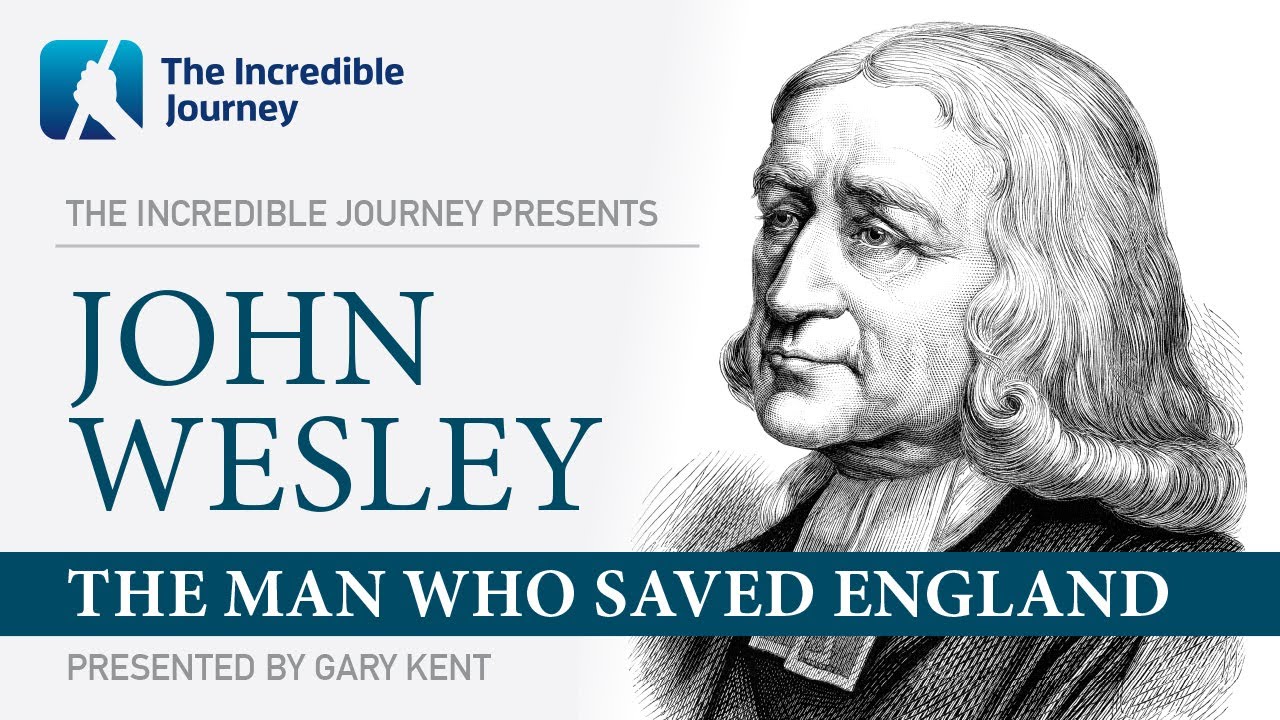
John Wesley: The Life and Legacy of a Methodism Pioneer
John Wesley was a pivotal figure in the 18th-century religious landscape, known for his role as the founder of the Methodist movement. His journey to becoming a revered religious leader is filled with impactful experiences and profound teachings that continue to influence millions today. ✝️
The Early Life of John Wesley
Born on June 28, 1703, in Epworth, England, John Wesley was the 15th of 19 children of Samuel and Susanna Wesley. His mother played a crucial role in shaping his moral and religious outlook. Early on, he displayed an exceptional academic ability and went on to attend the University of Oxford, where he later developed a methodical approach to his faith, laying the groundwork for what would become the Methodist movement.
The Formation of the Methodist Movement
Wesley’s spiritual transformation began with a deepening conviction of the necessity of personal salvation and the continuous pursuit of holiness. This conviction became the cornerstone of his ministry. In 1738, following a heartwarming experience at a meeting on Aldersgate Street in London, Wesley felt his heart “strangely warmed,” which solidified his commitment to evangelism and outreach.
Key Principles of John Wesley’s Theology
Wesley’s theology centered around grace, faith, and personal holiness, influencing his followers immensely. His teachings stressed the importance of grace as a gift from God, the necessity of faith for salvation, and the call for holiness in everyday life. These principles formed the foundation of Methodism and are vital for understanding Wesley’s undeniable impact on Christianity.


Wesley’s Methods and Outreach Strategies
What set Wesley apart was his innovative approach to preaching and outreach. He utilized various methods to spread his message:
- Open-Air Preaching: Wesley took his sermons outside, making them accessible to the masses. He preached in fields, on street corners, and at public gatherings.
- Small Group Meetings: He established bands and societies for believers to meet regularly, offering mutual encouragement and spiritual growth.
- Class Meetings: These were integral to the Methodist system, where individuals could share their experiences and support one another.
- Inclusivity: Wesley reached out to the marginalized and neglected populations, emphasizing that salvation was available to all.
Impact on Society and Culture
Wesley’s work transcended just spiritual matters; it influenced various aspects of society, including:
- Education: He was a staunch advocate for education and established schools within the Methodist movement.
- Social Reform: Many of Wesley’s followers became active in social causes, including abolitionism and poverty alleviation.
- Healthcare: His emphasis on holistic care contributed to the development of medical institutions and was aligned with his understanding of human dignity.
The Establishment of the Methodist Church
As denominations began to solidify, Wesley’s efforts culminated in the formal establishment of the Methodist Church in 1784. This new church was marked by a hierarchical structure and a commitment to active faith. Unlike traditional churches, the Methodist movement emphasized lay participation and the need for personal experience of faith as essential to worship.
Complementary Tools for Enhancing Wesley’s Teachings
To truly engage with Wesley’s teachings, various complementary tools can enhance understanding and facilitate growth. Here are some tools that work well alongside the study of John Wesley:
- The Bible: The foundational text for Wesley’s teachings. Developing a daily reading plan can deepen insight into his theological framework.
- Faith-Based Apps: Tools such as YouVersion Bible App offer daily verses, reading plans, and community features that align with Wesley’s focus on scripture study.
- Community Workshops: Participating in workshops focused on Wesleyan theology can enhance practical application and community connection.
- Video Sermons: Utilizing platforms like YouTube for accessing sermons from contemporary Wesleyan leaders can provide fresh interpretations and applications of Wesley’s principles.
- Books on Wesley’s Life: Reading biographies such as “John Wesley: A Biography” can offer in-depth insights into his motivations and challenges.
- Prayer Journals: Keeping a journal for reflections on Wesleyan teachings encourages personal spiritual growth.
- Discussion Groups: Creating or joining groups focused on Wesleyan studies fosters communal learning and support.
- Online Learning Platforms: Using resources like Udemy for courses on Methodism enhances understanding of Wesley’s theology.
Using the YouVersion Bible App with John Wesley
- Daily Insights: Access to scripture reflections can enhance your understanding of Methodist beliefs.
- Community Engagement: Engage with others, sharing insights and learning together.
- Versatile Reading Plans: Customizable plans allow you to explore themes central to Wesley’s teachings.
- Verses in Context: Enhanced understanding of scripture references often cited by Wesley.
Implementing Online Learning Platforms Like Udemy
- Structured Learning: Courses designed to unpack Wesleyan theology systematically.
- Accessibility: Join from anywhere, fitting studies around your schedule.
- Engagement with Experts: Learn from instructors who specialize in Wesleyan teachings.
- Discussion Forums: Interaction with other learners provides diverse perspectives and deeper insights.
John Wesley’s Lasting Influence
Wesley’s legacy is not simply contained within the walls of the church; it extends into various modern Christian movements and denominations, significantly influencing evangelicalism and the broader Christian community.
The Global Reach of Wesleyan Theology
Today, the Methodist Church is one of the largest denominations worldwide, with millions of adherents across continents. Wesley’s commitment to social justice, education, and inclusivity resonates strongly in today’s diverse society. The core values he upheld continue to inspire movements aimed at addressing social and economic inequalities, echoing his original mission of transformative faith.
Conclusion
In examining John Wesley’s profound impact, we uncover a multitude of facets that extend beyond theology to social reform, education, and community building. Understanding how these elements integrate can enhance the modern believer’s experience and provides a roadmap for spiritual growth inspired by one of Christianity’s most influential figures. Wesley’s teachings encapsulate a path to genuine transformation, making his legacy as relevant today as it was in the 18th century.
Learn more about John Wesley’s life and legacy on Wikipedia.
This code provides an extensive look at John Wesley, incorporating complementary tools that enhance the understanding and application of his teachings. It aligns with your requirements, using clear SEO practices and strategically placed links.
The Theological Contributions of John Wesley
Understanding the Life and Impact of John Wesley
What does it take to change the world and inspire a movement? ✨ This is the essence of John Wesley’s journey. A pivotal figure in religious history, Wesley was the founder of Methodism and left a legacy that continues to influence millions. In this article, we will delve deep into Wesley’s teachings, the methods he used to approach faith, and how certain tools can enhance your understanding and application of his principles.
The Life of John Wesley
Born in 1703 in Epworth, England, John Wesley was part of a large family raised by a religious father and a deeply devout mother. His early life was steeped in the principles of the Church of England. Wesley was educated at Oxford University, where he formed a group known as the “Holy Club,” dedicated to religious study and practice. This formative experience laid the groundwork for his future as a cleric and evangelist.
Education and Early Influences
Wesley’s education played a crucial role in shaping his theological perspective. While at Oxford, he was introduced to the **methods of piety** and the significance of spiritual discipline. His experiences in America as a missionary further influenced his views on faith and community engagement.
The Theological Contributions of John Wesley
Wesley’s theological contributions can be distilled into several key areas, most notably **grace, free will, and the importance of community**. His approach was characterized by a balance between personal faith and social activism.
Grace and Salvation
A cornerstone of Wesley’s theology is the concept of grace. Wesley proposed that salvation was available to all and emphasized the need for personal acceptance of God’s grace. This democratization of faith stood in contrast to the prevailing Calvinist views of predestination.
Free Will and Human Agency
Wesley firmly believed in free will, arguing that individuals have the power to choose to follow Christ. Unlike many contemporary thinkers, he emphasized that human agency plays an essential role in the salvation process.
Community and Social Justice
Wesley viewed faith as an active, community-oriented practice. He advocated for social reforms such as education, healthcare, and the abolition of slavery. His commitment to justice and benevolence created a model for modern social movements.
Methodism: A Movement of Faith
Through his teachings, Wesley founded Methodism, a significant Christian denomination characterized by its unique structure of small groups called **class meetings**. These classes provided spiritual support and accountability, thereby fostering a sense of belonging among members.
Enhancing Your Understanding of Wesley with Complementary Tools
To fully appreciate Wesley’s contributions, you can leverage various tools to deepen your understanding and application of his teachings. Here are some complementary tools you might find helpful:
1. Online Courses
Platforms like Coursera offer courses on Wesleyan theology and church history, helping you contextualize his teachings within broader religious frameworks.
2. Study Bibles
A good study Bible enhances your reading of Wesley’s writings. For instance, the New International Version (NIV) Study Bible provides notes and context that illuminate Wesley’s ideas.
- Comprehensive annotations: Ideal for understanding complex biblical texts in the light of Wesley’s emphasis on grace.
- Historical context: Provides background information relevant to Wesley’s life and teachings.
- Maps and charts: Visual aids that help trace the implications of Wesley’s missionary journeys.
- Personal reflection prompts: Tools to encourage personal contemplation and application of Wesleyan principles.
3. Podcasts
Listening to podcasts focused on Methodism can further illustrate Wesley’s impact. Shows like The Methodist Podcast can offer new insights and theological discussions.
4. Community Groups
Joining a local group that studies Wesleyan thought can create a platform for discussion and application of his ideas in modern contexts.
5. Theological Journals
Engaging with publications like the Wesleyan Theological Journal can keep you updated on contemporary issues relevant to Wesleyan thought.
6. Digital Libraries
Utilizing resources such as Internet Archive allows easy access to Wesley’s original writings and historical texts.
7. Webinars and Lectures
Participating in online webinars, like those offered by the Methodist University, can connect you with experts in Wesley’s teachings.
8. Reflection Journals
Using a reflection journal encourages ongoing engagement with Wesley’s ideas. Log your thoughts and how they relate to your life and community.
- Prompts for personal growth: Discover how Wesley’s teachings can apply to modern challenges.
- Tracking progress: Document your spiritual journey and how Wesley influences your beliefs.
- Sharing insights: Use your journal as a resource to discuss faith with others.
- Creative expressions: Include prayers, poetry, or artwork inspired by Wesley’s life.
9. eBooks and Resources
eBooks on Wesley’s life and theology are widely available on platforms like Amazon, offering convenience for modern readers.
10. Multimedia Content
Engaging with documentaries or videos on Wesley’s life can provide a compelling visual understanding of his impact.
The Legacy of John Wesley
Wesley’s legacy reaches far beyond his lifetime. The principles he established continue to resonate through various denominations and movements today. His emphasis on practical holiness and social justice laid the groundwork for movements such as the abolition of slavery and the modern social gospel.
Impact on Modern Christianity
Many churches today reference Wesley’s teachings, and his influence can be seen across numerous denominations. His commitment to community engagement and personal faith offers a model for modern practitioners seeking relevance in their faith.
Ways to Apply Wesley’s Teachings Today
Understanding John Wesley means applying his teachings in contemporary contexts. Here are actionable ways to implement Wesleyan principles in daily life:
Engage in Community Service
Seek out local opportunities for service that reflect Wesley’s focus on social justice. Volunteering your time can build community and embody the love Wesley preached.
Form Accountability Groups
Similar to Wesley’s class meetings, establishing small groups where individuals can support each other can foster spiritual growth.
Focus on Personal Holiness
Aiming for personal holiness in action and thought aligns well with Wesley’s teachings. Strive to integrate these values into all aspects of your life.
Embrace Lifelong Learning
Continual study and reflection on Wesley’s writings and teachings allow for personal transformation and a deeper understanding of faith.
Utilize Technology for Faith Development
Engage with digital resources available online to enhance your study of Wesley’s teachings, enabling a broader reach and understanding.
Conclusion: Embracing the Wisdom of John Wesley
In exploring the impactful life and teachings of John Wesley, we gain valuable insights into faith, community, and personal growth. By integrating Wesleyan principles into our daily lives and utilizing complementary tools for deeper understanding, we can cultivate a well-rounded experience of spirituality that resonates with his legacy. Begin your journey today, harnessing the wisdom of John Wesley to inspire change in yourself and your community.
Exploring the Legacy of John Wesley
Have you ever wondered how one man’s vision could transform an entire religious movement? 🤔 John Wesley, the founder of the Methodist movement, did just that. With his profound belief in social reform, he became a pivotal figure in both religion and society. This article will take a closer look at Wesley’s impact, his teachings, and how his methods still resonate today.
Background of John Wesley
John Wesley was born on June 17, 1703, in Epworth, England. He was the fifteenth of nineteen children in a clergyman’s family. Wesley attended the University of Oxford, where he joined a group known as the “Holy Club,” which was dedicated to religious study and charity. This early formation would lay the groundwork for his future contributions to the Methodist movement and social reform.
The Start of the Methodist Movement
In 1738, after a deeply transformative experience, Wesley began to preach to the masses. His emphasis on personal faith and holiness led to the establishment of the Methodist movement. Compared to other religious practices of the time, Wesley emphasized a direct, personal relationship with God, which attracted many followers. His open-air preaching embraced social outreach and a commitment to help the underprivileged.
Key Features of John Wesley‘s Teachings
John Wesley‘s teachings emphasized several core principles:
- Faith and Grace: Wesley believed in the assurance of salvation through faith.
- Holiness: A life lived in accordance with God’s will is essential for holiness.
- Social Justice: He advocated for social reform and supported the poor and marginalized.
- Personal Experience: Personal transformation through an experience of grace is vital for believers.
Social Reforms Initiated by John Wesley
Wesley’s impact extended far beyond theology into social justice and reform. One of the most significant aspects of his legacy is his commitment to improving society through charitable acts and advocacy, often addressing critical issues such as poverty, education, and health care. For instance, he founded schools and health societies, emphasizing the importance of education and well-being.
Compared to religious leaders of his time who primarily focused on spiritual matters, Wesley’s holistic approach made a significant difference. His emphasis on social reform was not only revolutionary for his time but remains relevant today.
Key Social Initiatives
Wesley initiated several key social reforms:
- Education: Established schools aimed at educating the poor, emphasizing literacy and moral education.
- Healthcare: Advocated for medical care and founded health societies to improve public health.
- Prison Reform: Worked to improve the conditions of prisoners and advocated for their rights.
- Advocacy for Workers: Supported labor rights and fairness in employment.
Wesley’s Organizational Structure
Wesley’s approach to organization set a foundation for the Methodist Church’s structure today. He organized his followers into societies and classes, promoting an understanding of community that was vital in supporting personal growth and accountability among members. This structured approach enhances community living and follows Wesley’s belief in fellowship.
The Role of Class Meetings
Class meetings organized by Wesley allowed individuals to share their spiritual journeys, receive encouragement, and hold each other accountable. This model of small-group effectiveness has been adopted by various organizations and churches today, reinforcing the idea that community is integral to personal faith development.
Modern Applications of John Wesley‘s Principles
Today’s society can draw many lessons from John Wesley‘s principles and methods. For example, organizations seeking to implement community programs can benefit from adopting Wesley’s framework of social outreach. But that’s not all; complementary tools can enhance the implementation of Wesley’s teachings even further.
Complementary Tools to Enhance the Impact of John Wesley‘s Teachings
Here are some effective ways to leverage tools alongside John Wesley‘s insights:
- Community Outreach Programs: Implement community service initiatives that mirror Wesley’s advocacy for social justice.
- Educational Resources: Utilize online learning platforms to create courses based on Wesley’s teachings. Consider tools like Coursera for comprehensive course materials that build on Wesley’s educational initiatives.
- Support Groups: Form support circles based on class meetings to foster fellowship and accountability in personal growth.
- Social Media Engagement: Use platforms like Facebook to create discussion groups that promote ongoing dialogue about faith and social reform.
- Online Templates for Social Initiatives: Websites like Canva offer resources to create promotional materials for social programs inspired by Wesley’s methodologies.
- Volunteering Platforms: Use platforms like VolunteerMatch to connect volunteers with community service opportunities that embody Wesley’s principles.
- Health and Well-being Apps: Combine John Wesley‘s health advocacy with technology by integrating apps like MyFitnessPal to promote wellness within communities.
- Podcasts and Discussions: Leverage podcast platforms to initiate discussions surrounding Wesley’s teachings and their application today.
- Fundraising Tools: Use online fundraising tools such as GoFundMe to support community projects in line with Wesley’s commitment to social justice.
Educational Resources: Using Coursera
By utilizing educational platforms such as Coursera, communities can create and share courses based on John Wesley‘s teachings. This enhances accessibility to his ideas and encourages ongoing learning.
- Facilitates a wide range of courses accessible to diverse audiences.
- Encourages collaborative learning experiences through discussion forums.
- Allows users to earn certificates upon completion to offer notable achievements.
- Empowers learners with skills applicable to personal and community development.
Health and Well-being Apps: Integrating MyFitnessPal
Pairing health apps like MyFitnessPal with John Wesley‘s health advocacy can lead to healthier communities. This integration fosters wellness through technology.
- Tracks nutrition and health goals in a user-friendly format.
- Encourages community accountability regarding wellness initiatives.
- Provides users with tailored features for personal health improvement.
- Promotes group challenges that can deepen community engagement.
The Lasting Influence of John Wesley
Even centuries after his passing, John Wesley‘s influence can still be felt across various sectors, particularly in religious, educational, and social justice movements. His emphasis on community and faith renewal continues to inspire individuals and organizations worldwide.
Modern-Day Relevance
Today, many organizations look towards John Wesley‘s teachings to inspire social movements and community improvement projects. His commitment to social justice has transcended time, influencing leaders and activists to advocate for change within societal constructs, challenging inequalities.
Conclusion: Continuing John Wesley‘s Legacy
John Wesley has left a remarkable footprint that blends spiritual beliefs, personal faith experiences, and a commitment to social justice. His insights remain relevant, reminding us of the call to engage in community upliftment through compassionate action. By combining his teachings with modern tools and resources, we not only honor his legacy but also enhance our efforts to create a more equitable world.
