Jewish Wedding: 7 Unique Traditions to Inspire Your Day
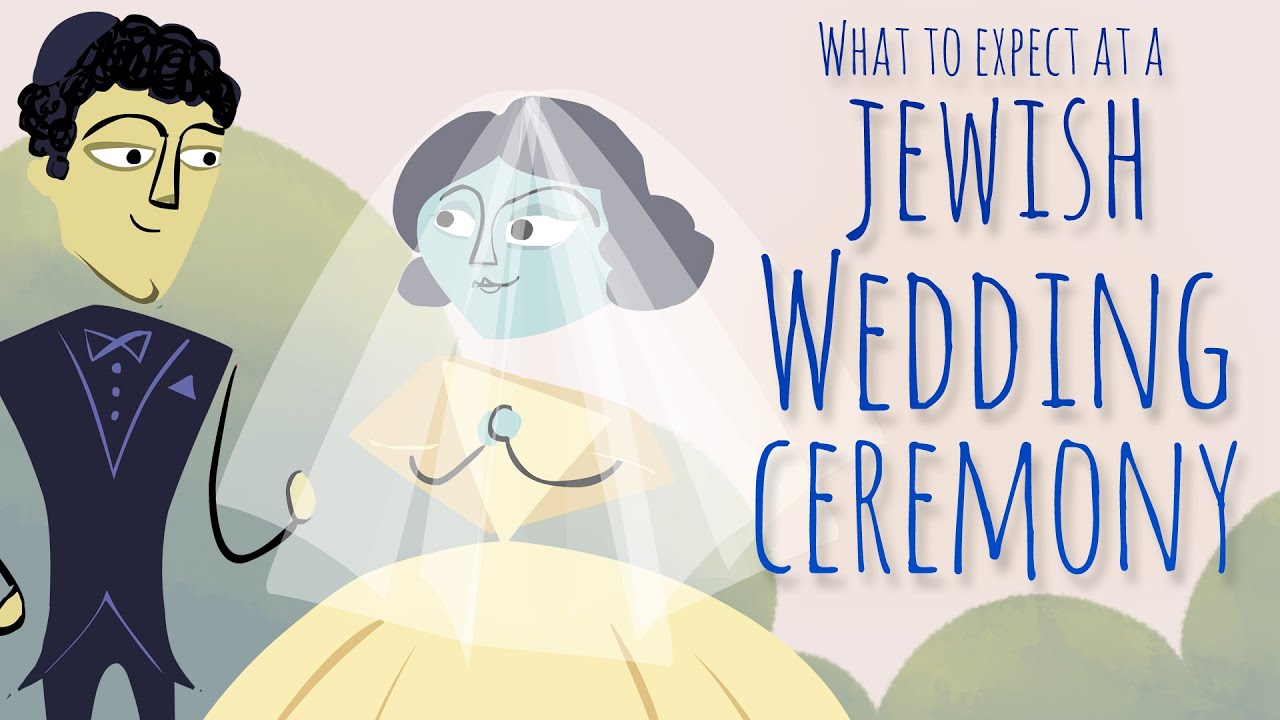
Jewish Wedding: A Celebration of Tradition and Family
Have you ever been to a Jewish wedding or wondered what makes it unique? 🎉 Jewish weddings are deeply rooted in tradition, showcasing a beautiful tapestry of rituals, customs, and community involvement. From the moment the couple gets engaged to their first steps as a married couple, every aspect is infused with meaning and purpose. Let’s dive into the vibrant world of Jewish weddings, and discover what ensures these events are both sacred and memorable.
The Significance of the Ketubah
At the heart of every Jewish wedding is the ketubah, or marriage contract. This document is not merely a legal formality but serves as a symbol of the couple’s commitment to one another. It outlines each party’s responsibilities, ensuring mutual respect and understanding in their union.
- Foundation of the Marriage: The ketubah emphasizes the sanctity of marriage within Jewish law.
- Artistic Expression: Many couples choose a ketubah that reflects their personal style, making it a cherished piece of art.
- Community Involvement: The signing of the ketubah is often a public ritual, showcasing support from family and friends.
- Legal Protection: In the case of a divorce, the ketubah serves as a legal document ensuring the wife’s rights are protected, highlighting its importance in Jewish law.
The Chuppah: Symbol of the Home
The chuppah is another significant element in a Jewish wedding that symbolizes the home the couple will build together. This canopy is typically decorated with flowers and fabrics, creating a sacred space for the couple to exchange vows.
Key Rituals in a Jewish Wedding
A Jewish wedding includes various rituals that enhance its spiritual significance. These are some essential elements:


- Bedeken: This pre-ceremony ritual involves the groom uncovering the bride’s face, signifying his intention to marry her.
- Seven Blessings: Known as the Sheva Brachot, these blessings are recited during the ceremony and emphasize joy and fulfillment.
- Breaking the Glass: At the end of the ceremony, the groom breaks a glass as a reminder of the destruction of the Temple in Jerusalem, symbolizing that joy and sorrow coexist.
Complementary Tools to Enhance Your Jewish Wedding Planning
Planning a Jewish wedding can be both exciting and overwhelming. Utilizing the right tools can streamline the process and help you focus on celebrating this important milestone. Here are some complementary tools to consider:
- Wedding Planning Software: Tools like The Knot can help you manage your guest list and track RSVPs efficiently.
- Website Creation Tools: Creating a personal wedding website using Wix can provide information about the ceremony, reception, and other related events.
- Budgeting Apps: Utilize apps like Mint to manage wedding expenses and stay within budget.
- Social Media Management: Use platforms like Canva to create stunning invitations and social media posts.
- Photography Services: Pair your wedding with professionals on platforms like Thumbtack for capturing special moments.
- Decor Rental Websites: Websites such as RentEvent can help you find decor that fits your vision.
- Floral Service Providers: Consider using services like ProFlowers for fresh floral arrangements based on traditional Jewish customs.
- Registry Platforms: You can set up a wedding registry on Zola, allowing guests to contribute to your new life together.
- Transportation Services: Ensure smooth logistics with services from Uber or local limousine services.
- Guest Management Tools: Platforms like Paperless Post can simplify invitations and track responses seamlessly.
Building a Personalized Wedding Website
In the digital age, having a dedicated wedding website can be extremely beneficial.
- Central Information Hub: A wedding website serves as an information hub for guests to access key details about the big day.
- RSVP Tracking: It provides a convenient way for guests to RSVP, and you can track responses in real time.
- Share Your Love Story: You can include your love story and important details to help guests engage with your experience.
- Easy Updates: If any changes occur, you can easily update the website without the hassle of reprinting invitations.
Creating a Wedding Registry with Zola
Setting up a wedding registry is another essential aspect of planning your Jewish wedding. With Zola, you can customize your wedding registry easily, allowing guests to select gifts that suit you.
- Universal Registry: Zola allows you to register for items from any store, giving you more flexibility.
- Group Gifting Option: This feature lets guests contribute to larger gifts, making it easier to get what you want.
- Cash Funds: You can create cash funds for experiences or future plans, catering to modern desires.
- User-Friendly Interface: The easy-to-navigate website makes adding items a breeze.
Conveying Your Values Through a Jewish Wedding
A Jewish wedding is not only a celebration of love but also of heritage and tradition. Couples often reflect their values through various elements of the wedding, such as the choice of venue, type of invitations, and even the food served at the reception.
Invitations: A First Impression
Your wedding invitations should mirror the significance of your Jewish wedding. Opting for traditional designs or modern interpretations that include Hebrew phrases can serve as an invitation to your guests, embodying your shared values and commitment to tradition.
Food: Kosher Catering
When it comes to dining, the meals served at your reception may adhere to kosher dietary laws if desired. This not only represents cultural values but gives your guests an experience that respects traditional practices. Many catering services specializing in Jewish weddings offer exceptional menus that respect these customs.
Inviting Community Into Your Jewish Wedding
Community involvement is a hallmark of a Jewish wedding. This calls for friends and family to contribute, whether it’s through participation in certain rituals or helping with planning.
Honoring Family Traditions
Many couples choose to honor family traditions by including loved ones in ceremonies. For example, having grandparents bless the couple adds a layer of significance and personal connection to the ceremony.
Incorporating Cultural Music
Including traditional Jewish music throughout the festivities can also enhance your wedding atmosphere. Consider teaming up with local musicians who specialize in Klezmer or Jewish folk music to create an authentic ambiance.
Final Thoughts on Your Jewish Wedding Journey
Ultimately, planning a Jewish wedding is not just about the event itself, but about weaving together traditions, values, and family. Utilizing complementary tools like wedding planning software, websites, registries, and creative services can help ensure that this beautiful occasion is executed flawlessly.
By embracing both the traditions and unique elements that reflect your personality, your wedding will not only celebrate your love for each other but also serve as a testament to your culture and community. So, embark on this exciting journey with confidence, ensuring every detail matters, as it will contribute to an unforgettable experience for you and your guests! ✨
The Significance of the Jewish Wedding Ceremony
Jewish weddings are rich in tradition and meaning, embodying the spiritual and cultural heritage of the Jewish people. At the heart of these ceremonies lies a commitment not only to each other but also to the community and the values of Judaism. 🕊️ This is a momentous occasion that beautifully illustrates the couple’s journey and their faith.
Understanding the Key Elements
Every Jewish wedding includes specific elements that highlight the couple’s vows and commitment:
- Kiddushin: This is the first stage of the wedding ceremony, symbolizing the sanctification of the marriage.
- Nisuin: In this second stage, the couple is officially married, often accompanied by the breaking of a glass, which symbolizes the fragility of relationships.
- Chuppah: The wedding canopy represents the home that the couple will build together.
- Seven Blessings: These are recited to celebrate the couple and their union.
These key elements serve to deepen the couple’s bond while also reinforcing their ties with their faith and community.
Cultural Traditions and Their Meaning
Jewish weddings come with a myriad of cultural traditions that vary between different communities, such as Ashkenazi, Sephardic, and others. These variations enrich the ceremony and reveal the couple’s unique identity.
The Role of the Rabbi
The rabbi plays a crucial role in officiating the wedding and ensuring that it follows Jewish law (halacha). This guidance helps the couple navigate their new life together while adhering to their faith. In comparison with secular officiants, a rabbi provides a spiritual framework that underscores the significance of the marriage within the context of Jewish beliefs.
Symbolism in Jewish Wedding Rituals
In a Jewish wedding, symbolism permeates every aspect of the ceremony. Understanding these symbols can enhance the experience for both the couple and their guests.
The Breaking of the Glass
One of the most iconic rituals in a Jewish wedding is the breaking of the glass, which occurs at the end of the ceremony. This act carries profound meanings:
- Fragility: It reminds us that relationships can be fragile and should be treated with care.
- Joy and Sorrow: The broken glass symbolizes that joy and sorrow coexist in life.
- Community: The sound of the glass shattering calls the community to share in the couple’s joy.
The Reception: Celebrating the Union
The wedding reception is a joyous culmination of the ceremony, filled with dancing, feasting, and celebration. Traditionally, the reception includes lively dancing, reflecting the happiness surrounding the couple’s union.
Unique Aspects of Jewish Wedding Receptions
Jewish wedding receptions often feature distinctive activities, such as:
- Hora: A traditional dance where the couple is lifted on chairs amidst the joyous celebration.
- Plateau of Food: A grand buffet often showcases cultural delicacies that highlight the couple’s heritage.
- Sheva Brachot: The Seven Blessings are often recited during the reception, further solidifying the couple’s bond.
Incorporating Technology in Jewish Weddings
As weddings evolve, so does the incorporation of technology. Tools such as wedding planning software can significantly enhance the experience by simplifying organization. For example, platforms like The Knot offer comprehensive planning tools that help couples stay organized throughout their wedding journey.
Maximizing Your Jewish Wedding Experience with Tech
Integrating technology can enhance your Jewish wedding in various ways:
- Digital Invitations: Create beautiful electronic invitations using tools like Canva to share your unique wedding design while saving time.
- Wedding Planning Apps: Utilize apps like WeddingWire for task management, budget tracking, and vendor communication.
- Live Streaming: Use platforms like Zoom to allow family and friends who can’t attend in person to witness the ceremony live.
- Social Media Sharing: Leveraging Instagram or Facebook for real-time sharing during the reception can enhance connection with loved ones.
Complementary Tools and Services for a Perfect Jewish Wedding
To further enhance the experience of a Jewish wedding, incorporating complementary tools and services is an excellent idea. Here are some specific recommendations:
1. Jewish Wedding Apps
Utilizing Jewish wedding apps tailored for planning can streamline many aspects of the process, from budgeting to guest lists.
2. Professional Photography
Hiring a photographer who specializes in Jewish weddings can ensure every sacred moment is captured beautifully. Here are some benefits:
- Experience with Jewish customs and rituals.
- Ability to capture candid moments during the ceremony and reception.
- High-quality images that highlight the intricacies of the wedding.
- A portfolio that resonates with personal aesthetic and cultural representation.
Consider browsing profiles on platforms like WeddingWire to find the right photographer.
3. Personalized Wedding Favors
Offering guests personalized wedding favors can leave a lasting impression as they remember your special day.
4. Custom Ketubah
Commissioning a custom ketubah (marriage contract) adds a personal touch and can serve as a work of art in your home. Choose a local artist or an online vendor specializing in traditional designs.
5. Videography Services
Like photography, videography offers the opportunity to relive the day through beautifully crafted films that highlight significant moments.
6. Wedding Coordinators
Hiring a wedding coordinator can ease the planning stress by handling logistics and vendor management, allowing you to focus on your vows.
7. Custom Invitations
Creating custom invitations that reflect your unique Jewish heritage can set the tone for your wedding. Utilize services such as Vistaprint for quick and easy design options.
8. Catering Services
Selecting a caterer that specializes in kosher meals is essential for an authentic experience. Here are a few benefits:
- Expertise in preparing traditional Jewish dishes.
- Understanding dietary restrictions and kosher laws.
- Creative presentation that aligns with wedding themes.
- Flexibility to accommodate various guest preferences.
With the right caterer, your guests will enjoy a meal that resonates with both flavor and tradition. Research options through well-reviewed platforms like Yelp.
9. Online Gift Registries
Using an online gift registry can simplify gift-giving for guests and streamline the process for you. Services like Bed Bath & Beyond can help you set up a comprehensive list of desired wedding gifts.
10. Marriage Counseling Services
Before your big day, consider attending marriage counseling sessions. This not only reinforces your commitment but also equips you with valuable tools for your future together.
The Importance of Personalization in Jewish Weddings
Personalizing each aspect of your wedding allows you to create a memorable experience that reflects your style and shared values. Whether it’s through custom texts, meaningful symbols, or cultural elements, personalization ensures your wedding stands out.
Finding Balance Between Tradition and Modernity
It’s crucial to strike a balance between traditional rituals and modern interpretations to craft a wedding that resonates with you. Many couples blend their unique preferences with cherished family customs to create a ceremony that speaks to their identity.
Conclusion:
Choosing the Right Path for Your Jewish Wedding
Ultimately, planning a Jewish wedding involves thoughtful consideration of culture, tradition, and personal touch. By incorporating complementary tools and services into your approach, you can enhance the experience for both yourselves and your guests. Remember, the joy of a Jewish wedding lies not just in the adherence to tradition but also in the love and commitment you uphold. Embrace each moment, celebrate your heritage, and start your journey together with a beautiful and meaningful ceremony.
Post-Wedding Traditions
The Enchantment of Jewish Weddings: Traditions and Significance
Have you ever wondered what makes a Jewish wedding so unique? 💍 These ceremonies are steeped in rich traditions, cultural significance, and beautiful rituals that reflect the values of love, commitment, and community. In this article, we will explore the defining elements of a Jewish wedding, ways to incorporate complementary tools and services, and a deep dive into the traditions that make these celebrations unforgettable. Get ready to discover the magic behind Jewish weddings!
Understanding the Jewish Wedding Ceremony
The Jewish wedding ceremony is a profound experience that unites two people under the canopy of love and tradition. Central to the ceremony is the chuppah, a symbolic wedding canopy representing the couple’s new home together. The ceremony blends sacred customs, prayers, and joyous celebrations that create an unforgettable atmosphere.
Key Components of a Jewish Wedding
- Ketubah: The marriage contract that outlines the couple’s responsibilities and duties to one another, often beautifully decorated and displayed.
- Seven Blessings: Special blessings recited over the couple, signifying joy, love, and partnership.
- Breaking of the Glass: A joyful act at the end of the ceremony symbolizing the fragility of relationships and the importance of cherishing the moments.
Before the Big Day: Planning a Jewish Wedding
Planning a Jewish wedding involves understanding the unique customs and traditions while ensuring that the couple’s personal touch infuses the ceremony. It can be a rewarding experience for both parties involved. Here are popular elements to consider during the planning process:
- Choosing a venue that accommodates a chuppah — many couples opt for beautiful outdoor settings or elegant halls.
- Consulting with a rabbi for guidance through the religious aspects of the ceremony.
- Incorporating traditional Jewish music, such as klezmer, to enhance the joyful atmosphere.
Complementary Tools to Enhance Your Jewish Wedding Experience
To elevate the magic of your Jewish wedding, consider integrating some complementary tools and services that can streamline your planning process and enhance the celebration itself. Here are eight innovative ideas to get started:
- Wedding Planning Apps
- Photography Services
- Customized Invitations
- Venue Coordination Software
- Catering Services
- Live Streaming Services
- Gift Registry Platforms
- Social Media Engagement
- Wedding Favors
- Bridal Wear Rental Services
1. Wedding Planning Apps
Using a wedding planning app can help couples stay organized. Tools like The Knot allow you to manage guest lists, timelines, and budgets seamlessly. By using wedding planning apps, you will:
- Organize guest lists and send invitations.
- Track RSVPs and dietary preferences.
- Maintain a checklist to ensure no detail is overlooked.
- Collaborate with vendors and manage appointments smoothly.
2. Photography Services
Capture the magical moments of your Jewish wedding with professional photography. Photographers who specialize in weddings can enhance the experience and ensure every precious moment is documented beautifully. These services come with several benefits, including:
- Experienced photographers familiar with traditional Jewish wedding rituals.
- Unique pre-wedding photo opportunities, such as Tish and Bedeken.
- Portfolio options showcasing previous wedding works that highlight important customs.
- A blend of candid and posed photography styles tailored to your preferences.
Engaging a specialist like WeddingWire enables you to find the right photographer that matches your vision.
3. Customized Invitations
Set the tone for your celebration with beautifully designed invitations that reflect the spirit of your Jewish wedding. Consider using services like Vistaprint for custom designs. Personalized invitations can:
- Include Hebrew texts or traditional symbols.
- Create anticipation for the event with elegant designs.
- Provide essential details about the ceremony and celebrations.
- Serve as cherished keepsakes for family and friends.
4. Venue Coordination Software
If planning a larger event, using venue coordination software aids in managing logistics, seating arrangements, and decorations efficiently. Programs like Eventbrite can help you streamline these processes.
5. Catering Services
The food served at a Jewish wedding can often feature traditional dishes, so working with caterers who specialize in Jewish cuisine is essential. Catering services that offer Kosher options ensure that guests’ dietary laws are respected and provide exquisite menus showcasing cultural favorites.
6. Live Streaming Services
As many families and friends may be unable to attend, using live streaming services can bring them into the experience. Platforms like Zoom allow friends and family to share in the joy of the celebration from afar. Benefits include:
- Wider reach for loved ones unable to travel.
- Interactivity through chat features during the ceremony.
- Permanent archives of the wedding ceremony for future viewing.
- Engagement opportunities for remote guests.
7. Gift Registry Platforms
When setting up a gift registry, using platforms like Zola provides options that align with your needs, from household items to experiences. This eases the gift selection process for your loved ones.
8. Social Media Engagement
Create a dedicated hashtag for your wedding day! Engaging with guests through social media platforms like Instagram can enhance connection during the event. This allows everyone to share moments and memories in real-time. Consider these points:
- Encourage guests to post photos with a unique hashtag.
- Display a live feed of social media posts at the reception.
- Use photos from the day for thank-you notes or keepsakes.
- Foster community engagement around shared memories.
9. Wedding Favors
Providing guests with personalized wedding favors can express gratitude for their support. Consider items that reflect Jewish customs, like small mezuzahs or honey jars symbolizing sweetness in marriage. These favors make lovely mementos from the day.
10. Bridal Wear Rental Services
For those wishing to wear designer attire without the hefty price tag, using bridal wear rental services like Borrowing Magnolia can be ideal. This not only enhances your Jewish wedding experience but is also a sustainable choice.
Emphasizing Cultural Traditions
As you prepare for your wedding, understanding the cultural traditions that permeate the Jewish wedding rite enriches the experience for everyone involved. The emphasis on community, spirituality, and love resonates throughout the ceremony and serves as a testament to the couple’s shared values.
Main Rituals and Their Meaning
The Jewish wedding ceremony possesses various meanings—all reflecting profound sentiments:
- Chuppah: Symbolizes the couple’s new home.
- Ketubah: A written agreement that protects the rights of both partners.
- Breaking of the Glass: Represents the destruction of the Temple in Jerusalem and reminds couples to treasure good times as well as navigate hardships together.
What’s Next: Planning Your Unique Jewish Wedding
As you embark on the journey of planning your Jewish wedding, bear in mind that intertwining tradition with personal preferences will create an unforgettable experience. This celebration becomes a tapestry of cultural heritage and your unique love story. By embracing the key elements discussed and utilizing complementary tools, your wedding will resonate with timeless beauty and significance. Remember, every detail matters in making this celebration truly special.
So, what are you waiting for? Dive into the enchanting world of Jewish weddings today and start planning the day of your dreams! ✨
