Jesus on a cross: essential, definitive guide with 7 key insights
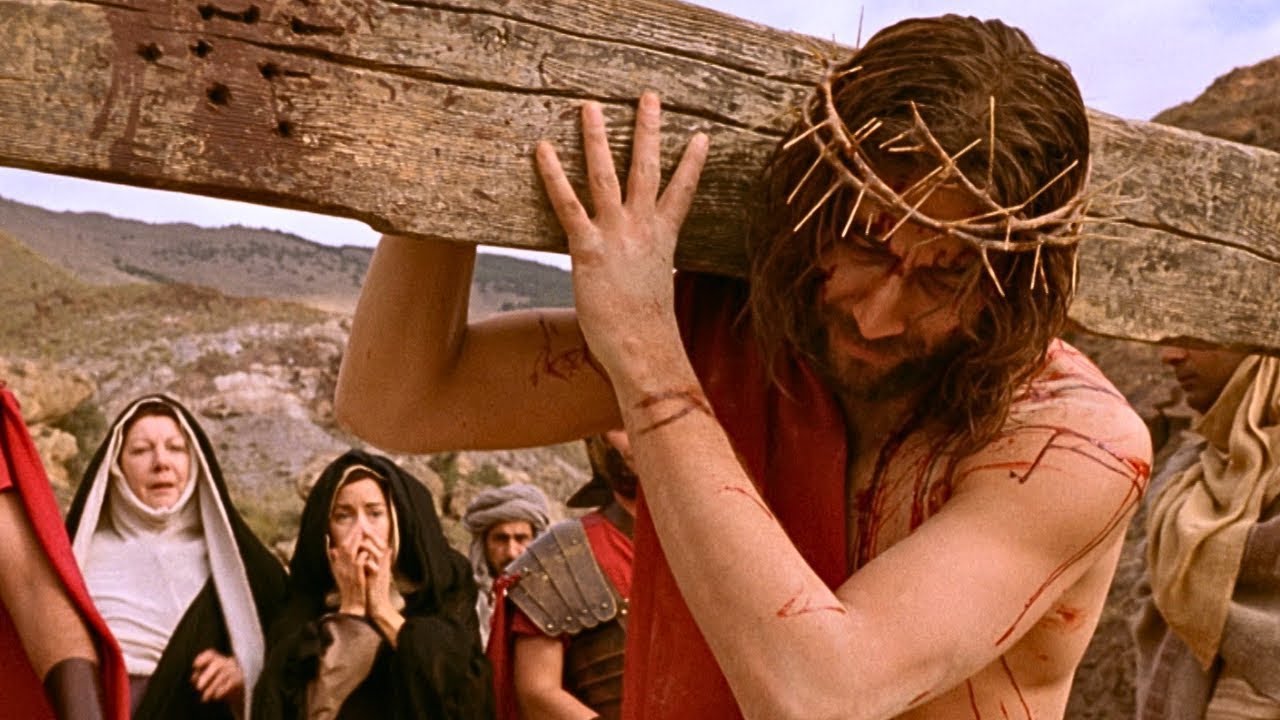
jesus on a cross: meaning, history, and symbolism
For two millennia, the image of jesus on a cross has stood at the heart of Christian faith, art, and devotion. Whether seen on a church altar, in a museum, or worn as a small pendant, it represents a moment that Christians believe changed the course of history: the crucifixion of Jesus of Nazareth. Far from being a mere historical scene, it is a sign of hope, forgiveness, and love in the face of suffering, and a reminder of the promise of resurrection.
Understanding why jesus on a cross matters involves exploring several layers: the ancient practice of crucifixion, the New Testament accounts, the theological meaning Christians draw from the event, and the rich visual traditions that have developed in both Eastern and Western Christianity. This guide offers a clear, friendly overview so you can appreciate the image with confidence—whether as a believer, a curious visitor, or an admirer of religious art.
Along the way we will note how different churches present the Crucified One, how artists highlight aspects such as sacrifice and mercy, and how practical spiritual practices help people reflect on the scene with thoughtful reverence.
What does jesus on a cross depict?
At its simplest, the image of jesus on a cross shows Christ nailed to a wooden cross, usually with the letters INRI placed above his head (from the Latin for “Jesus of Nazareth, King of the Jews”). The figure may appear suffering, serene, or triumphant, depending on the style and the tradition it comes from. The core meaning, however, remains consistent: Jesus freely accepts suffering and death for the sake of humanity, and Christians believe this leads to forgiveness and new life.

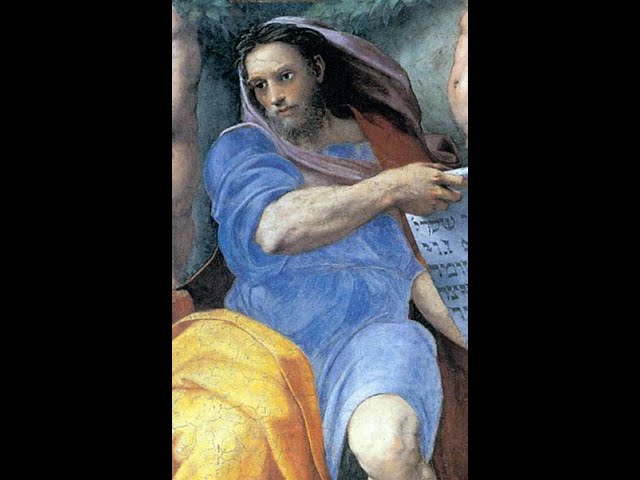
Because of this, depictions of jesus on a cross are not intended to glorify pain; rather, they seek to reveal love that perseveres through injustice. The image becomes a sign of solidarity with all who suffer and a pledge of the transformation of suffering through God’s compassion.
Historical background: from Roman execution to Christian symbol
Crucifixion was a Roman method of execution reserved for rebels, slaves, and those the Empire wished to shame publicly. Jesus was condemned and executed under Pontius Pilate in Jerusalem. The New Testament Gospels and early Christian writings interpret this event in light of Jewish Scripture, portraying it as a fulfilment of God’s saving plan. For the first Christians, the cross—once a symbol of humiliation—became the sign of God’s power to bring life from death.
Archaeology and ancient sources confirm that crucifixion was a brutal but not uncommon punishment in the Mediterranean world of the first century. Within a few generations, Christians began to remember the event liturgically, especially during Holy Week, and eventually used the cross as a public emblem of their faith. The movement from execution device to sacred sign is central to Christian identity and explains why so many churches feature the cross prominently.
From event to icon
As the Church grew, the community began to give visual form to its beliefs. Early art often avoided explicit scenes of execution, favouring symbols like the Chi-Rho or the Good Shepherd. Later, especially from the fourth century onward, artists depicted the scene more directly. Over time, the crucifix—the figure of jesus on a cross—became a central image in Christian art and worship.
Theology and spiritual meaning of jesus on a cross
For Christians, the crucifixion is not only a historical event but also a revelation of who God is. In the image of jesus on a cross, many see the mystery of divine love: God becomes vulnerable, shares human suffering, and offers forgiveness even to those who cause harm. The cross and the resurrection belong together; the meaning of the cross is not defeat but the surprising victory revealed on Easter morning.
Theology explores this in different ways. Some emphasise Jesus as the suffering servant who bears injustice; others stress Christ’s triumph over death and evil. Many Christians hold these together: at the cross, justice and mercy meet, and human dignity is affirmed. The image invites viewers to consider how sacrificial love can transform lives and societies.
Across Christian traditions
Different Christian families highlight distinct aspects of the Crucified One. In many Western churches (Roman Catholic and some Anglican and Lutheran communities), the crucifix shows the body of Christ to emphasise the self-giving love of the Saviour. Many Protestant churches prefer an empty cross, pointing to the risen Lord and the victory over death. In Eastern Christianity, a more stylised, iconographic approach often portrays Christ as serene, emphasising his kingship even in death.
If you are interested in how practices and beliefs compare, this overview of Orthodox vs Catholic differences offers helpful context for understanding how each tradition presents the cross in worship and art.
Visual elements: how artists portray jesus on a cross
Artists use details to communicate meaning. In an image of jesus on a cross, you might notice the crown of thorns, the nails in the hands and feet, the wound in the side, and the title board (INRI). Each element has a scriptural or devotional source. The posture of the body also varies: some depictions highlight agony to underline solidarity with human suffering; others present a more peaceful stillness to signify Christ’s willing self-offering and royal dignity.
Symbolic colours, flanking figures (such as Mary and John), and background scenes (Jerusalem, Golgotha, or abstract gold) add layers of meaning. In medieval Western art, the three-nail depiction became common; earlier images sometimes used four. Contemporary artists might simplify forms to convey the universal scope of the event.
Common styles and materials
Crucifixes appear in wood, bronze, stone, and even glass. In homes, small wall crucifixes or simple crosses serve as reminders of prayer; in churches, large crucifixes preside over the sanctuary. The way jesus on a cross is crafted—rugged or refined, stark or ornate—often echoes the spiritual emphasis of the community that displays it.
- Byzantine icons: stylised, with theological inscriptions and a sense of stillness.
- Gothic and Renaissance works: naturalistic anatomy, expressive faces, and dramatic light.
- Modern minimalism: reduced forms that focus attention on the essential shape and message.
Observances and prayer inspired by jesus on a cross
Holy Week brings the crucifixion into sharp focus, particularly on Good Friday. Processions, readings of the Passion, and veneration of the cross invite believers to contemplate jesus on a cross as the supreme sign of compassion. The Stations of the Cross—a devotional journey through key moments leading to Calvary—helps people meditate step by step on Christ’s path.
In daily life, people reflect on jesus on a cross with short prayers or by spending a moment before a crucifix at home or in a church. Some find that personal reflection on the cross fosters patience, empathy, and a renewed commitment to serve others. If you are looking for a simple practice, the Divine Mercy Chaplet prayer is a short devotion that centres on trust in God’s mercy flowing from Christ’s sacrifice.
Practical ideas for reflection
- Choose a quiet time each day to sit before an image of jesus on a cross, and consider one aspect: forgiveness, courage, or hope.
- Read a short passage from the Gospels, then observe the image again, noticing new details.
- Let the cross inspire an act of kindness—reaching out to someone lonely, forgiving a grievance, or supporting a local charity.
- Keep a simple journal noting how contemplating the cross influences your choices.
Ethics and everyday life: lessons drawn from jesus on a cross
Beyond personal prayer, the image offers ethical direction. Seeing jesus on a cross calls to mind the dignity of every person, especially the vulnerable. It challenges indifference and invites practical compassion—whether that means patient listening, fair dealing at work, or advocacy for justice. The cross also cautions against revenge; it points to a mercy that seeks healing for both victim and perpetrator.
In relationships, this vision of love encourages consistency and humility. Parents, carers, and community leaders often cite the cross as a reminder to serve quietly and to persevere in doing good, even when the results are not immediate.
Common mistakes when interpreting the image
It is easy to misunderstand the symbol if we view it only through the lens of pain or only through the lens of triumph. The Christian tradition holds both together: the cross is real suffering and real victory. Another frequent error is assuming all depictions are meant to be historically exact; artists often make theological choices to convey meaning. Finally, some may think that the image glorifies suffering; instead, it speaks of love that refuses to retaliate and of hope that endures.
Recommended external resources
To explore history, theology, and art in more detail, these reliable resources offer clear introductions and deeper dives:
- Overview of the crucifix and its history provides a broad survey of imagery, symbolism, and variations across cultures and eras.
- Britannica’s article on the crucifixion of Jesus summarises historical background, biblical sources, and key interpretations.
- BBC guide to Easter and the crucifixion explains how Good Friday and Easter relate to the cross and to Christian belief.
Related articles
Frequently asked questions about jesus on a cross
Is there a difference between a cross and a crucifix?
Yes. A cross is the simple shape without a figure, while a crucifix includes the body of Christ. Both are Christian symbols. Many churches use the cross to emphasise the resurrection, and many use the crucifix to highlight Christ’s self-giving love. Both point to the same mystery and are complementary rather than opposed.
Why do some images show three nails and others four?
Artistic traditions vary. Early images sometimes used four nails (one in each hand and foot), while later Western art commonly showed three (a single nail for both feet). The difference is not a doctrinal point; it reflects artistic and devotional choices aimed at communicating particular aspects of faith.
What does INRI mean above the cross?
INRI stands for Iesus Nazarenus Rex Iudaeorum—Latin for “Jesus of Nazareth, King of the Jews.” According to the Gospels, the Roman authorities placed this title above Jesus during the crucifixion to indicate the charge against him. Artists include it to connect the scene to the biblical accounts.
Is it appropriate to have a crucifix at home?
Many Christians keep a crucifix or a simple cross in a quiet place for prayer. The goal is not decoration but a focal point for reflection on Christ’s love. If you choose to display an image of jesus on a cross, place it where it encourages peace and contemplation.
How do Good Friday and Easter relate to the cross?
Good Friday commemorates the crucifixion; Easter celebrates the resurrection. The two belong together: the meaning of the cross is revealed by the empty tomb, and the joy of Easter flows from the love shown on Calvary. Together they form the climax of the Christian year.
Isn’t the cross a sign of defeat?
Viewed only as an execution, it could seem that way. But Christian faith sees God’s victory in apparent defeat. The cross displays a love stronger than violence and a hope that outlasts death. That is why the image inspires courage rather than despair.
Conclusion on jesus on a cross
Across centuries, cultures, and denominations, the image of jesus on a cross continues to speak. It condenses the Christian story into a single scene: God’s solidarity with the suffering, the transformative power of forgiveness, and the hope of life beyond death. That is why churches display it, artists return to it, and many keep it close in daily prayer.
To view the crucifix well is to look with compassion: to see both the weight of injustice and the promise of renewal. Whether you approach it as a believer seeking deeper devotion or as a thoughtful observer of history and art, the image invites a response—patience in hardship, mercy in conflict, and generosity in action.
In the end, jesus on a cross is not only about the past; it is a living sign for the present. It asks each of us to imagine what love looks like where we live and work, and to take the next small step towards it with courage and hope.
