January 22 Day of Prayer Legal Protection of Unborn Children Key Guide
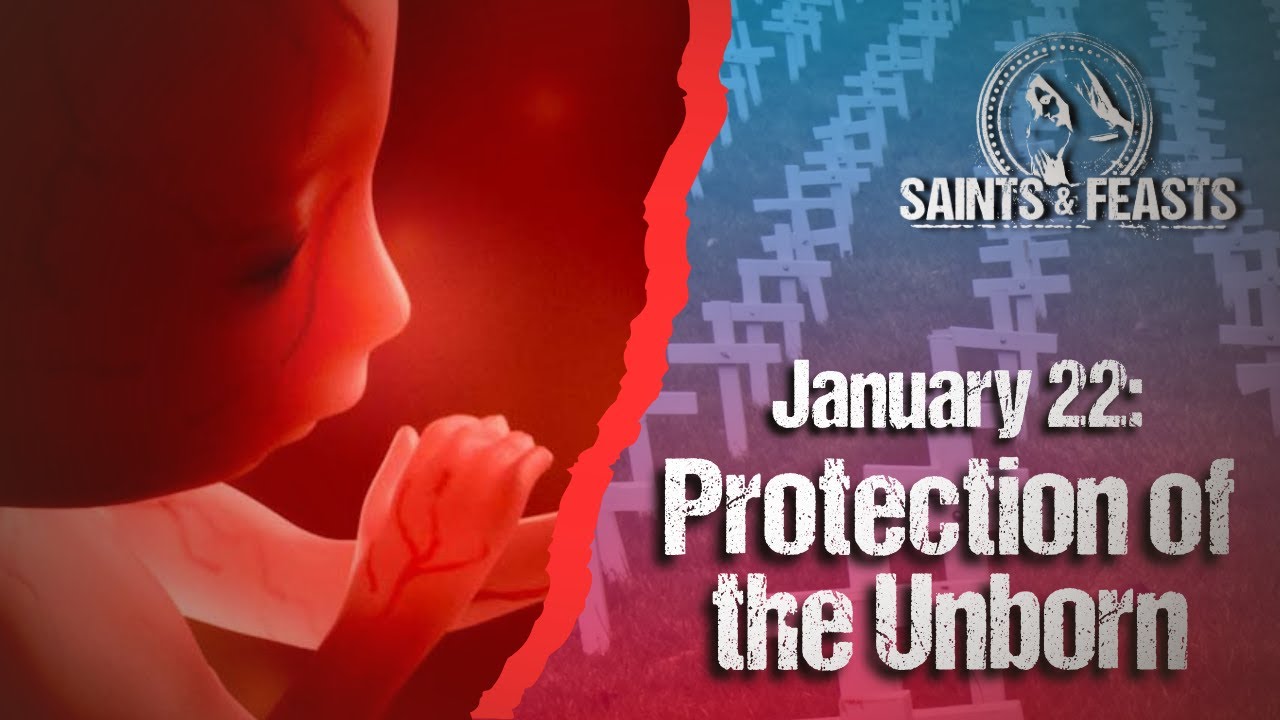
january 22 day of prayer for the legal protection of unborn children
The january 22 day of prayer for the legal protection of unborn children is a focused moment for Christians—particularly in the United States—to pray, reflect, and commit to actions that uphold the dignity of human life from conception. While the date reflects an American context and legal history, the underlying call to compassion, protection, and pastoral care resonates across Christian communities worldwide. In this guide, you will find the background to the observance, practical ways to participate, recommended prayers and readings, and thoughtful, non-sensational guidance for respectful communication.
At heart, the day of prayer for the legal protection of unborn children is about drawing near to God, asking for wisdom, and promoting a culture where every human life is valued. Whether you are an individual, part of a parish, involved in school ministry, or simply curious, the reflections and steps below will help you observe the day with clarity and purpose.
What is january 22 day of prayer for the legal protection of unborn children?
The january 22 day of prayer for the legal protection of unborn children is an annual Christian observance, most visible in Catholic parishes across the United States, that invites prayer, fasting, and concrete charitable action to uphold the dignity of human life in law and in society. It often includes Mass, dedicated liturgical prayers, Eucharistic adoration, rosaries, and private devotions, together with teaching and service initiatives that accompany families and support mothers and children.
Origins and historical context
This observance emerged in response to legal milestones and debates around abortion, originally associated with the 1973 Roe v. Wade decision in the United States. For many, 22 January became a yearly opportunity to pause, pray, and serve. In recent years, after significant legal shifts such as the Dobbs decision, the pastoral emphasis has broadened to include sustained support for families, compassionate accompaniment for those affected by abortion, improved access to care, and a deeper, long-term commitment to the common good. The january 22 day of prayer for the legal protection of unborn children remains a time to seek God’s guidance in protecting life and healing wounds.


What it means today
Today, the day is not only about law but also about hearts, communities, and culture. It highlights the responsibility to foster practical support—healthcare, housing, childcare, and education—so that choosing life is supported and celebrated. It also encourages pastoral sensitivity and respectful engagement in public discussions, ensuring that language builds bridges rather than deepens divides. In this way, the january 22 day of prayer for the legal protection of unborn children calls people of goodwill to renew their commitment to mercy, truth, and hope.
How to observe january 22 day of prayer for the legal protection of unborn children
For individuals
- Attend Mass or a prayer service, if available, and offer the day’s intentions for mothers, fathers, children, and all who work for life.
- Set aside time for quiet prayer: read Scripture, pray the rosary, or spend a few minutes in contemplation before the Blessed Sacrament if your church is open.
- Fast or offer a simple act of penance as an expression of solidarity and intercession.
- Choose a concrete act of charity: donate to a maternity home or pregnancy resource centre, volunteer with a local family support charity, or prepare a meal for new parents in your community.
- Reach out with compassion to someone who may be carrying a hidden burden related to pregnancy, parenthood, infertility, or loss.
If you are looking for a structured devotion, consider a step-by-step guide to the Divine Mercy Chaplet prayer, especially powerful for intercession and healing. On the january 22 day of prayer for the legal protection of unborn children, this devotion can frame your day with mercy and trust.
For parishes and ministries
- Offer a dedicated liturgy with appropriate intercessions, and, if allowed, a votive Mass or prayers “for giving thanks to God for the gift of human life.”
- Host an hour of adoration or a parish rosary, with silent reflection to remember children lost and to pray for families in need.
- Invite local charities to share ways the parish can help—baby-item drives, mentoring for new parents, or emergency housing support.
- Provide pastoral resources for those seeking healing after abortion, including confidential referrals.
- Ensure communication is compassionate, accurate, and welcoming to all, including guests or those who are unsure about attending.
For schools and families
- Plan age-appropriate lessons on human dignity, kindness, and service—focusing on practical care for families and the beauty of new life.
- Organise a family prayer night at home with a short Scripture reading and a simple decade of the rosary.
- Encourage projects that support local family services, such as collecting nappies, formula, or gift cards for essentials.
Remember, the january 22 day of prayer for the legal protection of unborn children need not be complicated. Simple, sincere actions—rooted in prayer—are often the most fruitful.
Prayers and themes suitable for january 22 day of prayer for the legal protection of unborn children
Many Christians choose readings that celebrate God’s care and the preciousness of every person. Psalms that speak of being known in the womb, Gospel passages about welcoming the little ones, and prophetic texts about God’s delight in his people all fit naturally. Consider reflecting on Scripture passages like Psalm 139, Jeremiah 1:5, Luke 1:39–45, or a prophetic reassurance of God’s love. For deeper Scripture reflection, you might also explore this short study on God’s tender presence in Zephaniah 3:17.
Popular devotions include the rosary, litanies of the saints, the Divine Mercy Chaplet, and prayers for mothers and families. On the january 22 day of prayer for the legal protection of unborn children, many parishes offer Eucharistic adoration for quiet contemplation, allowing space for personal intentions and pastoral healing.
Legal, cultural, and pastoral dimensions
The day of prayer for the legal protection of unborn children is rooted in the belief that human dignity is inherent, not conferred by law. While legal frameworks matter profoundly, the Church’s approach is holistic: it encompasses support for expectant parents, healthcare access, family stability, and respectful public discourse. The january 22 day of prayer for the legal protection of unborn children can, therefore, be a springboard for long-term commitments—supporting pregnancy resource centres, encouraging responsible public policies, and ensuring that no family faces hardship alone.
It is equally important to tend to wounds. Many carry grief, regret, or unanswered questions. Pastoral care—rooted in mercy—offers accompaniment, sacramental reconciliation where relevant, and community that listens without judgement. This balance of truth and compassion lies at the heart of the observance.
Communication guidelines for january 22 day of prayer for the legal protection of unborn children
Words matter. When speaking about delicate topics, aim for clarity and kindness. Avoid assumptions, oversimplifications, or language that stigmatises. Good communication is factual, person-centred, and hopeful. It highlights practical help and acknowledges complexity without losing sight of principle. The january 22 day of prayer for the legal protection of unborn children is most effective when communication invites conversation, cooperation, and care.
Common mistakes to avoid
- Using inflammatory or accusatory language. This alienates those who might be seeking help or dialogue.
- Focusing solely on laws without offering personal or parish-level support.
- Overlooking the needs of fathers, grandparents, and extended family who may need guidance and solidarity.
- Spreading unverified statistics or claims. Always cite reliable sources.
- Neglecting pastoral sensitivity for those directly affected by abortion or pregnancy loss.
A practical step-by-step plan
- Clarify your intention: Offer the day for the protection of life and for healing where it is needed.
- Choose your prayer: Attend Mass, schedule a visit to a chapel, or set a time at home for Scripture and devotions.
- Plan a simple penance: A modest fast, abstinence, or a digital “quiet hour” for prayerful silence.
- Decide on an act of charity: Donate baby essentials, contribute to a family support fund, or volunteer time.
- Learn and share: Read a Church document or a reliable article and pass along one helpful resource to a friend.
- Follow up: Make one ongoing commitment—monthly giving, volunteering, or regular intercessory prayer.
By taking small, consistent steps, the january 22 day of prayer for the legal protection of unborn children can mark the beginning of a year-long commitment rather than a single day’s activity.
Real-world examples
- A parish hosts a morning Mass, followed by coffee and a talk from a local family support charity about gaps in services and how parishioners can help.
- A school organises a “welcome baby” drive, collecting nappies, wipes, and gift cards for a nearby shelter, alongside a family rosary evening.
- A community establishes a “meal train” to support mothers and families in the months after birth, ensuring practical, consistent care.
Building a year-round culture of care
One day is a spark; the flame needs tending. Consider creating a parish life team that coordinates ongoing projects: transport to prenatal appointments, childcare assistance, budgeting courses, and advocacy for robust family policies. The january 22 day of prayer for the legal protection of unborn children can function as a yearly review point—what is working? Where are the gaps? Who needs more support?
Internal and external links to deepen your understanding
For official teaching and pastoral guidance on the dignity of life, explore the United States Conference of Catholic Bishops’ comprehensive pro-life portal at USCCB Pro-Life Activities. For a broader theological foundation, St John Paul II’s encyclical Evangelium Vitae (The Gospel of Life) remains a touchstone, balancing truth, mercy, and pastoral care. If you are interested in public, peaceful witness that often coincides with the january 22 day of prayer for the legal protection of unborn children, the March for Life website provides dates, themes, and practical guidance for participation.
If you would like devotional support, this step-by-step introduction to praying the Divine Mercy Chaplet can be helpful for personal or small-group prayer. For Scripture study, reflect prayerfully on God’s tender care using this brief guide to Zephaniah 3:17, which speaks of the Lord’s rejoicing over his people with love.
Recommended external resources
- USCCB Pro-Life Activities – official resources, prayers, and pastoral guidance for the day of prayer for the legal protection of unborn children.
- Evangelium Vitae (Vatican) – theological and pastoral reflection on the dignity and inviolability of human life.
- March for Life – information on annual gatherings, themes, and peaceful witness related to the sanctity of life.
Related articles
Frequently asked questions about january 22 day of prayer for the legal protection of unborn children
Is the january 22 day of prayer for the legal protection of unborn children only a Catholic observance?
It is most prominently observed in Catholic communities in the United States, but Christians from other traditions often join in prayer and service on or around that date. The core invitation—prayer, compassion, and practical support for families—is compatible with many Christian approaches to the sanctity of life.
What if my parish does not mark the day?
You can still participate at home with Scripture, the rosary, or the Divine Mercy Chaplet, offer a fast or penance, and choose a charitable action. The january 22 day of prayer for the legal protection of unborn children is meaningful whether celebrated in a large congregation or quietly in your family.
Is there a specific set of prayers to use?
There is no single mandatory formula. Many use readings that highlight God’s care for the vulnerable. Parishes often include special intercessions. You are free to use approved devotions and prayers that fit the day of prayer for the legal protection of unborn children and your personal or parish context.
How can we ensure the day is compassionate and welcoming?
Use respectful language, offer confidential pastoral support, and focus on practical assistance for families. The january 22 day of prayer for the legal protection of unborn children should be a place of mercy and accompaniment for anyone who seeks healing or support.
What can families with young children do?
Keep it simple: a short Bible reading, a decade of the rosary, and an act of kindness such as preparing a small donation for a family service. Small steps, done with love, embody the spirit of the january 22 day of prayer for the legal protection of unborn children.
Conclusion on january 22 day of prayer for the legal protection of unborn children
The january 22 day of prayer for the legal protection of unborn children invites us to combine heartfelt prayer with practical love. Rooted in the conviction that every person bears the image of God, the day calls for mercy, hope, and a culture that supports families before and after birth. It is a time to engage thoughtfully, avoiding sensationalism, and instead offering companionship and concrete help.
Whether you attend a parish liturgy, pray quietly at home, or organise a simple act of service, your participation matters. The day of prayer for the legal protection of unborn children can be a yearly reminder to renew long-term commitments—supporting local charities, listening with compassion, and communicating with care.
Let the january 22 day of prayer for the legal protection of unborn children be a starting point: a day that shapes habits of prayer, generosity, and advocacy sustained throughout the year. In doing so, we help build communities where every life is protected in love and upheld in law.
