How was carlos acutis body preserved: an essential, definitive guide
how was carlos acutis body preserved
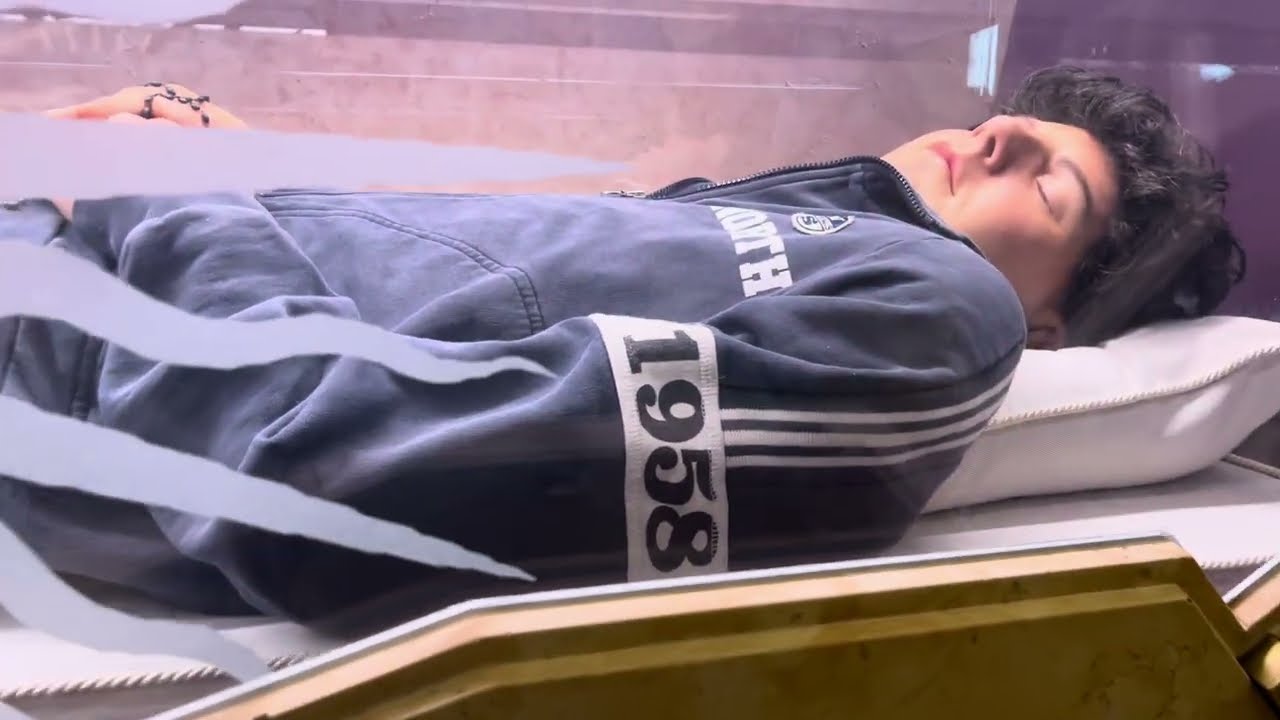
Many people have wondered how was carlos acutis body preserved after images of the young Italian blessed were widely shared online. Photos of Carlo Acutis lying in a glass tomb, dressed in casual clothes and with remarkably lifelike features, prompted headlines about “incorruptibility” and debate about what the Catholic Church actually did to prepare his remains for public veneration. In this article, we explain clearly what happened, why it matters, and how the Church typically handles the exhumation and presentation of the remains of holy men and women.
Before diving into the detail, it’s helpful to set the context. Carlo Acutis, who died in 2006 aged 15, was beatified in 2020. Ahead of his beatification, his body was exhumed and placed in a shrine in Assisi, where the faithful could visit. Understanding how was carlos acutis body preserved helps separate fact from fiction and clarifies the difference between natural “incorruptibility” and respectful restoration for devotional display.
Why the question “how was carlos acutis body preserved” matters
The question isn’t simply curiosity. It touches on long-standing traditions around relics, the ethics of caring for human remains, and the Church’s pastoral desire to allow the faithful to pray near the tombs of those recognised for their heroic virtues. When people ask how was carlos acutis body preserved, they are often seeking reliable information in the face of online speculation. They also want to know whether claims of a miraculous “incorrupt” body are accurate.
In the case of Carlo, Church authorities clarified that his body was not incorrupt in the strict sense. Instead, his remains underwent the normal processes of decay, and specialists carried out a reverent and professional restoration so that the body could be placed in a dignified, recognisable manner for public veneration.
Who was Carlo Acutis, and why was his body displayed?
Carlo Acutis (1991–2006) was a teenager known for his deep love of the Eucharist, his cheerful faith, and his skill with computers, which he used to catalogue Eucharistic miracles and other resources online. He died of leukaemia in October 2006 and asked to be buried in Assisi. He was declared Blessed in 2020 after the Church recognised a miracle through his intercession. Public devotion to Carlo grew rapidly, and his remains were transferred to the Shrine of the Renunciation (Santuario della Spogliazione) in Assisi.
As part of preparations for his beatification, his tomb was opened in 2019. Reports and official statements at the time explained that, although recognisable, the body had experienced natural decomposition. This context is essential for understanding the practical answer to how was carlos acutis body preserved.
Incorruptibility versus preservation: what’s the difference?
A key source of confusion is the difference between an “incorrupt” body and one that has been preserved or restored. In Catholic history, a small number of saints appear to have bodies that did not decompose normally; these are sometimes called “incorrupt.” However, the Church is cautious about using that term and does not treat incorruptibility as proof of sanctity by itself. In most modern cases, when remains are prepared for display, specialists ensure the body is presented respectfully and recognisably, which may involve minimal reconstruction.
Therefore, when people ask how was carlos acutis body preserved, the answer is rooted in standard, ethical conservation methods rather than a claim of miraculous incorruptibility. The body was not found incorrupt; it was carefully re-composed and presented, with a lifelike mask to restore the face and hands for public viewing.
What exactly happened during the exhumation and display?
When Carlo’s tomb was opened, diocesan authorities supervised a normal canonical exhumation. The body was examined, documented, and prepared for transfer to a reliquary tomb. Church statements and reputable Catholic media confirm that restoration was carried out. For those asking how was carlos acutis body preserved, it’s helpful to outline the steps in broad terms, as reported by Church sources and the Catholic press.
Documented steps: how was carlos acutis body preserved in practice
According to official communications at the time and subsequent reporting, the process involved:
- Opening the tomb under ecclesial and civil oversight.
- Assessing the condition of the remains, which had naturally decomposed.
- Re-composing the skeleton and any remaining tissues so the body could lie in a natural, dignified posture.
- Creating a lifelike mask for the face (and coverings for the hands) so that visitors could pray without seeing the effects of decomposition.
- Clothing the body in attire associated with Carlo—jeans, trainers, and a sweatshirt—signalling his everyday holiness.
- Placing the re-composed remains in a sealed, climate-controlled reliquary tomb for veneration.
If you want a concise, official overview of the beatification and the public veneration period, see Vatican News’ coverage: Vatican News report on the beatification of Carlo Acutis. For clarification specifically addressing rumours of incorruptibility, a helpful summary is available from the Catholic News Agency: CNA article clarifying claims about incorruptibility.
Recomposition, masks, and why they are used
In modern conservation, if a face is no longer recognisable, specialists may craft a wax or silicone mask for public display. This is not an attempt to mislead; it is a respectful choice to present the person recognisably while avoiding the distress that an exposed, decomposed face might cause pilgrims. The method is similar to what has been used for other modern holy figures. The key point for anyone asking how was carlos acutis body preserved is that the mask covers and protects the remains and allows the faithful to focus on prayer rather than the effects of time.
Clothing and presentation
Photographs show Carlo in everyday clothes—trainers, jeans, and a sweatshirt—lying in a glass case. This choice underscores that sanctity is compatible with ordinary life. The glass reliquary is designed to maintain appropriate temperature and humidity, further preserving what remains of the body, clothing, and any internal supports. Again, this is a standard, ethical conservation practice; it does not mean the body is “untouched by decay.”
Key facts to remember about how was carlos acutis body preserved
- The body was not found incorrupt in the strict sense.
- The remains were re-composed and restored to a dignified, recognisable form.
- A lifelike mask was used to present the face and hands.
- The body was clothed and placed in a sealed, controlled reliquary for veneration.
- All steps were taken under Church oversight and in keeping with pastoral and ethical standards.
Common misconceptions and media headlines
Some early social media posts and headlines suggested a fully incorrupt body. Church officials corrected this. This is why careful readers keep returning to the central question: how was carlos acutis body preserved? The simplest answer is that he was treated with respect using standard conservation and presentation methods, with no claim that his body did not decompose. Reputable press outlets have echoed that distinction; the BBC’s coverage of the beatification and other mainstream reports emphasised the context of prayer and devotion rather than sensational claims.
How the Church views relics and public veneration
Relics—whether the body or objects associated with a blessed or saint—are not magical. They are honoured as tangible reminders of God’s grace at work in a human life. When asking how was carlos acutis body preserved, it helps to understand that the aim is not spectacle but devotion. The Church wants pilgrims to pray, ask for intercession, and be inspired to live the Gospel. Public display also has practical pastoral benefits: it allows many people to gather, give thanks for a life of faith, and seek consolation.
Veneration practices differ across Christian traditions. For a broader context on how Catholics view relics compared with other Christian communities, you may find this useful: differences between Orthodox and Catholic beliefs. While the approaches vary, the common thread is reverence for the holy and respect for human remains.
Ethics, transparency, and pastoral care
Ethical handling of human remains is a non-negotiable. In Carlo’s case, diocesan authorities communicated the essentials: the body had undergone normal decomposition, and a mask was used for presentation. For those still wondering how was carlos acutis body preserved, the emphasis is that nothing deceptive was intended. The pastoral priority is to provide a prayerful, dignified setting in which people can encounter the witness of Carlo’s life.
Theologically, the body has dignity because it was the temple of the Holy Spirit in life and awaits resurrection. Practically, clarity prevents confusion. Whenever a figure attracts worldwide attention—especially a teenager whose relatable life story has inspired many—precise language matters. That is why authoritative sources are so important.
Visiting the shrine and learning more
Carlo’s remains rest in the Santuario della Spogliazione in Assisi. Pilgrims can pray there, reflect on his life, and seek his intercession. For historical and biographical background, the Wikipedia entry on Carlo Acutis provides a helpful overview, alongside ecclesial sources. For official information on the beatification events and liturgies, consult Vatican News’ detailed report.
Devotional practices connected to Carlo often include Eucharistic Adoration and prayer for mercy and trust. If you wish to deepen your own prayer life in that spirit, this guide may help: praying the Divine Mercy Chaplet.
Recommended external resources
- Vatican News: Beatification of Carlo Acutis and public veneration
- Catholic News Agency: Clarification on incorruptibility claims
- BBC: Background report on Carlo Acutis’ beatification
- Wikipedia: Comprehensive biography of Carlo Acutis
Frequently asked questions about how was carlos acutis body preserved
Was Carlo Acutis’ body incorrupt?
No. Church authorities clarified that his body had undergone normal decomposition. For those asking how was carlos acutis body preserved, the accurate description is re-composition and respectful restoration, including a lifelike mask, not incorruptibility.
Why was a mask used on his face and hands?
A mask is a common conservation solution when a face is no longer recognisable or could distress viewers. It allows the faithful to focus on prayer and the person’s witness. In explaining how was carlos acutis body preserved, the mask is a key part of the standard presentation process.
Is the use of a mask deceptive?
No. The practice is widely known and often stated openly by Church officials. The purpose is pastoral and respectful, not sensational. The question of how was carlos acutis body preserved is answered transparently by saying the remains were re-composed and presented with a protective, lifelike covering.
Why is Carlo shown in casual clothes?
He is shown in the clothes that symbolise his everyday life—jeans, trainers, and a sweatshirt—to highlight that holiness can be lived in ordinary circumstances. This choice doesn’t change how was carlos acutis body preserved; it simply adds a meaningful, recognisable context.
Where can I find official information about the exhumation and display?
Reliable updates and clarifications were shared by Church outlets and confirmed by Catholic media. For instance, see the Vatican News report and the CNA clarification—both useful when examining how was carlos acutis body preserved.
Does preservation affect whether someone can be a saint?
No. Canonisation focuses on heroic virtue and verified miracles, not the state of the body. Whether naturally incorrupt or preserved by ordinary means, the essential question is the person’s holiness. That context helps to put how was carlos acutis body preserved into perspective.
Conclusion on how was carlos acutis body preserved
In summary, how was carlos acutis body preserved? The Church oversaw a canonical exhumation, found that the remains had undergone normal decomposition, and engaged specialists to re-compose and present the body reverently. A lifelike mask was added for the face and hands, the remains were clothed in garments associated with Carlo, and the body was placed in a sealed, climate-controlled reliquary for veneration. Nothing about this process claims miraculous incorruptibility.
Understanding how was carlos acutis body preserved helps to avoid confusion and focus on what truly matters: Carlo’s witness to a life centred on the Eucharist, his practical charity, and his encouragement to use modern tools for evangelisation. Knowing the difference between incorruptibility and ethical preservation allows visitors and readers to pray with clarity and appreciation.
If you are drawn to Carlo’s story, consider reading reliable sources, visiting the shrine in Assisi if possible, and taking to heart his simple advice to stay close to the sacraments. With that perspective, the question of how was carlos acutis body preserved can be answered soberly, while the deeper invitation—to live a holy life in everyday circumstances—remains front and centre.
