How to pray to mary mother of god: 7 essential, practical steps
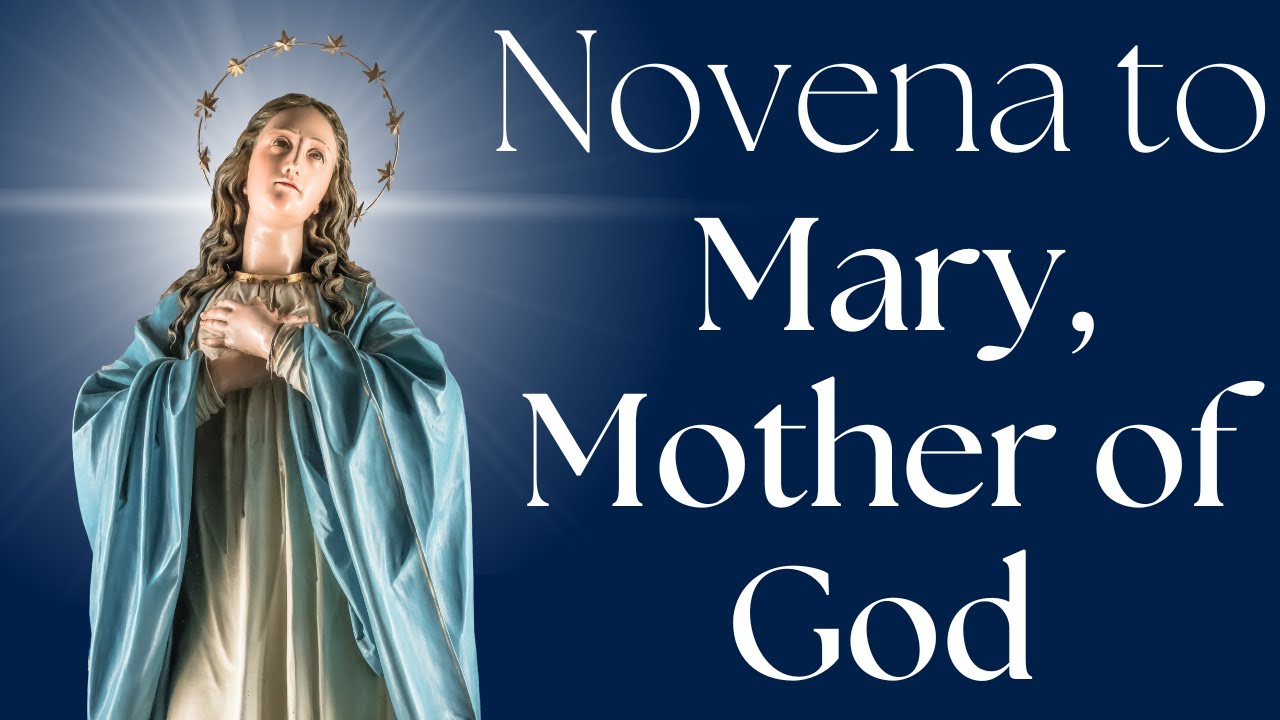
how to pray to mary mother of god
Learning how to pray to mary mother of god can feel both simple and profound. For many Christians, especially within the Catholic and Orthodox traditions, turning to Mary is a way of drawing closer to Jesus through his mother. This guide explains the meaning and purpose behind Marian prayer, what to say, how to begin, and how to sustain a meaningful rhythm without feeling overwhelmed.
In everyday terms, how to pray to mary mother of god means asking the Blessed Virgin to intercede for you before God, in the same way you might ask a trusted friend to pray for you. It is not worship of Mary; rather, it is a humble request for help from the one whom the Church calls Theotokos—“God-bearer”—because she bore Christ in her womb and cooperated uniquely with God’s plan.
What how to pray to mary mother of god means
To understand how to pray to mary mother of god, it helps to grasp the Church’s language. Christians honour Mary with a special veneration, distinct from the worship owed to God alone. The classic distinction is this: adoration (known theologically as “latria”) belongs only to God; a unique honour (“hyperdulia”) is given to Mary because of her singular role in salvation history. When we pray to Mary, we are not making her equal to God; we are asking her to pray with us and for us.
Why call her “Mother of God”? The title affirms the truth about Jesus. Since Christ is truly God and truly man, the mother who bore him is rightly called Mother of God (Theotokos). Knowing this clarifies how to pray to mary mother of god: our prayer centres on Jesus, with Mary as a loving and powerful intercessor who always points us to her Son.


Basic beliefs behind how to pray to mary mother of god
Mary’s titles and what they imply
Common titles—Theotokos, Blessed Virgin, Our Lady, Queen of Heaven—express aspects of Mary’s vocation. Each title helps shape how to pray to mary mother of god. For example, calling her “Mother of Mercy” encourages us to bring our wounds and failures to her, trusting that she carries them to Christ with tender compassion.
Intercession, not worship
The heart of Marian prayer is intercession. You can ask Mary to pray for a sick friend, for your family, for guidance, or for a deeper love of God. In practice, how to pray to mary mother of god is similar to asking a saintly person in your parish to remember you in their prayers—except Mary’s closeness to Jesus is unique and unmatched.
Scripture and Tradition together
Scripture shapes the words of many Marian prayers. “Hail Mary, full of grace” reflects Luke 1:28; “Blessed are you among women…” echoes Luke 1:42; “All generations will call me blessed” is from Luke 1:48. Church teaching further explains Mary’s role as mother and intercessor. For a doctrinal overview, see the Second Vatican Council’s reflection on Mary in the Church: Lumen Gentium, chapter VIII, on the Blessed Virgin Mary.
Preparing your heart and space
Before you focus on how to pray to mary mother of god, it helps to prepare. Choose a quiet spot at home or in a church. A simple candle, a small icon or statue of Mary, or an image of the Annunciation can help you centre your attention. Sit or kneel comfortably, slow your breathing, and place your concerns before God. If you like, write down the intentions you want to entrust to Mary’s prayers.
Set a modest goal: five minutes a day is a good start. Consistency matters more than length. Over time, you can extend your prayer, add a decade of the Rosary, or include the Angelus at midday.
Step-by-step guide on how to pray to mary mother of god
A simple daily prayer
Here is a straightforward pattern for beginners learning how to pray to mary mother of god:
- Begin by making the Sign of the Cross and calling to mind God’s presence.
- Speak to Mary in your own words: “Mother Mary, I come to you as your child. Please pray for me as I face…”
- Pray a traditional Marian prayer (e.g., the Hail Mary).
- Entrust specific intentions—by name, if possible.
- End with a short act of praise to God: “Glory be to the Father…”
Keep your words simple. In time you can add more structure, but the essence of how to pray to mary mother of god is a heartfelt request for her intercession and a confident trust in God’s mercy.
Praying the Hail Mary and the Rosary
The Hail Mary is the basic Marian prayer. Many Christians also pray the Rosary—meditative decades of Hail Marys reflecting on the mysteries of Christ’s life. If you want a reliable introduction, see the USCCB’s guide to praying the Rosary. While the Rosary involves repetition, its aim is contemplation: lingering lovingly on Jesus’s life, death, and resurrection with Mary as your guide.
The Angelus and the Regina Caeli
The Angelus is a brief prayer traditionally said at 6 a.m., noon, and 6 p.m., recalling the Annunciation. In the Easter season, it is replaced by the Regina Caeli (“Queen of Heaven”), which celebrates the Resurrection. Incorporating these prayers is a practical way of living how to pray to mary mother of god throughout the day.
The Memorare and other favourites
The Memorare is a classic appeal to Mary’s help: “Remember, O most gracious Virgin Mary…” It is short, urgent, and beloved for moments of need. For the text and a brief explanation, you can consult EWTN’s page on the Memorare. Other favourites include the Litany of Loreto and the oldest known Marian prayer, “Sub tuum praesidium” (“Under your protection”).
Writing your own prayer
Many people discover how to pray to mary mother of god by composing a small personal prayer. For example: “Mary, Mother of God and my mother, be near me this day. Teach me to listen, to love, and to follow Jesus with courage. Please pray for [name] and for peace in our family.” Keep it honest and concise. Your personal prayer can be a daily anchor.
Using Scripture when learning how to pray to mary mother of god
Scripture nourishes authentic Marian devotion. Try reading Luke 1:26–56 (the Annunciation and the Magnificat), John 2:1–11 (the Wedding at Cana), and John 19:25–27 (Mary at the foot of the Cross). Read slowly, aloud if possible. After reading, say one Hail Mary and ask: “Mary, help me live what I have heard.” This is a simple, scriptural way to practise how to pray to mary mother of god with depth.
You can also turn verses into petitions: “Mary, who said yes to God’s plan, pray that I may say yes today” (cf. Luke 1:38). Or: “Mary, who told the servants, ‘Do whatever he tells you,’ help me obey Jesus” (cf. John 2:5). These brief, Bible-rooted prayers keep the focus on Christ.
When and where: rhythms, feasts, and personal habits
Rhythm helps prayer become a natural part of life. Fix a daily time—morning, lunchtime Angelus, or evening—so your intention to learn how to pray to mary mother of god translates into action. Consider marking Marian feast days such as the Annunciation (25 March), the Immaculate Conception (8 December), and the Assumption (15 August). On these days, pray an extra decade of the Rosary, attend Mass if you can, or light a candle in gratitude.
Place matters too. A small corner with a Bible and an image of Mary creates a visual cue that invites you back to prayer, especially on busy days. If you are travelling, keep a pocket rosary or an app with the Rosary prayers saved offline to anchor your routine.
How different traditions approach how to pray to mary mother of god
While Catholics and Orthodox share deep love for Mary, their expressions can vary. The Orthodox often address Mary as Theotokos and venerate her through icons and beautiful hymns like the Akathist. Catholics may be more familiar with the Rosary, the Angelus, and the Litany of Loreto. For a broader overview of similarities and differences, see this introduction to Orthodox vs Catholic perspectives. Whichever tradition you come from, how to pray to mary mother of god is ultimately a path to Christ—Mary always leads us to her Son.
Common mistakes when learning how to pray to mary mother of god
- Confusing veneration with worship: Remember, prayer to Mary is a request for intercession, not adoration.
- Letting repetition become mechanical: The Rosary is meant to be meditative; keep your heart engaged by pondering the mysteries.
- Neglecting Scripture: Marian prayer is healthiest when rooted in the Bible.
- Expecting instant feelings or results: Prayer shapes us over time; trust God’s timing and Mary’s patient help.
- Forgetting gratitude: When prayers are answered, thank God and honour Mary’s maternal care.
Helpful tools and companion devotions
Rosary beads, icons, and small prayer cards can steady your focus. Many people place a Miraculous Medal on a necklace or keep a holy card in a wallet as a reminder to turn to Mary during the day.
You might also explore related devotions that echo Mary’s message of mercy and trust. For instance, the guide to the Divine Mercy Chaplet offers a powerful pattern of intercessory prayer that complements the Rosary and deepens your confidence in God’s compassion.
Practical examples of how to pray to mary mother of god
A morning consecration (2–3 minutes)
“Mary, Mother of God, I give you this day—my work, joys, and struggles. Please pray that I may love Jesus with your heart, listen with your attentiveness, and act with your courage. Be with my family and those I will meet today.” Then pray one Hail Mary and a Glory Be.
A decade of the Rosary at lunchtime (5 minutes)
Choose a mystery (for example, the Visitation). Announce it, then slowly pray one Our Father, ten Hail Marys, and one Glory Be. Briefly pause between Hail Marys to picture the scene. End by entrusting a specific need to Mary. This simple habit embodies how to pray to mary mother of god in the midst of ordinary routines.
Evening review with Mary (3–5 minutes)
Think back over the day’s events. Where did you experience blessings? Where were you impatient or unkind? Speak to Mary about it. Ask her to pray for forgiveness where needed and to help you try again tomorrow with hope.
Recommended external resources
- Overview and history of the Rosary for context, structure, and development across centuries.
- Background on the title “Theotokos” (Mother of God) to understand its theological meaning.
Frequently asked questions about how to pray to mary mother of god
Is it biblical to pray to Mary?
The Bible does not use the phrase “pray to Mary,” but it clearly presents Mary as blessed (Luke 1:48) and shows believers asking others to pray for them (Romans 15:30; James 5:16). Marian prayer builds on these principles: honouring Mary and asking for her intercession. It never replaces worship of God.
Do I have to pray the Rosary to honour Mary?
No. The Rosary is a beautiful way to meditate on Christ with Mary, but it is not compulsory. A sincere Hail Mary, the Angelus, the Memorare, or your own simple words are all valid ways of practising how to pray to mary mother of god.
How often should I pray to Mary?
Start small and steady—perhaps one Hail Mary each morning and the Angelus at noon. Over time, consider adding a decade of the Rosary or a full Rosary weekly. Consistency matters more than volume.
Isn’t praying to Mary a distraction from Jesus?
Rightly understood, Marian devotion leads to Jesus. Mary’s purpose is to bring us to her Son. If any practice distracts you from Christ, simplify it. Keep Scripture at the centre and ask Mary explicitly to help you love Jesus more.
What if I don’t feel anything when I pray?
Feelings come and go. Prayer is an act of trust and fidelity. Keep going with gentle perseverance. Over time, you may notice quiet fruits—patience, compassion, hope—even if dramatic emotions are absent.
Conclusion on how to pray to mary mother of god
At its core, how to pray to mary mother of god is a humble request for a mother’s help in drawing closer to Christ. It is grounded in Scripture, shaped by the Church’s wisdom, and sustained by small daily habits—one Hail Mary, a quiet Angelus, a decade of the Rosary, or a simple heartfelt plea in your own words.
Begin where you are. Choose a time and place, speak to Mary honestly, and
