How to pray to god krishna: 5 essential, practical steps
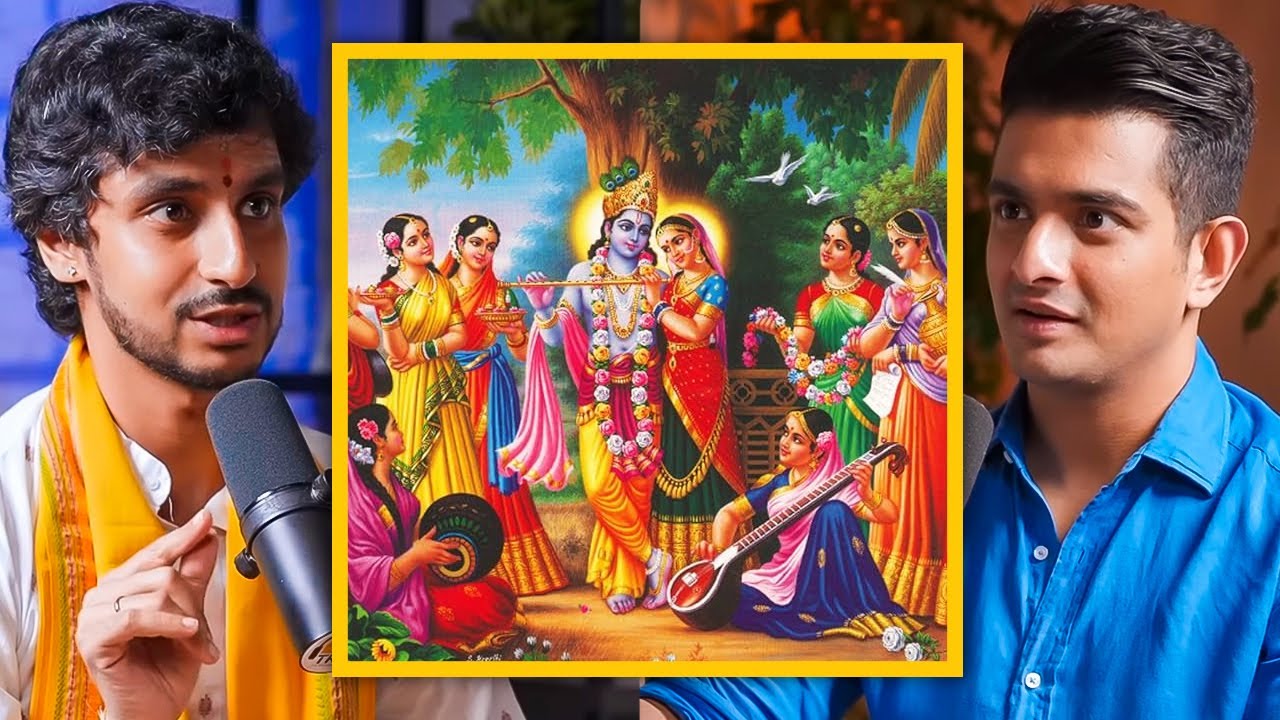
how to pray to god krishna
Whether you are new to Hindu devotional practice or simply curious, understanding how to pray to god krishna can open a warm, meaningful path to peace, purpose, and daily inspiration. Prayer to Krishna is less about perfect ritual and more about sincere connection. In the Vaishnava tradition, Krishna is revered as the Supreme Personality of Godhead, and prayer—spoken or sung, formal or informal—is a practical way to express love (bhakti), seek guidance, and cultivate a compassionate heart.
This guide explains the foundations and the simple steps of how to pray to god krishna at home or in a temple, in English or with mantras. You will find clear instructions for a daily practice, common mistakes to avoid, suggestions for building consistency, and resources for learning more—so your devotion grows naturally and joyfully.
Foundations of how to pray to god krishna
At its heart, how to pray to god krishna is a path of bhakti—devotion expressed through thought, word, and action. In the Bhagavad Gita, Krishna invites each person to offer even a leaf, a flower, fruit, or water with love; sincerity matters more than grand offerings. The essence is turning to Krishna with a genuine desire to serve, improve oneself, and remember the Divine throughout daily life.
Krishna prayer often includes these elements:


- Bhakti (devotion): cultivating loving remembrance and service (seva).
- Mantra: sacred sound that focuses the mind; for example, the widely known Hare Krishna mantra.
- Puja: a respectful ritual of offering light, incense, flowers, water, and food.
- Japa: quiet, personal mantra meditation on a string of beads.
- Kirtan or bhajan: musical, congregational chanting.
If you enjoy learning the background, you can read a concise overview of Krishna’s identity in the Vaishnava tradition in trusted references such as Encyclopaedia Britannica’s entry on Krishna, and explore the devotional philosophy of bhakti as outlined across the Bhagavad Gita translations and commentaries on Vedabase.
Preparing your space and mindset
Create a simple sacred space
You do not need a large altar. A clean, quiet corner with a small table is enough. Place an image or murti (sacred representation) of Krishna—perhaps a picture of Krishna with Radha or Krishna playing the flute. Add a small cloth, a tealight or ghee lamp (observe fire safety), a little incense holder, and a small dish for water or fruit. Fresh flowers are a beautiful offering when available.
Keep the space tidy. In many traditions, offerings are vegetarian and typically avoid onion and garlic; the emphasis is sattvic (pure, calming) choices that support clarity and compassion.
Prepare yourself inwardly
Before you start, wash your hands and face; simple cleanliness helps shift the mind to prayer. Take a few slow breaths, notice your posture, and set an intention—such as gratitude, seeking guidance, cultivating patience, or offering your day’s work to Krishna. Sincerity matters more than length. A few minutes of wholehearted attention is far better than an hour of restless recitation.
Step-by-step: how to pray to god krishna in daily practice
Below is a practical, flexible outline. Adapt it to your life and cultural background. The point is not rigid formality but loving consistency.
- Begin with a moment of quiet. Sit comfortably, spine tall. Bring your mind to Krishna’s presence.
- Set a clear intention. For example: “May this time bring me closer to You, may I serve with kindness today.”
- Offer a respectful greeting. You can bow the head or fold your hands (namaste/pranam) before Krishna’s image.
- Light a candle or lamp. Move it gently before the image in small circles (arati), mindful of safety.
- Offer fragrance and beauty. If you use incense, wave it softly. Place a flower and a little water. If offering fruit, keep it simple and from the heart.
- Chant or speak. Many devotees use the Hare Krishna mantra:
“Hare Krishna Hare Krishna, Krishna Krishna Hare Hare,
Hare Rama Hare Rama, Rama Rama Hare Hare.”
This mantra calls upon divine energy (Hare), Krishna, and Rama. If you prefer, speak naturally in English: thank Krishna, share your concerns, ask for clarity and strength to do the right thing. - Read a few lines of scripture. A verse from the Bhagavad Gita can nourish reflection. Explore translations and commentaries at Vedabase (Bhagavad Gita library).
- Sit in silence. After speaking or chanting, listen quietly. Prayer is a conversation; leave room for stillness.
- Close with gratitude. Mentally dedicate the benefits of your practice to the wellbeing of your family, community, and the world.
If you want straightforward guidance on chanting, see Krishna.com’s introduction to the Hare Krishna mantra and chanting. Clear, consistent chanting can stabilise attention and uplift mood—especially helpful if you are just learning how to pray to god krishna.
Mantra, japa, and kirtan: using sound in how to pray to god krishna
Japa (personal mantra meditation)
Japa is the quiet repetition of a mantra, typically on a mala (a string of 108 beads plus a head bead). Hold the mala in your right hand, moving one bead per mantra. Traditionally the index finger does not touch the beads; use thumb and middle finger. One round equals 108 repetitions. Start with a manageable goal—perhaps a set number of minutes or one round each morning—and grow steadily. If you are exploring how to pray to god krishna for focus and peace, japa is a gentle, proven method to stabilise the mind.
Kirtan and bhajan (group or musical prayer)
Kirtan is call-and-response chanting, often with simple instruments like harmonium, mridanga (drum), and kartals (cymbals). It builds joy, community, and devotion. You can attend kirtans at local temples or community gatherings. Bhajans (devotional songs) are similar but may be sung solo or in groups. If singing is new to you, listen first, then join at your own pace. Sound naturally engages the heart and supports how to pray to god krishna with feeling rather than effort.
A short home puja: a respectful offering routine
Here is a compact puja you can complete in 10–15 minutes. It is ideal if you want a tangible structure for how to pray to god krishna without long preparations.
- Preparation: Clean the space, arrange your items (image, lamp, incense, flower, small cup of water, a piece of fruit). Wash your hands.
- Invocation: Fold your hands and invite Krishna’s presence with a short prayer—spoken in English or by chanting a mantra three times.
- Offerings:
- Light: Circle the lamp clockwise a few times.
- Fragrance: Light incense and wave gently.
- Water: Offer in a small cup, then place it respectfully to the side.
- Flower: Place at the base of the image.
- Food: Offer a small portion of vegetarian food (no meat, fish, or eggs). Many traditions also avoid onions and garlic for offerings.
- Chanting: Recite the Hare Krishna mantra for a few minutes, or another prayer you know.
- Reflection: Sit quietly, read a verse, ask for guidance to live ethically today.
- Conclusion: Express gratitude, then respectfully take back the offered food and water as prasad (sanctified food) to share.
If you prefer more background on puja customs and meaning, see the overview on Puja in Hinduism (Wikipedia overview). This context can make how to pray to god krishna at home feel both simple and profound.
What to say if you do not know Sanskrit
You do not need Sanskrit to pray. Speak to Krishna in your own language. Clear, honest words are powerful. You might say: “Dear Krishna, thank you for this day. Please help me act with compassion, forgive my mistakes, and guide me to serve others.” You can also offer your daily work: “Whatever I do, I offer to You for the good of all.”
Short themes that fit naturally into how to pray to god krishna include gratitude, requesting strength for ethical choices, asking for wisdom in relationships, and dedicating your efforts to the wellbeing of your family and community. If you later learn Sanskrit prayers, you can add them—but heartfelt English is always welcome.
Building consistency without pressure
Start small and be steady
Choose a time that is easy to maintain—early morning often feels calm, but lunchtime or evening is fine. Even five minutes each day can transform your practice over time. If you are building a rhythm for how to pray to god krishna, consistency beats intensity.
Make it meaningful
Rotate focus through the week: one day gratitude, another day ethical commitments, another day service. Keep a small notebook for a favourite verse and a brief reflection. Structured devotions from other traditions show how a simple pattern helps many people keep prayer alive; for example, this step-by-step devotional guide illustrates how clarity and repetition can deepen intention. Such patterns can inspire your own approach to Krishna devotion.
Common mistakes when learning how to pray to god krishna
- Thinking you must be perfect first. Prayer helps you grow; you do not need to “qualify” to begin.
- Over-emphasising paraphernalia. Offerings are helpful, but your heart is the essential offering.
- Treating prayer as a transaction. Ask for help, yes—but balance requests with gratitude and service (seva).
- Ignoring ethics. Truthfulness, kindness, and self-control are part of devotion. Prayer and conduct support each other.
- Forgetting to listen. After chanting or speaking, leave time for stillness.
- Comparing yourself to others. Everyone’s journey is different. Focus on sincere, steady steps.
- Not seeking community or guidance. Visiting a temple, attending kirtan, or learning from a teacher can clarify how to pray to god krishna in a way that suits you.
- Safety lapses. Candles and incense require ventilation and care. Keep children and pets safe.
Learning from scripture and community
Scripture offers a trusted map. Many people keep a pocket edition of the Gita or read one verse per day online. You can explore translations and commentaries at Vedabase’s Bhagavad Gita library. For a gentle overview of bhakti philosophy and practice, Krishna.com’s articles and Q&A can be very accessible for beginners.
Community nurtures devotion. If you wish to experience kirtan, festivals like Janmashtami, or speak with practitioners, find a local centre via ISKCON’s global centres directory. Participating occasionally in temple prayer can enrich how to pray to god krishna at home.
Comparing prayer forms across traditions can also broaden understanding. For instance, recognising how reverence, repetition, and ethical living shape devotion in different communities can enhance respect and focus. If you are curious about how traditions vary and converge, this overview of differences between Christian traditions shows how practices develop distinct yet meaningful paths—useful context as you design a prayer rhythm that feels authentic.
Recommended external resources
- Krishna: overview and significance (Encyclopaedia Britannica)
- Bhagavad Gita: translations and commentaries (Vedabase)
- How to chant the Hare Krishna mantra (Krishna.com)
- Find a local ISKCON temple or kirtan (ISKCON centres directory)
Frequently asked questions about how to pray to god krishna
Do I need to be Hindu to pray to Krishna?
No. Anyone can pray to Krishna. In the bhakti tradition, sincerity is valued above background. You can begin simply, in your own language, with gratitude and a request for guidance.
What is the best mantra for beginners?
The Hare Krishna mantra—“Hare Krishna Hare Krishna, Krishna Krishna Hare Hare, Hare Rama Hare Rama, Rama Rama Hare Hare”—is widely recommended. Start with a few minutes daily and increase gradually.
How long should daily prayer take?
Even five minutes of focused, heartfelt prayer is beneficial. Many people find 10–20 minutes sustainable. The key to how to pray to god krishna is consistency, not length.
Can I pray in English instead of Sanskrit?
Yes. Speak naturally from the heart. You can add Sanskrit prayers later if you wish, but genuine, clear English prayer is powerful.
What offerings are appropriate at home?
Simple, vegetarian offerings such as water, fruit, or a small portion of your meal are ideal. Fresh flowers are traditional. Focus on cleanliness and heartfelt intention.
Is music necessary for prayer?
No. Some people prefer quiet japa (mantra meditation), others enjoy kirtan (group chanting). Use what best supports your attention and devotion.
How do I find a community or teacher?
Visit local temples, attend open kirtans, or look up centres via the ISKCON global directory. Speak with practitioners, observe respectfully, and choose guidance that is patient and balanced.
Conclusion on how to pray to god krishna
Learning how to pray to god krishna is ultimately about sincere connection, not elaborate performance. Begin with a clean space, a simple image, a lamp or candle, and a few honest words or mantras. Offer what you can—time, attention, and small tokens like water or fruit—with gratitude. Let a short reading from the Gita and a minute of quiet listening round out your practice.
As you grow, you might add japa with beads, occasional kirtan, or a brief puja. Keep it steady and heartfelt. The most important aspects of how to pray to god krishna are sincerity, consistency, and a willingness to live compassionately in daily life.
Use trusted resources to deepen understanding, visit a temple when you can, and learn from those further along the path. With small, regular steps, your practice will become a source of calm, clarity, and joy—guiding you to act with kindness and remember Krishna throughout the day.
