How to pray to god judaism: essential, practical guide in 5 steps
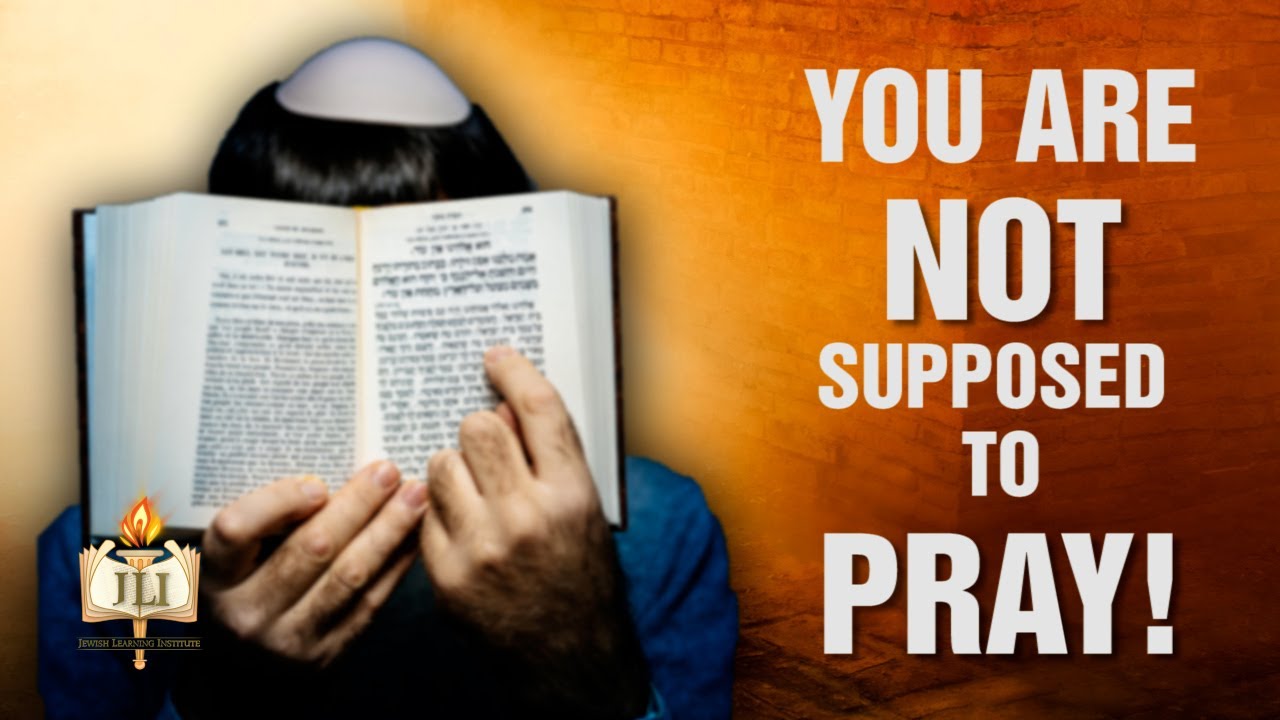
how to pray to god judaism
If you are curious about how to pray to god judaism, this guide offers a clear, friendly introduction to Jewish prayer and how to make it part of daily life. You will learn what Jewish prayer aims to achieve, the basic structure of blessings, when and where to pray, and practical steps you can follow whether you are in a synagogue or at home. We will also cover common questions, respectful language, and small, meaningful practices you can begin today.
At its heart, Jewish prayer is about connection. It blends fixed liturgy with personal words, routine with emotion, community with individuality. Understanding how to pray to god judaism can help you find a steady rhythm for reflection, gratitude, and hope, grounded in a tradition that has supported Jewish communities for centuries.
How to pray to god judaism: basic concepts
Before exploring step-by-step guidance on how to pray to god judaism, it helps to grasp a few core ideas. Jewish prayer rests on three pillars: time, text, and intention. Time refers to set moments in the day; text to the prayers found in the siddur (prayer book); and intention to kavanah, the focused mindset you bring. Combined, these elements shape a practice that is regular yet deeply personal.
Intention (kavanah)
Kavanah means directing your heart. Even if you are learning how to pray to God for the first time, a simple moment to breathe, gather your thoughts, and frame your purpose can transform the experience. You might think: I am grateful, I need help, I wish to praise, I wish to listen. In how to pray to god judaism, intention is not about perfection; it is about showing up sincerely.


Times of day: Shacharit, Mincha, Ma’ariv
Traditional daily prayer has three services: Shacharit (morning), Mincha (afternoon), and Ma’ariv (evening). If you are starting out with how to pray to god judaism, choose one time that fits your schedule, then add more as you grow comfortable. Many begin with short morning blessings or the Shema, a central declaration of faith recited morning and night.
Space and direction
Where you pray can be anywhere: a synagogue, a quiet corner of a room, a park bench. If feasible, face towards Jerusalem as a sign of unity with others praying around the world. Keeping a consistent place helps focus, especially when building the habit of how to pray to god judaism.
The siddur and the structure of blessings
The siddur (Jewish prayer book) organises prayers by day and occasion. A central feature is the structure of a berakhah (blessing), which often begins: “Blessed are You, Adonai our God, Ruler of the universe…” Many Jewish prayers follow a three-part pattern: praise, request, and thanks. If you are learning how to pray to god judaism, noticing this simple arc can guide your own words too: begin by acknowledging God, share what is on your heart, and close with gratitude.
How to pray to god judaism step by step
Here is a practical framework for how to pray to god judaism in a way that is accessible and flexible. You can adapt these steps to your tradition, synagogue custom, or personal preferences.
1) Preparing yourself
- Set a time you can keep most days. Morning is popular because it frames the day with purpose.
- Find a quiet spot. If you can, face towards Jerusalem.
- Put on a head covering (kippah or other covering) as a sign of respect. This is customary for men in many communities; in some, women also cover their heads during prayer.
- Take a moment for kavanah. A single slow breath, a brief sentence like “I am here,” or reading a line from the siddur can help you centre.
Even this gentle preparation counts in how to pray to god judaism; small consistent steps matter more than occasional long efforts.
2) A simple daily routine
If you prefer a concise pattern for how to pray to god judaism, try this simple flow, taking five to ten minutes:
- Gratitude: say the Modeh/Modah Ani upon waking, or simply, “Thank you, God, for this new day.”
- Shema: in the morning and in the evening. Cover your eyes for the first line to aid concentration.
- Blessings: add one or two morning blessings (for example, gratitude for the gift of sight, clothing, or strength).
- Personal words: share your concerns, hopes, and thanks in your own language.
As you grow more comfortable with how to pray to god judaism, you can add more of the liturgy, or extend personal prayer as needed.
3) The Amidah in short
The core of Jewish prayer is the Amidah (also called the Shemoneh Esrei), a standing prayer recited silently and often repeated aloud by the prayer leader. On weekdays it has a sequence of blessings that include praise, requests for wisdom and healing, and thanksgiving. Learning the outline helps you navigate how to pray to god judaism in a fuller way. For a detailed walk-through, see this guide to the Amidah prayer, which summarises each blessing clearly.
4) Personal requests and gratitude
In many communities, there is space within the Amidah for your own words. Even if you are not reciting the full service, take a minute to speak plainly: ask for health, guidance, compassion; mention people by name; reflect on what went well and what needs repair. This honest dialogue is a key part of how to pray to god judaism.
How to pray to god judaism at home and in synagogue
Knowing how to pray to god judaism includes understanding the value of private prayer and the special role of communal prayer. Each has its strengths; many people use both.
Praying alone
Solo prayer gives flexibility and intimacy. You can read a short selection from the siddur, then add personal reflection. If you miss a fixed time, you can still pray; Judaism values sincerity and effort. When practising how to pray to god judaism on your own, consistency and intention are the main anchors.
Praying with a minyan
Certain prayers, like the Kaddish and the public repetition of the Amidah, require a minyan—a quorum of ten Jewish adults as defined by your community. In many traditions, praying with a minyan amplifies the holiness of prayer, brings shared strength, and ensures the full service can be conducted. If you want structured support for how to pray to god judaism, attending a synagogue service can be encouraging. For a friendly overview of practical customs and synagogue orientation, see this concise introduction to Jewish prayer basics.
Prayer aids: tallit, tefillin, kippah
- Tallit: a prayer shawl worn by many during morning prayers. The fringes (tzitzit) remind the wearer of the commandments.
- Tefillin: small leather boxes with Torah passages, traditionally worn on weekdays during morning prayer.
- Kippah: a head covering, worn to express reverence.
These are meaningful customs, but the essence of how to pray to god judaism is the heart’s intention. If you do not have these items, you can still pray meaningfully.
Language, names of God, and respectful practice
Many people wonder if they must pray in Hebrew. The answer is no: you may pray in your own language. Hebrew connects you to the traditional texts and global community, but God hears all languages. As you deepen how to pray to god judaism, you might learn a few key lines in Hebrew to enrich your experience.
Hebrew or your own language?
Start where you are. Use English if it helps you focus. Later, you can add short Hebrew phrases like “Baruch Atah Adonai” and the Shema. Bilingual siddurim offer side-by-side translations and transliterations. Many are available in print and online, including reputable free libraries like Sefaria for texts and references.
Using God’s names respectfully
Jewish tradition treats divine names with great care. In reading, “Adonai” is commonly used in place of the four-letter Name. Some people write “G‑d” to avoid casual disposal of sacred words, though writing “God” is acceptable in secular contexts. In how to pray to god judaism, respect for names reflects reverence for the One addressed.
Writing and speaking with care
- Handle texts respectfully; avoid placing them on the floor.
- Pause for focus before saying central lines like the Shema.
- If you make a mistake, continue calmly—most errors do not invalidate personal prayer.
Common mistakes and how to avoid them in how to pray to god judaism
- Overthinking perfect pronunciation: clarity helps, but sincerity matters more. Keep going.
- Trying to learn everything at once: add one small piece each week—perhaps a new blessing or psalm.
- Skipping intention: even with limited time, take ten seconds to set kavanah. This singular habit greatly improves how to pray to god judaism.
- Feeling you must attend every service: start with what you can do consistently, then build from there.
- Forgetting gratitude: always include a note of thanks. Gratitude steadies the heart.
Examples of prayers you can use today
Sometimes examples make it easier to begin how to pray to god judaism. Use these as starting points and adjust to your voice.
Morning gratitude: “Blessed are You, Adonai our God, Ruler of the universe, who returns my soul within me with compassion; great is Your faithfulness.” If you prefer English alone, simply say: “God, thank You for another day and for the strength to use it well.”
Before study or work: “God, grant me understanding and help me use my efforts for good.”
For healing: “God of life, please bring healing to [Name], give wisdom to caregivers, and comfort to loved ones.”
For guidance: “Source of wisdom, help me choose what is right today and act with kindness.”
Closing with thanks: “Thank You for what went well, and for the chance to improve what did not. Help me rest in peace tonight.”
Context, diversity, and growing in practice
There are many streams within Jewish life—Orthodox, Conservative, Reform, Masorti, Reconstructionist, and others—each with distinct prayer customs. Some are fully egalitarian; others have different roles for men and women. Styles of melody, language, and choreography vary widely. When learning how to pray to god judaism, focus first on the essentials: intention, a regular time, and the heart of the words. Then explore communities or prayer books that fit your beliefs and background.
Understanding how Jewish concepts relate to wider topics can help. For example, if you are comparing calendars and festivals, this overview on do Jewish people celebrate Easter? clarifies differences between Jewish and Christian observances. Similarly, for readers new to Hebrew Bible terminology, this guide to the meaning of Gentiles offers helpful background. Context like this can enrich how to pray to god judaism by grounding your practice in broader understanding.
Learning more as you continue
Consistency turns prayer into a welcoming habit. Keep your siddur in sight, set a small alert for your chosen time, and track your progress lightly. If you miss a day, begin again the next. Over time, you will find that how to pray to god judaism becomes more fluent and naturally woven into your days—meeting you in gratitude, challenge, and rest.
If you wish to study the structure of services or find melodies, check synagogue websites or reputable learning platforms. The BBC’s overview of Jewish worship provides useful background, and you can read primary texts and translations on open libraries.
For quick reference on service outlines, many communities post weekly prayer schedules and learner-friendly guides. Start with a short piece—perhaps adding the Amidah on weekdays or learning one new Shabbat song—and build from there.
For an accessible overview of Jewish prayer and worship, the BBC offers a clear summary at Judaism: worship and prayer explained. To read about specific prayers and contextual notes, the Sefaria library provides free texts and translations; try its resources to support how to pray to god judaism as you learn.
Recommended external resources
- My Jewish Learning: Prayer 101 – a friendly orientation to Jewish prayer terms, times, and practices.
- Chabad.org: How to Pray – practical tips on structure, intention, and common customs.
- BBC Religion: Jewish worship and prayer – concise background on synagogue services and daily prayer.
- Sefaria: Online Jewish texts – free access to sources, translations, and study sheets to deepen how to pray to god judaism.
Frequently asked questions about how to pray to god judaism
Do I have to pray in Hebrew for my prayer to count?
No. You can pray in your own language. Hebrew links you to the traditional wording and global community, but sincerity is primary. Many siddurim provide translations and transliterations so you can grow gradually in how to pray to god judaism.
Can I pray without a minyan?
Yes. You can pray alone and it is valuable. Certain prayers, like Kaddish, require a minyan to be said in full, but the heart of daily prayer—Shema, Amidah (modified when alone), blessings, and personal words—can be done privately. This flexibility supports how to pray to god judaism consistently.
What if I miss the set time for a prayer service?
Do what you can when you can. If you miss a time, resume at the next opportunity. Some traditions allow make-up for certain services within defined windows; ask a rabbi if you are unsure. Regaining rhythm is more important than worrying about the occasional lapse.
Do I need special items like tallit or tefillin?
They enhance the experience but are not required to begin. Start with intention and words. If and when you add these items, learn their customs and meanings. Your journey in how to pray to god judaism can start with nothing more than a quiet moment and a sincere heart.
Is it acceptable to mix fixed prayers with my own words?
Yes. Jewish prayer blends set texts and personal reflection. Many people use the Amidah or Shema as a framework and then add personal requests and thanks. This balance is a hallmark of how to pray to god judaism.
How long should prayer take?
There is no single rule. A short, focused five minutes can be powerful; a full service might take 20–45 minutes depending on the day. Start small, keep it steady, and expand naturally.
What should I do if I get distracted?
Gently return to the words or to your breath. Distraction is normal. Many find it helpful to pause briefly before central lines, or to use a finger to follow the text. Over time, attention strengthens.
Conclusion on how to pray to god judaism
Learning how to pray to god judaism is less about mastering every page of the siddur and more about building a faithful rhythm: a set time, a focused heart, and words—traditional or personal—that connect you to the divine. Begin with small steps: a moment of gratitude, the Shema, a short Amidah, and a few personal lines. Let these become familiar companions.
As you continue, deepen how to pray to god judaism by exploring the structure of blessings, adding a service when ready, and joining a minyan when possible. Handle God’s names with care, approach the texts respectfully, and trust that your sincere effort matters. Judaism honours both the community’s voice and your individual prayer.
Above all, consistency and intention are your greatest guides. With time, how to pray to god judaism can become a steady source of comfort, clarity, and courage—anchoring your days and opening your heart to gratitude, growth, and hope.
