How to pray to god as a jew: 7 essential, practical steps
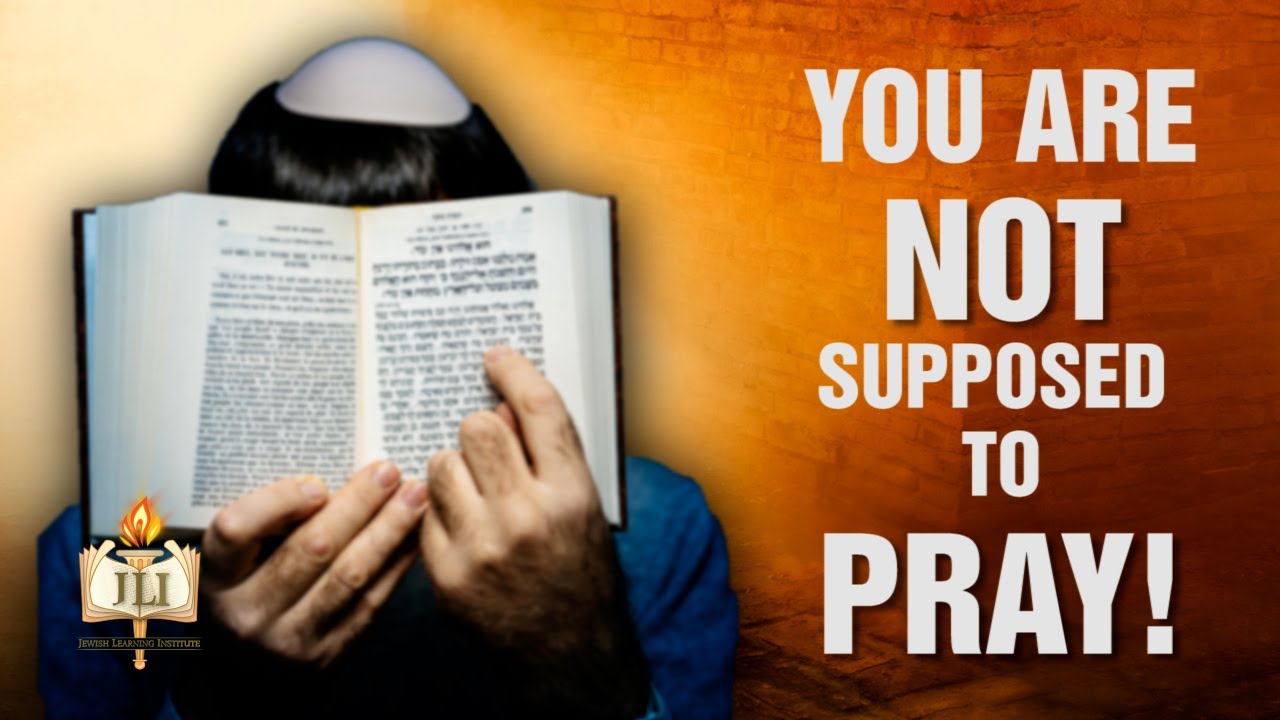
how to pray to god as a jew
If you are exploring how to pray to god as a jew, this guide offers a clear, friendly introduction to Jewish prayer, whether you are new to Judaism, returning after some time away, or simply curious. Jewish prayer blends fixed texts with personal intention, linking everyday life with ancient words. It can be practised at home, in a synagogue, alone, or within a community, and it aims to help you connect deeply with the Divine, with others, and with your own values.
In Judaism, prayer is not only about asking for help; it is also about gratitude, reflection, and aligning your life with ethical and spiritual goals. Learning how to pray to god as a jew involves understanding the structure of Jewish services, the meaning of core prayers, and the spirit in which they are said. This article explains the fundamentals, key steps, examples, and common mistakes to avoid, so you can move forward with confidence.
What does how to pray to god as a jew mean?
At its heart, how to pray to god as a jew means building a living relationship with God through words, gestures, and habits that anchor your day. Traditional Jewish prayer (tefillah) relies on both keva (fixed texts and times) and kavannah (inner intention and focus). Praying with words you inherit from previous generations sits alongside speaking to God in your own language about your life, hopes, and struggles.
While the structure is shared across the Jewish world, practice varies by community (Orthodox, Conservative/Masorti, Reform, Liberal, Reconstructionist) and by personal circumstance. The main pillars are daily prayer services, blessings for life’s moments, and the sanctity of Shabbat and festivals. You can pray in Hebrew or in your own language; what matters most is sincere intention.


Core principles for anyone learning how to pray to god as a jew
Understanding key concepts will help you pray with confidence and clarity. These ideas recur in the siddur (prayer book) and in synagogue services.
- Keva and kavannah: Keva provides the structure: set prayers at set times. Kavannah is your personal focus and feeling. Both are essential in how to pray to god as a jew.
- Community and the minyan: Many prayers (such as certain parts of the Amidah repetition and the Kaddish) traditionally require a minyan (a quorum). In Orthodox Judaism, this is ten adult Jewish men; in many non-Orthodox communities, it is ten Jewish adults of any gender. Private prayer remains meaningful even when you are alone.
- Language: Hebrew connects you to the original texts and global Jewish life. Nevertheless, praying in English (or your native language) is widely accepted, especially when building understanding and intention.
- Place and time: Synagogue services create communal rhythm, but home-based prayer is equally important. Fixed times—morning (Shacharit), afternoon (Minchah), and evening (Ma’ariv)—add spiritual structure to the day.
- Respect for tradition and personal authenticity: Jewish law and custom provide a framework; within it, your honest voice matters. Over time, your practice will grow more fluent and natural.
The daily framework of Jewish prayer
Weekday services: a roadmap for how to pray to god as a jew
Most Jewish communities mark three daily services: Shacharit (morning), Minchah (afternoon), and Ma’ariv (evening). A typical weekday Shacharit includes introductory Psalms (Pesukei deZimra), the Shema and its blessings, and the Amidah (the Standing Prayer). Learning this rhythm is a practical foundation for how to pray to god as a jew, even if you begin with only a portion of the service at home.
Shabbat and festivals
On Shabbat and holidays, prayers become more celebratory and include special additions, such as Kabbalat Shabbat on Friday evening and additional Amidah insertions. The quieter weekday petitions give way to a restful focus on sanctity and gratitude. This shift in tone can deepen your understanding of how to pray to god as a jew by emphasising not only requests but also rest, joy, and holiness in time.
Home practices
- On waking: Many begin with “Modeh Ani,” a short gratitude prayer, and if washing hands, recite the blessing al netilat yadayim.
- Before and after eating: Bless before food and say Birkat HaMazon (Grace after Meals) after eating bread. These blessings weave prayer into everyday life and model how to pray to god as a jew in simple, regular steps.
- Bedtime Shema: The Shema before sleep can conclude the day with reflection and trust.
Practical steps: how to pray to god as a jew day by day
Here is a simple, progressive way to build a practice.
1) Prepare yourself and your space
- Choose a place: A quiet corner at home or a synagogue seat facing Jerusalem (generally eastward in the UK). Even a modest, consistent corner helps you concentrate.
- Dress and items: A kippah (head covering) is customary for men in most communities and optional for women in some; tallit (prayer shawl) is worn during morning services, and tefillin (phylacteries) on weekday mornings in traditional practice. If you are new, simply start with a kippah and a siddur.
- Mindset: Pause, breathe, and decide what this prayer time is for today—gratitude, guidance, or comfort. This intention is central to how to pray to god as a jew.
2) Learn the structure, then add content gradually
To begin practising how to pray to god as a jew, start small and expand:
- Start with the Shema: Its core line, “Hear O Israel, the Lord is our God, the Lord is One,” affirms God’s unity. Add the surrounding blessings when you are comfortable.
- Add the Amidah: Stand, take three steps back and then three steps forward, and recite the Amidah silently. On weekdays it has petitions; on Shabbat and festivals it is shorter and focused on sanctity.
- Include Pesukei deZimra: Select a few Psalms or praises to warm your heart before the Shema and Amidah.
- Close with Aleinu: Many services conclude with Aleinu, affirming a universal hope for the world’s repair.
As you grow, you can learn the melodies (nusach) and responses used in your community. Recognising patterns helps you flow through the service and strengthens your sense of how to pray to god as a jew with confidence.
3) Blend fixed prayers and personal words
After finishing the Amidah, many take a moment to add personal prayers in their own language. You can thank God for specific blessings, ask for help with challenges, or pray for others. This private conversation cements how to pray to god as a jew in a way that is emotionally alive and honest.
4) Use translations and transliterations
If Hebrew is new for you, rely on a siddur with good translation and transliteration. Pronounce at your own pace and focus on meaning. Over time, you can add Hebrew phrases while keeping your comprehension central.
5) Keep a steady habit
Even a five-minute morning routine—Shema and a short personal prayer—builds the muscle of attention. Gradually include more of the service or add an afternoon or evening prayer as your schedule allows.
Posture, direction, and sacred objects in how to pray to god as a jew
Posture and gestures make prayer tangible. Facing Jerusalem expresses unity and direction. During the Amidah, you stand still, taking three steps back, then three forward to “enter” prayer, and reverse the steps to “leave” respectfully at the end. Bow slightly at key moments (for example, at the beginning and end of the first blessing of the Amidah and during “Modim”); your synagogue’s leaders can demonstrate this. These practices help embody how to pray to god as a jew with reverence.
Using a tallit reminds you of mitzvot (commandments); tefillin place the words of Torah upon arm and head, symbolising thought and action aligned with God’s will. Not every community uses the same items in the same ways; ask your rabbi or prayer leader for local custom.
Learning tools and finding community
To build confidence, study guides are invaluable. A clear starting point is the overview at My Jewish Learning: Prayer 101, which explains the origins and structure of the siddur. For a perspective on prayer’s inner meaning, see Chabad.org’s guide to the purpose of prayer. To explore original texts with translation, Sefaria’s source sheets offer free, accessible resources. For a concise cultural introduction, the BBC provides a helpful overview at BBC Religion: Worship in Judaism.
Joining a synagogue or prayer group can transform your experience. Services introduce melodies and patterns you can learn by listening. If you are exploring the wider context of Jewish life and calendar rhythms, you might find it useful to read a primer such as why Jewish people do not celebrate Easter, which highlights differences between the Jewish and Christian calendars and festivals.
If you are new to Jewish language and categories, understanding broader terms can also be helpful; for instance, this accessible explainer on the meaning of “gentiles” in the Bible clarifies a term you may encounter when reading Jewish or biblical texts in English.
Common mistakes when learning how to pray to god as a jew
- Trying to do everything at once: Start small, keep it steady, and expand. Consistency beats intensity.
- Rushing without meaning: Slow down enough to connect with the words. Kavannah matters in how to pray to god as a jew.
- Neglecting personal prayer: Fixed texts are powerful, but your own voice is crucial too.
- Feeling you “need” perfect Hebrew first: Use translation and transliteration. Understanding leads to sincerity.
- Comparing yourself to others: Everyone has a different pace and background. Focus on your path.
- Skipping learning opportunities: A short class, a good siddur, or an online guide can save months of confusion.
Examples and scenarios: how to pray to god as a jew at home and in synagogue
A simple morning routine at home
Begin with a moment of silence. Say “Modeh Ani” in English or Hebrew to express gratitude for waking. Wash hands if that is your practice and, if you wish, put on a kippah. Recite the Shema with its first paragraph or read a short Psalm. Add a brief personal prayer for the day ahead. This small, repeatable routine embodies how to pray to god as a jew in just a few minutes.
First visit to synagogue
Arrive a few minutes early, take a siddur, and follow the service leader. Stand and sit with the community, listen to the melodies, and join in responses as you learn them. Do not worry if you cannot keep up; simply read a translation when needed. Each visit will feel more familiar, deepening your grasp of how to pray to god as a jew within a community.
Praying in a time of need
Whether you are facing illness, grief, or uncertainty, it is traditional to include names in a prayer for healing (Mi Sheberach) or to recite Psalms (Tehillim). After the Amidah, add personal words, even just a few sentences. This honesty is central to how to pray to god as a jew when life feels heavy.
Travelling or busy schedules
If you cannot attend services, keep a travel siddur or an app. Focus on a core: Shema and Amidah when possible, or a Psalm and a short personal prayer when time is tight. Flexible rhythms keep your connection alive.
Recommended external resources
- My Jewish Learning: Prayer 101 – Introductory guide to the structure, history, and practice of Jewish prayer.
- Chabad.org: What Is Prayer? – Explores the inner meaning and purpose of prayer.
- Sefaria Source Sheets – Free texts in Hebrew and English, including prayers and commentaries.
- BBC Religion: Worship in Judaism – Concise overview of synagogue worship and daily practice.
Related articles
Frequently asked questions about how to pray to god as a jew
Do I have to pray in Hebrew for my prayer to “count”?
No. Praying in your own language is valid and valuable, especially when you are beginning. Hebrew connects you to the traditional texts and global Jewish community, but understanding and sincere intention matter most.
What is the minimum I should do each day?
If you are starting from zero, aim for a short morning routine: the Shema and a few personal sentences. Building this habit gently is a practical way to learn how to pray to god as a jew without overwhelm.
How do I choose a siddur (prayer book)?
Pick one that matches your community’s custom and offers clear translation and, if helpful, transliteration. Many synagogues will recommend a standard edition and can show you how to navigate it.
What if I miss the set time for a service?
Do what you can when you can. Jewish law sets ideal times, but life happens. If you miss a service, offer a Psalm and a personal prayer, and return to your usual rhythm as soon as possible.
Do women and men have different obligations?
Practices and expectations vary by denomination and community. Orthodox communities may have different roles and requirements; many non-Orthodox groups have equal participation. Ask your local rabbi or prayer leader for specifics.
Can I pray alone, or must I attend a minyan?
You can always pray alone. Some prayers require a minyan to be recited in full, but your private prayers, Shema, and silent Amidah remain meaningful and effective.
Conclusion on how to pray to god as a jew
Learning how to pray to god as a jew is a gradual, life-giving process. Start with simple, steady steps—Shema, a short Amidah, and a brief personal reflection—and let your practice expand naturally. Keep both the structure of the tradition and your personal intention in view; together they create a balanced, heartfelt approach.
Community can be a great support: attending services, asking questions, and learning melodies will help the siddur come alive. Resources from trusted sites, as well as guidance from local clergy, will clarify details and boost your confidence.
Ultimately, Jewish prayer is not a performance but a relationship. With patience and sincerity, you will find a rhythm that suits your life and deep
