How to make sign of the cross: 5 simple steps – essential guide
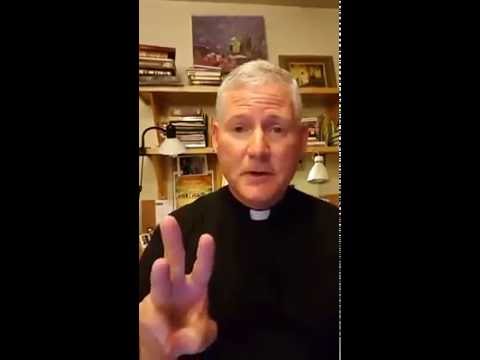
how to make sign of the cross
Learning how to make sign of the cross is a simple yet profound way to begin and end prayer, to ask for God’s protection, and to express faith in the Holy Trinity. Although the gesture only takes a moment, it carries centuries of Christian tradition and meaning. This guide explains what the sign means, the different ways Christians make it, practical steps to do it correctly, and the gentle etiquette that surrounds it.
Whether you are new to Christian prayer, returning to church after time away, or simply curious, you will find clear, respectful guidance here on how to make sign of the cross, why it matters, and when to use it in daily life. We will describe both the common Western form (used by Roman Catholics and many Protestants) and the Eastern form (used in Orthodox and some Eastern Catholic Churches), so you can follow whichever tradition is yours—or understand the differences with confidence.
What is the sign of the cross and why it matters
The sign of the cross is a short prayer made with a bodily gesture: touching the forehead, the chest, and the shoulders while invoking the Father, the Son, and the Holy Spirit. It is a visible confession of faith in the Trinity; a reminder of Jesus’ crucifixion and resurrection; and a way to dedicate oneself to God’s care. Knowing how to make sign of the cross means more than learning a movement. It is an expression of what Christians believe about God and salvation, and it marks particular moments as holy—before meals, before travel, entering or leaving a church, or simply when beginning a task.
In Christian history, making the sign traces back to the early centuries. The earliest forms were often a small sign traced on the forehead; over time the larger gesture across the upper body became customary. While Christians use different hand positions and directions today, the intention is the same: to ask the blessing of the Triune God and to remember the Cross of Christ.


The meaning behind the gesture
When you learn how to make sign of the cross, it helps to understand the symbolism:
- Forehead: “In the name of the Father” – sanctifying our thoughts and mind.
- Chest (or upper abdomen): “and of the Son” – dedicating the heart, desires, and will.
- Shoulders: “and of the Holy Spirit” – offering our strength and actions.
The horizontal line across the shoulders evokes the arms of the cross, and the vertical line from forehead to chest suggests God’s grace coming down to us. The words—called the Trinitarian formula—place our prayer firmly in the Christian confession of one God in three Persons. As you practise how to make sign of the cross, keeping these meanings in mind can turn a brief movement into a deep profession of faith.
Basic posture and preparation for how to make sign of the cross
You can make the sign standing, sitting, or kneeling; in church or at home; alone or with others. Adopt a respectful posture—stand or sit upright, shoulders relaxed, eyes gently lowered if that helps you focus. If you are holding something, put it down so your hand is free, or make a smaller sign on your forehead if circumstances are tight (for example, on a crowded train). If you are wearing a hat indoors in a place of worship, it is courteous to remove it before you begin.
Breath can help your prayer feel unhurried. Take a natural breath, recall that you are in God’s presence, and then begin. Part of learning how to make sign of the cross is giving yourself a brief pause: a heartbeat of stillness can transform a reflex into a prayer.
Step-by-step: how to make sign of the cross in the Western tradition
The following steps describe the Western (Latin) form, most familiar to Roman Catholics and common among Anglicans and many other Christians in the West.
- Use your right hand. Open it naturally or bring the tips of your fingers together—either is acceptable in Western practice.
- Touch your forehead while saying (aloud or inwardly), “In the name of the Father”.
- Move your hand down to the centre of your chest (or upper abdomen) and say, “and of the Son”.
- Touch your left shoulder and say, “and of the Holy”.
- Touch your right shoulder and complete the phrase, “Spirit. Amen.”
This is the standard way most Western Christians are taught when they learn how to make sign of the cross. Move smoothly and reverently, not hurriedly or dramatically. If you are seated, the same movements apply; if kneeling, make the sign slowly to match the prayerfulness of the moment.
Words to say
You can speak the words quietly or in your heart. In public worship, say them audibly if others are doing so. If you are unsure of the phrase while practising how to make sign of the cross, repeat it a few times separately: “In the name of the Father, and of the Son, and of the Holy Spirit. Amen.” It is the confession of faith in the Trinity that gives the gesture its meaning.
Hand and movement details
The Western form does not require a special finger arrangement. Some people gently join thumb, index, and middle finger as a private reminder of the Trinity, but an open hand is equally proper. Make contact lightly; there is no need to press hard. Aim for the centre of your forehead and chest, then across the tops of your shoulders, so the shape you trace is clear to you without being exaggerated.
Step-by-step: how to make sign of the cross in the Eastern Orthodox tradition
Orthodox Christians—and many Eastern Catholics—use a different hand position and move from right to left across the shoulders. If you are part of an Eastern parish or want to understand this form as you study how to make sign of the cross, these are the customary steps:
- Use your right hand. Bring the tip of your thumb, index finger, and middle finger together (symbolising the Trinity). Fold the ring finger and little finger down against your palm (symbolising Christ’s two natures, divine and human).
- Touch your forehead and say, “In the name of the Father”.
- Touch your chest and say, “and of the Son”.
- Touch your right shoulder and say, “and of the Holy”.
- Touch your left shoulder and say, “Spirit. Amen.”
The right-to-left movement is distinctive in the East. If you are visiting an Orthodox service and would like to participate respectfully, following this pattern is a thoughtful way to align with the local custom while you learn how to make sign of the cross in different traditions.
Hand position in the Eastern form
The three joined fingers are a compact confession of faith in the Trinity, while the two folded fingers proclaim the two natures of Christ. This theological symbolism is part of the reason many Eastern Christians are careful about the hand arrangement each time they make the sign.
Direction and words
Although the direction differs from the Western form, the words are the same. Some Orthodox believers make the sign more than once or pair it with a slight bow. If you are learning how to make sign of the cross for Eastern worship, notice how the congregation moves and follow their pace.
When to use the sign
Christians use the sign at many moments. If you are still practising how to make sign of the cross, this list can help you build the habit without feeling self-conscious:
- At the beginning and end of personal prayer.
- On entering or leaving a church or chapel.
- Before meals and sometimes after giving thanks.
- When hearing the name of the Trinity in worship or in a blessing.
- Before travel, at times of fear or temptation, or when seeking protection.
- At the absolution in the liturgy (for those traditions that include it).
- At the end of devotions such as the Rosary or other chaplets.
If you are not sure whether to make the sign in a particular church, a good approach is to observe, then follow the local custom. Your intention—to pray respectfully—is what matters most as you learn how to make sign of the cross in unfamiliar settings.
Common mistakes when learning how to make sign of the cross
Everyone is clumsy at first. Here are frequent errors and how to avoid them:
- Rushing: The sign becomes a reflexive flick. Remedy: Slow down slightly and say the words clearly, even in your heart.
- Missing the shoulders: Touching the upper arms or chest instead. Remedy: Aim for the tops of the shoulders to form a clean horizontal line.
- Mixing directions: Switching between left-to-right and right-to-left accidentally. Remedy: Choose your tradition and practise it consistently.
- Forgetting the words: Mumbling or skipping parts. Remedy: Learn the phrase by heart; it is short and well worth memorising.
- Overly big or theatrical movements: The gesture draws attention to you rather than to God. Remedy: Keep it simple, reverent, and natural.
Keep perspective: mistakes are part of learning how to make sign of the cross. The important thing is to keep practising with sincerity.
Teaching children and newcomers: gentle tips
If you are showing someone else how to make sign of the cross, break it into two parts: the words and the movement. Teach the phrase first until it is easy to say. Then add the gesture slowly. Children often enjoy counting the touches: one (forehead), two (chest), three (left shoulder), four (right shoulder)—or the Orthodox right-to-left version. Keep the tone encouraging, and demonstrate patiently rather than correcting every small inconsistency.
A helpful guide for anyone learning how to make sign of the cross is to practise at times that are already calm—before bed, before meals, or at the start of a quiet moment. You might also use a mirror for a few tries to orient left and right correctly.
Variations, etiquette, and cultural notes
Knowing the common variations can ease any anxiety as you learn how to make sign of the cross:
- Handedness: Right hand is traditional in both East and West, but if you have limited use of your right hand, it is acceptable to use your left reverently.
- Finger patterns: Western Christians typically use an open hand; Eastern Christians often join three fingers. Both are meaningful in context.
- Direction: West goes left-to-right across the shoulders; East goes right-to-left.
- Small sign vs large sign: In some moments, a small cross traced on the forehead (for instance, before the Gospel reading) is used instead of the larger gesture.
- Blessing of others: A priest or bishop blesses people with the sign in a specific way; lay people typically bless themselves, not others, except with particular family customs (for example, a parent blessing a child).
As etiquette, remember that the sign is a prayer, not a performance. Use it with intention, not as a superstition or habit without thought. If you are in a mixed congregation (for example, Catholic and Orthodox together), follow your tradition quietly and respect others as they follow theirs.
Integrating the sign into personal prayer and devotion
Once you feel comfortable with how to make sign of the cross, consider anchoring your day with it: upon waking, before meals, at the threshold of home, and before sleep. Many Christians begin every prayer, even very short ones, with the sign; it signals to the mind and heart that you are turning toward God. Certain devotions start with the sign as well; for instance, the Divine Mercy Chaplet prayer opens with it. If you are building a regular prayer routine, weaving the sign in at key points can bring a gentle rhythm to your spirituality.
It can also be helpful to understand how traditions differ when you are exploring churches or praying with friends from other backgrounds. For a clear overview of similarities and differences in practice, see this guide to the differences between Orthodox and Catholic traditions, which includes how the sign of the cross functions in each context.
Helpful comparisons and context
As you explore how to make sign of the cross, you may encounter different emphases. Roman Catholics often pair it with holy water on entering or leaving church, symbolising baptism and cleansing. Anglicans and some Lutherans use it at specific points in the liturgy, though personal use varies widely. Orthodox Christians use it frequently, often with bows and icons, reflecting a strong sense of embodied prayer. Understanding this wider context can make you more at ease wherever you worship or visit.
If you are unsure which form to use, the simplest guide is: follow your church’s custom. If you are simply learning how to make sign of the cross for the first time without a particular church home, choose one form (Western or Eastern) and practise it consistently so it becomes natural.
Practical tips for confidence and reverence
- Practise slowly at home a few times each day until the movement feels smooth.
- Pair the gesture with a steady breath: inhale as you begin; exhale softly on “Amen”.
- In public, focus on God rather than on who might be watching. Simplicity helps.
- If you feel self-conscious, make a smaller sign discreetly; the prayer is the same.
- Link the sign to particular habits: the front door, bedtime, meal times, or before work.
These small practices make it easier to keep the sign meaningful rather than mechanical. Over time, how to make sign of the cross shifts from a technique you remember to a natural gesture of faith.
Recommended external resources
- Historical and theological overview of the Sign of the Cross – a concise summary of origins, variations, and usage across Christian traditions.
- Orthodox Church in America explanation of the Sign of the Cross – details on the Eastern hand position and right-to-left movement.
- Catechism reference on invoking God’s name and the Sign of the Cross – brief official teaching relevant to the gesture’s meaning and use.
Frequently asked questions about how to make sign of the cross
Which shoulder do I touch first?
In the Western form, you touch the left shoulder first, then the right. In the Eastern Orthodox form, you touch the right shoulder first, then the left. Choose the pattern according to your tradition as you learn how to make sign of the cross, and keep it consistent.
What exact words should I say?
The traditional words are: “In the name of the Father, and of the Son, and of the Holy Spirit. Amen.” You can say them aloud or silently. If you forget part of the phrase while learning how to make sign of the cross, pause and repeat it slowly until it is comfortable.
Do I have to use holy water?
No. Holy water is a meaningful addition when entering or leaving a Catholic church, reminding you of your baptism, but it is not required. You can make the sign anywhere—at home, at work, or outdoors—without water, and it remains a sincere prayer.
Can left-handed people make the sign differently?
Traditionally the sign is made with the right hand. However, if injury or disability prevents that, use your left hand reverently. The essential element is the prayerful intention rather than which hand you use while practising how to make sign of the cross.
Is it appropriate to make the sign in public?
Yes, it is appropriate to bless yourself in public before meals or when you wish to pray. Keep the gesture simple and respectful. If you are in a church of a different tradition, observe the local custom and follow it gracefully.
Is the sign a superstition?
In Christian understanding, the sign is not a charm or magic. It is a short prayer professing faith in the Trinity and recalling Christ’s Cross. Using it thoughtfully—rather than mechanically—keeps it what it truly is: a confession and a blessing.
Should I bow when I make the sign?
Some traditions add a slight bow, especially in the East. Others keep the head upright. Either way is fine; if you bow, do so gently so the emphasis stays on the prayer, not the display.
Conclusion on how to make sign of the cross
At heart, learning how to make sign of the cross is learning a brief but beautiful prayer of the Christian faith. With one simple gesture and a few clear words, you declare your trust in the Father, the Son, and the Holy Spirit and remember the Cross that saves. Whether you use the Western or Eastern form, keep the movement calm and the intention sincere, and it will quickly become a natural part of your daily prayer.
Begin with the basics: right hand, forehead, chest, shoulders; say the Trinitarian formula; move with respect. If you are part of a church, follow its customary pattern; if you are exploring, choose one approach and practise it consistently. As you grow comfortable with how to make sign of the cross, let it mark the moments of your day—before prayer, at the door, before meals, and at bedtime—so that your whole life is quietly framed by blessing.
Finally, remember that the sign is not a performance but a profession. Take a breath, centre your heart, and make the sign with faith. In time, how to make sign of the cross will not only be something you know how to do; it will be a steady way of turning your mind, heart, and strength towards God.
