How to make oatmeal flour: an easy, complete guide in 5 steps
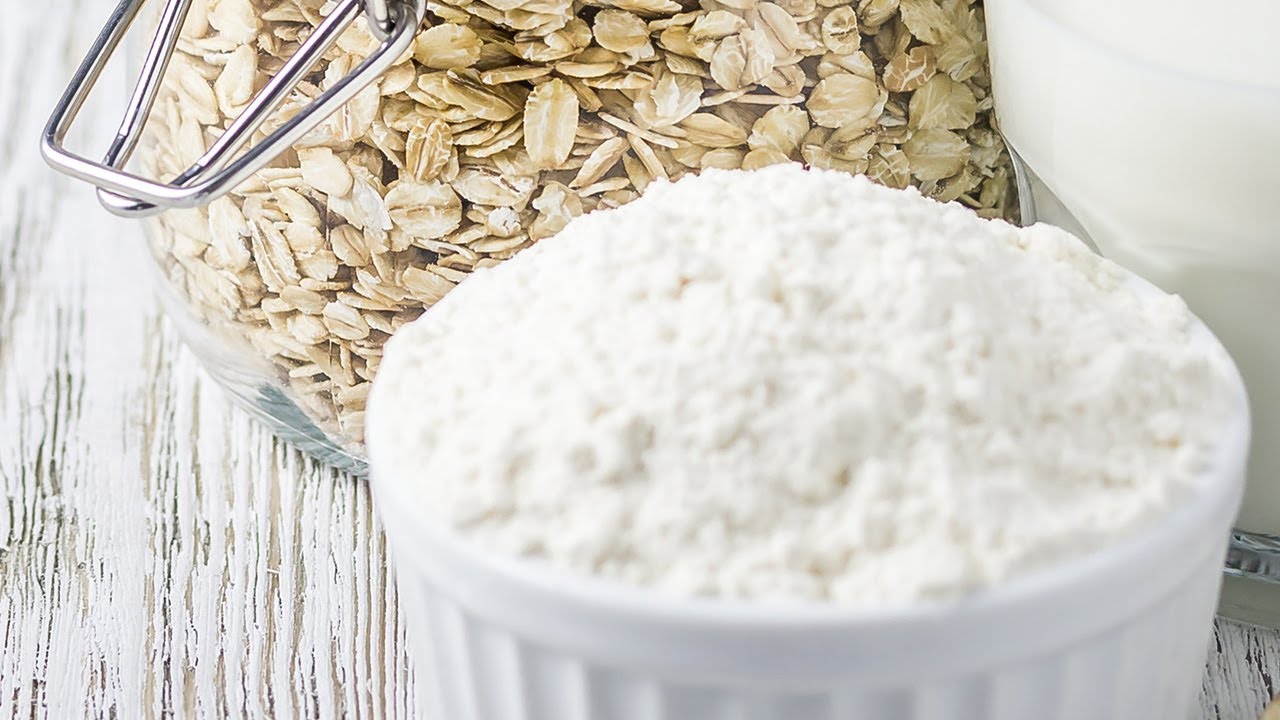
how to make oatmeal flour
If you have ever wondered how to make oatmeal flour at home, you are in the right place. Oatmeal flour (often called oat flour) is simply ground oats, but mastering a few straightforward techniques will give you a fresher taste, better texture and more reliable results than many shop-bought options. Whether you are gluten-free, want to add more fibre to your baking, or simply love the nutty sweetness of oats, this guide explains exactly how to make oatmeal flour step by step.
By the end, you will know how to make oatmeal flour with common kitchen equipment, how to store it, how to swap it for wheat flour in recipes, and how to solve common problems like coarse texture or bitter flavours. We will also cover yields, measures and safety tips for those avoiding gluten.
What is oatmeal flour and why make it at home?
Oatmeal flour is oats ground into a fine powder. Because oats are naturally sweet and rich in soluble fibre (notably beta-glucan), the flour brings a tender crumb and wholesome flavour to bakes, pancakes, muffins and breads. Learning how to make oatmeal flour gives you control over freshness, grind size and cost. Freshly ground oats taste more vibrant and often cost less per gram than pre-packaged alternatives. You can also choose your preferred grind (fine for cakes, slightly coarser for rustic loaves) and toast the oats lightly for deeper flavour.
Another reason many people explore how to make oatmeal flour is gluten management. Oats themselves do not naturally contain gluten, but they are frequently processed in facilities that handle wheat, barley or rye. If you require gluten-free products, seek certified gluten-free oats and avoid cross-contamination at home.


The essentials you need to make your flour
Choosing the right oats
The oats you choose influence both texture and taste. Here are the most common options when you are working out how to make oatmeal flour that suits your recipes:
- Rolled oats (old-fashioned): The most versatile. They grind quickly and evenly into a fine flour, ideal for baking.
- Jumbo oats: Slightly thicker than standard rolled oats; they can yield a heartier texture but still grind well.
- Quick-cook oats: These are pre-processed and thinner. They grind very quickly, though flavour can be milder.
- Steel-cut oats: Harder to grind and can be tough on smaller appliances. They produce a denser flour; pulse in small batches.
- Instant sachets: Often contain sweeteners or flavourings. Avoid for pure flour.
If gluten is a concern, look specifically for “certified gluten-free oats”. For detailed guidance on oats and coeliac disease, see Coeliac UK’s advice on oats and gluten.
Equipment overview
To learn how to make oatmeal flour efficiently, you do not need specialist kit. One of the following will do:
- High-speed blender: The fastest route to a fine, fluffy flour.
- Food processor: Works well; grind a little longer and sift for consistency.
- Coffee or spice grinder: Excellent for small batches and very fine flour; do several small batches to avoid overheating.
- Mortar and pestle or rolling pin plus a strong bag: Old-school but effective for coarse to medium grinds. Sift and repeat for finer flour.
how to make oatmeal flour: a simple step-by-step
This is the core process you will come back to every time you plan how to make oatmeal flour at home. Adjust quantities and timing according to your machine’s power.
Quick method with a blender
- Measure the oats. For reference, 100 g of rolled oats typically yields about 100 g of flour (oats grind without significant loss).
- Add dry oats to a completely clean, dry blender jug. Any moisture encourages clumping.
- Pulse to break up the oats, then blend on high for 30–60 seconds. Stop and scrape the sides as needed.
- Check the texture: rub a pinch between your fingers; it should feel soft and powdery, with only very fine grit.
- Sift if you need a finer result. Return any coarse bits to the blender and repeat.
For a visual comparison of grind sizes and more ideas on using your fresh flour, see this practical overview from King Arthur Baking: how to make oat flour at home.
Food processor method
- Work in medium batches (200–300 g) so the blades can catch and circulate the oats.
- Process for 60–90 seconds, pausing to scrape the sides. Expect a slightly coarser grind than a blender.
- Sift to separate out larger particles. Return coarse bits to the processor and pulse again.
Coffee or spice grinder method
- Grind 2–4 tablespoons at a time to keep the blades moving freely.
- Pulse in short bursts to avoid heating the oats, which can dull flavour.
- Tap the grinder to settle the flour, then decant and repeat until you reach your target quantity.
how to make oatmeal flour without a blender
If you do not own a blender, you can still learn how to make oatmeal flour with simple tools:
- Mortar and pestle: Pound small amounts in batches. Sift and repeat until fine enough.
- Rolling pin method: Put oats in a strong freezer bag (or between two sheets of baking paper) and roll firmly. Sift and roll remaining coarse flakes again.
- Hand-cranked grain mill: If you own one, adjust to a fine setting and mill twice for a delicate flour.
This manual approach takes longer, but it is entirely feasible if you only need a cup or two and want to discover how to make oatmeal flour with minimal equipment.
Sifting for consistency
Sifting ensures a uniform texture. Use a fine-mesh sieve. Shake the flour through and return any larger particles to the grinder. This two-stage approach is the simplest way to master how to make oatmeal flour that bakes predictably every time.
Measuring, yields and substitutions
Weight and volume conversions
Because oats vary slightly in density by brand and cut, weigh when possible for precision. Typical benchmarks:
- 1 cup rolled oats ≈ 90–100 g; once ground, 1 cup oat flour ≈ 90–100 g.
- 2 tablespoons oat flour ≈ 12–14 g (handy for small recipes).
When you plan how to make oatmeal flour for a recipe, grind a little extra so you can sift and still have enough. Store the remainder in an airtight jar.
Substituting oat flour in recipes
Oat flour behaves differently to wheat flour because it lacks gluten. In bakes relying on structure (breads, tall cakes), replace only part of the wheat flour at first—start with 25–30%—and evaluate the crumb. For muffins, pancakes, cookies and traybakes, you can go higher (sometimes 100%) if you add binders such as eggs, flax “egg”, psyllium husk, or a little tapioca or cornflour to improve cohesion.
A common rule of thumb when you are mapping out how to make oatmeal flour work in established recipes is to add 1–2 extra teaspoons of liquid per 100 g of oat flour, because oats are thirsty. Mix gently, rest the batter for 5–10 minutes to hydrate, then reassess thickness before baking.
Flavour, texture and nutrition tips
Lightly toasting oats for deeper flavour
Toasting creates a nuttier aroma: spread oats on a baking tray and toast at 160°C (fan 140°C) for 8–12 minutes, stirring once, until faintly golden and fragrant. Cool fully, then grind. This is a delightful variation when you are exploring how to make oatmeal flour for cookies or crumble toppings. Note that toasting slightly reduces moisture and may make the flour taste sweeter and toastier; adjust sugar accordingly.
Fibre and heart-friendly beta-glucan
Oats are well known for their soluble fibre, which can help support heart health as part of a balanced diet. To understand broader fibre recommendations, see the NHS guidance on daily fibre intake: how to get more fibre into your diet. When you learn how to make oatmeal flour and integrate it into meals, you not only add flavour and tenderness, you also boost your fibre intake.
Gluten and cross-contamination
For those with coeliac disease or gluten sensitivity, buy certified gluten-free oats and grind them in a thoroughly cleaned appliance used only for gluten-free foods. Store your homemade flour in a dedicated container and label it. For authoritative detail, refer to Coeliac UK’s detailed information on oats and the gluten-free diet.
Storage and shelf life
Fresh flour tastes best within 2–3 months when stored in a cool, dark cupboard in an airtight jar. Because oats contain natural oils, they can eventually turn rancid, especially in warm conditions. For longer storage (up to 6 months), keep the flour in the fridge; for up to 8–12 months, freeze it in well-sealed bags or tubs. Let chilled flour come to room temperature before baking to avoid condensation clumps.
Keep it fresh and organised
Label jars with the grinding date and the type of oats used. Some home bakers like to mark batches using simple codes; if you ever encounter Roman numerals on recipe cards or jars, this quick guide to Roman numerals is a handy refresher.
Troubleshooting and common mistakes
- Coarse texture after grinding: Sift and re-grind the larger particles. When you are learning how to make oatmeal flour, a two-pass grind plus sifting is the easiest way to a fine, consistent result.
- Clumping flour: Ensure equipment is fully dry; moisture makes oats gum together.
- Overheating during grinding: Use short pulses and small batches. Warm flour can taste dull and compress in storage.
- Bitter or stale flavour: Use fresher oats, avoid high heat while grinding, and store flour airtight away from light.
- Dense bakes: Increase liquid slightly and consider adding a binder (egg, flax, psyllium). Do not overmix; allow a short rest before baking.
- Unexpected gluten exposure: If necessary, buy certified gluten-free oats and keep grinding equipment separate from gluten-containing ingredients.
Creative ways to use your homemade flour
Once you know how to make oatmeal flour, you can use it in all sorts of recipes:
- Breakfast pancakes and waffles: light, tender and naturally flavourful.
- Muffins and quick breads: banana, blueberry or carrot work beautifully with oats.
- Cookies: oat flour lends chew and a gentle sweetness.
- Crumbles and streusels: toast the oats first for extra depth.
- Thickening soups and stews: stir a spoonful or two to add body.
- Breading for fish or chicken: mix oat flour with spices for a crisp, gluten-free coating.
If you would like more baking ideas alongside your new skill in how to make oatmeal flour, the Bob’s Red Mill team shares practical tips and recipes here: how to make oat flour and use it in baking.
Cost and quality: why homemade wins
Grinding your own often costs less than buying pre-ground oat flour. A large bag of rolled oats is widely available and excellent value, and it transforms quickly into flour with minimal effort. Quality-wise, fresh flour usually tastes sweeter and more aromatic, especially if you toast the oats lightly. When you focus on how to make oatmeal flour regularly, you will notice fresher, more consistent bakes.
Safety and hygiene tips
- Clean and dry all equipment thoroughly before and after use.
- For gluten-free households, dedicate a grinder or blender jar to gluten-free flours only.
- Store away from heat sources (above the hob or beside the oven) to protect the natural oils in oats.
Understanding labels and language in recipes
When you start comparing recipes that teach you how to make oatmeal flour and use it in bakes, you will see slightly different terms: “oatmeal flour”, “oat flour”, “ground oats”. They all describe the same ingredient unless a recipe specifically calls for coarse “oatmeal” (more like small flakes). If you often write or share your own recipes, finding the right wording helps readers. For word-nerds who enjoy polishing their phrasing, this brief note on useful synonyms for numerous can be a fun language detour when describing variations or tips.
Recommended external resources
- King Arthur Baking: how to make oat flour – step-by-step visuals and usage tips.
- Bob’s Red Mill: how to make oat flour and use it – practical guidance and recipe ideas.
- NHS: fibre recommendations – official advice for a balanced, fibre-rich diet.
- Wikipedia: oats – background on the grain, types and cultivation.
Frequently asked questions about how to make oatmeal flour
Can I use porridge oats to make flour?
Yes. Standard rolled or porridge oats are ideal for learning how to make oatmeal flour. Quick-cook oats will also work, though they may grind even faster and produce a slightly different flavour. Avoid instant sachets with added sugar or flavours.
Is oat flour gluten-free?
Oats do not naturally contain gluten, but cross-contamination is common. If you must avoid gluten, buy certified gluten-free oats and use clean, dedicated equipment. Consult Coeliac UK’s guidance on oats for details.
How fine should I grind the oats?
It depends on the recipe. For cakes and pancakes, a fine, powdery flour works best. For rustic breads or crumble toppings, a slightly coarser grind can be lovely. If you are unsure, grind fine and keep a little coarse meal aside to stir in for texture.
How do I store homemade oat flour?
Use an airtight jar in a cool, dark cupboard for up to 2–3 months. Refrigerate for up to 6 months, or freeze for up to a year. Label with the date and type of oats used.
Can I replace all-purpose flour with oat flour 1:1?
Not always. Oat flour lacks gluten, so full replacement can make bakes delicate or crumbly. Start by replacing 25–30% of the wheat flour and add a binder (egg, flax, psyllium) if you go higher. Increase liquid slightly and let the batter rest before baking.
Do I need to sift the flour?
Sifting is not essential, but it improves consistency. If you are aiming for the smoothest possible texture as you practise how to make oatmeal flour, sift and re-grind coarse bits for a reliably fine result.
Conclusion on how to make oatmeal flour
With a bag of oats and a basic grinder or blender, anyone can learn how to make oatmeal flour quickly and confidently. The essentials are simple: choose the right oats, keep equipment dry, grind in short bursts, and sift for consistency. From there, you can tailor the grind to your recipes, toast for extra flavour, and enjoy fresher, more aromatic results than many pre-ground options.
As you keep practising how to make oatmeal flour, do not forget the small details that make a big difference—store it airtight, label your jars, and adjust liquids and binders when substituting for wheat flour. If you need to avoid gluten, choose certified gluten-free oats and maintain strict kitchen hygiene to prevent cross-contamination.
Used thoughtfully, homemade oat flour adds tenderness, natural sweetness and valuable fibre to everyday cooking. Now that you know how to make oatmeal flour from scratch, you can blend, bake and experiment with confidence—pancakes, muffins, cookies and comforting crumbles are just the beginning.
