How to get vomit smell out of car: 8 essential, practical tips
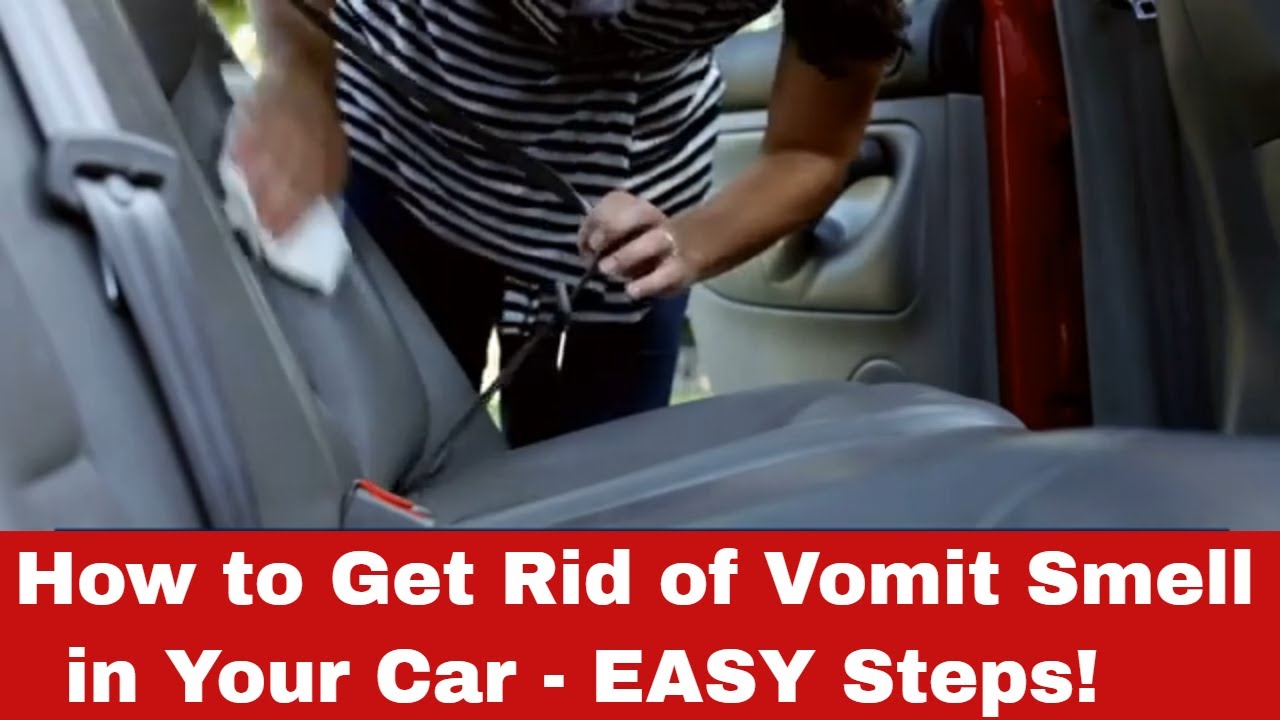
how to get vomit smell out of car
Few things linger like a sickly odour after someone has been unwell in a vehicle. If you need a clear, reliable guide on how to get vomit smell out of car interiors—without damaging upholstery, leather or plastics—you’re in the right place. This step-by-step resource explains what causes the smell, how to clean different materials properly, what to avoid, and how to keep your car odour-free afterwards.
Because vomit contains proteins, fats and stomach acids, it can seep into fabrics and foam and create persistent, unpleasant smells. The secret is swift action, the right products and thorough drying. Below you’ll find everything from quick fixes to deep-clean techniques and when to call a professional.
Quick answer: how to get vomit smell out of car fast
If you’re pressed for time, here’s the short version of how to get vomit smell out of car seats, carpets and mats:
- Remove solids gently with a spoon or scraper, then blot (don’t rub) the area with kitchen roll or microfibre.
- Apply an enzyme-based cleaner to break down odour-causing residues; leave it to work for the recommended dwell time.
- Rinse lightly with clean water and extract with a wet/dry vacuum or by blotting with clean towels.
- Sprinkle bicarbonate of soda over the damp area to absorb remaining odours; let it dry completely.
- Vacuum thoroughly, ventilate the car, and consider replacing the cabin air filter if the smell entered the HVAC system.
These steps handle most minor incidents. For heavy spills, dried-in messes or stubborn odours, read on for the complete method on how to get vomit smell out of car upholstery and trim.


Why the smell lingers (and how this informs the clean-up)
Understanding the science makes cleaning easier. Vomit odour comes from organic compounds—proteins, fats and bile—that adhere to fibres and soak into foam underlays. As bacteria act on these residues, they release smelly gases. That’s why enzyme cleaners (which digest organic matter) are particularly effective. Moisture trapped deep in foam can also cause mildew, so complete drying is crucial when deciding how to get vomit smell out of car interiors successfully.
Safety first: protect yourself and the car
Vomit can carry germs (e.g., norovirus), so wear disposable gloves and, if possible, a simple mask and eye protection. Ventilate the car by opening windows and doors. Avoid cross-contamination by keeping cleaning cloths and tools used for the task separate from household laundry and other car-cleaning equipment. For hygiene guidance on cleaning up after sickness, see the NHS advice on norovirus and safe cleanup: NHS: Norovirus (including hygiene and cleaning advice).
Test any cleaner in an inconspicuous area first to check for colourfastness and finish compatibility. This matters for dyed fabrics, Alcantara, leather, and plastics that may discolour with harsh chemicals.
Tools and products for how to get vomit smell out of car
You don’t need a professional valeting bay to achieve good results. Aim to have these on hand:
- Disposable gloves, bin bags and paper towels.
- Plastic spoon or scraper to lift solids.
- Microfibre cloths (several), soft brush, and a bucket.
- Enzyme-based cleaner designed for organic stains (pet-safe formulas often work well). Look for products labelled for vomit, blood or food spills.
- Mild upholstery or fabric cleaner; a pH-neutral leather cleaner for leather surfaces.
- Bicarbonate of soda (baking soda).
- White vinegar (for a deodorising solution), though avoid on delicate leather or silk-like materials.
- Spray bottle with warm water.
- Wet/dry vacuum or carpet extractor (very helpful but optional).
- Fans or a dehumidifier to speed drying.
If you’re new to detailing, these mainstream guides offer safe, sensible principles for car interiors: RAC: How to clean your car interior and AA: How to clean a car interior. They can complement the steps below.
Step-by-step: how to get vomit smell out of car the right way
Immediate actions for how to get vomit smell out of car
- Ventilate and contain: Open windows and doors. Put on gloves. Lay down old towels or a bin liner around the affected area to protect adjacent trim.
- Lift solids gently: Use a spoon or plastic scraper to remove solids without pressing them deeper into the fabric. Dispose in a sealed bag.
- Blot, don’t rub: Use paper towels to blot up as much liquid as possible. Rubbing spreads the stain and drives residues into the underlay.
Pre-treat and break down the odour sources
- Apply an enzyme cleaner: Generously spray an enzyme-based cleaner over the affected area until lightly damp. Work it in with a soft brush. Let it dwell as directed (often 10–15 minutes). This is the single most important step in how to get vomit smell out of car fabrics because it targets the odour at its source.
- Rinse and extract: Mist with clean warm water, then extract with a wet/dry vacuum or blot with fresh microfibres. Repeat until the cloths lift little to no residue.
- Neutralise remaining odour: If a faint smell persists, mix a mild solution of white vinegar and water (about 1 part vinegar to 4 parts water). Lightly mist and blot. Vinegar neutralises odours and will dissipate as it dries. Avoid soaking; too much liquid can saturate foam.
Deep-clean method for how to get vomit smell out of car
- Address hidden areas: Remove mats, lift edges of floor liners and check under seats and rails where splashes collect. Clean seat belt webbing, seat bases and plastic trims—odour can lurk here unnoticed.
- Clean the underlay if needed: If a large spill soaked the carpet, carefully lift the carpet edge (where possible) to inspect the foam underlay. If saturated, blot, apply enzyme cleaner, gently rinse, then extract. Allow extended drying with airflow directed underneath.
- Bicarbonate of soda treatment: With the area damp but not wet, sprinkle a visible layer of bicarbonate of soda. Leave it for several hours (ideally overnight) to absorb residual smells. Vacuum thoroughly afterwards.
- Repeat if necessary: Stubborn odours may need a second enzyme-and-extract cycle. Patience here pays off.
Treating leather: how to get vomit smell out of car without damaging trims
Leather needs gentler care:
- Blot immediately. Avoid scrubbing which can damage the finish.
- Use a pH-balanced leather cleaner; apply sparingly with a soft cloth.
- Do not saturate. If odour persists, lightly treat adjacent fabric edges with enzyme cleaner (not directly on leather), as smells often originate in stitching or foam beneath.
- Finish with a leather conditioner once fully dry.
Child seats and accessories
Remove child seats, covers and inserts. Pre-treat with an enzyme cleaner, then launder covers if the manufacturer permits. Clean the seat shell, straps (as directed by the maker; harsh chemicals can weaken webbing), and the vehicle seat beneath. This ensures you truly complete how to get vomit smell out of car seating areas, not just the obvious spots.
Air system: how to get vomit smell out of car via vents and filters
If the smell lingers after thorough cleaning, it may be in the HVAC system:
- Replace the cabin air filter. A contaminated filter can reintroduce odours.
- Ventilation flush: With doors open, run the fan at full blast on fresh air (not recirculate). After 5–10 minutes, switch to recirculate for a further 5 minutes.
- Evaporator cleaner (optional): Specialist foaming products can be applied into the air intake or evaporator housing to reduce odours. Follow instructions carefully.
Look for reputable guidance on safe interior and HVAC cleaning from mainstream sources such as the RAC and AA mentioned earlier. Their approaches align with best practice when planning how to get vomit smell out of car ventilation spaces without damage.
Drying and ventilation: the unsung heroes
Most lingering smells persist due to incomplete drying. After cleaning, keep windows ajar in a secure spot, use fans to circulate air through the cabin, and for heavy spills consider a small dehumidifier in a closed garage. In cool or humid weather, drying can take 24–48 hours. Only refit mats or covers once all areas are completely dry.
What not to do when trying how to get vomit smell out of car
- Don’t mask odours with strong fragrances. They mix with the smell and can make it worse. Remove the source first.
- Don’t scrub aggressively. You’ll drive residues deeper and damage fibres.
- Don’t soak foam underlays. Excess water is hard to extract and can cause mould.
- Don’t use bleach or harsh chemicals on fabrics or leather. They can discolour and degrade materials.
- Don’t ignore seat belt webbing, seat rails, or gaps. These hotspots often hold residues.
- Don’t forget the cabin filter. It’s inexpensive and often overlooked.
Odour neutralisers and advanced options
After a proper clean, you can add a safe odour neutraliser (not just a fragrance) to tackle residual malodours. Charcoal bags can passively absorb smells over days. For severe cases, detailers sometimes use an ozone generator. Ozone can oxidise odour molecules, but it must be used professionally and carefully, with no people or pets in the car. It’s not a first resort; thorough cleaning is.
When to call a professional (and what to expect)
If the spill was extensive, if the smell persists after two careful attempts, or if the foam underlay is saturated and inaccessible, a professional detailer is worthwhile. They have hot-water extractors, steam tools, and interior-safe products that accelerate how to get vomit smell out of car interiors completely. Costs vary by region and severity, but expect a deep interior clean to start from a modest fee for small spots to higher costs for full extraction and HVAC treatment. Ask for a service that includes enzyme treatment, extraction, and cabin filter replacement if necessary.
Prevention and preparedness
While you can’t predict everything, a few habits reduce the risk and make cleaning easier:
- Keep a small emergency kit in the boot: gloves, paper towels, bin bags, a microfibre cloth, a small enzyme cleaner, and bicarbonate of soda.
- Use washable seat covers or protectors if you often carry children, pets or passengers prone to motion sickness.
- Address motion sickness proactively: plan breaks, keep air flowing, and avoid heavy meals before trips.
- Clean up immediately whenever possible; the quicker you act, the simpler how to get vomit smell out of car interiors becomes.
For additional hygiene practices after sickness, you may find the NHS guidance helpful: NHS information about norovirus and household cleaning. It complements safe handling and disposal of contaminated materials from your car clean-up.
Recommended external resources
- RAC guide: How to clean your car interior – Practical, UK-focused steps and safety tips for fabrics and plastics.
- AA guide: How to clean a car interior – Clear advice on interior care and safe product use.
- NHS: Norovirus (cleaning and prevention) – Hygiene recommendations when dealing with vomit and reducing infection risks.
Related articles
Frequently asked questions about how to get vomit smell out of car
How quickly should I act after a spill?
Immediately if you can. The faster you remove solids and blot liquids, the less they penetrate fabrics and foams. Fast action dramatically improves how to get vomit smell out of car interiors with minimal effort.
Are enzyme cleaners really necessary?
They’re highly recommended because they break down the organic residues that cause odour. General cleaners may lift the stain, but enzymes target the source, making how to get vomit smell out of car fabrics more reliable and long-lasting.
Is vinegar safe on all surfaces?
Use a dilute solution and avoid sensitive materials like certain leathers and delicate trims. Always test in a hidden spot first. Vinegar helps with deodorising, but the main work should still come from an enzyme cleaner and proper extraction.
What if the smell is coming from the air vents?
Replace the cabin air filter, run a ventilation cycle (fresh air then recirculate), and consider an HVAC-safe cleaner if needed. If the odour persists, a professional detailer can treat the evaporator and ducting.
Can I use household carpet shampoo?
You can, but choose a product that’s safe for automotive interiors and avoid harsh chemicals. Enzyme-based solutions are preferable for this specific job. Always extract well and dry thoroughly to prevent new odours.
Will baking soda alone fix it?
Bicarbonate of soda helps absorb residual smells, but it’s most effective after you’ve removed the source with enzyme cleaning and proper rinsing. On its own, it may only reduce, not remove, the odour.
Conclusion on how to get vomit smell out of car
The core of how to get vomit smell out of car interiors is straightforward: act quickly, use an enzyme cleaner to tackle the source, rinse and extract carefully, and dry completely. Pay attention to overlooked areas—seat rails, belt webbing, carpet edges—and don’t forget the cabin air filter if the HVAC system was exposed.
For leather and delicate trims, choose gentle, pH-appropriate products and avoid soaking. When the spill is extensive or the smell persists, a professional interior detail can save time and ensure a thorough result.
With the right method and a little patience, you can restore a fresh, neutral cabin without masking odours or damaging materials. Follow the steps above and the linked resources to master how to get vomit smell out of car seats, carpets and vents, and keep your vehicle comfortable and hygienic for every journey.
