How to become exorcist: complete, essential guide in 7 steps

how to become exorcist: training, discernment, and responsibilities
If you have ever wondered how to become exorcist within a recognised Christian tradition, you are far from alone. The subject is often portrayed dramatically in films, but in real life it is a measured pastoral ministry carried out with careful discernment, training, and oversight. This guide explains what an exorcist actually does, the pathways available in different Churches, and the personal and professional qualities required to serve safely and compassionately.
Before we begin, it helps to demystify the topic. In mainstream Christianity, an exorcist is not a freelance spiritual warrior but a minister appointed by Church authority to pray with people who request help, to assess situations prudently, and to collaborate with medical and psychological professionals. Understanding how to become exorcist therefore means understanding Church structures, safeguarding, and the balance between spiritual care and ordinary human needs.
What an exorcist is — and is not
To grasp how to become exorcist in a responsible way, start with definitions. In the Catholic Church, a solemn exorcism is a specific rite led by a priest authorised by his bishop. It is distinct from normal pastoral prayer or “deliverance” ministries, which can be offered more broadly and with appropriate oversight. In Anglican and Orthodox settings, there are analogous distinctions and clear lines of accountability.
An exorcist’s work is pastoral first and foremost. Many people who request help do not require a solemn rite. Often they need listening, prayer, reconciliation, or referral to health services. The exorcist’s role is to discern carefully, safeguard the vulnerable, and act only within Church law and local guidelines. Learning how to become exorcist is therefore as much about humility and teamwork as it is about specialised ritual knowledge.
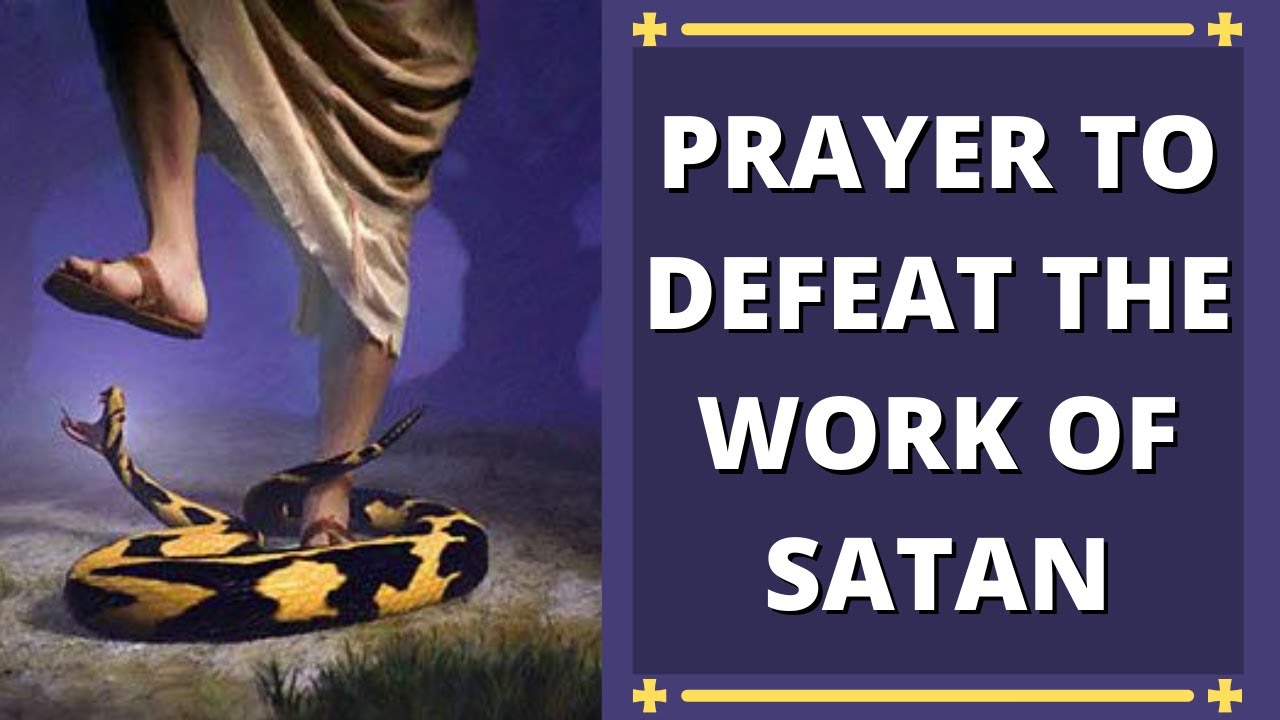

Key concepts for understanding how to become exorcist
Solemn exorcism versus prayers of deliverance
In Catholic practice, “solemn exorcism” is a formal rite requiring explicit episcopal permission. “Prayers of deliverance” are broader prayers for protection and liberation that many clergy may use, often with lay support, and always within Church norms. If you hope to learn how to become exorcist, you must understand these categories and never blur them.
Ordinary pastoral care before extraordinary rites
A golden rule across traditions is to begin with ordinary pastoral care: confession, spiritual direction, reconciliation, and community support. Most people find peace through these ordinary means. Part of the wisdom in learning how to become exorcist is knowing when ordinary means suffice and when to consult specialists.
Safeguarding, consent, and collaboration
Exorcists work with safeguarding officers, medical professionals, and counsellors. Consent, record-keeping, and respectful communication are essential. If you are exploring how to become exorcist, plan for formal safeguarding training and commit to multi-disciplinary cooperation.
Steps on how to become exorcist in the Catholic Church
Discernment: is how to become exorcist your calling?
All serious pathways begin with prayerful discernment. Speak with a spiritual director or parish priest. If you are already a priest, speak with your bishop or vicar general. Part of learning how to become exorcist is discovering whether this is genuinely your vocation, rather than a response to curiosity, anxiety, or a desire for novelty.
The path to priesthood and pastoral maturity
In the Latin (Roman) Catholic Church, solemn exorcists are priests. That means the usual route is discernment of priestly vocation, seminary formation, ordination, and several years of pastoral experience. Formation includes Scripture, theology, liturgy, moral theology, and pastoral counselling—skills you will need long before you ever set foot in an exorcism room. The vast majority of a priest’s time will still be ordinary pastoral ministry; understanding this balance is central to how to become exorcist responsibly.
Appointment by the bishop and canonical permission
Canon Law requires that only a priest who has received special and express permission from his bishop can conduct a solemn exorcism (see the Catechism’s brief overview at Catechism of the Catholic Church, 1673). The bishop may appoint a priest as diocesan exorcist for a term or case-by-case. If you wish to know how to become exorcist, remember that you do not appoint yourself; the Church appoints you, based on prudence, maturity, and training.
Training, mentoring, and ongoing formation
Dioceses typically arrange specialised training for newly appointed exorcists, which may include study of the rite, pastoral protocols, consultation skills, and supervised practice. The United States Conference of Catholic Bishops provides a concise overview of the ministry and its safeguards in their Exorcism FAQ, which, though U.S.-based, reflects standard Catholic principles. Ongoing supervision and peer support are part of healthy practice. If you are mapping out how to become exorcist, be prepared for continuous learning.
How to become exorcist in Anglican and Orthodox traditions
In Anglican contexts (such as the Church of England), solemn rites are rare and any ministry of deliverance is exercised under diocesan authority. Parishes typically refer cases to a diocesan adviser and a small, trained team operates discretely and collaboratively. If you are Anglican and wondering how to become exorcist, your first step is to consult your diocese and follow the House of Bishops’ guidelines. The Church of England provides an overview of recommended practice on its page about deliverance ministry and safeguarding.
In the Eastern Orthodox Churches, prayers of exorcism may be used by priests with the blessing of their bishop, and practice varies by jurisdiction. As with others, there is clear oversight and a strong emphasis on confession, sacramental life, and spiritual direction. If you are exploring how to become exorcist within Orthodoxy, speak with your parish priest and bishop to understand local norms and expectations. For background on broader ecclesial differences that affect ministry structures, see this summary of differences between Orthodox and Catholic traditions.
Competencies and qualities required for those learning how to become exorcist
Theological depth and liturgical competence
An exorcist needs to interpret Scripture responsibly, understand doctrine, and use liturgical texts exactly as authorised. Knowing the rite is not enough; you must also know why the Church prays as she does. If you aim to learn how to become exorcist, plan for serious study and a humble, teachable spirit.
Pastoral listening and communication
Many people who seek help arrive distressed, embarrassed, or exhausted. Sensitive listening, practical guidance, and calm communication are essential. Often, reassurance, confession, and ordinary prayers bring profound peace. These pastoral skills are central to how to become exorcist who serves people rather than a role or reputation.
Collaboration with health professionals
All reputable ministries encourage medical and psychological evaluations where appropriate. Sleep disorders, trauma, anxiety, and other conditions can mimic distress sometimes attributed to spiritual causes. A prudent practitioner of deliverance knows how to collaborate, not compete, with clinicians. This is non-negotiable in learning how to become exorcist safely.
Personal integrity and spiritual life
An exorcist’s authority is lived, not performed. Regular prayer, frequent reception of the sacraments, supervision, and accountability are expected. Discernment of how to become exorcist necessarily includes a sober assessment of character, resilience, and boundaries.
Practical pathway: a step-by-step outline of how to become exorcist
- Discernment and conversation: Speak with a trusted spiritual director or your parish priest about your interest in how to become exorcist.
- Formation in ministry: If Catholic, pursue priestly formation long before any exorcist role is considered. If Anglican or Orthodox, pursue ordination or recognised ministry pathways in your tradition.
- Pastoral experience: Serve in ordinary ministry, develop listening skills, and engage in safeguarding training. Much of how to become exorcist is learning ordinary care well.
- Consult Church authority: Share your interest with your bishop or diocesan adviser. Never self-appoint; all serious ministry occurs under authority.
- Specialised training: If appointed, complete required courses, study authorised rites, and receive mentoring.
- Work within a team: Coordinate with safeguarding officers, mental health professionals, and experienced clergy.
- Commit to ongoing supervision: Regular debriefing, continuing education, and peer support are core to sustainable practice.
Preparation and safeguards when exploring how to become exorcist
Boundaries and consent
All ministry requires clear consent, respect for privacy, and compliance with civil and Church law. Keep careful records according to diocesan policy and never undertake private, unrecorded sessions. A healthy approach to how to become exorcist always foregrounds the person’s dignity and safety.
Cultural and linguistic sensitivity
Expressions of distress vary across cultures. Learn to ask gentle questions and engage interpreters when needed. Cultural humility enriches pastoral effectiveness and underpins a mature understanding of how to become exorcist who serves diverse communities.
Documentation and referral pathways
Know exactly whom to call—safeguarding leads, diocesan advisers, counsellors, and medical practitioners. Have a secure process for note-taking and follow-up. These practicalities are every bit as important to how to become exorcist as knowledge of any rite.
Common mistakes to avoid when learning how to become exorcist
- Self-appointment: Acting without Church authorisation undermines safety and credibility.
- Over-spiritualising: Ignoring psychological or medical factors can delay proper care.
- Sensationalism: Seeking dramatic confrontations or publicity contradicts the discreet nature of the ministry.
- Isolating yourself: Refusing supervision or peer review is a red flag; teamwork is vital.
- Neglecting personal prayer and accountability: Without a stable spiritual life and oversight, ministry can become unbalanced.
Wider formation: prayer, study, and devotion
Healthy spiritual habits support anyone exploring how to become exorcist. Solid catechesis, liturgical participation, and established devotional practices help nurture discernment and humility. Many find that praying the Divine Mercy Chaplet prayer fosters compassion and a Christ-centred approach to pastoral care, whatever ministry they eventually exercise.
Recommended external resources
- USCCB overview and FAQ on the Catholic ministry of exorcism — clear answers on permissions, process, and safeguards.
- Catechism of the Catholic Church, paragraph 1673 — the Church’s brief doctrinal note on exorcism.
- Church of England guidance on deliverance ministry — outlines diocesan structures and safeguarding norms.
- Overview of exorcism in the Catholic Church (Wikipedia) — a general introduction with references for further reading.
Frequently asked questions about how to become exorcist
Do I need to be a priest to become an exorcist?
In the Catholic Church, yes—solemn exorcisms are led by priests who have received explicit permission from their bishop. In Anglican and Orthodox traditions, ministries of deliverance are likewise overseen by bishops and exercised by ordained clergy or designated teams. Lay people may assist through prayer and pastoral support but do not lead solemn rites.
How long does it take to learn how to become exorcist?
There is no fixed timeline. In Catholic settings, you typically complete seminary formation, are ordained, and gain several years of pastoral experience before a bishop might consider appointing you. Training, supervision, and ongoing formation continue throughout your ministry.
Is mental health evaluation part of the process?
Yes. Responsible practice includes collaboration with medical and psychological professionals. Many presenting issues are best understood as pastoral, psychological, or medical rather than requiring a solemn rite. A prudent approach to how to become exorcist always includes referral pathways.
Can a lay person perform an exorcism at home?
No. Christians may certainly pray for one another’s wellbeing, but solemn exorcism is reserved to authorised clergy within Church norms. Attempting rites at home without oversight is unsafe and discouraged. If someone needs help, contact your parish or diocesan office.
What books or prayers should I study if I want to learn how to become exorcist?
Start with Scripture, the Catechism, and official liturgical texts of your Church. Supplement with reputable pastoral and psychological resources. Avoid sensational or speculative material. Your diocesan formation programme and mentoring priest will guide your study.
How do cultural differences affect the ministry?
Cultural background shapes how people describe distress. Training for those learning how to become exorcist includes cultural sensitivity, careful listening, and collaboration with interpreters or community leaders to ensure care is both respectful and effective.
Conclusion on how to become exorcist
In reality, learning how to become exorcist is less about dramatic encounters and more about steady discipleship, pastoral maturity, and fidelity to Church authority. The journey involves thorough formation, a disciplined spiritual life, safeguarding training, and humble collaboration with experienced mentors and health professionals.
If you feel drawn to this ministry, begin with prayer and honest conversation with your priest, spiritual director, or diocesan adviser. Let the Church, in her wisdom, help you discern whether pursuing how to become exorcist is truly your vocation and, if so, how to prepare responsibly.
Regardless of your tradition, the guiding principles remain constant: respect for the person, rigorous discernment, teamwork, and accountability. By following these principles, anyone exploring how to become exorcist can contribute to a compassionate, safe, and authentically Christian ministry of care.
Above all, remember that the ordinary means of grace—prayer, the sacraments, pastoral counsel, and community—are powerful and sufficient for most needs. A faithful commitment to these is the surest foundation for anyone sincerely considering how to become exorcist.
