How to become an exorcist: an essential, professional guide (7 steps)
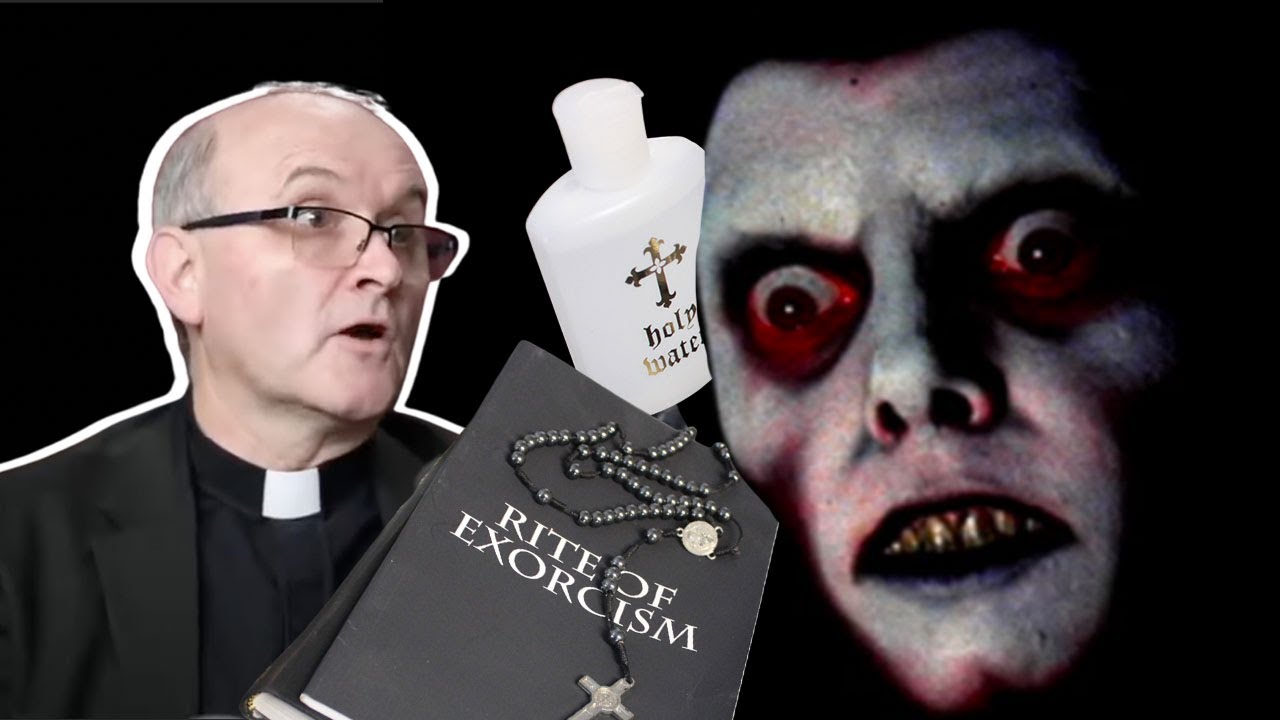
how to become an exorcist: training, safeguards and real routes
If you have ever wondered how to become an exorcist, you are not alone. The subject is often treated with drama in films and novels, yet in real life it is a pastoral, cautious and carefully regulated ministry in several religious traditions. This guide explains what exorcism is (and isn’t), outlines recognised training routes, clarifies the ethical and legal safeguards, and offers practical next steps for those discerning a genuine calling.
Put simply, learning how to become an exorcist is about service, accountability and care for vulnerable people. It is not a shortcut to spiritual authority, nor an invitation to dramatic confrontations. In all mainstream Christian traditions, the route involves testing your vocation, gaining solid theological and pastoral formation, working within a bishop’s or senior pastor’s oversight, and collaborating closely with healthcare and safeguarding professionals.
What exorcism is—and why it requires maturity
Exorcism, sometimes called deliverance ministry, refers to authorised prayer offered for people who seek help with distress they interpret as spiritual oppression. Mainstream Churches distinguish between ordinary pastoral care (prayer, sacraments, counsel) and rare cases that may require a formal rite. Real ministry avoids sensationalism, respects medical science, and remains accountable to Church authority and national law.
Understanding how to become an exorcist therefore starts with appreciating that the vast majority of cases are not what popular culture portrays. Most pastoral situations involve anxiety, trauma, bereavement, relational breakdown, addictions, or mental health conditions. A mature exorcist—or deliverance minister—knows when to pray, when to refer, and how to cooperate with clinicians.


Key principles for how to become an exorcist
- Accountability: In established Churches, exorcists are appointed; they do not “self-authorise”.
- Discernment: Every case should be assessed calmly, without jumping to supernatural conclusions.
- Collaboration: Work alongside mental health professionals and safeguarding teams from the outset.
- Consent and dignity: Respect the person’s freedom, privacy and cultural background.
- Proportionality: Begin with ordinary pastoral care; formal rites are used only when warranted and authorised.
Step-by-step: how to become an exorcist in major Christian traditions
The precise route varies between traditions, but the broad structure is similar: call, formation, supervision and formal authorisation.
Catholic Church: the usual pathway
In the Catholic Church, how to become an exorcist is a clearly defined pathway. Typically:
- Vocation and formation: Most Catholic exorcists are ordained priests. You would first discern a priestly vocation, undertake seminary studies in philosophy and theology, and gain significant pastoral experience.
- Invitation by the bishop: Exorcists are appointed by the diocesan bishop, usually in writing, sometimes for a fixed term. You cannot simply decide to practise; authorisation is essential.
- Specialised training: Bishops usually ask candidates to complete recognised courses and to learn the Church’s liturgical norms and pastoral protocols under an experienced mentor. Courses may cover case assessment, collaboration with clinicians, safeguarding and the official Rite of Exorcism.
- Team-based ministry: Even after appointment, an exorcist works within a diocesan framework with chaperones, safeguarding officers and medical advisers. Appointments are by referral, not by walk-in requests.
In short, if you want to know how to become an exorcist in the Catholic context, start by speaking with your diocesan bishop or vocations director and be prepared for years of formation and careful assessment of your aptitude for sensitive pastoral work.
Eastern Orthodox Churches: pastoral sobriety and episcopal oversight
In the Eastern Orthodox tradition, how to become an exorcist is also a matter of episcopal appointment. Senior priests may be blessed by their bishop to use specific prayers and pastoral practices, emphasising spiritual sobriety, fasting, confession and the sacramental life. The focus is less on a dramatic “rite” and more on steady, time-tested prayers within the Church’s liturgical life, always under obedience and with attention to the person’s well-being.
Anglican/Church of England: deliverance ministry by diocesan teams
In Anglican settings, especially the Church of England, ministry is often carried out by diocesan “deliverance” or “healing and deliverance” advisers. If you are exploring how to become an exorcist in this context, expect a team-based approach. Cases are first screened pastorally and, where appropriate, with clinical input; any formal ministry is authorised by the bishop and undertaken with strict safeguarding protocols, chaperones and consent procedures.
For a fuller picture of denominational practice, see these Church of England resources on deliverance ministry.
Other Christian communities
Some Pentecostal and independent churches speak of “deliverance” rather than exorcism. If you are discerning how to become an exorcist in such settings, look for robust leadership oversight, clear safeguarding policies, and a willingness to collaborate with healthcare professionals. Avoid contexts that dismiss medical care, demand secrecy or isolate people from family and community.
Essential competencies before seeking authorisation
Before discussing how to become an exorcist in formal terms, consider the personal and professional competencies needed for this ministry:
- Theology and Scripture: A solid grounding in doctrine, pastoral theology and the discernment of spirits.
- Pastoral listening: The ability to hear people’s stories without rushing to conclusions.
- Safeguarding: Training in recognising and responding to abuse, coercive control and spiritual harm.
- Mental health literacy: Familiarity with anxiety, depression, PTSD, psychosis and neurological conditions; an understanding of referral pathways.
- Teamwork: Willingness to work within Church structures, follow protocols and receive supervision.
- Personal stability: A balanced prayer life, humility, self-knowledge and boundaries.
Ethics and law: the non‑negotiables
If you are exploring how to become an exorcist in the UK, you must take ethics and law seriously. Key points include:
- Consent: No one should be prayed with against their will, and no minors should be approached without formal Church procedures and parental involvement via safeguarding channels.
- No physical coercion: There is never a place for violence, degrading treatment, or practices that risk harm. Chaperones should be present and activities should be risk-assessed.
- Confidentiality and data protection: Keep careful records within your Church’s safeguarding and privacy policies.
- Medical collaboration: Never tell someone to stop medication or therapy. When in doubt, signpost appropriately—for example, to the NHS mental health services portal.
- Advertising and fees: Check denominational guidance and consumer law; many Churches forbid charging for this ministry.
How assessment usually works
Understanding assessment is crucial to how to become an exorcist responsibly. A typical process might include:
- Intake and triage: Listening carefully, noting the person’s own interpretation of events, and establishing immediate safeguarding needs.
- Pastoral response: Ordinary prayer, sacraments, confession, community support, and practical help are offered first.
- Clinical screening: With consent, invitation to seek medical or psychological assessment. Collaboration protects the person and the minister.
- Discernment meeting: The authorised minister, with a small team, evaluates whether any further ministry is appropriate.
- Follow-up and aftercare: Pastoral support continues after any prayer ministry, focusing on stability, relationships and community life.
Common mistakes to avoid when learning how to become an exorcist
- DIY approaches: Attempting rites without authorisation or training is a serious error.
- Sensationalism: Chasing dramatic experiences undermines care and can cause harm.
- Ignoring mental health: Failing to collaborate with clinicians can delay necessary treatment.
- Poor safeguarding: Meeting alone, skipping risk assessments or neglecting consent creates danger.
- Overpromising: Suggesting guaranteed outcomes or quick fixes damages trust.
- Lack of supervision: Working without oversight exposes both the minister and the person seeking help to risk.
Spiritual life and self‑care for ministers
A healthy spiritual life is integral to how to become an exorcist and remain effective over time. Established exorcists typically maintain regular prayer, participation in worship, supervision with a senior mentor, and spiritual direction. They cultivate humility and avoid becoming the centre of attention. They also maintain ordinary wellbeing practices—rest, exercise, friendships and appropriate boundaries.
Many find structured devotions helpful within their Church’s tradition. For example, some discover that regular, balanced prayer practices such as the Divine Mercy Chaplet prayer support resilience and discernment. Whatever the devotion, the goal is stability and service, not spectacle.
Comparing traditions: learning respectfully from others
Because the question of how to become an exorcist crosses denominational lines, it is important to understand similarities and differences between traditions. Catholics, Orthodox and Anglicans share commitments to careful discernment, episcopal oversight and collaboration with professionals, but they may differ in liturgical forms, terminology and practical frameworks. For a thematic overview of ecclesial distinctions that shape ministry styles, see these key differences between Orthodox and Catholic practice.
Practical next steps if you feel called
If you are discerning how to become an exorcist, here are constructive, safe steps to take:
- Speak to your parish priest or minister: Share your sense of calling and ask for guidance; be open to feedback.
- Deepen your formation: Study Scripture and theology; seek pastoral experience in listening and bereavement support.
- Undertake safeguarding and mental health training: Many dioceses offer courses that are applicable to deliverance ministry.
- Serve in ordinary pastoral roles: Before any specialised work, become reliable in everyday ministry where people are.
- Discern with leadership: If appropriate, your bishop or senior minister may invite you to shadow authorised teams.
- Stay patient: In all major Churches, pathways are measured and careful; readiness is assessed over time.
Recommended external resources
- Overview of exorcism: history, traditions and controversies (Wikipedia)
- Exorcism in the Catholic Church: structures, rites and norms (Wikipedia)
- Church of England: Deliverance ministry resources and guidelines
- NHS mental health services and crisis support
Frequently asked questions about how to become an exorcist
Do I need to be ordained to become an exorcist?
In the Catholic Church, yes—exorcists are typically ordained priests appointed by their bishop. In Anglican contexts, deliverance ministry is usually led by clergy working with diocesan teams; trained laypeople may assist under oversight. In other communities, policies vary. Whichever path you take, formal authorisation and accountability are essential to how to become an exorcist responsibly.
How long does training take?
There is no shortcut. Formation usually spans years of theological study and pastoral work before any specialised courses in discernment and deliverance. Even after appointment, mentoring, supervision and ongoing training continue. Patience and humility are part of how to become an exorcist in every mainstream tradition.
Is it dangerous to try exorcisms without approval?
Yes. Acting without training and authorisation can harm the person seeking help and place you at legal and pastoral risk. The safer path is to learn how to become an exorcist within your Church’s structures, where safeguarding, clinical collaboration and oversight protect everyone involved.
What if someone asks me for an exorcism right now?
Listen calmly. Offer ordinary pastoral care—prayer, reassurance and practical support—and signpost medical help where needed. Then contact your parish priest, diocesan deliverance adviser, or relevant Church authority. This is a practical example of how to become an exorcist by acting prudently and within established procedures.
Do exorcists only deal with rare and extreme cases?
Most ministry involves everyday pastoral care: helping people find peace, community and appropriate professional support. Formal rites are uncommon and only undertaken after careful assessment and authorisation. Learning how to become an exorcist means being prepared for the ordinary work of patient, compassionate care.
Conclusion on how to become an exorcist
Becoming an exorcist is not about spectacle; it is about faithful, accountable service. If you want to know how to become an exorcist, start by deepening your theological formation, strengthening your pastoral skills, and committing to safeguarding and collaboration with healthcare professionals. In every mainstream tradition, authorisation comes through proper channels, not self-appointment.
Across Catholic, Orthodox and Anglican frameworks, the essentials are the same: discernment over time, humility in practice, and care for those who are vulnerable. Keep your focus on the person in front of you—their dignity, consent and long-term wellbeing.
Finally, remember that how to become an exorcist is a journey walked with others: mentors, bishops, safeguarding officers and clinicians. If your calling is genuine, the right doors will open through patient, supervised formation. Until then, serve faithfully in the ordinary tasks of ministry, where compassion and wisdom are learned day by day.
