How old were mary and joseph when they married: complete guide

how old were mary and joseph when they married
The question of how old were mary and joseph when they married is one of those enduring curiosities that blends history, faith, and culture. For many readers, it helps to place the Nativity story within a real-world setting: what was typical in first-century Judea, what the biblical texts actually say, and how later traditions shaped the way we imagine the Holy Family. While the Gospels are silent on their exact ages, historians, biblical scholars, and church traditions offer informed estimates and thoughtful interpretations.
In this guide, we look carefully at the sources, from the canonical Gospels to Jewish marriage customs, from demographic context to apocryphal writings and Christian art. Our aim is to provide a clear, respectful, and well-evidenced answer to how old were mary and joseph when they married, showing where consensus exists and where uncertainty remains.
What do the Gospels say about how old were mary and joseph when they married?
First, it is essential to say that the New Testament does not specify the ages of Mary and Joseph. The Gospels of Matthew and Luke describe Mary as a virgin betrothed to Joseph. In the social and legal setting of the time, betrothal (kiddushin) was a binding contract, followed later by the wedding (nissuin). This means that when asking how old were mary and joseph when they married, we must rely on historical context, not explicit verses.
Luke 1:26–27 mentions Mary as a “virgin” betrothed to Joseph, and Matthew 1:18 explains that Mary and Joseph had not yet come together when she was found to be with child by the Holy Spirit. These texts explain relationship status and moral context but do not give ages. Therefore, to explore how old were mary and joseph when they married, we must look to customary ages of marriage and betrothal in Second Temple Judaism and the wider Roman-era Near East.

Betrothal and marriage in first-century Judea
In Jewish practice of the period, betrothal established a legal bond recognised by the community. A later ceremony and the husband taking the wife into his home completed the marriage. Scholarship suggests girls often entered betrothal soon after puberty, while men typically married later, once they had a trade and could support a household. The historical background is helpful when we consider how old were mary and joseph when they married, because it shows that a young bride and a somewhat older groom were common patterns.
For context on Jewish betrothal, see broad introductions such as overview of betrothal in Judaism, which summarises the two-stage process and its legal implications. While any single source cannot fix precise ages for Mary and Joseph, studying these customs clarifies the framework within which their union took place.
Typical ages and demographic context
Many historians infer that a typical Judean girl might be betrothed around 12–14 years old, while men often married in their late teens or twenties, sometimes older if they needed time to establish economic stability. Of course, these are averages and ranges rather than fixed rules. When modern readers ask how old were mary and joseph when they married, they sometimes imagine life expectancy figures that imply a very early marriage; however, “life expectancy at birth” in antiquity is skewed by high infant mortality. Adults who reached their teens or twenties could and did live longer lives. This means assumptions that everyone married extremely young because “people only lived to 30” are too simplistic.
Estimating ages: how old were mary and joseph when they married in scholarly reconstructions
Because there is no explicit biblical number for their ages, most responsible answers propose a range. A historically plausible estimate suggests Mary was a young teenager at betrothal—perhaps around 12–14—and Joseph a young adult, likely in his late teens or twenties, possibly older. This estimate aligns with social norms and with Joseph’s established trade as a tekton (craftsman or builder). In other words, a careful, mainstream reconstruction of how old were mary and joseph when they married typically places Mary as very young by modern standards, and Joseph as somewhat older but not necessarily elderly.
The case for a teenage Mary and a young adult Joseph
Several points support the scenario that Mary was in her early to mid-teens when she was betrothed and that Joseph was a young adult:
- Jewish marital patterns in the period often saw girls enter betrothal shortly after puberty.
- Joseph’s work as a craftsman suggests he was old enough to have training, business contacts, and some independence.
- The narrative urgency in the Gospels (travelling to Bethlehem, relocating to Egypt, returning to Nazareth) is easier to imagine with a younger, mobile couple.
In this reconstruction, if we must put numbers to how old were mary and joseph when they married, many scholars would say Mary about 12–14 and Joseph roughly 18–25, with a sensible margin either way.
The case for an elderly Joseph
Some Christian traditions portray Joseph as much older, even elderly. This image often comes from apocryphal or later sources rather than the canonical Gospels. The second-century Protoevangelium of James presents Joseph as a widower chosen to be Mary’s guardian, with children from a previous marriage. This text was influential in explaining the “brothers of Jesus” as Joseph’s older children and in supporting the idea of Mary’s perpetual virginity. For a succinct introduction, see the article on the Protoevangelium of James.
It is important to remember that the Protoevangelium is not part of the New Testament canon and aims at theological and devotional goals. Nonetheless, its picture influenced Christian art and liturgy. If one adopts this tradition, how old were mary and joseph when they married gains a very different answer: Mary still very young, Joseph significantly older—perhaps middle-aged or elderly. Both scenarios aim to protect Mary’s virginity, but they rest on different historical assumptions.
Art, tradition, and how we imagine the Holy Family
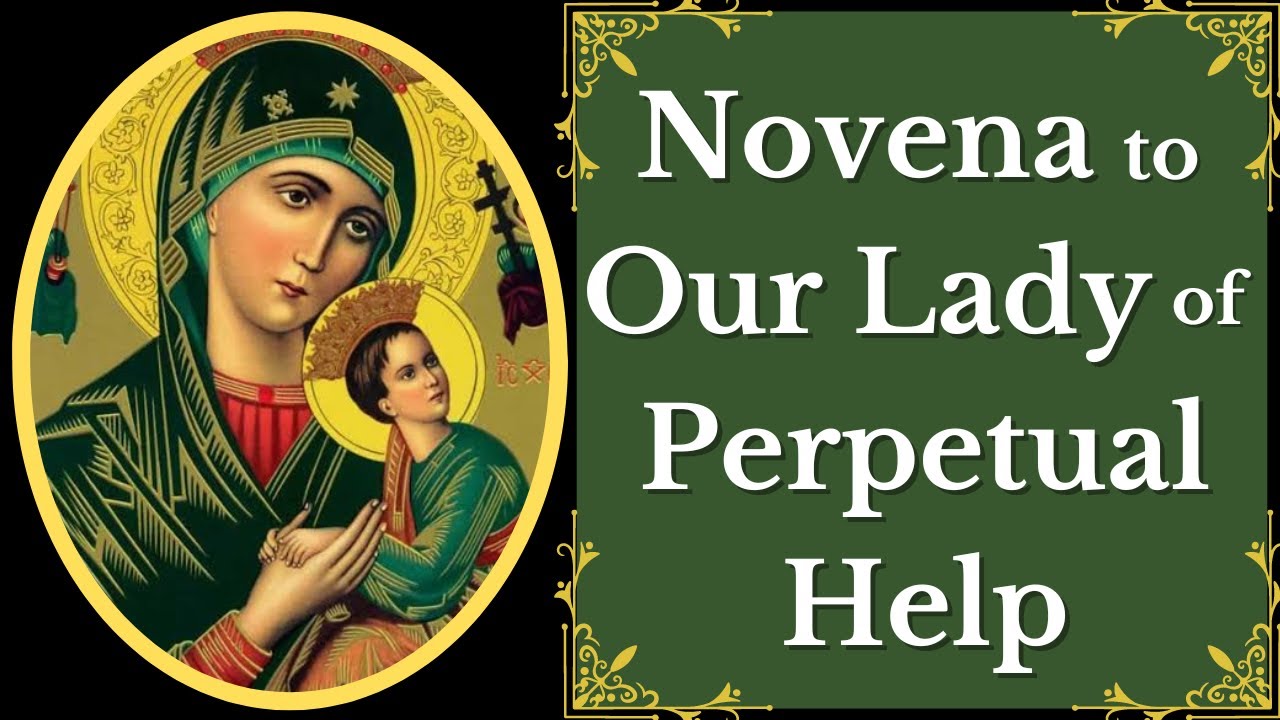
Visual culture has often guided popular imagination. Medieval and Renaissance Western art sometimes depicted Joseph as older but not necessarily ancient, while some Eastern iconography presents him as clearly elderly, highlighting his role as guardian and protector rather than conjugal partner. These artistic choices, while theologically meaningful, are not evidence of historical ages. They do, however, shape the way many people picture how old were mary and joseph when they married.
Different Christian communities have also approached related questions in distinctive ways. To understand the broader context of how traditions diverge, explore an overview of the differences between Orthodox and Catholic traditions. While such doctrinal contrasts do not settle how old were mary and joseph when they married, they explain why various churches emphasise different sources and imagery.
Historical method: weighing texts, customs, and context
When approaching any historical question—especially one the primary sources do not answer directly—it helps to combine different kinds of evidence carefully:
- Canonical texts: What Matthew and Luke do (and do not) say about Mary and Joseph’s relationship and circumstances.
- Social and legal context: Jewish law and custom for betrothal and marriage in first-century Judea.
- Demography and economics: Typical ages for establishing a household, trade training, and migration patterns.
- Later tradition and apocrypha: How texts like the Protoevangelium of James and later theological concerns influenced the portrayal of Joseph’s age.
- Art and devotion: How visual depictions have often consolidated these narrative choices for lay audiences.
Each component contributes to a cautious, layered answer to how old were mary and joseph when they married. Where sources are silent, we prefer ranges and probabilities, not rigid claims.
How scholars present the answer
Most modern introductions to Mary and Joseph acknowledge uncertainty while giving a measured estimate. For broader biographical context on both figures, see Britannica’s profile of Mary, mother of Jesus and Britannica’s overview of Saint Joseph. These resources reflect the mainstream understanding that, despite the lack of explicit ages in Scripture, a young Mary and a somewhat older Joseph fit the social realities of the time.
Common misconceptions and how to avoid them
When people ask how old were mary and joseph when they married, a handful of misconceptions often appear. Avoiding them leads to a more balanced picture.
“Everyone in antiquity died by 30, so marriage must have been extremely early.”
Life expectancy at birth in antiquity is heavily reduced by infant and child mortality. Those who reached adolescence often lived into middle age or beyond. Early marriage for women was common, but not because adults uniformly died at 30.
“Joseph must have been ancient because medieval paintings show him that way.”
Art is not the same as evidence. Iconographic choices typically reflect theology and devotional emphases. Some artworks present Joseph as elderly to underscore Mary’s virginity; others show him younger. These images serve a purpose but do not tell us definitively how old were mary and joseph when they married.
“The Gospels somewhere say Mary was 14.”
They do not. Any number quoted for Mary’s age arises from historical reconstruction or later tradition, not from a canonical verse. Responsible writers therefore use ranges and explain assumptions.
Where a careful estimate lands
Bringing these strands together, a fair summary is that Mary was likely a young teenager at betrothal, most commonly estimated around 12–14, and Joseph a young adult, often placed somewhere in his late teens to twenties, possibly older depending on the family’s circumstances. If one follows the apocryphal tradition of an older, widowed Joseph, then how old were mary and joseph when they married shifts toward a young Mary and a significantly older Joseph, but this rests on sources outside the New Testament canon.
For a concise, factual background to Mary and Joseph from a general perspective, the entries on Mary, mother of Jesus (Wikipedia) and Saint Joseph (Wikipedia) offer accessible overviews, with citations to scholarly literature. They provide baseline context even if they cannot settle exactly how old were mary and joseph when they married.
Language and culture notes that shape the discussion
Modern readers sometimes meet unfamiliar terms when exploring first-century Judea—words like “Gentiles,” “betrothal,” and “purity laws.” Understanding terminology prevents confusion about the social world Mary and Joseph inhabited. For example, see this short explanation of the meaning of Gentiles for broader biblical context. Although not directly an age marker, such background helps frame how households, communities, and marriages functioned in their world.
It is also worth noting that betrothal in Jewish law was already legally binding. A betrothed woman was recognised as belonging to her husband’s household for many legal purposes, which is why Joseph’s contemplation of a quiet divorce in Matthew makes sense. This context matters when we examine how old were mary and joseph when they married, because it clarifies that the process unfolded in stages rather than as a modern one-day event.
Recommended external resources
- Introduction to betrothal in Judaism and its legal stages — helpful for understanding the two-step process of marriage in Mary and Joseph’s world.
- Background on the Protoevangelium of James — the apocryphal source that presents Joseph as an older widower.
- Mary, mother of Jesus (Britannica) — concise mainstream overview with historical context.
- Saint Joseph (Britannica) — general account of Joseph’s role and later tradition.
Frequently asked questions about how old were mary and joseph when they married
Did the Bible ever state their ages directly?
No. The canonical Gospels of Matthew and Luke describe their betrothal and marriage but never give a numerical age for either Mary or Joseph. Any answer to how old were mary and joseph when they married is therefore an informed estimate based on historical customs and later traditions.
Were Mary and Joseph teenagers?
Mary was very likely a young teenager at betrothal, often estimated around 12–14. Joseph was probably older—frequently placed in his late teens or twenties if we follow typical social patterns. This is a widely cited reconstruction of how old were mary and joseph when they married, though precise ages remain unknown.
Was Joseph an elderly widower?
Some traditions, influenced by the Protoevangelium of James and later devotional writings, present Joseph as significantly older or as a widower with children. This is not in the New Testament itself. If one adopts that view, how old were mary and joseph when they married would be “young Mary, older Joseph,” but this rests on non-canonical sources.
How does betrothal differ from marriage in their context?
Betrothal (kiddushin) legally bound the couple, whereas the marriage (nissuin) was completed later, often with the bride moving into the groom’s household. Understanding this two-step process helps answer how old were mary and joseph when they married because it explains why “engagement” in our modern sense is not a perfect comparison.
Why do different churches imagine Joseph’s age differently?
Various Christian traditions emphasise different sources and theological themes. Some prefer a younger Joseph to align with social norms; others present an elderly Joseph to highlight Mary’s virginity and Joseph’s role as guardian. These differences affect how people answer how old were mary and joseph when they married, even though the Bible itself is silent on the numbers.
Conclusion on how old were mary and joseph when they married
Because the New Testament does not provide explicit ages, the best answer to how old were mary and joseph when they married is probabilistic: Mary was likely a young teenager (often estimated 12–14), and Joseph a young adult (commonly late teens to twenties), consistent with Jewish marriage patterns of the period. This reconstruction is cautious, historically grounded, and explains the practical realities suggested by the Gospel narratives.
At the same time, later traditions—especially the Protoevangelium of James—
