How much is 30 pieces of silver worth today: essential, updated guide
how much is 30 pieces of silver worth today
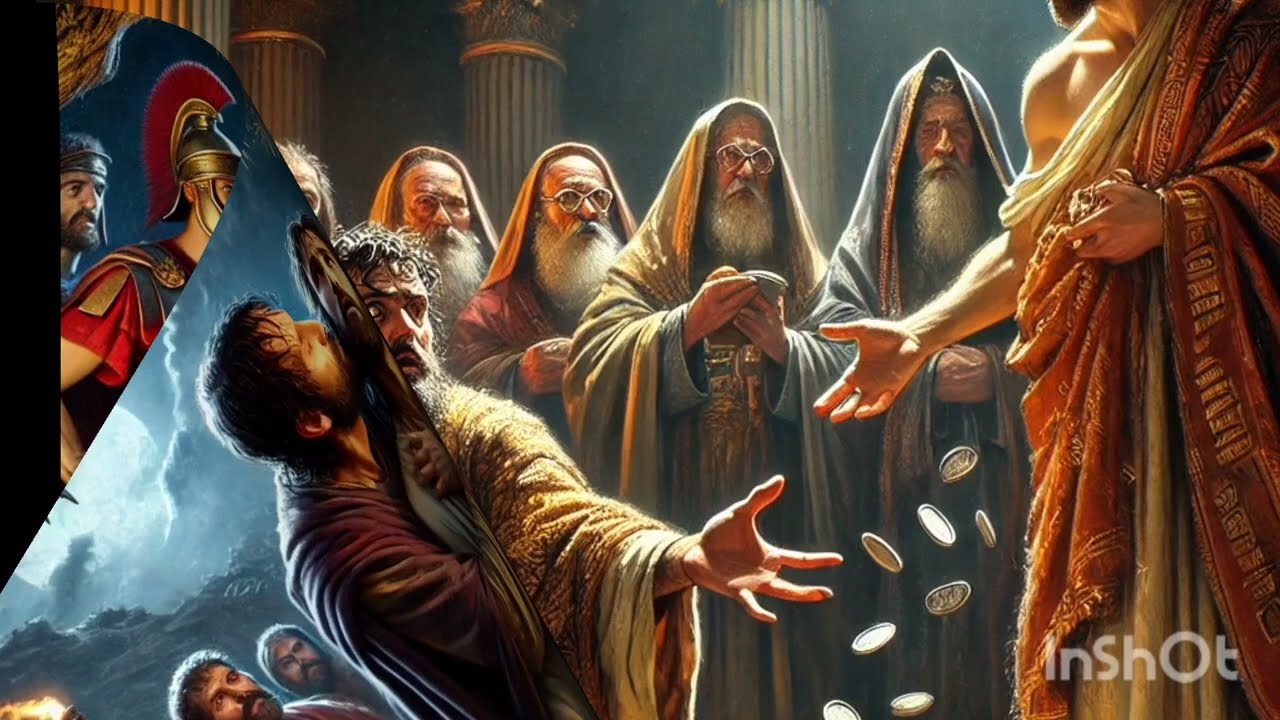
Whether you are curious about the Bible, interested in history, or simply love a good practical calculation, it is natural to wonder how much is 30 pieces of silver worth today. The phrase is famous because it refers to the payment Judas received for betraying Jesus, but turning that ancient sum into a modern figure is not as straightforward as converting a currency. This guide explains what those coins likely were, how much silver they contained, how to calculate a modern bullion value, and why a “purchasing power” perspective can give a very different answer.
Below, you will find clear explanations, step‑by‑step methods, worked examples in pounds sterling and US dollars, common mistakes to avoid, and helpful links to trustworthy sources. By the end, you will be able to answer for yourself how much is 30 pieces of silver worth today and also understand the assumptions behind any figure you see quoted.
Why people ask how much is 30 pieces of silver worth today
The amount is historically and culturally significant. In the New Testament (Matthew 26:15), Judas agrees to betray Jesus for “thirty silver coins.” In the Old Testament, 30 shekels is also mentioned as the compensation for a slave (Exodus 21:32). Because these passages are well known, Christians, historians and curious readers alike often ask how much is 30 pieces of silver worth today in modern money, either as bullion value or as an equivalent in terms of everyday purchasing power.
There are, however, two main ways to answer the question, and they lead to different outcomes:

- A bullion approach that looks at how much fine silver the coins contained and multiplies by today’s silver price.
- A purchasing power approach that asks what 30 such coins could buy then (for example, days of wages) and estimates a modern equivalent.
What exactly were the “pieces” in how much is 30 pieces of silver worth today?
The Greek text refers to silver coins (argyria), but the specific coin is not named. Many scholars think the coins were Tyrian shekels because the Temple authorities in Jerusalem preferred high-purity Tyrian silver for offerings and taxes. A Tyrian shekel was a well‑known silver coin circulating in the region around the first century.
Tyrian shekel: weight and purity
A Tyrian shekel typically weighed around 14.1–14.4 grams, with a high silver purity of roughly 94%. That means each coin contained approximately 13.2–13.5 grams of fine silver. If the 30 pieces were Tyrian shekels, the total fine silver content would be close to 396–405 grams. This is the key input for the bullion method of answering how much is 30 pieces of silver worth today.
Alternative possibilities include other local silver coins (e.g., tetradrachms) with similar weights, but the Tyrian shekel remains the most commonly cited candidate. Numismatists sometimes discuss minor variations between issues and years; these differences can nudge the total silver content up or down slightly.
Two ways to answer how much is 30 pieces of silver worth today
Because there was no single “ancient-to-modern exchange rate”, you need to choose a lens. Below are the two most practical and widely used approaches: bullion value and purchasing power. Each helps you say how much is 30 pieces of silver worth today, but they answer the question in different ways and for different purposes.
Method 1: Bullion value — calculating how much is 30 pieces of silver worth today
This method treats the 30 coins as silver bullion. The calculation has three steps:
- Estimate fine silver content per coin (for a Tyrian shekel, around 13.3 g of pure silver).
- Multiply by 30 (roughly 399 g of fine silver in total).
- Multiply by today’s silver price per gram (or convert from a price per troy ounce, where 1 troy ounce = 31.1035 g).
For example, suppose the live silver price is £22 per troy ounce. That equals about £0.71 per gram (£22 ÷ 31.1035). Multiply £0.71 by roughly 399 g and the bullion value comes out near £283. If silver were £27/oz (~£0.87/g), the figure would be closer to £347. If it were £30/oz (~£0.96/g), you would be near £383. As you can see, the bullion answer to how much is 30 pieces of silver worth today moves with the silver market, and it will change every day.
In US dollars, the same approach applies. If silver were $27/oz (~$0.87/g), 399 g of fine silver would be about $347. If it were $25/oz (~$0.80/g), the total would be around $320. The bullion approach gives a narrow range that directly follows the price of silver, which you can check from established sources like the London Bullion Market Association: LBMA precious metal prices.
Important: bullion value does not include any numismatic (collectors’) premium. An authentic, well-preserved ancient Tyrian shekel can fetch far more than its melt value if sold as a collectible coin, depending on condition, provenance and market demand. So the bullion calculation shows a base “metal” value, not the price an actual historical coin might command at auction.
Method 2: Purchasing power — another angle on how much is 30 pieces of silver worth today
A second way to answer the question considers what those coins represented in everyday life. In the ancient world, a denarius (or drachma) was commonly considered a daily wage for a labourer. A Tyrian shekel was worth roughly four denarii. On that estimate, 30 shekels would be around 120 days’ wages — approximately four months of pay.
Translating that into modern money depends on where you live and which wages you use (median, minimum wage, skilled wage, etc.). Here is a simple way to think about it:
- Pick a reasonable daily wage for ordinary labour where you live (for example, £100–£150 in the UK; the right figure will vary).
- Multiply by 120 (since 30 shekels ~ 120 daily wages on the four-denarii-per-shekel assumption).
- The result is a modern “purchasing power” equivalent for how much is 30 pieces of silver worth today.
Using a rough daily wage of £120: 120 × £120 = £14,400. With £100 per day, the estimate becomes £12,000. This approach yields a much higher figure than the bullion value because it captures living standards and labour value rather than just metal content. Critics will point out that wage structures and prices have changed radically over two millennia, so any such estimate is approximate. Still, it is a useful lens if you want to compare the social or economic weight of the sum rather than its melt value.
Worked examples: how much is 30 pieces of silver worth today in pounds and dollars
To make the two approaches concrete, here are some worked examples. These are not fixed “facts”; they show how you can run the numbers yourself and update them whenever you wish.
Example A: Bullion method in GBP
- Assume each coin is a Tyrian shekel with approximately 13.3 g of fine silver.
- Total fine silver for 30 coins ≈ 399 g.
- If silver is £22 per troy ounce, that is about £0.71 per gram.
- 399 g × £0.71 ≈ £283.
Change the silver price and the answer for how much is 30 pieces of silver worth today changes immediately. At £27/oz (~£0.87/g), you would get around £347; at £30/oz (~£0.96/g), around £383.
Example B: Bullion method in USD
- Same silver weight: ~399 g of fine silver in total.
- If silver is $27/oz (~$0.87/g): 399 g × $0.87 ≈ $347.
- If silver is $25/oz (~$0.80/g): 399 g × $0.80 ≈ $319.
Again, the bullion figure gives a neat, market-linked answer to how much is 30 pieces of silver worth today, but it does not reflect collector value or historical significance.
Example C: Purchasing power method
- Assume 1 shekel ≈ 4 denarii (daily wages), so 30 shekels ≈ 120 days’ wages.
- Pick a daily wage to suit your context (e.g., £100–£150 in the UK).
- 120 × £120 ≈ £14,400 (or 120 × £100 ≈ £12,000).
On this view, how much is 30 pieces of silver worth today reflects a portion of annual income rather than metal weight, and the results are an order of magnitude higher than bullion estimates.
Context, sources and what the Bible actually says
The biblical references do not name the coin, but the passages are clear about the number of pieces. For Judas’s payment, see Matthew 26:15: the Gospel account of thirty silver coins. For the Old Testament link, see Exodus 21:32: the law regarding compensation of thirty shekels. For background on the coinage itself, Wikipedia provides a useful overview of both the episode and potential coin types: historical summary of “Thirty pieces of silver” and details on the Tyrian shekel. These resources help frame the assumptions behind any calculation of how much is 30 pieces of silver worth today.
If you are exploring broader New Testament context, you may also be curious about how ancient Jews and early Christians related to the wider Greco‑Roman world. For example, see our article on the meaning of Gentiles, or delve into intertestamental literature with this book of Enoch summary. While not directly about coinage, these topics reveal the complex religious and cultural backdrop in which such transactions took place.
Common mistakes when asking how much is 30 pieces of silver worth today
Because the question blends history, economics and metals markets, a few pitfalls are common. Here are the ones to watch out for:
- Mixing troy ounces and regular ounces: precious metals are quoted in troy ounces (31.1035 g), not the 28.35 g avoirdupois ounce. Confusing the two will skew the answer to how much is 30 pieces of silver worth today.
- Ignoring purity: not every ancient silver coin is 100% pure. The Tyrian shekel is high purity (c. 94%), but the fine silver content is slightly less than the total weight.
- Assuming a fixed coin type: the text says “silver coins”, not “Tyrian shekels”. Using different plausible coins changes the metal content and therefore the bullion value.
- Forgetting collectible value: an authentic ancient coin may sell for far more than melt price due to historical significance, condition and rarity.
- Comparing bullion value to wages: bullion value and purchasing power are different lenses; do not treat them as interchangeable answers.
- Using a single “modern wage”: wages vary by country, region, sector and skill. Any wage-based estimate of how much is 30 pieces of silver worth today is illustrative, not exact.
How to update the calculation yourself
If you want a current bullion estimate anytime, do this:
- Use ~13.3 g of fine silver per coin (Tyrian shekel assumption).
- Multiply by 30: ≈399 g of fine silver total.
- Check the latest silver price per gram. If you only see a price per troy ounce, divide by 31.1035 to get price per gram. For reference, visit the LBMA precious metal prices page.
- Multiply grams by price per gram to get the bullion value in your currency.
