How many types of catholic are there: complete, essential guide
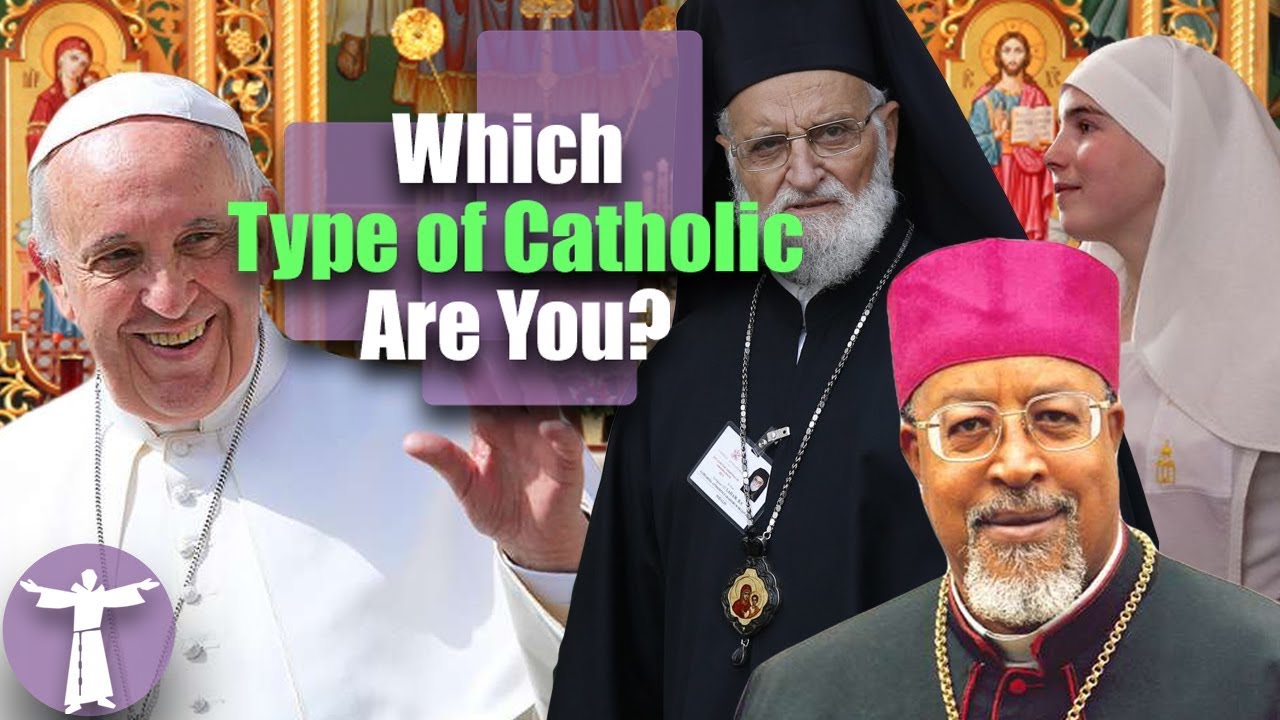
how many types of catholic are there
If you have ever wondered how many types of catholic are there, you are not alone. The short answer depends on what we mean by “types”. In everyday speech, people may be thinking about Roman Catholics versus Eastern Catholics, different liturgical rites, or even religious orders such as Jesuits and Franciscans. In church law, however, the Catholic Church is a communion of 24 “Churches sui iuris”: the Latin (or Western) Church plus 23 Eastern Catholic Churches. Understanding the difference between Churches, rites, and other groupings makes the question much clearer.
This article explains how many types of catholic are there in a practical, easy-to-follow way. We will outline the 24 Catholic Churches in full communion with the Pope, explain the main liturgical families or “rites”, and clear up common misunderstandings. You will also find answers to frequently asked questions, examples, and pointers to reliable resources.
The short answer: how many types of catholic are there?
In strict ecclesiastical terms, there are 24 Catholic Churches in full communion with the Bishop of Rome (the Pope). These are self-governing Churches (sui iuris) with their own hierarchies, liturgical traditions, and particular laws, all united in the same Catholic faith and sacraments. When people ask how many types of catholic are there, they usually want to understand this diversity within unity.
- 24 Churches in total: 1 Latin Church (often called “Roman Catholic”) + 23 Eastern Catholic Churches.
- Multiple liturgical rites or families: for example, Roman, Ambrosian, Mozarabic, Byzantine, Alexandrian (Coptic/Ge’ez), West Syriac (Antiochene), East Syriac (Chaldean), and Armenian.
- Religious orders, spiritualities and movements: these are not different “Churches” but ways of life within the Church (e.g., Benedictines, Franciscans, Dominicans, Jesuits, lay movements).
So, if the question is “how many types of catholic are there” as distinct Churches, the answer is 24. If the question is about liturgical rites, there are several major families with local forms. And if the question is about styles of Catholic life, there are many orders, communities, and devotions, but these are not separate Churches.


Understanding what “types” really means: Churches, rites, and communities
What is a Church sui iuris?
A Church sui iuris is a self-governing particular Church within the worldwide Catholic communion. Each has its own bishops, canon law in some cases, and liturgical traditions. All 24 recognise the Pope’s primacy, share the same sacraments and profession of faith, and are fully Catholic.
What is a “rite”?
A rite is a liturgical, theological, spiritual, and disciplinary heritage. In practice it refers to how the liturgy is celebrated and how the faith is expressed in worship. Several Eastern Catholic Churches share the Byzantine Rite, for instance. The Latin Church chiefly uses the Roman Rite, but also has the Ambrosian and Mozarabic Rites, among others. For a clear overview of rites in Catholicism, see this introduction to rites in the Catholic Church.
What is not a separate “type”?
- Language or culture: A parish offering Mass in English, Polish or Tagalog is still in the same Church if it follows the same rite and hierarchy.
- Religious orders: Benedictines and Jesuits are not separate Churches; they are families or congregations within the Church.
- Political or social labels: Calling someone “traditional” or “progressive” does not describe a different type of Catholic Church.
The 24 Catholic Churches in full communion with Rome
To answer plainly how many types of catholic are there in terms of particular Churches: there are 24. Below is a compact list, grouped by their main liturgical family. For more detailed profiles, the article on Eastern Catholic Churches is a reliable primer.
Latin (Western) tradition
- Latin Church (often called the Roman Catholic Church)
Byzantine tradition
- Albanian Greek Catholic Church
- Belarusian Greek Catholic Church
- Bulgarian Greek Catholic Church
- Byzantine Catholic Church of Croatia and Serbia
- Greek Byzantine Catholic Church
- Hungarian Greek Catholic Church
- Italo-Albanian Catholic Church
- Macedonian Greek Catholic Church
- Melkite Greek Catholic Church
- Romanian Greek Catholic Church
- Russian Greek Catholic Church
- Ruthenian Greek Catholic Church
- Slovak Greek Catholic Church
- Ukrainian Greek Catholic Church
Alexandrian tradition
- Coptic Catholic Church
- Eritrean Catholic Church
- Ethiopian Catholic Church
Armenian tradition
- Armenian Catholic Church
East Syriac (Chaldean) tradition
- Chaldean Catholic Church
- Syro-Malabar Catholic Church
West Syriac (Antiochene) tradition
- Maronite Church
- Syriac Catholic Church
- Syro-Malankara Catholic Church
These Churches often overlap geographically. For example, in some countries you will find parishes of the Latin Church alongside Ukrainian Greek Catholic or Maronite parishes. All are equally Catholic, just with different histories and worship traditions.
Liturgical rites and families you may encounter
Another way people frame the question “how many types of catholic are there” is by counting rites. The Catholic Church preserves multiple liturgical families, each with beautiful local expressions. Here are the main ones you are likely to hear about:
- Roman Rite (Latin Church): The most widespread. Within it, you may see the current “Ordinary Form” (post-Vatican II) and celebrations of the 1962 Missal in specific contexts. The Latin Church also includes distinct historic rites such as:
- Ambrosian Rite (celebrated around Milan, Italy)
- Mozarabic Rite (preserved in Toledo, Spain)
- Divine Worship (used by Personal Ordinariates for former Anglicans)
- Byzantine Rite: Shared by many Eastern Catholic Churches (e.g., Ukrainian, Melkite, Romanian, Ruthenian). It features the Divine Liturgy of St John Chrysostom or St Basil the Great.
- Alexandrian Rite: Expressed in the Coptic and Ge’ez traditions (Coptic, Ethiopian, Eritrean Catholics).
- Armenian Rite: Used by the Armenian Catholic Church.
- West Syriac (Antiochene) Rite: Used by Maronite, Syriac Catholic and Syro-Malankara Churches.
- East Syriac (Chaldean) Rite: Used by the Chaldean and Syro-Malabar Churches.
These rites are not competing systems but different ways of celebrating the same Eucharist and sacraments. For a general orientation, see the overview of the Catholic Church, which also touches on its global diversity.
Other ways people talk about “types” of Catholics
Religious orders and charisms
When asking how many types of catholic are there, some people mean religious families and their distinct “charisms” (spiritual emphases). Well-known examples include Benedictines (prayer and work), Franciscans (simplicity and care for the poor), Dominicans (preaching and study), Carmelites (contemplative prayer), and Jesuits (education, mission, discernment). These are communities within the Church, not separate Churches.
Personal Ordinariates for former Anglicans
Personal Ordinariates allow former Anglicans to enter full communion with Rome while keeping elements of their liturgical and spiritual heritage, now celebrated as “Divine Worship” within the Latin Church. These Ordinariates are fully Catholic, another instance of unity in diversity.
Language, culture, and local customs
Parishes often reflect the languages and cultures of their communities. This can give the impression of different “types”, but it is the same Catholic faith taking root in local soil.
Labels and media shorthand
Media labels like “liberal” or “conservative” can be unhelpfully broad. They do not denote official categories or different Churches. If you want to know how many types of catholic are there in a formal sense, stick to the 24 Churches and the recognised rites.
What unites all Catholics across these differences
Despite differing rites and customs, all Catholics profess the same Creed, celebrate the same seven sacraments, recognise the Pope’s universal ministry, and share apostolic succession in their bishops. Eastern Catholic Churches may have some different disciplines (for example, married priests are more common), but these do not affect core beliefs.
If you are wondering about similarities and differences with the Eastern Orthodox Churches (which are not in communion with Rome), you may find this comparison helpful: Orthodox vs Catholic. It clarifies how some traditions look alike yet belong to distinct communions.
Finding your place: identifying your local Catholic community
Here are simple steps to understand your local context without getting lost in labels:
- Check the parish or eparchy name: Is it “St Mary’s Catholic Church” of the Latin Diocese, or “St Nicholas Ukrainian Greek Catholic” within an Eparchy? This often reveals the Church and rite.
- Ask about the liturgy: Is the Mass Roman Rite, Byzantine Divine Liturgy, or another rite? The worship books and calendar will differ.
- Explore spiritual traditions: Parishes may host particular devotions. For instance, many Latin parishes pray the Divine Mercy Chaplet prayer, a beloved modern devotion.
- Remember the essentials: Whatever the rite or language, the Eucharist is the same sacrament and the faith is the same Catholic faith.
Common misunderstandings about how many types of catholic are there
- Myth: “Roman Catholics are the only real Catholics.” Reality: The Latin Church is the largest, but Eastern Catholic Churches are fully Catholic, equally ancient, and in full communion with Rome.
- Myth: “Different rites mean different beliefs.” Reality: Rites are different ways of praying and expressing the same faith. The substance of doctrine is one.
- Myth: “If priests can marry in one place, the rules are inconsistent.” Reality: Marriage discipline for clergy is a matter of Church law and tradition, not dogma. Both approaches exist within Catholicism’s legitimate diversity.
- Myth: “Ethnic parishes are separate Churches.” Reality: Language or culture does not create a new Church; it is simply the faith expressed locally.
Keeping these clarifications in mind helps you navigate how many types of catholic are there without confusion.
Recommended external resources
- Overview of the Eastern Catholic Churches — concise descriptions of each Church and their traditions.
- Rites in the Catholic Church — explains the main liturgical families and their history.
- Britannica: Eastern Catholic church — a neutral, scholarly summary of Eastern Catholicism.
- Personal Ordinariates — background on Anglican patrimony within the Catholic Church.
Related articles
Frequently asked questions about how many types of catholic are there
Are Roman Catholics and Eastern Catholics part of the same Church?
Yes. Roman Catholics belong to the Latin
