How many trees were in the garden of eden: complete, essential guide
How many trees were in the garden of eden
If you have ever wondered how many trees were in the garden of eden, you are not alone. It is a question that sits at the crossroads of faith, literature, and history. At first glance, some readers assume the answer must be “two”, because Genesis famously names the Tree of Life and the Tree of the Knowledge of Good and Evil. Yet the biblical text also speaks of “every tree that is pleasant to the sight and good for food”, suggesting an abundant grove rather than a sparse pair. In this article, we will explore the scriptural passages, the main interpretations, and what different traditions have said about the trees of Eden.
The aim is to help you understand what the Bible actually states, what it might imply, and how to read the Eden narrative with clarity. By the end, you will know how scholars, religious teachers, and thoughtful readers approach the question of how many trees were in the garden of eden—and why the answer matters for making sense of the story.
We will keep things friendly and straightforward, using clear British English and sticking closely to the texts and reputable sources, so you can form a well-rounded view without needing specialist background.
How many trees were in the garden of eden: what the Bible actually says
The primary source for the Garden of Eden is the Book of Genesis, particularly chapters 2 and 3. According to Genesis 2:8–9, God planted a garden in the east, in Eden, and “made to grow every tree that is pleasant to the sight and good for food”. Among these, two trees are singled out: the Tree of Life and the Tree of the Knowledge of Good and Evil. This means the narrative contains both general language of abundance and specific reference to two distinct trees placed “in the midst of the garden”. For the text itself, see accessible translations such as the NRSVUE at Genesis 2 on Bible Gateway.


When people ask how many trees were in the garden of eden, the clearest answer is that the Bible does not give a number. Instead, it describes a garden filled with many trees, and focuses the plot on two special trees as symbols at the centre of the story. The narrative arc—creation, command, temptation, and consequence—turns on human interaction with one of these trees, not on the total count of them.
Genesis 2:16–17 permits the man to eat from every tree except one: “but of the tree of the knowledge of good and evil you shall not eat”. The presence of “every tree” plus a specific prohibition suggests abundance paired with a boundary. It is this pattern that frames the moral and theological movement of the story, rather than a concern with tallying the trees.
If you would like a general overview of the Eden story and its place in religious thought, the entry on the Garden of Eden in Wikipedia offers basic context and references.
Two named trees, many unnamed trees
Readers sometimes infer that there were only two trees, because those are the only ones named. However, the wording “every tree that is pleasant to the sight and good for food” implies a richly planted orchard. While only two trees receive symbolic names and narrative weight, the garden appears to be populated by numerous fruit-bearing trees. Therefore, when we ask how many trees were in the garden of eden, we are dealing with a literary scene where two trees are highlighted against a wider backdrop of plenty.
Why two trees are highlighted
The two named trees function as narrative and theological anchors. The Tree of Life represents divine gift and ongoing life in God’s presence. The Tree of the Knowledge of Good and Evil represents the boundary of trust and obedience. Together, they create a moral landscape. This focus does not diminish the many other trees, but it does explain why the story concentrates on these two.
How many trees were in the garden of eden according to Jewish and Christian interpretations
Over centuries, Jewish and Christian interpreters have asked how many trees were in the garden of eden and offered a consistent answer: there were many trees, with two set apart. Rabbinic commentary often emphasises the abundance of Eden while discussing the symbolic meaning of the special trees. Early Christian thinkers, such as Irenaeus and Augustine, commonly read the Tree of Life in connection with immortality or divine wisdom, and the Tree of Knowledge in connection with moral discernment and human freedom.
Across these traditions, the conversation is rarely about a fixed number. Instead, it explores what the trees signify—life, wisdom, temptation, boundary, and blessing. The interpretive focus reinforces that the question how many trees were in the garden of eden is best answered by recognising both the plurality of trees and the narrative centrality of two.
Literal, symbolic, or both?
Many readers take the Eden narrative as presenting a real place with real trees, while also acknowledging the symbolic dimension of the named trees. Others read the entire account as theological storytelling. In either case, the textual detail stands: the garden has many trees, with two singled out for the story’s moral drama. Thus, whether one reads the passage more literally or more symbolically, the basic answer to how many trees were in the garden of eden remains the same—many, not two only.
What kinds of trees might have been in Eden?
The text does not list species, but it gives a few hints. Genesis 3:7 mentions fig leaves used to make coverings, which naturally suggests the presence of fig trees. Beyond that, interpreters sometimes imagine common ancient Near Eastern fruit trees: date palms, pomegranates, olives, and vines. However, any list would be speculative. The biblical point is not horticultural inventory but the experience of beauty (“pleasant to the sight”) and provision (“good for food”).
From a literary viewpoint, imagining a variety of fruit-bearing trees helps readers grasp the scene of abundance. Yet we should be careful not to assert specific species where the text is silent. When considering how many trees were in the garden of eden, the safer conclusion is that the garden was richly stocked, not that it contained a particular catalogue of trees known to later readers.
Numbers and meaning in Genesis
Biblical literature often uses numbers with symbolic or structural significance. Seven, for instance, features prominently in the creation account of Genesis 1. However, Genesis 2–3 does not specify a number of trees. Instead, it amplifies the sense of “many” by describing “every tree” and then framing the narrative around two special trees. This is another reason why answering how many trees were in the garden of eden with a precise figure goes beyond what the text provides.
If you enjoy exploring how biblical writing uses detail and structure, you might find it helpful to look at studies of how verses and passages are arranged. For a different angle on textual features, see this accessible piece on the longest verse in the Bible, which can spark broader interest in how Scripture balances narrative flow and detail.
How many trees were in the garden of eden in other ancient texts?
Some extra-biblical Jewish writings, such as 1 Enoch and Jubilees, expand on themes related to Eden and cosmic geography. They often use imagery of trees, rivers, and mountains to convey theological ideas. While these texts can be rich, they also vary, and they do not necessarily aim to count how many trees were in the garden of eden in a literal sense. For a brief orientation, this overview of the Book of Enoch summarises themes and contexts that sometimes touch on Edenic motifs.
Ancient Near Eastern literature outside the Bible—such as Mesopotamian stories of Dilmun—also features garden-like settings and sacred trees. Scholars compare these to Genesis to understand shared cultural imagery. Nevertheless, the Hebrew Bible’s presentation of Eden is distinctive, and the question of how many trees were in the garden of eden remains grounded most securely in Genesis itself.
Common mistakes and misconceptions
Mistake 1: “There were only two trees”
Because two trees are named, some assume Eden contained just those. The text states the opposite: there were “every tree” that was lovely and good for food, with two highlighted. So, how many trees were in the garden of eden? Many, with two standing out for symbolic reasons.
Mistake 2: “The Bible gives a precise number”
No passage quantifies the trees. Attempts to derive a number generally go beyond what the text says. Responsible reading acknowledges the narrative emphasis on abundance without forcing a tally.
Mistake 3: “All interpretations agree on everything”
While Jewish and Christian interpreters broadly agree the garden had many trees, they differ over how to understand the special trees (more literal, more symbolic, or both). These differences enrich rather than undermine the central point about abundance.
How to read the Eden narrative with clarity
Here are practical steps for engaging the text thoughtfully when you consider how many trees were in the garden of eden:
- Read Genesis 2–3 in full, ideally in two or three translations, to hear the wording of “every tree” and the reference to the two named trees. An online option is Genesis 3 on Bible Gateway.
- Note repeated themes: beauty and bounty (“pleasant to the sight”), food and provision (“good for food”), boundary and trust (the prohibition), and consequence (expulsion from the garden).
- Distinguish between narrative focus and background detail: the plot highlights two trees, but the setting is rich with many others.
- Consider the genre: Genesis offers theological storytelling that speaks about God, humanity, and creation. Do not force a numerical precision the text does not provide.
- Consult reputable summaries to see how traditions have understood the passage. For a balanced overview article, see Encyclopaedia Britannica’s Garden of Eden entry.
Why the question matters
It might seem a small detail, but asking how many trees were in the garden of eden helps clarify how we read Scripture. It steers us away from assumptions and towards what the text actually says. It also draws attention to Eden’s portrait of generosity and boundary—a world of plenitude with a single prohibition, a setting where trust is tested and choices matter.
Moreover, reflecting on how many trees were in the garden of eden invites us to ask bigger questions: What do the Tree of Life and the Tree of Knowledge represent about human destiny? How do abundance and limits coexist in a good world? And how does the Eden story continue to shape moral imagination across cultures?
Recommended external resources
- Genesis 2 (NRSVUE) on Bible Gateway – read the core passage that mentions “every tree” and the two named trees.
- Garden of Eden article at Encyclopaedia Britannica – a concise, reliable overview of themes and interpretations.
- Wikipedia: Garden of Eden – broad entry with links and references for further reading.
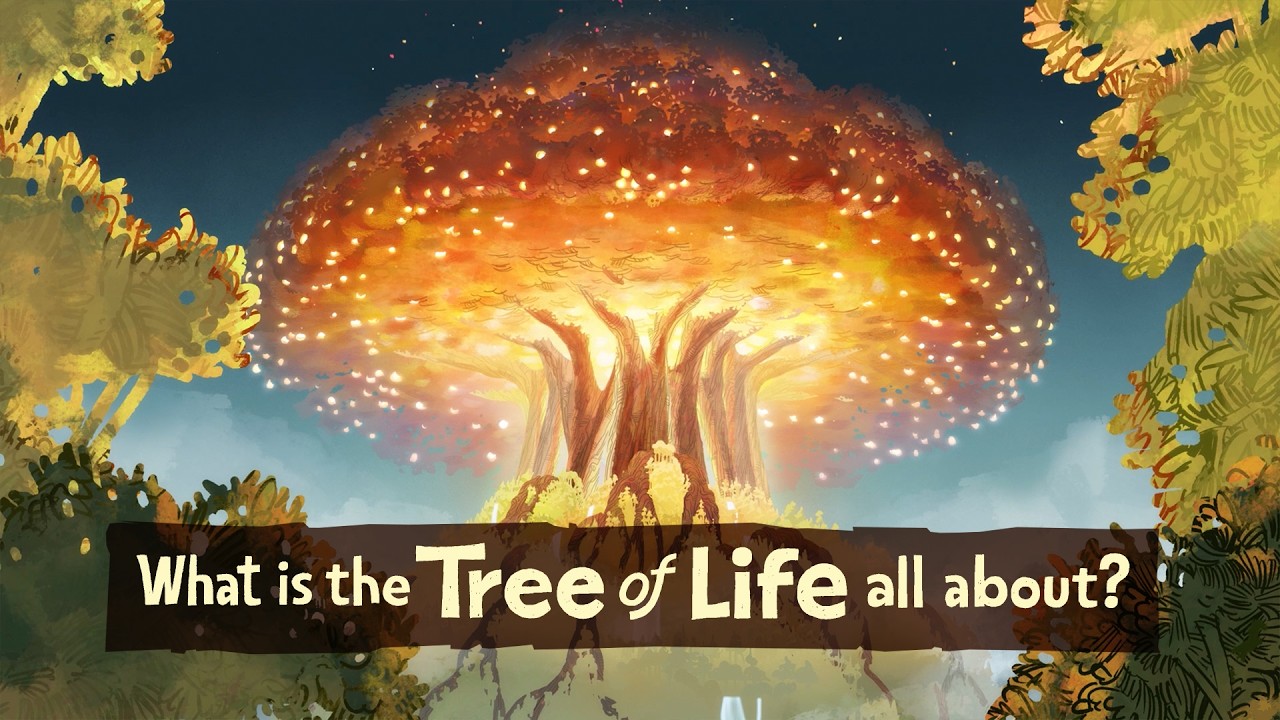
- BibleProject: The Tree of Life video – an accessible exploration of the Tree of Life theme in Scripture.
Frequently asked questions about how many trees were in the garden of eden
Does the Bible ever give a number of trees in Eden?
No. The text emphasises “every tree” for beauty and food, and names two special trees. It does not offer a headcount. Thus, when we ask how many trees were in the garden of eden, the best answer is “many, unspecified”.
Were the Tree of Life and the Tree of Knowledge literal or symbolic?
Traditions vary. Some read them as literal trees with theological meaning; others as symbols within a theological narrative. Either way, the garden still contains many other trees besides these two.
Do other books of the Bible mention Eden’s trees?
Later biblical texts allude to the Tree of Life (for example, in Proverbs and Revelation) and to Eden’s garden imagery. However, they do not count how many trees were in the garden of eden. The focus remains on meaning rather than number.
Are figs the only identified species in Eden?
Genesis 3:7 mentions fig leaves, suggesting fig trees were present. Beyond that, species are not identified. Readers sometimes imagine pomegranates, olives, or date palms, but that is speculative.
Is it wrong to say there were only two trees?
It is misleading. Two trees are named and central, but the text explicitly speaks of “every tree” that is delightful and nourishing. So, how many trees were in the garden of eden? Many, not merely two.
Why do interpreters care about this question?
Because it affects how we read the passage. Recognising abundance helps us see the narrative’s structure: a world of generosity with a single boundary. It prevents oversimplifying the story to just two trees.
Conclusion on how many trees were in the garden of eden
Bringing the evidence together, the Bible portrays a richly planted garden, teeming with “every tree” that is beautiful and good for food. Within this abundance, two trees receive special attention—the Tree of Life and the Tree of the Knowledge of Good and Evil—because they carry the story’s moral and spiritual weight. Therefore, if someone asks how many trees were in the garden of eden, the most faithful answer is: many, though the text does not specify a number.
This conclusion respects what Genesis actually says and avoids forcing the passage to answer a question it does not intend to quantify. The story’s purpose is not to catalogue species or count trunks, but to explore trust, freedom, consequence, and the human vocation within God’s good world.
In practical terms, keep the focus where the text keeps it: on abundance and boundary, on the beauty of creation and the significance of choice. Read widely, consult reliable resources, and remember that asking how many trees were in the garden of eden is a doorway to deeper understanding, not an end in itself.
If you want to continue exploring related biblical themes and texts, you might enjoy this short piece on the longest verse in the Bible or broaden your background with an overview of the Book of Enoch, which introduces ancient Jewish literature that often dialogues with Edenic imagery.
