How long is Holy Thursday Mass? 5 insights for 2025
Respuesta Rápida
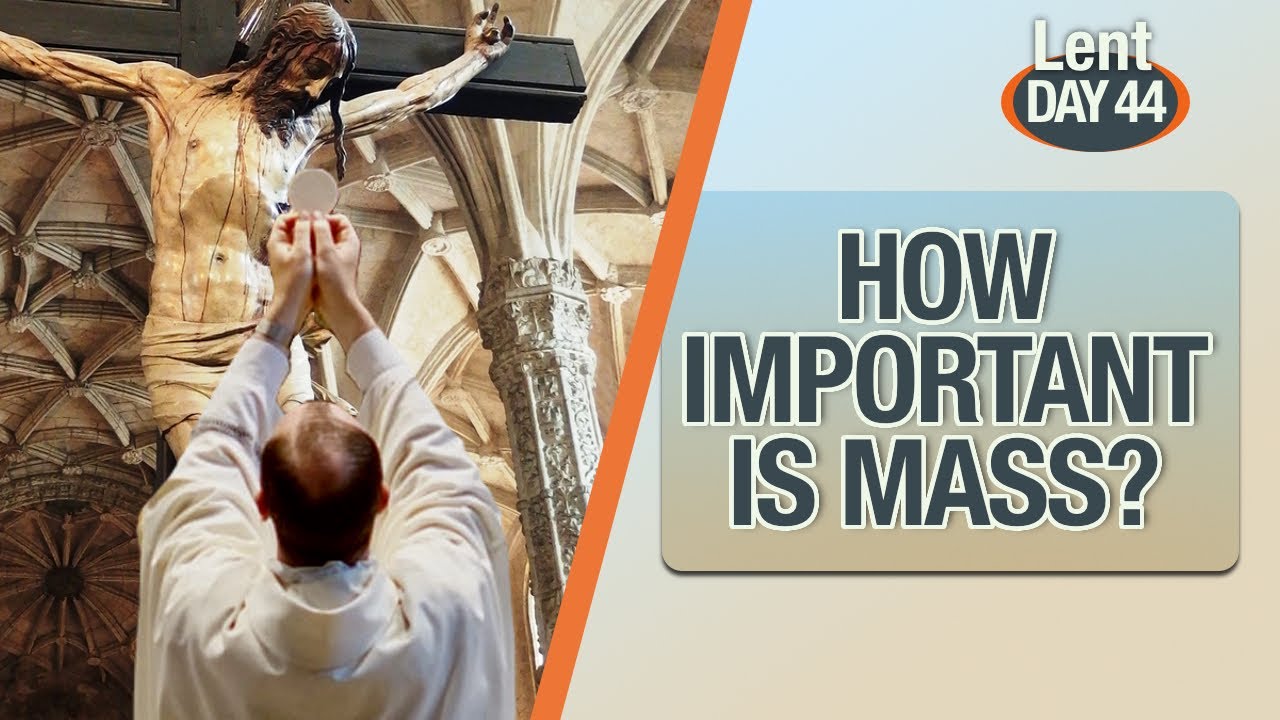
How long is Holy Thursday Mass? The Mass of the Lord’s Supper on Holy Thursday is typically longer than a standard Sunday Mass, generally lasting between 90 and 120 minutes. Its length is extended by unique and profound rituals that commemorate the Last Supper of Jesus Christ with His disciples.
Five key insights that contribute to its duration:
- Mass of the Lord’s Supper: The central liturgy commemorating the institution of the Eucharist.
- Washing of the Feet: A symbolic ritual where the priest washes the feet of parishioners.
- Procession to the Altar of Repose: A solemn procession to transfer the consecrated Eucharist.
- Adoration of the Blessed Sacrament: A period of quiet prayer and adoration that follows the Mass.
- Stripping of the Altar: The church altar is stripped bare in preparation for Good Friday.
Have you ever found yourself preparing for the sacred celebrations of Holy Week and wondered, “How long is Holy Thursday Mass?” It’s a practical and important question. This is not just any Mass; it’s the beginning of the Easter Triduum, a solemn and beautiful liturgy that commemorates the Last Supper of Jesus Christ with His disciples. Knowing what to expect can deepen your participation in this profound spiritual experience.
Understanding how long Holy Thursday Mass is isn’t just about managing your schedule. It’s about preparing your heart, appreciating the depth of the liturgy, and clarifying the purpose behind each sacred moment. For us here at oracioncristiana.org, exploring such timeless traditions strengthens our faith and illuminates our path. You are invited to uncover the 5 key insights that explain the duration and significance of the Holy Thursday Mass.

The Typical Duration: Longer Than a Sunday Mass
To answer the question directly, a good estimate is essential for planning. The Mass of the Lord’s Supper on Holy Thursday is typically longer than a standard Sunday Mass, generally lasting between 90 and 120 minutes, though this can vary based on the parish, the homily, and the music.
Unlike a typical Sunday Mass, which might last about 60 minutes, the Holy Thursday liturgy is extended by several unique and deeply significant rituals that do not occur at any other time of the year. It’s helpful to anticipate a more immersive and contemplative experience. It’s like attending a special anniversary celebration; you expect it to be longer and more ceremonious than a regular weekly dinner.
1. The Liturgy of the Eucharist: Commemorating the First Mass
At its heart, Holy Thursday is the birthday of two foundational pillars of the Catholic faith. A significant portion of the Mass is dedicated to a particularly solemn and beautiful celebration of the Liturgy of the Eucharist, because Holy Thursday commemorates the very moment Jesus instituted both the Eucharist and the priesthood.
During the Last Supper, Jesus took bread and wine and declared them to be His Body and Blood, commanding His apostles, “Do this in memory of me” (Luke 22:19). This was the first Mass.
- Institution of the Eucharist: This is the central mystery where Catholics believe bread and wine become the actual Body and Blood of Christ. The prayers and rituals surrounding the consecration are performed with profound reverence.
- Institution of the Priesthood: By telling His apostles to “do this,” Jesus instituted the priesthood, giving them the authority to celebrate the Eucharist.
The homily and the Eucharistic prayer on this night often focus intensely on these profound mysteries, which can naturally add to the length and depth of the celebration. It’s like celebrating the founding moment of a great tradition, taking extra time to honor its origins and profound meaning.
2. The Washing of the Feet: A Ritual of Humility and Service
One of the most moving and visually distinct rituals of the Holy Thursday Mass is the Mandatum, or the Washing of the Feet. Following the homily, the Mass includes the optional but widely practiced ritual of the Washing of the Feet, where the priest washes the feet of twelve parishioners, a powerful act that significantly adds to the length of the service but beautifully illustrates Christ’s call to humility and service.
This ritual directly re-enacts Jesus’s actions at the Last Supper:
“He poured water into a basin and began to wash his disciples’ feet… ‘Now that I, your Lord and Teacher, have washed your feet, you also should wash one another’s feet. I have set you an example that you should do as I have done for you.'” (John 13:5, 14-15)
This symbolic act is a profound lesson in servant leadership and takes a considerable amount of time to perform with reverence for each of the twelve people. It’s a moment of live-action theology, a powerful, silent sermon on the nature of Christian love. It’s like pausing a formal ceremony for a deeply personal and humble act of service, its impact far outweighing the time it takes. You can read more on the significance of this rite from the USCCB.
3. The Procession to the Altar of Repose: A Solemn Transfer
The Holy Thursday Mass does not end in the usual way. There is no final blessing or dismissal. Instead, the Mass concludes with a solemn procession, where the consecrated Eucharist is transferred from the main altar to a separate, beautifully decorated “Altar of Repose,” a ritual that adds to the Mass’s duration and marks a shift in the liturgical mood.
This is a unique and deeply reverent part of the liturgy:
- The Altar of Repose: This is a temporary altar, often in a side chapel, that has been richly decorated with flowers and candles. It represents the Garden of Gethsemane.
- The Procession: The priest, holding the Blessed Sacrament in a ciborium, leads a procession through the church, often with incense and candles, to the Altar of Repose. The congregation kneels as the Eucharist passes.
- A Time of Waiting: The Eucharist will remain at this altar for adoration until the Good Friday service, symbolizing Jesus’s agony in the garden and the disciples’ call to “watch and pray” with Him.
This procession is a beautiful and meditative transition, moving the focus from the celebratory meal to the somber watchfulness that precedes the Passion. It’s like the final, solemn scene of a play’s first act, leaving the audience in quiet contemplation and anticipation of what is to come.
4. Adoration of the Blessed Sacrament: A Time of Watchful Prayer
The conclusion of the Mass is actually an invitation to stay and pray. Following the procession, the church remains open for a period of quiet, prayerful adoration before the Blessed Sacrament at the Altar of Repose, and while this is not technically part of the Mass’s duration, it is an integral part of the Holy Thursday experience.
This period of adoration is a direct response to Jesus’s question to His disciples in Gethsemane: “Could you not keep watch with me for one hour?” (Matthew 26:40).
- A Time for Prayer: The faithful are encouraged to spend some time in silent prayer and reflection, keeping watch with Jesus before His arrest.
- A Stripped Church: While the faithful pray, the main altar is stripped of its cloths, candles, and decorations, leaving it bare in preparation for the sorrow of Good Friday.
- Varying Lengths: Parishes will often have adoration for several hours, sometimes until midnight, allowing parishioners to come and go.
This period of quiet prayer extends the Holy Thursday experience, making it an evening of deep spiritual immersion. It’s like a quiet, intimate conversation with a friend after a large dinner party, where the deepest connections are often made.
5. The Stripping of the Altar: A Stark Preparation for Good Friday
As the congregation keeps watch, a stark and dramatic ritual takes place. After the conclusion of the Mass and the procession, the main altar is stripped bare of its cloths, candles, and all decorations, a solemn act that symbolizes the abandonment and stripping of Christ during His Passion and prepares the church for the desolation of Good Friday.
This silent, powerful ritual marks a dramatic shift in the mood of the Triduum.
- Symbol of Desolation: The bare altar reflects the desolation of the Church as it enters into the sorrow of Christ’s Passion and death.
- Christ’s Humiliation: It is a symbolic re-enactment of Christ being stripped of His garments before the crucifixion.
- Anticipation of Sorrow: The church is left bare and empty, visually preparing the congregation for the stark and solemn liturgy of Good Friday.
While this often happens after most of the congregation has left, it is an integral part of the Holy Thursday liturgy. It’s like the final, somber notes of a musical piece, its haunting silence setting the tone for the sorrowful movement that is to follow. This ritual is a key reason why the Holy Thursday experience feels so complete and profound, even though the Mass itself has no formal ending.
How Will You Prepare for This Sacred Evening?
The exploration of how long is Holy Thursday Mass reveals that its length is a beautiful reflection of its profound significance. It is an immersive journey that commemorates the institution of the Eucharist and the priesthood, calls us to humble service through the Washing of the Feet, and invites us into watchful prayer as we accompany Christ into His Passion.
May this deeper understanding enrich your participation in the Mass of the Lord’s Supper, transforming it from a question of time into an experience of timeless, divine love. What an incredible way to begin the most sacred days of the year!
Now, your thoughts are welcome. The comments section is open!
→ Which of these 5 key insights into the Holy Thursday Mass resonated most with you or surprised you the most?
→ How does the ritual of the Washing of the Feet challenge or inspire your own understanding of Christian leadership and service?
→ What’s one practical step you can take to prepare your heart for the Holy Thursday Mass this year to make the experience even more meaningful?
Sharing insights can encourage one another in our oracioncristiana.org community, as we enter into the sacred mystery of the Easter Triduum together!
