How is church of england different from catholic: essential guide
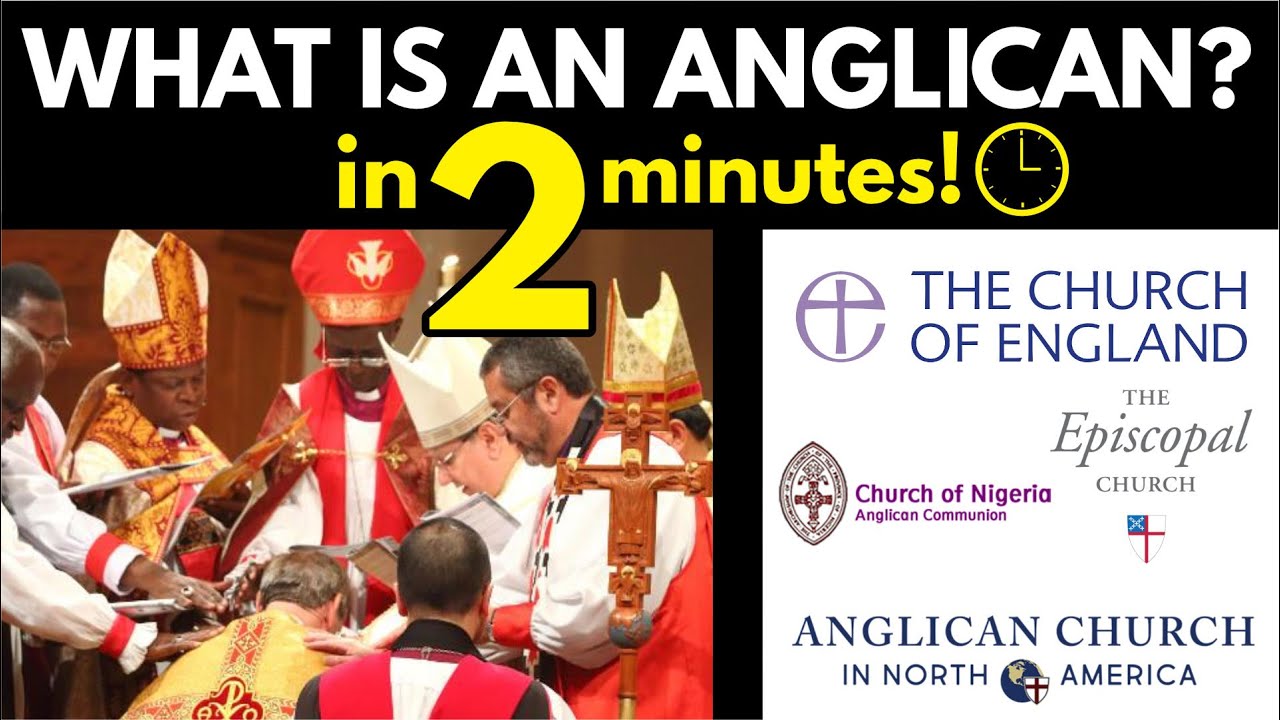
how is church of england different from catholic
If you have ever wondered how is church of england different from catholic, you are not alone. Many people hear terms like Anglican, Church of England and Roman Catholic and assume they are broadly the same. In reality, they share core Christian beliefs but diverge in history, authority, worship, sacraments and everyday church life. Understanding these differences can help you make sense of news stories, family traditions and the varied expressions of Christianity you may encounter in the UK and beyond.
This guide offers a clear, friendly overview that answers how is church of england different from catholic in plain language. We will begin with a quick summary, then explore history, leadership, beliefs, worship and community life, before pointing you to trustworthy resources and answering common questions.
Quick answer: how is church of england different from catholic?
Here is the short version for how is church of england different from catholic: both are historic branches of Christianity that affirm the Bible, the Trinity and Jesus Christ as Lord. However, they differ in authority, certain doctrines, some practices and their relationship with the state in England.
- Authority: The Catholic Church recognises the Pope’s universal authority; the Church of England does not. It is led by bishops and a General Synod, with the Monarch as Supreme Governor.
- Teaching: Catholics follow the magisterium (teaching authority) and the Catechism; Anglicans use Scripture, tradition and reason, framed by the Thirty‑Nine Articles and other liturgical formularies.
- Sacraments: Catholics emphasise seven sacraments; the Church of England highlights two “sacraments of the Gospel” (Baptism and Holy Communion) and treats the others as sacramental rites.
- Worship: Catholics use the Roman Missal; Anglicans use the Book of Common Prayer and Common Worship, with wide variety from very traditional to very informal.
- Clergy: Catholic priests in the Latin Rite are normally celibate and only men are ordained; the Church of England ordains women as deacons, priests and bishops, and clergy may marry.
- Public role: The Church of England is the established church in England, with bishops in the House of Lords; the Catholic Church is not established by the state.
Historical roots and identity
Before the split: a shared medieval story
For centuries, Christians in England were part of the wider Western Church under the Pope. Cathedrals, monasteries and parish churches shaped social life. The Reformation in the 16th century, however, brought political, theological and cultural upheaval that set the scene for how is church of england different from catholic in the modern era.

Reformation and settlement
The break came during the reign of Henry VIII, initially sparked by disputes over royal marriage and papal authority. Under Henry and, later, Elizabeth I, the Church of England became a distinct body. The Elizabethan Settlement (1559) sought a “middle way” (via media) between Protestant reform and Catholic tradition, defined by the Book of Common Prayer and the Thirty‑Nine Articles. This middle way still influences how is church of england different from catholic in tone and practice: Anglicanism tends to embrace breadth and local variety, while Rome strives for global uniformity in doctrine and discipline.
Global families: Anglican Communion and Catholic Church
Today, the Roman Catholic Church is a single worldwide communion under the Pope, while the Anglican Communion is a family of autonomous national and regional churches, with the Church of England as the historic “mother church”. The Archbishop of Canterbury is a focus of unity for Anglicans but does not have the Pope’s jurisdictional authority. This structural difference is central to how is church of england different from catholic governance.
Authority and leadership: how is church of england different from catholic governance
In Catholic life, the Pope has universal jurisdiction and, together with the bishops, exercises the Church’s magisterium. Certain teachings may be declared infallible under specific conditions. In the Church of England, authority is shared among bishops, clergy and laity through the General Synod. The Archbishop of Canterbury holds moral and spiritual influence but cannot dictate doctrine to the whole Anglican Communion.
In England, the Monarch is the Church of England’s Supreme Governor and appoints bishops on the advice of church and government bodies. Some bishops (the “Lords Spiritual”) sit in the House of Lords. There is no equivalent in Catholic polity. This civic embeddedness explains part of how is church of england different from catholic public identity and law.
Scripture, tradition and teaching
Both traditions affirm the authority of the Bible and esteem the early creeds (Apostles’ and Nicene). Catholics place significant weight on sacred tradition and the teaching authority of the Church to interpret Scripture authentically. Anglicans speak of Scripture as the final authority, interpreted within the Church’s tradition and with the use of reason. The Thirty‑Nine Articles provide historic doctrinal boundaries, but interpretive flexibility within Anglicanism varies, from strongly Protestant to strongly Catholic-leaning “Anglo‑Catholic”.
These differing approaches to teaching shape how is church of england different from catholic when questions arise—such as bioethics or marriage—because Anglicans may resolve them synodically (through debate and vote), whereas Catholics look to the magisterium and, ultimately, papal guidance.
Beliefs and sacraments: how is church of england different from catholic practice
The number and nature of sacraments
The Catholic Church recognises seven sacraments: Baptism, Confirmation, Eucharist, Penance (Confession), Anointing of the Sick, Holy Orders and Matrimony. The Church of England consistently highlights two sacraments ordained by Christ in the Gospel—Baptism and the Lord’s Supper—while also honouring the other rites as sacramental. This is a headline way in which how is church of england different from catholic sacramental theology.
The Eucharist (Holy Communion)
Catholics believe that, at Mass, the bread and wine truly become the Body and Blood of Christ (transubstantiation), remaining under the appearance of bread and wine. Anglicans also affirm Christ’s real presence in Holy Communion, but the Church of England does not officially define the “how” in the same terms as Rome. Some Anglicans accept language close to transubstantiation; others prefer spiritual presence. Consequently, while there is overlap in reverence and ceremony (altars, vestments, incense in some churches), teaching precision is part of how is church of england different from catholic Eucharistic doctrine.
Confession and pastoral care
In Catholic life, sacramental confession to a priest is normative. Anglicans also practise confession—“all may, some should, none must”—but it is less central in many parishes. Pastoral counselling and prayer ministries are common in both traditions, yet the obligatory nature and theology of absolution mark another instance of how is church of england different from catholic spirituality.
Worship styles and liturgy
Worship in the Catholic Church follows the Roman Rite (or other approved rites), using the Roman Missal with closely prescribed texts and calendar. The Church of England uses the historic Book of Common Prayer (1662) and modern Common Worship resources. Services can range from very traditional (choral Matins, sung Eucharist) to contemporary (band-led praise, interactive preaching). This breadth explains why two Anglican churches can feel remarkably different.
Despite variety, Anglican worship generally features set prayers, Scripture readings and a sermon, with Holy Communion celebrated weekly or monthly depending on the parish. Catholic parishes typically celebrate Mass daily or several times a week, centred on the Eucharist. The relative flexibility of Anglican liturgy is a practical example of how is church of england different from catholic worship culture.
Clergy, ordination and daily church life
Who may be ordained?
In the Catholic Church, only men are ordained deacons, priests and bishops, with priestly celibacy the norm in the Latin Rite. The Church of England ordains women as deacons, priests and bishops, and clergy may marry. Some Anglican parishes request bishops and priests who do not ordain women (for reasons of conscience), and special arrangements exist to provide oversight. This visible difference is central to how is church of england different from catholic ministry patterns.
Apostolic succession and recognition
Both traditions value historic episcopal succession. However, the Catholic Church has historically judged Anglican orders invalid (Apostolicae curae, 1896), though ecumenical dialogue continues. Some Anglican bishops also trace lines through Old Catholic and Orthodox consecrations, but mutual recognition remains a complex area and an ongoing part of how is church of england different from catholic ecclesiology.
Moral teaching and public questions
On marriage and family, Catholics uphold sacramental marriage as indissoluble; annulment addresses cases where a valid marriage never existed. The Church of England permits remarriage in church in certain circumstances. Catholics teach that artificial contraception is morally wrong, while Anglicans generally permit contraception as a matter of responsible parenthood. Recent debates in the Church of England have also addressed the blessing of same-sex couples (currently allowed in certain forms), while the Catholic Church does not bless unions that contradict its doctrine of marriage. These differences—alongside shared commitments to the dignity of life, care for the poor and justice—illustrate how is church of england different from catholic moral discernment.
Saints, Mary and popular devotion
Both traditions honour the saints and especially Mary, the mother of Jesus. Catholics hold dogmas such as the Immaculate Conception and the Assumption; Anglicans may commemorate Mary generously but do not require assent to those dogmas in the same way. Catholics more commonly practise intercessory prayers to the saints and Marian devotions like the Rosary or the Divine Mercy. Anglicans vary widely: some embrace these devotions, others are cautious. The range here is another example of how is church of england different from catholic in daily piety. For an introduction to a popular Catholic devotion, see this practical guide to the Divine Mercy Chaplet prayer.
Establishment, schools and community presence
In England, the Church of England is the established church, with a legal parish system that historically served every resident. Many Church of England schools and chaplaincies remain part of civic life. The Catholic Church, while very widespread in education and social care, is not established by law and has no formal role in Parliament. This explains why the question of how is church of england different from catholic also touches national ceremonies, state occasions and the coronation oath.
What unites them?
Despite differences, both communities confess the ancient creeds, read the same Scriptures, baptise in the name of the Trinity and celebrate the Lord’s Supper. They are engaged in decades of dialogue seeking greater unity, including the Anglican–Roman Catholic International Commission (ARCIC). In many places, local cooperation in charity, chaplaincy and community work is strong, reminding us that how is church of england different from catholic is only one side of the story—the other is what they share.
Common mistakes when asking how is church of england different from catholic
- Assuming all Anglican churches look or believe the same. In reality, style and emphasis vary widely.
- Thinking Catholics and Anglicans do not recognise each other’s baptisms. They generally do.
- Confusing “English Catholic” with the Church of England. There are many Catholics in England who are not Anglicans.
- Believing the Archbishop of Canterbury is the “Protestant Pope”. He does not have equivalent authority.
Recommended external resources
- Church of England: What we believe – an accessible overview of Anglican faith and life.
- Catechism of the Catholic Church (official English text) – authoritative reference for Catholic doctrine.
- Anglican–Roman Catholic International Commission (ARCIC) – documents and dialogue aimed at reconciliation.
- Encyclopaedia Britannica: Church of England – concise historical survey.
Related articles
Frequently asked questions about how is church of england different from catholic
Is the Church of England Protestant or Catholic?
It is often described as both Catholic and Reformed. The Church of England retains bishops, liturgy and continuity with the ancient Church (Catholic elements) while embracing Reformation principles such as justification by faith and the primacy of Scripture (Protestant elements). This mixed heritage is central to how is church of england different from catholic identity.
Can Anglicans receive Communion in a Catholic church?
Normally, Catholics reserve Holy Communion for Catholics who are properly disposed. There are rare exceptions in cases of grave need and shared belief in the sacrament, but routine intercommunion is not permitted. This reflects differences in Eucharistic theology and ecclesial communion.
Do Catholics recognise Anglican baptisms?
Yes, provided the baptism was done with water and in the name of the Father, Son and Holy Spirit. Mutual recognition of baptism is one of the strongest signs of common Christian faith, even while how is church of england different from catholic remains a live question.
Why does the Church of England have women bishops while the Catholic Church does not?
The Church of England has discerned—through synodical processes—that women can be ordained to all orders of ministry. The Catholic Church teaches that it lacks authority to ordain women as priests, based on its interpretation of Scripture and tradition. These contrasting conclusions show how is church of england different from catholic when resolving doctrinal questions.
Is the Archbishop of Canterbury the Anglican equivalent of the Pope?
No. The Archbishop of Canterbury is a spiritual focus of unity for the Anglican Communion but has no jurisdiction over other provinces. The Pope has universal jurisdiction and a distinctive teaching office in the Catholic Church.
Are Anglican and Catholic churches becoming more similar?
In some places, worship can look very similar, and official dialogues have brought convergence on key doctrines. However, differences in authority, ordination and moral teaching continue. So while cooperation grows, how is church of england different from catholic remains a meaningful question.
Conclusion on how is church of england different from catholic
We have explored how is church of england different from catholic across history, authority, sacraments, worship and everyday practice. Both traditions confess the same Lord and share the Scriptures and early creeds, yet they have developed distinct ways of organising church life, interpreting doctrine and engaging with society.
In brief, the Catholic Church centres on papal authority, seven sacraments and a universal discipline, while the Church of England balances Scripture, tradition and reason through synodical governance, highlights two principal sacraments and accommodates a wide spectrum of worship styles. These contrasts explain how is church of england different from catholic in both belief and feel on a Sunday.
For those navigating family backgrounds, school choices or personal faith, asking how is church of england different from catholic is a useful starting point. The more you learn about each, the easier it becomes to appreciate their shared foundations, understand their disagreements and recognise the good each brings to Christian life and public service.
