How is carlos acutis body preserved: a complete, essential guide
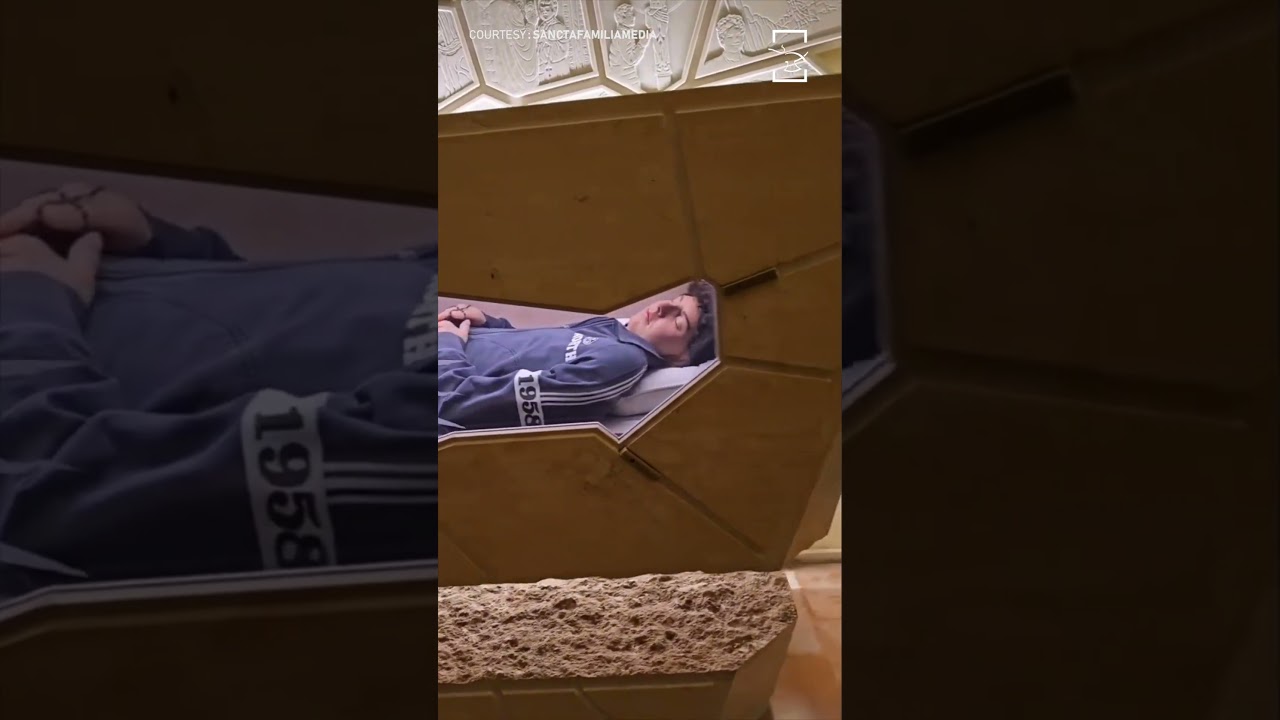
how is carlos acutis body preserved
For many people encountering the youthful figure in trainers lying in a glass tomb in Assisi, the question naturally arises: how is carlos acutis body preserved? Interest has grown as pilgrims and curious visitors hear differing claims online about incorruptibility, embalming and reconstruction. This guide offers a clear, respectful explanation of what visitors see, the Church’s practice around holy remains, and the techniques conservators typically use to display a body with dignity for public veneration.
Understanding how is carlos acutis body preserved matters because it helps separate devotion from misunderstanding. It also shows how the Catholic Church seeks to balance reverence for a blessed person with honesty, scientific prudence and careful stewardship of human remains.
how is carlos acutis body preserved: the short answer
In brief, how is carlos acutis body preserved? Carlo Acutis, a Catholic teenager beatified in 2020, was exhumed in 2019. Church authorities have stated that his remains are not “incorrupt.” What visitors see in Assisi is his body presented in a prayerful setting with restorative work to ensure a peaceful and recognisable appearance. The face you see is covered by a lifelike mask (a common practice in the display of saints and blessed), while the underlying remains are conserved and clothed. The shrine’s controlled environment helps to slow further deterioration.
So, if you are wondering how is carlos acutis body preserved in everyday terms: he is not miraculously unchanged; rather, his remains have been carefully conserved and presented with reconstruction to allow the faithful to pray and reflect on his life and witness.
Background: who Carlo Acutis was and why his body is displayed
Carlo Acutis (1991–2006) was a young Italian Catholic known for his cheerful faith, love of the Eucharist and talent with computers. After his death from leukaemia at 15, his story inspired many. When the Church beatified him—an official recognition of heroic virtue and a step towards sainthood—his body was placed for veneration in Assisi. Asking how is carlos acutis body preserved is a way of asking how the Church honours the memory of a holy person while respecting the reality of death.
The body’s display allows pilgrims to remember that holiness is possible at any age, and to pray for help to live virtuously. In Catholic tradition, the remains of saints and blesseds—often called relics—are treated with profound reverence. This is not about spectacle. It is about a tangible link with a person who lived the Gospel, and it is done under careful guidelines to avoid sensationalism or deception.
Basic concepts: incorruptibility, embalming and reconstruction
Incorruptibility vs preservation
Historically, some saints’ bodies have been found in a state described as “incorrupt,” meaning they showed little decay without artificial preservation. The Church is cautious about interpreting such cases; incorruptibility is not automatic proof of a miracle and is not required for sainthood. In Carlo’s case, Church authorities were explicit that his remains are not incorrupt. Therefore, how is carlos acutis body preserved? Through conservation and presentation techniques rather than a lack of decay.
Embalming and conservation
Embalming slows decomposition by replacing bodily fluids with preservatives. Many modern countries do not routinely embalm for burial, and there is no public evidence that Carlo was embalmed in 2006. After exhumation, conservators may conduct respectful cleaning, stabilise tissues or bones, and place the remains in a microclimate-controlled reliquary. Such methods are about preservation, not alteration of the person’s identity.
Reconstruction and masks
To present a serene, recognisable face when features have changed after death, specialists sometimes create a thin wax or silicone mask. This approach goes back centuries in the display of saints. It neither denies the reality of death nor claims incorruptibility; it simply offers the faithful a dignified focal point for prayer. When asking how is carlos acutis body preserved, the visible mask is an important part of the answer.
The 2019 exhumation and the Assisi shrine
Carlo’s exhumation occurred ahead of his beatification. Reports at the time clarified that the remains had undergone the natural processes of death. Authorities emphasised that restorative work was done so the body could be displayed respectfully in Assisi’s Santuario della Spogliazione. This is central to how is carlos acutis body preserved: conservation measures were combined with a devotional setting to invite prayer without fostering confusion about incorruptibility.
What visitors see
The body lies in a glass tomb, clothed in casual clothes associated with Carlo—jeans and trainers—reminding pilgrims that holiness flourishes in ordinary life. The face is covered by a lifelike mask. The casket and chapel environment control temperature and humidity, factors essential to ongoing preservation. Thus, how is carlos acutis body preserved on a day-to-day basis? Through climate control, protective enclosure and minimal intervention, with the restorative mask providing a calm, human countenance.
how is carlos acutis body preserved in practical terms
Although individual medical and technical records are not public, conservation practice in church contexts is well documented. When you ask how is carlos acutis body preserved in practice, the answer likely includes the following steps, carried out with legal and ecclesial permissions:
- Exhumation under oversight, with documentation and respectful handling of remains.
- Stabilisation of the remains, which may include careful cleaning and measures to inhibit microbial activity.
- Protective clothing and placement on a supportive substrate within the tomb to prevent stress on bones or tissues.
- Creation of a thin mask for the face—and sometimes covers for the hands—crafted to match known features and photographs.
- Installation in a sealed or semi-sealed reliquary with desiccants or controlled humidity to slow further decay.
- Ongoing monitoring of the microclimate and periodic, minimal maintenance by qualified personnel.
Put simply, how is carlos acutis body preserved? By combining standard conservation methods (stability and climate control) with discreet reconstruction (the mask), ensuring a reverent presentation that does not mislead the faithful.
Why the confusion? Myths, media and the language of devotion
People sometimes hear that a holy person’s body “was found intact.” In casual speech, “intact” can simply mean the remains were identifiable and complete; it does not equal incorrupt. Photos on social media may emphasise the mask’s lifelike quality, and captions can mislead. In weighing how is carlos acutis body preserved, it helps to distinguish devotional language from technical terms. The Church’s own communications have aimed to make this distinction clear for Carlo.
Another source of confusion is the long history of incorrupt saints, which can lead people to assume incorruptibility is typical. In reality, many blesseds and saints have remains that were conserved, partially reconstructed or even reduced to bones. How is carlos acutis body preserved belongs to this ordinary, careful practice of conservation rather than to the rarer, extraordinary cases of preservation without decay.
Ethics and reverence: why display a body at all?
Catholic teaching holds that the human body is part of the person and destined for resurrection, so remains must be handled with dignity. Displaying the body of a blessed person allows the faithful to honour God’s work in that life. Transparency matters: when authorities state clearly that a body is not incorrupt, they are respecting both the truth and the viewers. In this light, how is carlos acutis body preserved becomes a pastoral as well as a technical question—one about honesty, reverence and the needs of pilgrims.
Catholic canon law and local regulations govern how relics are treated, moved and displayed. Conservators follow professional standards to safeguard remains, just as museums protect fragile artefacts. Ethical practice ensures that how is carlos acutis body preserved never becomes a spectacle but remains a focus for prayer and inspiration.
Visiting the tomb: what to expect and how to pray
Many visitors arrive with practical questions alongside spiritual hopes. If you are planning a visit and still wondering how is carlos acutis body preserved, it may help to know what you will see: a quiet, modern chapel; a glass tomb; a lifelike facial mask; and a space designed for silence and reflection. You can pray in any way that is meaningful for you. Some people spend time in Eucharistic adoration elsewhere in Assisi; others pray a simple decade of the Rosary or the Divine Mercy Chaplet prayer in gratitude for God’s mercy shown in Carlo’s life.
If you are new to Catholic tradition and are comparing East and West, the handling of relics and remains may remind you of practices you have seen in other Christian communities. For broader background on similarities and differences, you might find this overview of Orthodox vs Catholic traditions a helpful primer before your visit.
Practical etiquette
- Dress modestly and keep a respectful silence.
- Avoid flash photography, which can be disruptive and, in some cases, harmful to conservation.
- Refrain from touching the glass or placing objects on the tomb unless signage invites it.
- Allow time for others to pray; return later if the chapel is crowded.
A gentle awareness of the space helps everyone present to find peace and focus. Remember, the point of asking how is carlos acutis body preserved is not to solve a puzzle but to understand how reverence and clarity go hand in hand.
Common misunderstandings to avoid
“If it looks lifelike, it must be incorrupt”
Not necessarily. Skilled masks and good lighting can create a lifelike appearance. How is carlos acutis body preserved does include a lifelike mask, but officials have explained that this does not indicate incorruptibility.
“Conservation is deceptive”
Conservation is about respect, not deception. The Church and conservators are clear when restorative elements are used. When we ask how is carlos acutis body preserved, we are acknowledging that care is taken to present his remains with dignity and honesty.
“Preservation means chemicals were used”
Not always. Conservation can be as simple as a stable microclimate, gentle cleaning and proper support. The precise methods are not public, but the general approach is to minimise intervention while protecting the remains for the long term.
Historical context: how other saints have been displayed
For centuries, churches have used wax or silicone masks and gloves to present saints’ relics, particularly when features needed protection or when only bones remained. Famous examples include saints resting in ornate reliquaries with visible hands and faces fashioned to reflect their appearance in life. Situating how is carlos acutis body preserved within this history helps explain why masks are neither shocking nor unique; they are a longstanding, transparent tradition.
Equally, the use of sealed glass shrines with controlled humidity is commonplace today. This cautious approach acknowledges that we live in a scientific age where preservation is better understood, and where pilgrims deserve clarity about what they are seeing.
Recommended external resources
- Report clarifying that Carlo Acutis’ body is not incorrupt (Catholic News Agency)
- Vatican News coverage of Carlo Acutis’ beatification and veneration
- Background biography and timeline for Carlo Acutis (Wikipedia)
Frequently asked questions about how is carlos acutis body preserved
Is Carlo Acutis’ body incorrupt?
No. Church authorities have stated that his remains are not incorrupt. How is carlos acutis body preserved is best described as conservation with respectful reconstruction, including a lifelike facial mask.
What exactly am I seeing in the glass tomb?
You are seeing Carlo’s conserved remains, clothed and presented for veneration, with a mask covering the face. The reliquary has a controlled environment to slow deterioration.
Was he embalmed?
There is no public confirmation that embalming took place at the time of burial in 2006. The key point in how is carlos acutis body preserved is not classic embalming but the conservation and presentation applied after exhumation, combined with microclimate control.
Why use a mask? Isn’t that misleading?
Masks are a longstanding, accepted practice for presenting the remains of saints and blesseds. They protect delicate features and provide a peaceful, recognisable appearance. Used transparently, they are not misleading but pastoral.
Can preservation techniques be considered miraculous?
No. Techniques such as climate control, stabilisation and masks are human means. Miracles, when recognised by the Church, concern events not explainable by natural or technical methods. In Carlo’s case, how is carlos acutis body preserved involves ordinary conservation.
Does veneration of a body conflict with Christian belief?
In Catholic understanding, it does not. The body shares in the dignity of the person and is destined for resurrection. Veneration honours what God has done in a person’s life. The display is governed by rules to ensure reverence and clarity.
Conclusion on how is carlos acutis body preserved
So, how is carlos acutis body preserved? With thoughtful, transparent conservation. His remains are not incorrupt, and the Church has been clear on this point. What visitors encounter is a carefully controlled setting, a peaceful presentation with a lifelike facial mask, and an invitation to pray—not a claim of miraculous preservation.
Understanding how is carlos acutis body preserved can enrich a visit to his tomb or a conversation about relics. It places devotion and curiosity on a firm footing: respect for the human body, honesty about the limits of nature and technique, and gratitude for a life that continues to inspire. Carlo’s youthful witness points beyond the technicalities of preservation to the deeper call he lived so well—friendship with God in ordinary life.
If you keep this perspective in mind, the question of how is carlos acutis body preserved becomes less about appearances and more about meaning. In that light, conservation serves its true purpose: to support prayer, encourage virtue and safeguard a tangible memory of grace for generations to come.
