How is carlo acutis preserved: 3 key facts and essential guide
how is carlo acutis preserved
Many people, whether religious or simply curious, find themselves asking: how is carlo acutis preserved? The question blends faith, history and modern science, because preserving the body of a beatified teenager for public veneration involves both spiritual considerations and practical care. In this article, we explain in clear, factual terms how is carlo acutis preserved, what the Church means by veneration of relics, what techniques are typically used to prepare and protect remains for display, and why accuracy matters when talking about “incorruptibility”.
Below you will find a careful overview of who Carlo Acutis was, the difference between religious language and conservation methods, and a step-by-step look at what preservation usually involves. We will also address common myths, provide helpful external resources, and offer guidance for respectful visiting. By the end, you should be confident about the facts behind the question of how is carlo acutis preserved and understand the broader context that surrounds it.
how is carlo acutis preserved: the background you need
To understand how is carlo acutis preserved, it helps to know who he was and why the Church chose to make his remains accessible for veneration. Carlo Acutis was an Italian teenager, born in 1991, known for his deep Catholic faith, his love of the Eucharist, and his skill with computers. He died in 2006 from an aggressive form of leukaemia. His example of ordinary holiness in modern life resonated with many, and the Catholic Church beatified him in 2020, recognising his heroic virtue and the attribution of a miracle through his intercession.
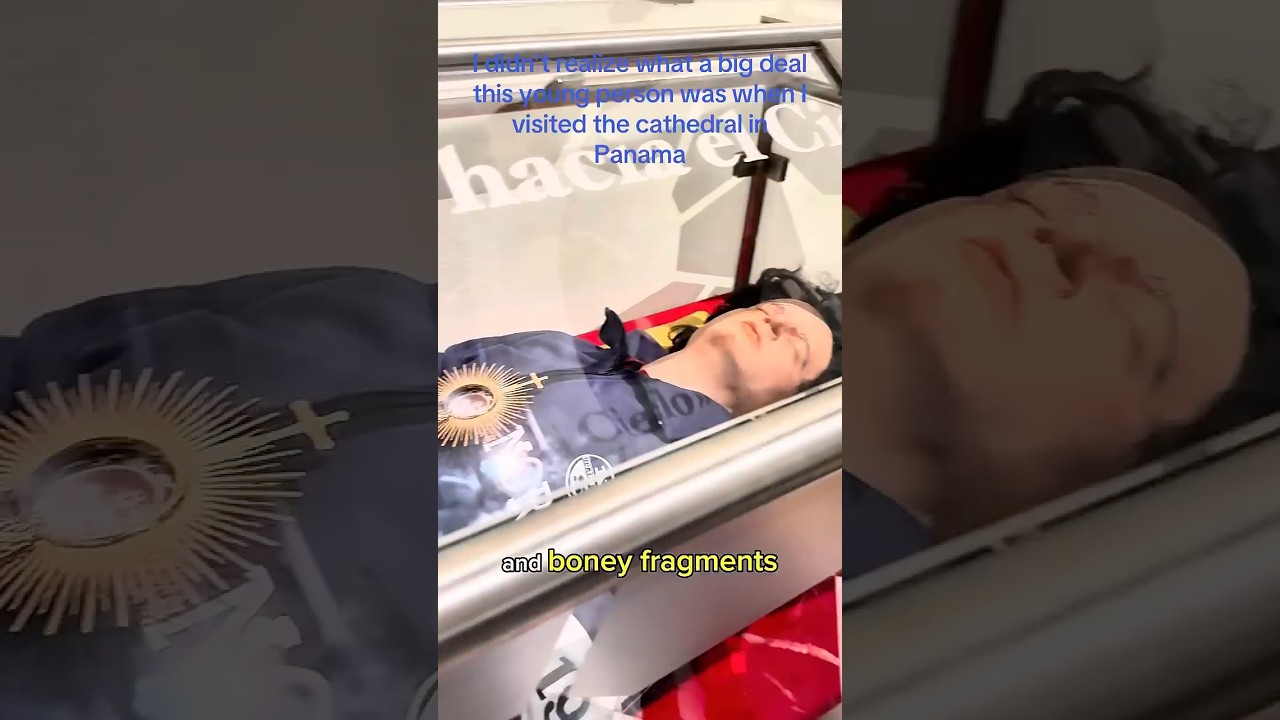
Following his beatification, his remains were placed in a glass tomb in Assisi so the faithful and the public could pay their respects. When people ask how is carlo acutis preserved, they are often referring to the way his body appears: dressed in his usual clothes, with a lifelike face, and resting peacefully. It is important to note that his sanctity does not depend on the condition of his body, and the presentation reflects pastoral and devotional choices alongside standard conservation practices.


Incorruptibility versus modern preservation
What the Church means by “incorrupt”
The word “incorrupt” has a specific meaning in Catholic tradition. Historically, some saints’ bodies were found to be very well preserved with little or no decay, even without known conservation methods. Such cases are viewed with reverence but are not in themselves proof of holiness, nor are they required for canonisation. When people ask how is carlo acutis preserved, they sometimes assume incorruptibility is involved. In Carlo’s case, diocesan statements have explained that his body underwent preparation for recognition and veneration; the presentation you see today is not claimed by the Church to be an inexplicable absence of decay, but the result of conservation and re-composition for display.
Contemporary conservation and display
Modern preservation of human remains, whether for forensic, educational, or devotional reasons, typically involves a combination of steps: careful exhumation; cleaning and stabilisation of remains; cosmetic restoration where appropriate; dressing the body; and placement in a climate-controlled setting to minimise further deterioration. For public display, specialists commonly use a wax or silicone mask to respectfully present facial features that may no longer be intact. When discussing how is carlo acutis preserved, the lifelike appearance of his face is best understood in this context: it reflects a commonly accepted method of presentation used in museums and religious settings alike.
The timeline that informs how is carlo acutis preserved
Answering how is carlo acutis preserved also involves understanding the timeline of events. Carlo died in 2006 and was originally buried according to normal practice. As his cause for beatification advanced, the Church carried out exhumation and identification in line with canonical norms. Such processes seek to verify the remains, ensure dignified handling, and prepare for possible veneration by the faithful. After the appropriate examinations and conservation work, his remains were translated to Assisi, where they were placed for public veneration, especially around the time of his beatification in 2020.
This sequence—exhumation, recognition of remains, conservation, and translation to a reliquary or tomb—mirrors the wider Catholic approach seen with other figures. It also clarifies how is carlo acutis preserved: the process was supervised by Church authorities, undertaken by trained specialists, and carried out with the intention of respect, accuracy and pastoral care for those who wish to pray near his tomb.
So, how is carlo acutis preserved in practice?
Re-composition and presentation
The most visible element when people ask how is carlo acutis preserved is the presentation in the glass tomb. His body is dressed in clothes he wore in life, a choice that invites people to remember him as a modern young person. A silicone or wax facial mask—an established technique—allows a dignified, peaceful likeness. The remains themselves were re-composed after exhumation, which means they were arranged and stabilised to ensure respectful positioning. These steps do not claim a miraculous condition; they are intended to honour his memory and enable prayer without sensationalism.
Climate control and long-term care
Climate and environmental control are crucial to how is carlo acutis preserved over time. The glass case and the surrounding environment are designed to limit humidity, dust, and fluctuations in temperature—factors that can accelerate deterioration. Light exposure is controlled to prevent fading or damage, and the tomb is sealed for protection. These are standard conservation practices also used in museums and archives for textiles, paper, and delicate materials. Regular checks by custodians and conservators ensure that any changes are detected early and managed carefully.
Respectful security and access
Part of how is carlo acutis preserved is practical: balancing access for visitors with the need to protect the tomb. Pilgrims and tourists come to pray or learn, so the site employs quiet security, guidance on behaviour, and sometimes limitations on photography. The goal is to create a prayerful space while maintaining the conditions needed for long-term conservation.
What to expect if you visit
Assisi is a place of pilgrimage for many, and Carlo Acutis’s tomb is located in a church setting where silence and respect are encouraged. If you are wondering how is carlo acutis preserved as you stand before the glass tomb, you will likely notice the calm environment, gentle lighting, and the absence of direct contact with the case. Ushers or signage may explain local guidelines. While times and policies vary, it is wise to check official parish or diocesan sources for the most up-to-date information on opening hours and liturgies.
Pilgrims sometimes bring intentions to pray for, or they attend Mass nearby. If you are new to Catholic devotion and want to understand how prayer around relics works, you might find it helpful to read accessible introductions to Catholic practice, such as this clear guide on how to pray the Divine Mercy Chaplet. Understanding the purpose of prayer and veneration can enrich a visit and ground the question of how is carlo acutis preserved in a wider spiritual frame.
Why language matters when we ask how is carlo acutis preserved
The words we use shape expectations. When people hear “incorrupt”, they may imagine no conservation was required. Church statements about Carlo are careful: his remains were prepared and presented for veneration; his holiness is not measured by the physical state of his body. Recognising this distinction helps keep the focus on his life and message—love for the Eucharist, service to others, and the sanctity of daily life—while still being honest about how is carlo acutis preserved for the faithful to see.
In the same way, it is important to avoid exaggeration. Some saints’ remains show extraordinary preservation; others require careful conservation; all are treated with dignity. A balanced approach respects both faith and facts.
How this compares with other preserved figures
It may help to compare how is carlo acutis preserved with other cases. St Bernadette of Lourdes, for instance, is displayed with a wax mask to present a natural appearance. Popes such as St John XXIII were embalmed and placed in climate-controlled settings in Rome. Outside religious contexts, historical figures like Lenin have undergone extensive scientific maintenance for decades. The techniques vary, but the goals—dignity, stability, accessibility—are similar. Carlo’s case sits within this broader practice: re-composition, lifelike presentation, and controlled environment.
Basic concepts to keep in mind
- Verification: Canonical processes identify and authenticate remains before public veneration.
- Re-composition: Stabilising and respectfully arranging remains for display.
- Presentation: Dressing and a facial mask help convey a dignified likeness.
- Environment: Sealed cases, humidity control, and reduced light protect over time.
- Pastoral purpose: The aim is to foster prayer and reflection, not spectacle.
Key points that answer how is carlo acutis preserved
- His remains were exhumed and prepared according to Catholic norms and conservation practice.
- A silicone or wax mask offers a peaceful, respectful likeness of his face.
- The tomb uses climate control and restricted access to preserve the remains.
- Church statements emphasise that his sanctity does not depend on physical incorruptibility.
Practical recommendations for visitors and readers
- Rely on official Church or diocesan sources for updates about the tomb and liturgies.
- Be cautious with social media claims about miracles; check whether the Church has issued clarifications.
- When discussing how is carlo acutis preserved, use accurate language: prepared and re-composed, with a lifelike mask and conservation measures.
- Keep the focus on Carlo’s example of faith and charity alongside the factual aspects of preservation.
Common myths about how is carlo acutis preserved
- Myth: His body is entirely untouched by decay. Reality: The Church has explained that what is seen is a prepared and re-composed presentation.
- Myth: A lifelike face always means a miracle. Reality: Facial masks are standard in dignified presentation of remains.
- Myth: Preservation equals greater holiness. Reality: The Church judges sanctity by a person’s life and virtue, not the condition of their remains.
- Myth: Conservation is secretive or deceptive. Reality: Conservation is routine, respectful, and commonly described by Church authorities.
Historical and theological context
From the early centuries, Christians have honoured the memory of the holy through relics—objects or remains associated with martyrs and saints. This was never about magic; rather, it was about remembering God’s work in a person and asking for their prayers. When exploring how is carlo acutis preserved, this historical context is key: the Church’s practice aims to connect the faithful with witnesses to the faith in a tangible, reverent way. It also insists on integrity: if conservation is used, that should be stated clearly and without embarrassment.
To explore the wider Christian landscape and understand how different churches approach similar questions, you may find this comparison of differences between Orthodox and Catholic traditions a useful primer. Practices vary, but respect for the dead, prayer, and truthful description are shared values.
Recommended external resources
- Accessible biography of Carlo Acutis (Wikipedia) for an overview of his life, death, and beatification.
- Official Vatican text from the beatification celebrations to read the Church’s spiritual perspective.
- Vatican News profile and coverage of his beatification for reliable reporting and context.
- BBC report on the beatification of Carlo Acutis for a mainstream news summary and background.
Related articles
Frequently asked questions about how is carlo acutis preserved
Is Carlo Acutis’s body incorrupt?
Church statements surrounding his exhumation and display have emphasised that the presentation is the result of conservation and re-composition. In other words, when people ask how is carlo acutis preserved, the accurate answer is that specialists prepared his remains for veneration, and the Church does not claim a miraculous absence of decay.
What specific techniques were used?
While detailed technical reports are usually kept private out of respect, standard practice includes careful exhumation, cleaning and stabilisation of remains, dressing, and the use of a silicone or wax mask to present facial features. Climate control in the tomb is an essential part of how is carlo acutis preserved over time.
Why does his face look so lifelike?
The lifelike appearance is due to a respectful facial mask, a long-established method in the conservation and presentation of remains. This allows visitors to focus on his person and life rather than on the changes that naturally occur after death. It is a core element in the honest answer to how is carlo acutis preserved.
Where can I see his tomb, and how should I behave?
His tomb is in Assisi, in a church setting where silence, modest dress, and reverence are encouraged. Photography policies may vary. If you are pondering how is carlo acutis preserved while visiting, remember that the space is intended for prayer and quiet reflection.
Does the Church require or prioritise physical preservation for sainthood?
No. The Church examines a person’s life, virtue and miracles attributed to their intercession; the physical state of remains is not decisive. How is carlo acutis preserved is therefore a pastoral and practical question, not a criterion for holiness.
Will the preservation methods change in future?
Conservation is an ongoing process. The custodians may adjust environmental conditions or undertake minor maintenance to ensure the long-term stability of the remains and the presentation. This continued care is part of how is carlo acutis preserved responsibly.
Conclusion on how is carlo acutis preserved
The question of how is carlo acutis preserved can be answered clearly and respectfully: his remains were exhumed and identified according to Church norms, then re-composed and presented with a lifelike facial mask in a climate-controlled tomb in Assisi. The purpose is pastoral and devotional—allowing people to pray and reflect—while the techniques used reflect standard conservation practice.
It matters to be precise. When we speak about how is carlo acutis preserved, we should avoid sensational claims and remember that the Church itself does not base his sanctity on the physical state of his body. Instead, the focus is on his example: a teenager who combined faith, charity and modern life with integrity.
If you plan to visit, approach the tomb with quiet respect, remembering that careful environmental controls and thoughtful presentation are part of how is carlo acutis preserved for future generations. Above all, let his life inspire you, whether you come from a place of faith, curiosity, or both.
