How does one become a cardinal: essential guide in 5 key steps
how does one become a cardinal
For many people curious about Catholic leadership, the question how does one become a cardinal comes up quickly. Cardinals are the Pope’s senior advisers and, crucially, the men who elect a new Pope when the papal throne is vacant. Understanding how the Church identifies, prepares, and appoints these senior clerics offers a clear window into how global Catholic governance works today.
This guide explains what a cardinal is, who is eligible, the typical path to the “red hat”, what cardinals actually do, and the common misunderstandings that surround the role. Along the way, we will answer the practical question of how does one become a cardinal in today’s Catholic Church, separating tradition from myth in a friendly and straightforward way.
What a cardinal is and why it matters
A cardinal is a senior member of the clergy who serves as a principal adviser to the Pope and, if under the age of 80, as an elector in a papal conclave. The group of all cardinals worldwide is called the College of Cardinals. They meet in a formal assembly known as a consistory when new cardinals are created or important matters are presented. The College plays a special role during a papal vacancy, ensuring continuity of governance and electing the next Bishop of Rome.
Because cardinals help shape the Church’s direction, many ask: how does one become a cardinal, and what qualities does the Pope look for? In essence, the Pope seeks men of proven faith, prudence, learning, and service—leaders whose pastoral, theological, administrative, or missionary experience can strengthen the Church globally.


Eligibility: how does one become a cardinal in today’s Catholic Church
Canon law sets out who may be created a cardinal. The relevant norms state that those made cardinals are chosen by the Pope and must be at least priests. In modern practice, they are usually bishops at the time of appointment; if not, they are ordinarily ordained as bishops before the creation (though the Pope can dispense from this if he judges it appropriate, for instance due to age or a particular role). The canonical framework is outlined in the Code of Canon Law, canons 349–359, which describe the College of Cardinals, their duties, and basic requirements. You can read the official text here: Code of Canon Law, Canons 349–359 (Holy See).
So, in concrete terms, how does one become a cardinal? The essential points are:
- One must be a baptised Catholic man who is at least a priest (in practice, almost always a bishop today).
- One is personally chosen by the Pope; there is no application process.
- The appointment is announced publicly, usually ahead of a consistory at which the Pope formally creates new cardinals.
- Eligibility to vote in a conclave requires being under 80 years of age on the day the papacy becomes vacant.
There is no national quota or fixed career ladder. While large dioceses often have a cardinal as their bishop, it is not guaranteed. The Pope may also elevate priests or bishops serving in the Roman Curia (the Church’s central administrative departments) or leaders from more remote regions to reflect the Church’s universality.
From parish priest to the red hat: step-by-step overview
Most future cardinals follow a path of long service: seminary formation, ordination as a priest, years of ministry, and then episcopal leadership. Here is a typical progression:
- Priestly formation and ordination: Candidates study philosophy and theology, often earning advanced degrees. After ordination, they serve in parishes, chaplaincies, or diocesan roles. Many teach, work in seminaries, or take on specialised ministries.
- Demonstrated leadership: Promising priests are entrusted with broader responsibilities—becoming vicars general, rectors, or heads of diocesan offices. Their reputation for pastoral care, sound judgement, and integrity grows.
- Episcopal appointment: The Pope appoints them as bishops (or occasionally archbishops). They lead a diocese or archdiocese, or serve as an auxiliary bishop. Some are assigned to the Roman Curia.
- Distinguished service: Over time, a bishop’s proven leadership, doctrinal fidelity, and contributions to the wider Church become evident. International experience, evangelising work, and service to the poor can also be influential.
- Selection by the Pope: The Pope’s choice is personal and pastoral. When people ask how does one become a cardinal, it is crucial to remember that the decision rests solely with the Pope, informed by consultation and the needs of the Church.
- Announcement and consistory: The Pope announces a list of those to be created cardinals and sets a date for a consistory—an official ceremony at which the “red hat” (biretta) and ring are conferred, along with a titular church in Rome.
Pathways: how does one become a cardinal through pastoral leadership
Most cardinals are metropolitan archbishops of major sees or senior officials in the Curia, but there is variety. Sometimes bishops from smaller or missionary dioceses are elevated to highlight evangelisation, interfaith outreach, or the Church’s presence on the margins. In other cases, eminent theologians or long-serving curial officials receive the honour late in life. In every scenario, how does one become a cardinal hinges on trusted service and the Pope’s pastoral priorities, not a checklist one can complete.
The roles and responsibilities after creation
Once created, cardinals serve the universal Church in several ways:
- Advisers to the Pope: Cardinals may be consulted individually or as a group on doctrinal, disciplinary, and pastoral questions.
- Membership of dicasteries: Many cardinals are appointed to lead or sit on the boards of Vatican departments (dicasteries) that oversee areas like evangelisation, doctrine, clergy, liturgy, and charity.
- Conclave electors: Cardinals under 80 vote in a conclave to elect a new Pope. The College of Cardinals thereby ensures apostolic continuity.
- Pastoral leadership: Cardinals who are diocesan bishops continue to shepherd their local churches, balancing local responsibilities with global service.
When discussing how does one become a cardinal, it is helpful to remember that the goal is service, not status. The office brings heavier responsibilities—global travel, complex decisions, and the duty to support the Pope in safeguarding faith and guiding the Church.
Types of cardinals and titles explained
Historically, the College of Cardinals is divided into three orders, reflecting ancient roles in the Church of Rome:
- Cardinal bishops: Traditionally associated with suburbicarian dioceses around Rome. Today, this order also includes certain senior prelates, such as the Dean and the Subdean of the College.
- Cardinal priests: Typically diocesan bishops from around the world given a titular church in Rome to symbolise their bond with the Pope.
- Cardinal deacons: Often curial officials; after ten years they may opt to become cardinal priests.
Each new cardinal receives a Roman church as a titulus (for priests) or a deaconry (for deacons), signifying incorporation into the clergy of Rome under the Bishop of Rome. The red colour of the biretta and zucchetto symbolises the willingness to defend the faith even to the shedding of blood.
Ceremony and symbols: consistory, ring and title
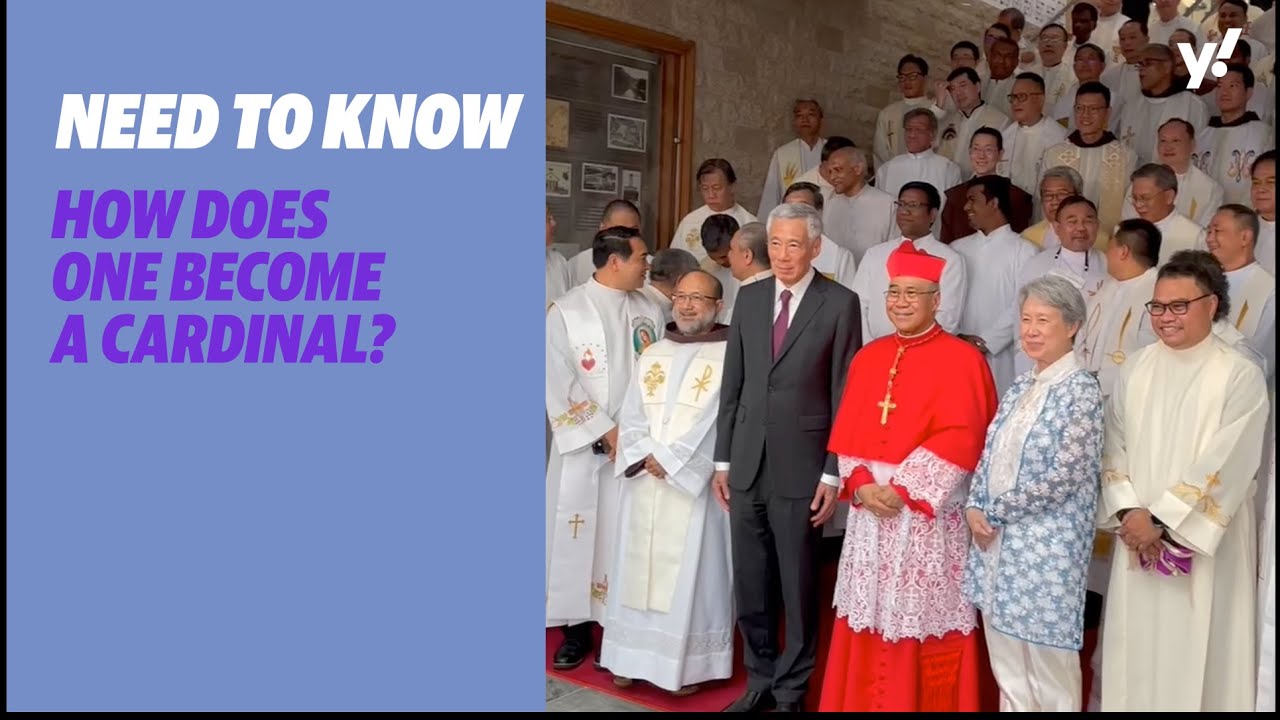
At the consistory, the Pope places the biretta on each new cardinal’s head and gives him a ring, a visible sign of fidelity and unity with the Church. The Pope also assigns each new member a titular church (or deaconry) in Rome, and the cardinal’s name is entered on the official roll of the College. The public nature of the ceremony underscores that how does one become a cardinal is not a private promotion but a solemn commitment to serve the whole Church.
Occasionally, for reasons of prudence or security, a Pope may create a cardinal in pectore (literally, “in the heart”), keeping the name secret to protect the person or the local Church. When the Pope later reveals the name, the cardinal’s rights and duties date back to the original creation unless otherwise stated.
Geography, numbers and recent trends
In recent decades, Popes have emphasised the Church’s global character by appointing cardinals from countries and regions that previously had none. This answers a practical question often embedded in how does one become a cardinal: must one be from a traditional Catholic stronghold? No. The Pope frequently recognises growth areas, missionary contexts, and voices from the peripheries.
While earlier norms suggested an ideal maximum of 120 cardinals eligible to vote in a conclave (those under 80), recent consistories have sometimes exceeded that figure. This reflects pastoral judgement rather than rigid numerical limits. In the end, how does one become a cardinal remains a discernment by the Pope about who can best assist him in governing and evangelising in the present moment.
Common myths and mistakes about how does one become a cardinal
- Myth 1: There is an application or exam. In reality, one cannot apply; the Pope chooses. So when people ask how does one become a cardinal, the answer is not about submitting forms but about faithful service observed over many years.
- Myth 2: Only Italians, or only heads of huge dioceses, can be cardinals. Not so. The College is increasingly international, and the Pope often elevates bishops from smaller dioceses or leaders in specialised roles.
- Myth 3: It is a reward for personal holiness alone. Holiness matters deeply, but so do leadership ability, doctrinal soundness, prudence, and the capacity to help the Pope in complex tasks. How does one become a cardinal involves a combination of spiritual and practical qualities.
- Myth 4: Cardinals are higher than bishops by sacramental rank. Sacramentally, a cardinal is not “above” a bishop; cardinal is an office, not a further sacrament. Many cardinals are bishops, but the “cardinalate” is a role of service and governance.
How the Pope chooses: consultations and criteria
Popes draw on a wide range of advice when deciding whom to elevate. Nuncios (papal ambassadors) report on local churches; bishops’ conferences and trusted advisers provide perspectives; and the Pope himself often knows candidates personally. The criteria are not published as a checklist, but emphasise fidelity to the Church, pastoral zeal, theological competence, and the ability to collaborate. Put simply, how does one become a cardinal comes down to being the kind of servant-leader the Pope needs for the mission at hand.
If you want an accessible overview of cardinals—their history, attire, and functions—this article is helpful: Wikipedia: Cardinal (Catholic Church). For the Vatican’s own documentation on members of the College and consistories, see: Holy See Press Office documentation on cardinals and consistories.
Historical notes: evolution of the cardinalate
Originally, the clergy of Rome—priests of the city’s parishes and deacons overseeing charitable works—assisted the Bishop of Rome. Over centuries, these clerics evolved into the College of Cardinals, assuming the distinctive role of electing the Pope and advising him. In medieval times, some cardinals were laymen later ordained, but modern canon law requires at least priestly ordination, and ordinarily episcopal consecration, unless the Pope dispenses.
For a historical deep dive, the Catholic Encyclopedia entry offers context on how the office developed and what its privileges and duties have been through the ages: Catholic Encyclopedia: Cardinal. This background helps explain why how does one become a cardinal today looks different from practices several centuries ago.
Practical examples and patterns
Consider these representative routes:
- A metropolitan archbishop in a major city: A bishop who has led an archdiocese with wisdom, fostered vocations, promoted social outreach, and shown theological clarity may be raised to the cardinalate to strengthen his bond with the Pope and give his local church a voice at the centre.
- A curial official: A seasoned Vatican prefect who has served in doctrinal, liturgical, or diplomatic roles might be created a cardinal to reflect the importance of his office in supporting the universal Church.
- A missionary leader: A bishop from a region of rapid growth or significant hardship may be elevated, highlighting evangelisation and the Church’s solidarity with communities at the peripheries.
In each scenario, how does one become a cardinal depends not on ambition, but on recognised service and the Pope’s desire to bring particular gifts and perspectives into his circle of advisers.
Etiquette, dress and public expectations
Cardinals wear red vesture on formal occasions—the colour signifying readiness to witness to the faith even to martyrdom. Publicly, they are addressed as “Your Eminence”. They often receive considerable media attention, especially during papal transitions. However, the heart of the role remains pastoral and advisory, and the best answer to how does one become a cardinal is still: by serving Christ and the Church faithfully where one is, over many years.
