How do you say christmas eve in spanish: essential, practical guide
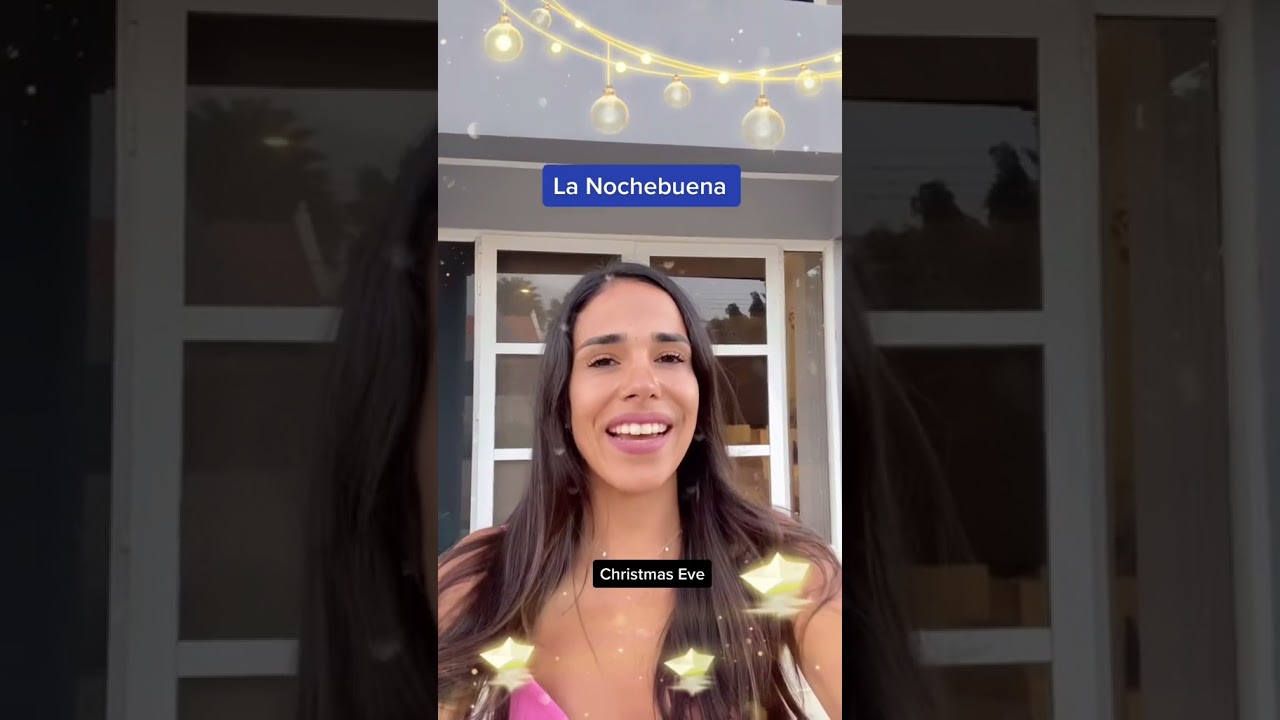
how do you say christmas eve in spanish
If you are wondering how do you say christmas eve in spanish, you are not alone. Whether you are travelling to Spain or Latin America, chatting with Spanish-speaking friends, or simply curious about festive vocabulary, it is helpful to know the right term and how to use it naturally. In this guide, you will learn the standard Spanish word, alternative expressions, pronunciation, cultural context, common mistakes to avoid, and plenty of examples to help you speak with confidence at this special time of year.
In short, when someone asks, “how do you say christmas eve in spanish?”, the everyday answer is Nochebuena. But as with many holiday terms, there is a bit more to it than just a one-word translation. We will explore nuances such as when to choose a more literal phrase, how to pronounce and capitalise the word, and what traditions are associated with the celebration across the Spanish-speaking world.
By the end of this article, you will feel comfortable using Nochebuena in greetings, conversations, and writing—and you will understand the culture that surrounds this key date in the festive calendar.
How do you say christmas eve in spanish? The short answer
The most natural and widely used way to say “Christmas Eve” in Spanish is Nochebuena. You will hear Nochebuena in Spain, Mexico, the Caribbean, and much of Central and South America. It is a staple of December conversations: people talk about la cena de Nochebuena (the Christmas Eve dinner), la Misa del Gallo (Midnight Mass), and plans para Nochebuena (plans for Christmas Eve). If you have ever asked yourself how do you say christmas eve in spanish, this one word—Nochebuena—is your primary answer.
There is also a literal phrase, Víspera de Navidad, which translates to “the eve of Christmas”. It is perfectly correct, tends to be more formal or written, and is useful in contexts like announcements or invitations. Still, Nochebuena is the everyday, idiomatic choice for most conversations.
How do you say christmas eve in spanish: pronunciation and spelling
Nochebuena is pronounced approximately “noh-cheh-BWEH-nah”. In the International Phonetic Alphabet (IPA), you will commonly see it as [ˌnot͡ʃeˈβwena]. Key points:
- “ch” sounds like the English “ch” in “church”.
- The “ue” in “bue” creates a “bwe” sound.
- Stress falls on “bue”: no-che-BUE-na.
Spelling is straightforward: Nochebuena is traditionally written as one word and often capitalised when referring to the holiday. You may sometimes see Noche Buena as two words in informal contexts, but the dictionary form is one word.
For a precise entry and additional meanings, the authoritative dictionary of the Royal Spanish Academy explains Nochebuena as the night preceding Christmas Day: see the RAE dictionary definition of “Nochebuena”. For a cultural overview of how Nochebuena is celebrated and discussed, you can also consult Wikipedia’s article on Nochebuena.
Capitalisation and grammar basics
In Spanish, holiday names may be capitalised when treated as proper names (Nochebuena, Navidad). In running text, you will encounter both capitalised and lower-case forms; editorial style often favours capitalising the holiday. Grammatically, Nochebuena is feminine: la Nochebuena. Examples:
- ¿Qué harás en Nochebuena? (What will you do on Christmas Eve?)
- La cena de Nochebuena será en casa de mis abuelos. (The Christmas Eve dinner will be at my grandparents’ house.)
Beyond the basics: culture behind how do you say christmas eve in spanish
Knowing how do you say christmas eve in spanish is just the start. Understanding the customs around Nochebuena helps you use the word more naturally. In many Spanish-speaking countries, Nochebuena is the main family gathering of the season. The focus is on an abundant dinner, singing villancicos (carols), attending Midnight Mass (la Misa del Gallo), and sometimes exchanging presents around midnight. In several Latin American countries, the big celebration and gift-giving happen on Nochebuena rather than Christmas morning.
Spain
In Spain, Nochebuena is usually a family-centred evening meal featuring regional dishes such as seafood, roast meats, and turrón (nougat). Many people attend Midnight Mass. Gifts are increasingly exchanged on Christmas Day in some families, though historically Epiphany (Día de Reyes) on 6 January has been the major gift-giving date.
Mexico and Central America
In Mexico, Nochebuena is often the crescendo of Las Posadas, a series of processions and gatherings that take place on the nights leading up to Christmas. Families enjoy tamales, bacalao, romeritos, and punch (ponche). The poinsettia—called la flor de Nochebuena—decorates homes and churches, and gifts may be exchanged at midnight. Similar patterns of festive dinners and late-night Mass appear across Central America.
The Caribbean and South America
In Puerto Rico, the Dominican Republic, and Cuba, expect lively music, roast pork, and late-night celebrations on Nochebuena. In countries such as Venezuela and Colombia, family feasts and church services are central, with regional dishes like hallacas or natilla taking pride of place.
The Philippines
Owing to historical ties with Spain, the Philippines also uses the term Noche Buena to refer to the festive Christmas Eve meal, typically after the Simbang Gabi (a series of pre-dawn or evening Masses). You will find the Spanish term embedded in local traditions.
Useful phrases for how do you say christmas eve in spanish in real conversations
Once you know how do you say christmas eve in spanish, it helps to have ready-made phrases for greetings, invitations, and small talk. Here are practical examples you can use:
- Feliz Nochebuena. (Happy Christmas Eve.)
- ¿Qué planes tienes para Nochebuena? (What plans do you have for Christmas Eve?)
- Te invito a cenar en Nochebuena. (I invite you to dinner on Christmas Eve.)
- Nos vemos después de la Misa del Gallo. (See you after Midnight Mass.)
- La familia se reúne en Nochebuena. (The family gathers on Christmas Eve.)
- Pasaremos Nochebuena con mis suegros. (We will spend Christmas Eve with my in-laws.)
- ¿Vas a abrir los regalos en Nochebuena o el día de Navidad? (Are you opening presents on Christmas Eve or Christmas Day?)
- Que tengas una hermosa Nochebuena. (Have a beautiful Christmas Eve.)
For pronunciation help, you can listen to native recordings and examples on reliable bilingual dictionaries such as SpanishDict’s entry for “nochebuena”. Pair these with the RAE definition to balance usage and meaning.
Common mistakes when learning how do you say christmas eve in spanish
Even with a simple word like Nochebuena, there are pitfalls. Here are the most frequent mistakes learners make when approaching how do you say christmas eve in spanish—and how to fix them quickly:
- Using “Nochebueno” (masculine). The correct form is feminine: la Nochebuena.
- Writing it as two words by default. The standard dictionary form is one word: Nochebuena.
- Overusing the literal phrase. Víspera de Navidad is correct, but Nochebuena is the idiomatic choice in everyday speech.
- Confusing Nochebuena with Navidad. Navidad is Christmas Day; Nochebuena is Christmas Eve.
- Misplacing stress in pronunciation. Emphasise “bue”: no-che-BUE-na.
- Translating word-for-word from English. Avoid “Noche de Navidad” unless you are emphasising the idea of “the night of Christmas” in context; it is less standard than Nochebuena for the specific date.
When “Víspera de Navidad” is right
If you are drafting a formal announcement, invitation, or notice, Víspera de Navidad can be stylistically suitable. For example: La biblioteca cerrará a las 17:00 el 24 de diciembre, Víspera de Navidad (The library will close at 5 p.m. on 24 December, Christmas Eve). In less formal chat, however, people will almost always say Nochebuena.
Related vocabulary for the festive season
To build your festive vocabulary around Nochebuena, add these useful words and phrases to your repertoire:
- Navidad (Christmas)
- Nochevieja (New Year’s Eve)
- Año Nuevo (New Year)
- Día de Reyes / Epifanía (Epiphany, 6 January)
- villancicos (carols)
- Belén (Nativity scene)
- turrón, polvorones, roscón (typical sweets and pastries)
- Misa del Gallo (Midnight Mass)
- posadas (Mexican pre-Christmas festivities)
Grammar corner: articles, prepositions, and adjectives with Nochebuena
Because Nochebuena is feminine, you will pair it with feminine articles and adjectives:
- la Nochebuena (the Christmas Eve)
- esta Nochebuena (this Christmas Eve)
- una Nochebuena tranquila (a quiet Christmas Eve)
Prepositions you will commonly see include en (on), para (for), and de (of):
- en Nochebuena (on Christmas Eve)
- planes para Nochebuena (plans for Christmas Eve)
- cena de Nochebuena (Christmas Eve dinner)
Note that in Spanish you do not normally use “on” in the sense of “on 24 December”; instead you use el with the date: el 24 de diciembre. Combine this smoothly with Nochebuena when needed: La cena será el 24 de diciembre, en Nochebuena.
Traditions, churches, and calendars
One reason Nochebuena is so central is its link with Christian traditions. Midnight Mass—la Misa del Gallo—is a widely observed service in Catholic and some Protestant communities. If you are curious about how different Christian traditions approach Christmas and its eve, learning about broader denominational perspectives can be helpful; for a primer on contrasts, see this overview of Orthodox vs Catholic practices and beliefs, which also touches on the way calendars and feasts differ in various communities.
When talking about religious titles or devotions in Spanish, you will often see feast names and Marian titles given in Spanish too. If that interests you, take a look at this short read on one widely known title, the Lady of Sorrows en español, to see how religious vocabulary appears and is capitalised in Spanish-language contexts. This can guide your choices when writing about Nochebuena in a faith-based setting.
Cultural footnotes and fun facts
- Poinsettias are associated with Nochebuena in Mexico and are commonly called la flor de Nochebuena. You will hear people say “Vamos a comprar flores de Nochebuena” in December.
- Gift timing varies: some families open presents en Nochebuena at midnight; others wait for Navidad por la mañana (Christmas morning). In Spain, some save the main gift-giving for the Día de Reyes in January.
- While Nochebuena is the standard term, you may encounter regional turns of phrase like Noche de Navidad in certain contexts. These are understood, but Nochebuena remains the safest everyday choice.
Recommended external resources
To deepen your understanding of how do you say christmas eve in spanish and how the term is used, these references are reliable and informative:
- RAE dictionary entry for “Nochebuena” (authoritative definition and usage notes in Spanish)
- Wikipedia: Nochebuena (cultural background, regional variations)
- SpanishDict: nochebuena (pronunciations, examples, bilingual context)
Frequently asked questions about how do you say christmas eve in spanish
What is the most common way to say “Christmas Eve” in Spanish?
The most common term is Nochebuena. If you are asking yourself how do you say christmas eve in spanish in everyday conversation, Nochebuena is the go-to word across Spain and Latin America.
Is “Víspera de Navidad” wrong?
No. Víspera de Navidad is correct and literally means “the eve of Christmas”. It appears in formal or written contexts (announcements, notices, invitations). In speech, most people simply say Nochebuena.
How do I pronounce Nochebuena?
Say “noh-cheh-BWEH-nah”, stressing the “bue” syllable. In IPA, it is [ˌnot͡ʃeˈβwena]. Listening to audio on a resource like SpanishDict can help you sound natural.
Do people celebrate on Nochebuena or Navidad?
Many Spanish-speaking families have the main meal and some celebrations on Nochebuena, often followed by Midnight Mass. Some open gifts at midnight, while
