How did the saints get their name: a complete, essential guide
How did the saints get their name
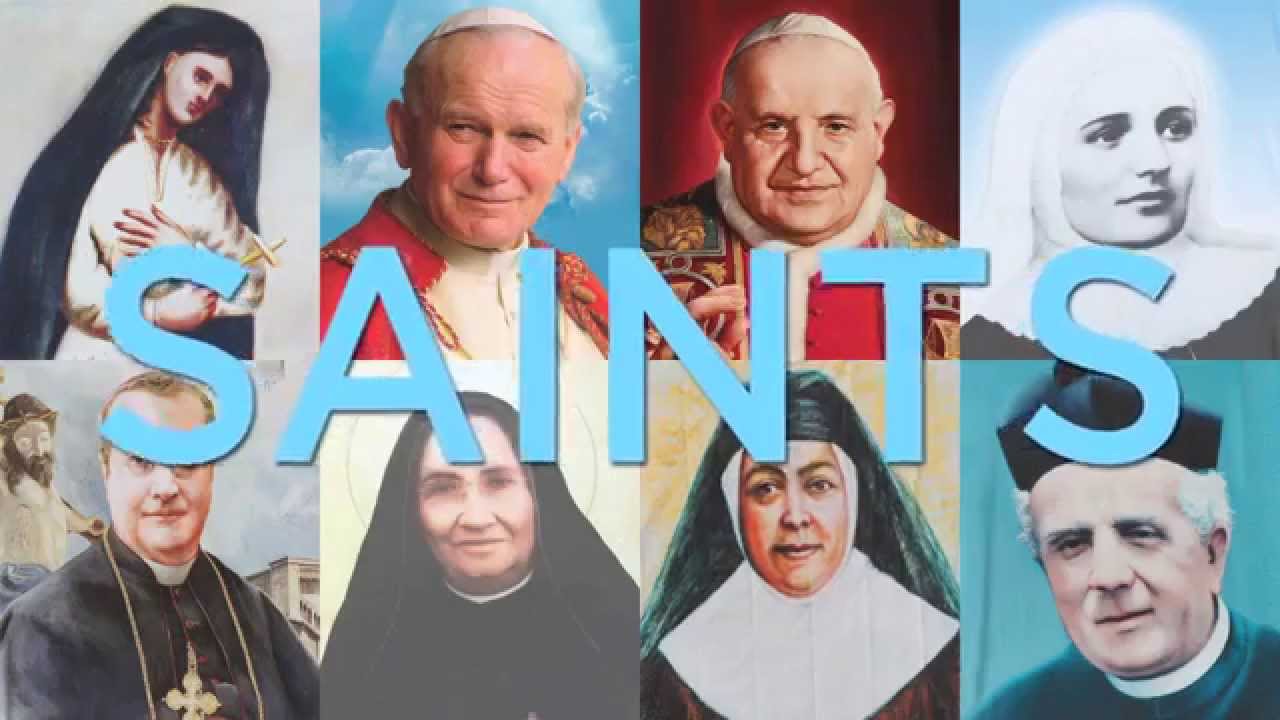
It is a question that sounds simple but opens a door to history, language, and devotion: how did the saints get their name? Whether you are curious about famous figures such as Francis of Assisi or Teresa of Calcutta, or you have heard distinctive titles like “Chrysostom” or “the Great”, the way saints are named weaves together birth names, religious names, places, titles, and centuries of tradition.
In this guide, we explore where saints’ names come from, how the Church records them, why some saints appear under different names in different languages, and how nicknames and epithets (like “of the Cross” or “the Baptist”) became part of their identity. By the end, you will have a clear, friendly answer to the question “how did the saints get their name” and the tools to recognise the patterns behind these holy names.
How did the saints get their name in Christian history?
At its core, the question “how did the saints get their name” asks how Christian communities remembered and identified holy people across cultures and centuries. In the earliest Church, followers of Jesus were known by their ordinary personal names—Mary, Peter, Paul, Stephen—along with simple descriptors if needed (“Stephen the deacon”, “Mary of Magdala”). As Christianity spread, many names repeated and overlapped, so communities adopted practical additions: where the person lived or served (of Hippo, of Siena), their vocation (the Apostle, the Baptist), a quality (the Great), or a nickname given by admirers (Chrysostom, meaning “golden-mouthed”).
Over time, the Church formalised ways of recognising saints (canonisation in the West, glorification in the East), and the recorded name of a saint reflected both a real person and the devotional memory of the faithful. That is why the answer to how did the saints get their name is a mixture of personal biography, language, and liturgical tradition.

What counts as a saint’s “name”?
When people ask how did the saints get their name, they may mean different things. A saint’s “name” can include one or more of the following:
- Given name at birth: For example, Francis (Giovanni di Pietro di Bernardone, nicknamed Francesco) or Catherine (Caterina).
- Baptismal or confirmation name: Especially in later centuries, a Christian might take a saint’s name at baptism or confirmation, though this was often the same as their given name in earlier times.
- Religious name: When entering religious life, many adopt a new name reflecting a spiritual aspiration—e.g., Teresa (Mother Teresa became Teresa of Calcutta) or John of the Cross.
- Regnal/papal name: Popes choose a new name upon election (e.g., John Paul II). When a pope becomes a saint, his papal name is the one used liturgically.
- Descriptor or epithet: Titles such as the Great (Leo the Great), the Baptist (John the Baptist), or Chrysostom (“golden-mouthed” John) helped distinguish individuals with the same personal name.
- Geographic identifier: “Of Assisi”, “of Hippo”, “of Avila”, “of Canterbury” indicate place of origin or ministry.
- Role and witness: Labels like Martyr, Confessor, Virgin, Doctor of the Church reflect a saint’s life or the Church’s recognition of their teaching.
Each of these elements contributes to the fuller identity of a saint, and therefore plays into the wider answer to how did the saints get their name.
Canonisation, glorification, and recorded names
In the Catholic Church, the formal process of declaring someone a saint is called canonisation. The official documentation keeps the person’s legal name but records the name used in devotion and liturgy—often including an epithet or place. For background on the current norms issued in 1983, see the Vatican’s document Divinus Perfectionis Magister by Saint John Paul II, which explains investigation procedures, titles and stages.
In Eastern Orthodoxy, the recognition of a saint is known as glorification. The way names are used and displayed in icons and services can differ slightly from Latin practice. If you have ever wondered how did the saints get their name across Christian traditions, it helps to understand that both East and West preserve personal names while emphasising titles and hymnic epithets. For a succinct Orthodox explanation, see this brief note on glorification of saints from the Orthodox Church in America.
For a general introduction to “saint” as a concept—including how honouring saints developed—consult this overview of saints, and for the canonisation process specifically, the Encyclopaedia Britannica entry on canonisation provides a concise summary.
Language, translation, and why one saint seems to have many names
A surprisingly common angle on how did the saints get their name is linguistic. Names move across Greek, Latin, Syriac, Hebrew, and countless vernacular languages. This leads to different spellings and forms: John (English), Giovanni (Italian), Juan (Spanish), Jean (French), Seán (Irish), Ioannes (Latin), Ioann (Slavic). The same person might be known today as Saint John, Saint Jean, or Saint Ioannes, depending on language and region.
Some saints are primarily known by an epithet rather than their birth name in the West. Saint John Chrysostom, for example, is widely called “Chrysostom” (“golden-mouthed”) because of his celebrated preaching. Others are identified by place—Saint Teresa of Ávila or Saint Augustine of Hippo—because many Teresas and Augustines exist, and the place clarifies which person we mean.
This is why searching “how did the saints get their name” often surfaces explanations of translation and local custom rather than a single mechanical rule.
Epithets and “the Great”: when a title becomes part of the name
Epithets help answer how did the saints get their name in practical terms: they distinguish people. Consider:
- “The Great”: Attached to popes and leaders of extraordinary importance—Leo the Great, Gregory the Great.
- Descriptive nicknames: “Chrysostom” for John; “Damascene” for John of Damascus; “the Theologian” for Gregory Nazianzen.
- Vocational titles: “the Apostle,” “the Evangelist,” “the Baptist,” “the Deacon.”
These are not separate legal names but devotional and historical identifiers. Yet they are so entrenched that, in everyday speech, we treat them as part of the saint’s name.
Place-based names: “of Assisi”, “of Calcutta”, “of Canterbury”
Place helps us answer how did the saints get their name when many share the same given name. Geography can point to birthplace (Catherine of Siena), the main ministry location (Francis of Assisi), the see or diocese (Augustine of Hippo), or a renowned mission field (Teresa of Calcutta). This approach is especially useful for saints from periods or regions where a family surname was not widespread or where several saints share a single given name.
Religious names and new identities
For monks, nuns, and friars, how did the saints get their name often involves a chosen religious name. In many orders, a novice selects or is given a name upon profession, reflecting a virtue, devotion, or admired saint. This adopted name can become the primary way they are known—think of Teresa of the Child Jesus (Thérèse of Lisieux) or John of the Cross. Similarly, some modern religious, such as Mother Teresa, become strongly associated with a place, hence “of Calcutta”.
In Catholic life, a person may take a confirmation name to mark a spiritual friendship with a saint. The Church does not require a “new legal name”, but devotionally this can shape one’s identity. Devotions attached to saints—such as the Divine Mercy promoted by Saint Faustina—also influence naming traditions. If you are curious about this devotion, see the Divine Mercy Chaplet prayer and its background.
Mary, the angels, and titles rather than surnames
An important part of answering how did the saints get their name concerns the Blessed Virgin Mary and the archangels. Mary is one person with many titles: Our Lady of Sorrows, Our Lady of Guadalupe, Our Lady of Walsingham, and more. These are not additional “names” but devotional titles linked to moments, places or aspects of her intercession. Angels, by contrast, have names given in Scripture and tradition—Michael, Gabriel, Raphael—without family names. Where a place is attached (e.g., the Shrine of Our Lady of Lourdes), it functions like a geographical epithet, as with human saints.
Patronages and “what they are for”
Another reason people ask how did the saints get their name is to find out why a saint is linked to a particular cause—Nicholas and generosity, Anthony and lost things, Joseph and workers, Cecilia and music. Patronages come from the saint’s life or from miracles attributed to their intercession. While patronage is not “naming” in the strict sense, it is how many remember and identify saints. Hence phrases like “Saint Joseph the Worker” or “Our Lady Help of Christians”, where function becomes part of the title.
Examples that show the patterns
Francis of Assisi and Clare of Assisi
How did the saints get their name here? Both are known by their given names (Francis, Clare) and their association with Assisi. Their biographies were so tied to that town—and the movements they founded—that the place name became inseparable from their identity.
Teresa of Ávila and John of the Cross
Both Carmelites, both with religious names reflecting their vocation. Teresa is linked to Ávila (place) and “of Jesus” (devotion), while John’s epithet “of the Cross” signals his theology and spirituality.
Augustine of Hippo and Augustine of Canterbury
Same given name, different places and roles. The place epithet solves the everyday problem behind “how did the saints get their name” when multiple figures share a name.
John Chrysostom
“Chrysostom” is not a family name but a nickname-turned-epithet. It became so established that many Christians now treat it as part of his name.
Teresa of Calcutta (Mother Teresa)
“Mother” reflects her role; “Teresa” her religious name; “of Calcutta” her field of service. Together they answer how did the saints get their name in her case: vocation, chosen name, and place.
Popes who became saints: John Paul II
When elected, a pope chooses a regnal name. If later canonised, the papal name—John Paul II—is the one used liturgically and popularly.
Common mistakes when thinking about saintly names
- Thinking a saint “always had” their famous epithet: Many titles emerged after death, in liturgy and popular devotion.
- Confusing titles with multiple persons: “Our Lady of Sorrows” and “Our Lady of Lourdes” refer to Mary under different titles, not different saints.
- Assuming surnames work like modern family names: “Of Siena” or “of Hippo” is an identifier, not a hereditary surname.
- Believing there is one universal spelling: Names vary by language; this is part of how did the saints get their name across cultures.
- Mixing hagiographical legend with formal names: Popular stories can colour titles; official calendars use historically grounded forms.
Calendars, liturgy, and the “official” way names appear
One way the Church answers how did the saints get their name is by publishing liturgical calendars. These list the saint as they should appear in liturgy, often with a place or epithet. The Roman Martyrology, for example, aims at precision (“Francis of Assisi, religious”) while parish calendars may simplify (“Saint Francis”). Local calendars can highlight saints important to a region, further shaping how their names are used day to day.
Children, confirmation, and choosing a saint’s name today
Many parents and confirmands wonder how did the saints get their name because they are choosing a Christian name themselves. Practical tips:
- Start with a saint whose life resonates with yours—occupation, place, or a virtue you admire.
- Learn the story behind the name: if a saint is “of” a place, find out why; if they bear an epithet, discover its origin.
- Check your local liturgical calendar for the preferred spelling and title in your country.
- Consider pronunciation in your family’s language, especially for names with several common forms.
If you are exploring broader Christian differences as you choose, you might find this overview of Orthodox vs Catholic similarities and differences helpful, especially regarding how saints are recognised and named.
How did the saints get their name across different cultures?
Culture shapes how did the saints get their name in practice. In Spanish-speaking contexts, “San” or “Santa” prefixes the name (San José, Santa Teresa). In Slavic traditions, diminutives and patronymics may appear in stories but liturgical texts keep the formal version (e.g., Feodor vs Fyodor). In Celtic regions, you may see older forms such as “Naomh” (Irish for “saint”). The diversity of forms aids devotion locally while maintaining communion with the universal Church through shared identities.
Beyond religion: when people ask “how did the Saints get their name” about teams and places
Because the phrase is so familiar, some people asking how did the saints get their name actually mean sports teams or place names. A famous example is the American football team the New Orleans Saints, whose name reflects the city’s Catholic heritage and the jazz standard “When the Saints Go Marching In”, with the franchise’s announcement coinciding with All Saints’ Day in 1966. Similarly, towns, schools, and hospitals worldwide take saints’ names to honour patronage and identity. While this is a different context, it springs from the same tradition: saints’ names signal values, memory, and protection.
Recommended external resources
- Official Vatican norms on causes of saints (Divinus Perfectionis Magister)
- Encyclopaedia Britannica: canonisation explained
- Comprehensive overview of “saint” and sainthood
- Orthodox Church in America: what “glorification” means
Frequently asked questions about how did the saints get their name
Is a saint’s “last name” a real surname?
Usually not. Descriptors like “of Assisi” or “of Hippo” are geographic identifiers, not family surnames. In periods when hereditary surnames were uncommon, place names and titles worked like signposts to distinguish one person from another with the same given name.
Why does the same saint have different names in different countries?
Language. Names adapt across languages and alphabets, so John becomes Juan, Jean, or Giovanni. The person is the same; the form changes for local speech and liturgy. This is a central reason why how did the saints get their name appears to have many
