How did st joseph die: essential, complete guide with 5 key facts
how did st joseph die
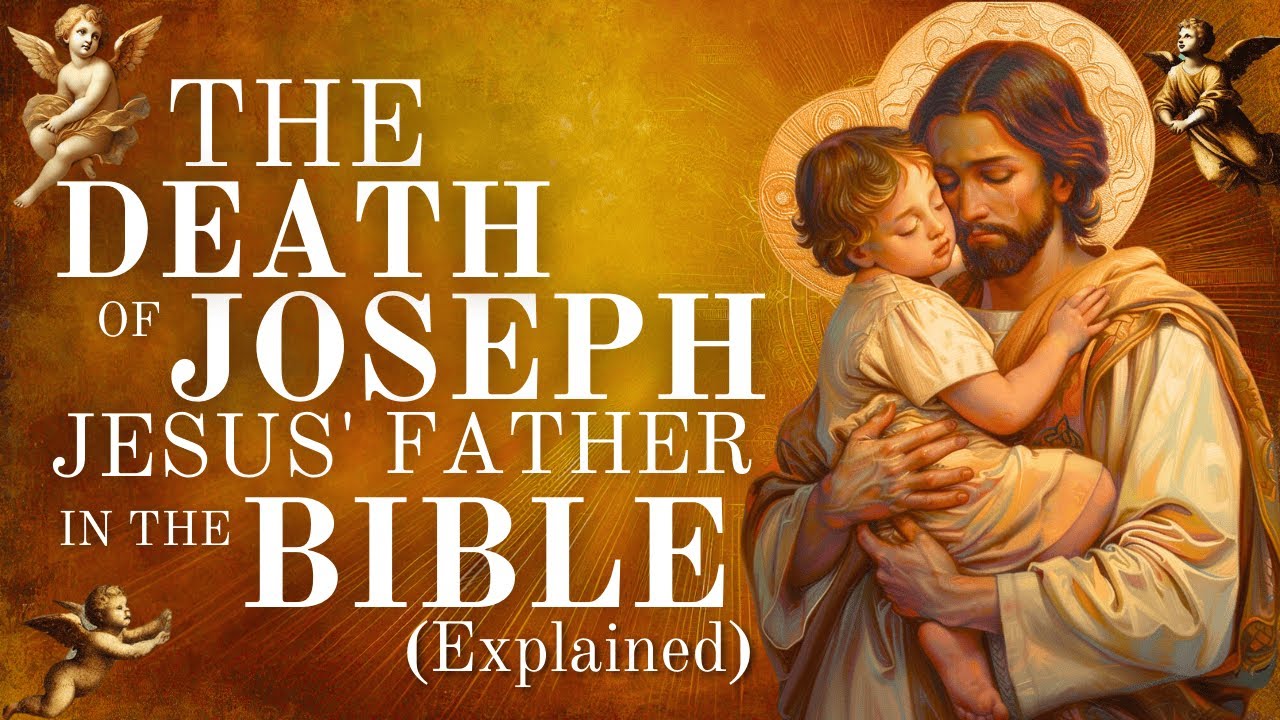
The question how did st joseph die invites us into a fascinating blend of history, Scripture, tradition and devotion. For Christians across the world, Saint Joseph is a model of quiet strength, faithful service and protective fatherhood. Yet when we ask how did st joseph die, we quickly discover that the Bible says nothing explicit about the moment of his passing. This article gathers what can be known with confidence, explains what is probable, explores venerable traditions, and shows why the question still matters for faith and culture today.
Understanding how did st joseph die is not just a historical curiosity. It touches on how we read the Gospels, how early Christians remembered holy figures, and how believers today find comfort in Joseph as patron of a “happy death”. By looking at Scripture, early Christian writings and later devotional sources, we can form a clear, balanced picture without overreaching beyond the evidence.
What do the sources say about how did st joseph die?
The New Testament offers no direct account of St Joseph’s death. He appears prominently in the infancy narratives (Matthew 1–2; Luke 1–2) and is last mentioned when Jesus is twelve years old, at the episode of the Boy Jesus in the Temple (Luke 2:41–52). After this, the Gospels fall silent. That silence itself provides a key clue to how did st joseph die: by the time of Jesus’ public ministry, Joseph is never present, and at the crucifixion Jesus entrusts His mother Mary to the care of the apostle John (John 19:26–27). This strongly implies Joseph had died by then.
Beyond Scripture, there are apocryphal or non-canonical writings that describe St Joseph’s end in vivid detail. Chief among these is the “History of Joseph the Carpenter”, an early text preserved in Coptic and Arabic that portrays Joseph’s deathbed scene with Jesus and Mary present, angels attending, and pious reflections on death and the afterlife. Another is the “Protoevangelium of James”, which, although focused mainly on Mary’s early life, contributes to a tradition in which Joseph is portrayed as an older guardian and widower. These writings are not part of the Bible, and the Church does not treat them as authoritative history, but they help explain how devotional images and liturgical language around how did st joseph die developed.
Modern reference works summarise this landscape clearly: the canonical Gospels are silent on the details, later tradition fills in the gaps with edifying narratives, and the Church’s devotion holds Joseph up as a model for dying in the presence of Jesus and Mary. For background, see broad overviews such as the Encyclopaedia Britannica entry on Saint Joseph or the accessible and well-sourced Wikipedia overview of Saint Joseph.
What can we say with confidence?
From the Gospels’ narrative logic, several points are highly likely:
- Joseph died before Jesus began His public ministry around the age of 30, since Joseph is not mentioned among Jesus’ companions or family during that time.
- Joseph died before the crucifixion, because Jesus entrusts Mary to John from the cross—something that would have been unnecessary if Joseph were alive.
- Joseph was a “just man” (Matthew 1:19) and a householder from Nazareth. It is reasonable, though not proven, to think he died in or near Nazareth.
These points anchor a historically careful response to how did st joseph die. While we do not know the specific cause or date, we can say his death occurred sometime between Jesus’ youth (after the Temple episode at age twelve) and the beginning of the ministry recounted in the Gospels.
How did St Joseph die in apocryphal accounts?
The “History of Joseph the Carpenter” gives a moving, embellished portrait. It presents Joseph as very old—111 years at death—surrounded by Jesus and Mary, afflicted by the ordinary weaknesses of age, strengthened by prayer, and comforted by angelic reassurance. The narrative weaves reflections on the meaning of death into the scene, guiding readers to see Joseph’s passing as holy and peaceful.
Devotional art and preaching often drew from this imaginative backdrop to answer how did st joseph die. The details—precise age, length of illness, specific speeches—should not be treated as factual in the modern historical sense. Instead, they convey theological meaning: Joseph fulfilled his mission, remained faithful, and departed this life with Jesus and Mary at his side. The story underlines why St Joseph is venerated as patron of a good death.
Other traditions—such as those reflected in the “Protoevangelium of James” and the “Gospel of Pseudo‑Matthew”—helped shape the idea that Joseph was a widower with children when betrothed to Mary. This in turn influenced depictions of Joseph as an older guardian. While these texts are not canonical, they explain the longstanding Christian imagination around how did st joseph die, and why art frequently shows an elderly Joseph.
When might Joseph have died? A timeline for how did st joseph die
Piecing together the Gospel clues, we can sketch a reasonable timeline:
- Joseph is alive during Jesus’ birth and early childhood (Matthew 1–2; Luke 1–2).
- Joseph is present when Jesus is twelve, during the Passover visit to Jerusalem (Luke 2:41–52).
- Joseph is not mentioned at the Wedding at Cana (John 2) nor anywhere in the public ministry narratives.
- At the cross, Jesus commends Mary to John (John 19:26–27), implying Joseph is deceased.
This suggests that how did st joseph die is best answered by saying: Joseph most likely died in the years between Jesus’ adolescence and His public ministry. As for the cause of death, tradition usually imagines natural causes, consistent with a life of labour (“carpenter” or “tekton”) and the life expectancy of the time. Nothing in Scripture points to martyrdom or a dramatic end.
Old or young? What the debate means for how did st joseph die
Why does Joseph’s age matter? Because depictions of his age often shape people’s picture of how did st joseph die. In Western art, Joseph is frequently elderly, emphasising his role as guardian of Mary’s perpetual virginity. Some modern writers prefer a “younger Joseph” as a vigorous, hard‑working father figure. Neither view is a matter of doctrine; both aim to safeguard reverence for Mary and honour Joseph’s chaste, responsible fatherhood.
Different Christian traditions have leaned in different directions. To explore broader differences in how traditions approach saints, devotion and Scripture, see this overview of Orthodox vs Catholic perspectives. While both East and West revere Joseph, liturgical emphases and artistic conventions vary, which in turn colours how communities imagine how did st joseph die.
It is prudent to hold the question with gentle humility: Scripture does not answer his age; the Church allows freedom of pious opinion; and the core message remains Joseph’s fidelity and quiet holiness—qualities that shine irrespective of whether he died in robust middle age or in venerable old age.
Towards a careful answer: how did st joseph die, historically speaking?
Summarising the evidence and judicious tradition, a historically careful answer to how did st joseph die could read like this:
- Joseph died before Jesus’ public ministry and before the crucifixion.
- He likely died in Nazareth, after a life of work, prayer and family duty.
- The cause was almost certainly natural—a gentle passing rather than a public, persecuted death.
- It is fitting to imagine Jesus and Mary close by, even though this detail comes from later tradition rather than Scripture.
This balance avoids overclaim while honouring centuries of devotion. It keeps the heart of the matter in view: Joseph completed his God‑given vocation and died in peace.
Why the question matters: devotion, liturgy and the “good death”
The Church venerates Joseph as patron of a good death precisely because the tradition envisages him dying with Jesus and Mary beside him. This has shaped prayers for the dying, parish names, artworks and pastoral care at the end of life. Pope Pius IX declared Joseph Patron of the Universal Church in 1870, and Pope Francis’ 2020 apostolic letter “Patris corde” renewed global attention to his virtues and intercession. For a modern, official reflection on Joseph’s relevance, see the Vatican’s Apostolic Letter Patris corde.
Many believers also find that the story behind how did st joseph die draws them to Mary’s compassionate presence at the bedside of the dying. Devotions such as the Seven Sorrows of Mary highlight her solidarity with human suffering. If you are exploring Marian devotion alongside Joseph’s example, you may appreciate this introduction to the devotion to Our Lady of Sorrows.
Art and culture: depicting how did st joseph die
From medieval panels to Baroque canvases, artists have richly imagined how did st joseph die. Common motifs include Joseph in bed, a tapering candle symbolising life, Jesus and Mary at his side, and angels bearing his soul. These images are not historical records; they are visual theology. By placing the holy family around Joseph’s bed, they teach that the Christian dies not alone but accompanied by the Lord and sustained by prayer.
In some periods, Joseph is shown frail and white‑bearded, reinforcing the older‑guardian tradition. In others he appears more vigorous, particularly in scenes of work. Both patterns sit within a wider cultural desire to dignify work, family life and the final passage from this life to the next.
Common misunderstandings about how did st joseph die
As with many topics that live between Scripture and tradition, a few misunderstandings recur:
- “The Bible says Joseph died at 111.” It does not. That detail is from later apocryphal tradition.
- “We know Joseph’s exact cause of death.” We do not. Any specific cause beyond “natural” is speculative.
- “If we say Joseph was older, we deny his strength.” Not at all. The tradition presents him as both chaste and capable, regardless of age.
- “Only Catholics revere Joseph.” Joseph is honoured across Christian traditions, though emphases vary.
Keeping these points in mind helps us answer how did st joseph die in a way that is both faithful and historically honest.
Practical takeaways for readers today
Why might this question shape your own life or faith?
- It encourages a serene, hopeful view of death, grounded in God’s mercy and companionship.
- It highlights the dignity of everyday work and family responsibility—Joseph’s ordinary holiness.
- It invites prayer for the dying and practical care for those near life’s end.
If you are exploring the ways different traditions approach saints, Scripture and the spiritual life, the comparison of Orthodox vs Catholic perspectives offers helpful context. Equally, meditating on Mary’s compassion—especially through the devotion to Our Lady of Sorrows—can deepen appreciation for the love that surrounded Joseph in his final hour.
Recommended external resources
- Encyclopaedia Britannica’s concise entry on Saint Joseph for historical overview and mainstream perspectives.
- Wikipedia: Saint Joseph for a broad survey of sources, traditions and feast days with references.
- Vatican: Apostolic Letter Patris corde for a contemporary, official reflection on Joseph’s virtues and patronage.
- New Advent: Catholic Encyclopedia article on St. Joseph for a classic theological and historical synthesis.
Frequently asked questions about how did st joseph die
Does the Bible directly describe St Joseph’s death?
No. The Gospels do not recount the death of Joseph. We infer his passing from his absence during Jesus’ public ministry and from Jesus entrusting Mary to John at the crucifixion.
So how did st joseph die according to tradition?
According to pious, non‑biblical tradition, he died peacefully of natural causes, with Jesus and Mary present. The “History of Joseph the Carpenter” offers the most detailed narrative, though it is not considered historical in a modern sense.
Was Joseph an old man when he died?
Tradition often portrays him as elderly, especially in Western art, but Scripture does not specify his age. Some modern authors prefer a younger Joseph. Both views aim to honour his role; neither is doctrine.
Why is St Joseph patron of a happy death?
Because tradition imagines him dying in the loving presence of Jesus and Mary. This inspires Christians to seek a peaceful, grace‑filled death, surrounded by prayer and care.
What years did Joseph likely live and die?
We cannot assign precise dates. Since Joseph is alive during Jesus’ childhood and absent by the public ministry (around AD 27–30), his death probably falls somewhere in the intervening years.
Does asking how did st joseph die change our understanding of Jesus?
It highlights Jesus’ hidden years within a family and the sanctity of ordinary life. The question underscores that the Son of God grew up under Joseph’s care and, most probably, consoled him at the end.
Conclusion on how did st joseph die
The canonical Gospels do not describe how did st joseph die, but their silence—combined with simple, telling clues—allows a careful answer. Joseph almost certainly died before Jesus’ public ministry and before the crucifixion. The most fitting and widely held tradition imagines a serene, natural death in Nazareth, with Jesus and Mary at his side. While later apocryphal narratives colour in details that cannot be verified, they convey a spiritual truth: Joseph completed his mission faithfully and entered death in peace.
Asking how did st joseph die is therefore more than a historical enquiry. It invites us to esteem ordinary holiness, to pray for a good death for ourselves and others, and to see family love and divine grace at the heart of life’s final passage. However we picture the scene, Joseph remains a steady guide—protector of the Holy Family, patron of workers and of a happy death, and a quiet teacher of trust in God.
Held with humility and informed by Scripture and tradition, the question how did st joseph die becomes a window onto the Christian vision of a life well lived and a death met with faith, hope and love.
