How Did Martin Luther Die? 5 Key Facts You Should Know
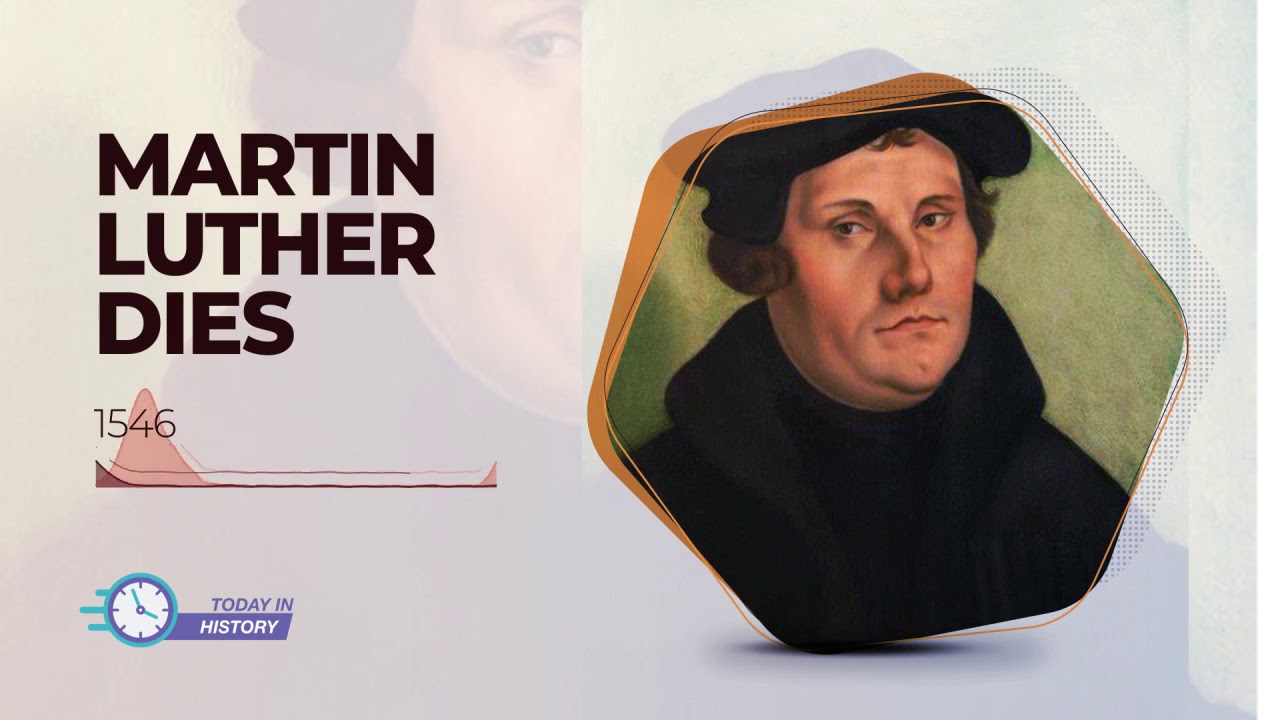
How Did Martin Luther Die?
Martin Luther, the seminal figure of the Protestant Reformation, profoundly altered the course of religion and society in Europe during the 16th century. But how did such a pivotal figure meet his end? Spoiler alert: it was not through martyrdom or persecution, but rather due to health complications as he aged. In this article, we will delve into the details surrounding his death, his final years, and the lasting impact he left on Christianity. But that’s not all—there are some surprising aspects of his life that you may find intriguing as well!
A Glimpse into Luther’s Later Years
After nailing his Ninety-Five Theses to the church door in 1517, Luther became a notable figure in theological discussions and controversies. He was excommunicated from the Catholic Church in 1521 following the Diet of Worms, where he famously declared, “Here I stand, I can do no other.” Despite facing immense challenges, including threats to his life and vehement opposition from church authorities, Luther continued to write and preach. Yet, as the years passed, his health began to deteriorate.
Health Complications Leading to His Demise
By the 1540s, Luther’s life was marked by various health issues, including kidney stones and digestive disorders. He struggled with physical ailments that hindered his daily activities and impacted his emotional well-being. Luther experienced significant pain as his illnesses worsened over time. This period of health struggles coincided with a series of theological and political challenges faced by the nascent Protestant movement, which likely added to his stress.
The Final Days
On February 18, 1546, Martin Luther passed away in the small town of Eisleben, where he had been born. His death was attributed primarily to his declining health rather than any single catastrophic event. He had traveled to Eisleben to mediate a dispute between local nobles, an act symbolizing his continued commitment to reconciliation even in his later years. Ironically, his last words reportedly reflected his unwavering faith: “We are beggars; this is true.”


The Legacy of Martin Luther’s Death
Luther’s death did not mark the end of his influence. Instead, it solidified his role as a martyr of faith in the eyes of the Protestant community. His teachings and translations of the Bible remained central to Protestantism, preserving his thoughts and the theological insights he had shared through his life. Following his passing, the Lutheran Church was established, which continues to celebrate his contributions to Christianity today.
Reflections on Luther’s Impact
Unlike many historical figures whose deaths overshadow their lives, Luther’s death was a reflection of a life lived with integrity, conviction, and a profound commitment to reform. His physical struggles in his later years did not diminish his resolve or his passion for theological debate. If we draw a comparison with other reformers, such as John Calvin, whose focus also aligned with reformation principles, it becomes evident that the internal struggles and health battles of these leaders shaped their contributions significantly.
Lessons from Luther’s Last Years
The story of Martin Luther teaches us about resilience and dedication. His unwavering commitment to his beliefs even in the face of health challenges is something that many can draw inspiration from. Here are some practical ideas on how to draw lessons from his life:
- Commitment to Your Values: How often do we face difficulties and contemplate giving up? Like Luther, let us stand firm in our convictions even when it’s challenging.
- Advocate For Change: Use your expertise or passion to strive for betterment, just as Luther advocated for reform within the church.
- Manage Health Wisely: Just as Luther faced health issues, it’s crucial to prioritize health and well-being in our lives—both physically and mentally.
- Engage in Dialogue: Luther’s role in mediating disputes reminds us to prioritize open communication; even difficult discussions can lead to resolution.
- Embrace Learning: Luther’s commitment to scholarly work shows the importance of continuous learning and growth throughout one’s life.
The Broader Context of the Reformation
To truly understand the impact of Martin Luther’s life and death, we need to look at the broader context of the Reformation. The movements he sparked created a ripple effect across Europe, paving the way for modern Christian denominations. By breaking away from the Catholic Church’s practices, Luther inspired not just spiritual exploration but also social, political, and economic change that would redefine society.
Historical Repercussions
Luther’s teachings catalyzed various political movements, leading to clashes between Protestant groups and Catholic authorities. The Thirty Years’ War (1618-1648) and the English Civil War (1642-1651) were significant events partly fueled by the religious divide that Luther helped to create. Understanding these historical repercussions can offer insight into how Luther’s ideas were pivotal not only in theological terms but also in shaping European history.
Martin Luther in Popular Culture
The story of Martin Luther has not only influenced religious discourse but has also permeated various aspects of popular culture. From movies to literature, there is a wealth of adaptations that explore his life, struggles, and thoughts. For instance, films like “Luther” (2003) bring to life his inspiring journey, allowing audiences to connect with his character on an emotional level.
These adaptations often emphasize themes of resilience and faith, drawing parallels between Luther’s challenges and contemporary struggles. By watching or reading these portrayals, one can gain a more nuanced understanding of his character and the complexities of his theological disputes, providing a captivating blend of history and entertainment.
Luther’s Teachings Today
Many of Luther’s ideas resonate in contemporary religious practices. The emphasis on scripture reading, grace, and faith continues to shape modern Christian beliefs. “Sola Scriptura,” or “scripture alone,” remains a core tenet for many Protestant denominations. This focus on personal connection to the text encourages individuals to explore their faith more profoundly, much like Luther did in his time.
Continuing Relevance of Martin Luther’s Life
In today’s world, where discussions about religion, ethics, and values remain prominent, reflecting on Martin Luther’s life can provide valuable insights. His determination to challenge the status quo and advocate for reform serves as an inspiration for various modern movements looking to address social injustices and advocate for marginalized voices.
Furthermore, the notion of seeking truth remains relevant. His motto of questioning established beliefs encourages us to reflect critically on our own views and assumptions, fostering a culture of inquiry and dialogue that is essential in today’s society.
Conclusion: The Enduring Impact of Martin Luther
Martin Luther’s death on February 18, 1546, marked the end of a remarkable life dedicated to reforming the Christian faith. His legacy continues to be celebrated and studied, reminding us of the power of individual conviction and the importance of standing true to one’s beliefs. As we reflect on how did Martin Luther die, we also acknowledge how his life resonates today—encouraging our own explorations of faith and activism. By examining Luther’s struggles, we find inspiration to face our challenges with courage, always seeking understanding and truth.
For more information about Martin Luther and the Reformation, consider exploring the following resources:
- Wikipedia: Martin Luther
- Britannica: Martin Luther
- History: Martin Luther
- Lutheran World Federation
- National Geographic: The Reformation
Health Issues Leading to His Death
How Did Martin Luther Die?
🕊️ Have you ever wondered about the final moments of one of history’s most pivotal figures? Martin Luther’s death marked not just the end of his life but also a significant chapter in the Reformation movement. In this article, we will explore the circumstances surrounding his death, the health issues he faced, and the lasting impact of his work long after he was gone. Keep reading to uncover the details of how Martin Luther died.
The Final Days of Martin Luther
Martin Luther, the German theologian and key figure in the Protestant Reformation, died on February 18, 1546. His death came after a series of health complications that had plagued him for years. Leading up to his death, Luther was in decline, facing both physical and emotional challenges. He frequently battled ailments that included fatigue, digestive issues, and respiratory problems, which contributed to his overall poor health.
Health Challenges
Throughout his later years, Luther experienced various health concerns that significantly affected his quality of life. Reports indicate that he had chronic gastrointestinal issues, which were likely exacerbated by the stress of his life’s work. Furthermore, he struggled with depression and anxiety, conditions that might have developed partly due to the intensity of his theological debates and the opposition he faced.
Historical Context of His Death
The Reformation was a tumultuous period in Europe, filled with religious conflict and upheaval, and Luther’s role in it cannot be overstated. As he aged, the persistence of his enemies, particularly the Catholic Church, added to his mental strain. Luther’s health deteriorated during a time when he faced both physical and ideological challenges.
Events Leading Up to His Death
In the weeks before his death, Luther traveled to his hometown of Eisleben to settle a dispute among local miners. It was during this trip that his health took a critical turn for the worse. Shortly after arriving, he fell ill and eventually died in the home of a friend. The last days of Luther’s life were spent battling illness, but even in his weakened state, he continued to express his thoughts about faith and the Church.
Martin Luther’s Final Hours
The final hours of Martin Luther were marked by significant moments reflecting his deep faith. Reports from those who were with him describe a man who sought comfort in prayer and expressed his unwavering belief in God’s grace. His last words were said to be a declaration of faith, affirming his conviction in salvation through Christ alone.
The Impact of His Death
Luther’s passing reverberated through Europe, significantly impacting the Protestant Reformation. He left behind a legacy that not only transformed religious thought but also altered the socio-political landscape of Europe. Following his death, many of his writings continued to influence theology and serve as a foundation for Protestant beliefs. His ability to translate the Bible into accessible German further cemented his role as a key figure in changing religious practices.
Health Issues Surrounding His Death
Luther’s health problems were multifaceted. He suffered from what many have speculated to be a combination of physical ailments that included chronic health issues, likely related to both hereditary factors and the stress of his passionate advocacy for reform. His lifestyle, including irregular eating habits and bouts of heavy drinking earlier in life, might have also played a role in his declining health.
Gastrointestinal Problems
One of the most frequently mentioned ailments Luther experienced was related to his digestive health. Chronic indigestion and dysentery plagued him, leading to significant discomfort and contributing to his declining condition. Such issues often disrupted his work and travel plans, illustrating the personal toll of his public life.
Legacy of Martin Luther
Despite his death, Martin Luther’s influence endures. His writings and teachings catalyzed reform across Europe, leading to the establishment of various Protestant denominations. Scholars today continue to study his works, including his translations of the Bible, to understand the evolution of Christian thought.
Influence on Modern Christianity
Modern Christianity owes much to Luther’s theological insights. Concepts he championed, such as justification by faith alone and the priesthood of all believers, became foundational elements in many Christian traditions. This legacy continues to shape doctrine and practice, demonstrating how Luther’s influence extends far beyond his lifetime.
How to Study Luther’s Impact Today
If you’re interested in diving deeper into the life and death of Martin Luther, here are some practical ways to engage with his legacy:
- Read Luther’s Works: Explore his translations of the Bible and his writings on theology.
- Attend Lectures: Many universities and churches offer discussions or lectures on his contributions.
- Engage in Community Discussions: Join a local study group focused on Reformation history to gain different perspectives.
- Utilize Online Resources: Websites like the Wikipedia page on Martin Luther offer comprehensive insights into his life and works.
- Incorporate His Teachings: Reflect on how Luther’s principles can apply to modern faith practices.
Conclusion
Martin Luther’s death was not merely a personal loss but a significant event that marked the continuation of his mission beyond the grave. His health issues played a crucial role leading up to his final moments, impacting his work and legacy steadily. The lessons learned from his life and passing continue to resonate, inviting further exploration into how he reshaped the fabric of Christianity. Whether you are new to Luther’s teachings or revisiting them, his enduring influence is a testament to the power of conviction and faith.
Historical Context of His Death
Martin Luther, a seminal figure in the Protestant Reformation, faced a multitude of challenges during his lifetime. Born on November 10, 1483, in Eisleben, Germany, he was a monk, theologian, and ecclesiastical reformer whose ideas birthed a movement that reshaped Christianity. His public ministry reached its apex in the early 16th century when he nailed his Ninety-Five Theses to the door of the Wittenberg Castle Church in 1517, challenging the Catholic Church’s practices.
However, Luther’s teachings did not come without significant strife. The backlash from the Church led to excommunication and a need for protection from various political entities in Germany. His life was marked by turmoil, theological disputes, and civil unrest—elements that played a pivotal role in shaping his final days.
The Circumstances Leading to His Death
Martin Luther died on February 18, 1546, in his hometown of Eisleben. At the time of his death, he was working on plans to revitalize the church in the region where he had begun his reformative work. Luther had been suffering from various ailments, including a consistent deterioration of his health due to age and stress. However, the immediate cause of death was a stroke, which he suffered while returning from a visit to a fellow reformer in the city of Altenburg.
Throughout his life, Luther faced significant adversity, including conflict with ecclesiastical authorities and health issues that would foreshadow his ultimate demise. Interestingly, even during his final moments, he remained engaged in discussions about faith and the Church—an enduring testament to his dedication to reform.
Details of His Final Moments
On that fateful day in February 1546, Luther had been visiting his friends and discussing theological matters. His health declined rapidly, and the accounts recount a poignant scene. As he lay on his deathbed, Luther reportedly uttered, “Into Your hands, I commend my spirit,” a reflection of his unwavering faith.
In the days leading up to his death, Luther spoke to his family and colleagues, expressing his concerns for the Church and the future of the Reformation. This concern highlights the depth of his commitment and the burdens he carried throughout his life.
Burial and Legacy
After his death, Martin Luther was buried in the Castle Church at Wittenberg, a significant site that later became a focal point for Lutheranism. His grave continues to attract visitors interested in his impact on Christianity and theology. His legacy lives on through the Lutheran Church, which remains one of the largest Protestant denominations globally.
Luther’s teachings and reforms have had profound implications on Christianity, society, and culture throughout history, leading to significant societal shifts. His emphasis on scripture and individual faith has influenced countless movements and discussions within and beyond the church walls.
Significance of His Death
Martin Luther’s death marked the end of an era in the Reformation but also signified the enduring nature of his contributions to Christianity. His life and teachings paved the way for a new understanding of faith, emphasizing direct engagement with scripture over interpretative authorities. This shift has had a lasting impact, influencing modern Christian practices and beliefs.
The circumstances surrounding his death, including his unwavering faith and commitment to reform, resonate with many followers and scholars today. Luther’s legacy continues to stimulate discussions on faith, interpretation of scripture, and the relationship between the church and society.
Reflections on Luther’s Influence Posthumously
While Luther’s death signifies a conclusion to his physical presence in the world, his intellectual and theological contributions continue to thrive. His reformist legacy inspires religious debate and motivates movements for change within Christianity. For example, many contemporary discussions regarding social justice and equity find their roots in Luther’s emphasis on individual conscience and responsibility.
Many scholars assert that understanding how did Martin Luther die is just as vital as studying his life. The manner of his demise, steeped in his teachings and beliefs, encapsulates his dedication to faith which resonates with countless individuals seeking meaning and purpose in today’s multifaceted world.
Continuing the Conversation
To compound our understanding of Luther’s impact, it can be worthwhile to engage with various resources. For instance, reading texts by historians who specialize in the Reformation can deepen your appreciation of the significance of Luther’s reformative approach. Moreover, attending discussion groups focusing on Luther’s works and their implications can offer fresh perspectives.
Key Takeaways Learning from His Life and Death
The death of Martin Luther remains a critical moment in history. Here are several key takeaways regarding his life and passing:
- Dedication to Beliefs: Luther’s life exemplified a commitment to his beliefs despite facing excommunication and threats.
- Health Effects of Stress: His declining health serves as a reminder of the physical toll taken by prolonged stress and conflict.
- Enduring Influence: His words and actions continue to foster discussions in Christian circles and beyond.
Using Luther’s Legacy Today
How does one utilize the legacy of Martin Luther today? Here are some practical ideas:
- Engage in Community Dialogues: By participating in church or community dialogues, you can explore Luther’s ideas in today’s context, discussing their relevance.
- Study Reformation Literature: Reading texts related to Luther and the Reformation can yield insights into current theological discussions.
- Promote Individual Reflection: Encourage others to take time for personal reflection on topics addressed by Luther, such as faith and moral responsibility.
- Use Technology to Share Ideas: Utilizing social media platforms, one can share quotes and teachings attributed to Luther, fostering discussions.
- Create Educational Programs: Establish workshops or seminars focused on Luther’s teachings, enhancing understanding within communities.
By employing these ideas, one can continue to keep the spirit of Luther’s contributions alive, ensuring his inquiries into faith and theology remain pertinent in present conversations.
Indeed, understanding how did Martin Luther die provides a lens through which we can evaluate his life work’s significance, offering guidance and inspiration for addressing contemporary issues within faith, society, and beyond.
Luther’s Legacy Following His Death
How Did Martin Luther Die? A Comprehensive Overview
🕊️ Martin Luther, the seminal figure in the Protestant Reformation, had a profound impact on European Christianity. But how did this legendary reformer die? In this article, we will delve deep into the circumstances surrounding his death, the health issues he faced, and how his passing affected the reformation movement. You may be surprised at the details we uncover!
The Life of Martin Luther
Before we explore the end of his life, it’s essential to understand who Martin Luther was. Born in 1483 in Germany, Luther started his career as a monk within the Augustinian order. He became known for his vocal opposition to various practices of the Catholic Church, including the sale of indulgences, culminating in his publication of the Ninety-Five Theses in 1517.
Throughout his life, Luther’s writings and sermons would spark massive changes in Christianity, leading to the development of Protestantism. His doctrine of salvation through faith alone became a pivotal aspect of Christian theology and still resonates today.
Health Complications Leading Up to His Death
As Luther’s life progressed, his health began to decline. In the years leading up to his death, he experienced several ailments. Reports indicate that he suffered from stomach and digestive issues, which plagued him throughout his life. These chronic problems were likely exacerbated by the stresses of his reformative work and the upheaval surrounding the Protestant movement.
Interestingly, these health problems mirrored those common in the 16th century, where diet and lifestyle could significantly impact one’s well-being. Luther often attributed his ailments to the spiritual burdens he carried, which adds a layer of complexity to his legacy.
Circumstances of Martin Luther’s Death
Martin Luther died on February 18, 1546, in his hometown of Eisleben, Germany. His passing was not the result of violence or persecution but rather due to natural causes associated with his failing health. What many might not know is that Luther was in Eisleben to settle a dispute among the townspeople—an active participant in community and theological issues right up until his death.
His final days were spent preaching and teaching, demonstrating his commitment to his beliefs. Some accounts suggest he showed signs of physical distress prior to his death, which ultimately came after a brief bout of illness characterized by severe health complications.
The Aftermath of His Death
Following Luther’s death, his influence only continued to grow. He was buried in the Castle Church in Wittenberg, a site integral to the Reformation. The funeral was attended by thousands, a testament to the reverence held for him by supporters.
His passing ignited further discussions and divisions within the Christian community, leading to the splintering of denominations and the solidification of Protestant doctrine. Luther’s writings became more widely circulated posthumously, helping to spread his reformative ideas throughout Europe and beyond.
Health Issues and Their Impact on His Life
Understanding Martin Luther’s health issues provides insight into his character and life’s work. His chronic ailments were not merely personal struggles; they mirrored the societal issues of 16th-century Europe, where healthcare knowledge was rudimentary at best.
Despite his physical challenges, Luther remained dedicated to his teaching and beliefs. This commitment to his work in the face of adversity serves as a profound example for many, illustrating how personal struggles can coincide with public duties.
Lessons from Luther’s Life and Death
The legacy of Martin Luther extends beyond theology and doctrine; it teaches resilience in the face of hardship. Just as Luther faced numerous challenges, individuals today might find solace in his life’s example during personal adversity. His unwavering faith, both in himself and in his mission, reminds us that perseverance is often key to meaningful contributions in any field.
The Legacy of Martin Luther After His Death
Luther’s death marked a significant juncture in Christian history. Following his passing, his followers continued to advocate for his teachings, leading to the establishment of various Protestant Christian denominations. These denominations, with their diverse interpretations of his work, have since shaped Western Christianity profoundly.
Additionally, Luther’s influence extended beyond theology to affect education and social reform. The increased emphasis on literacy in Protestant regions paved the way for modern schooling systems. Furthermore, his advocacy for a direct relationship between the believer and God diminished the church’s control, fostering a more personal approach to faith.
Influence on Subsequent Reform Movements
In analyzing how did Martin Luther die, it’s crucial to consider the overwhelming impact he had on future reform movements. His teachings inspired figures like John Calvin and Huldrych Zwingli, who would go on to lead major branches of the Reformation, expanding Luther’s initial vision of reform.
This legacy of theological and social reform remains relevant today. Understanding how Luther’s life ended can enrich one’s appreciation for the complexities of faith and reform in history.
Conclusion: Reflecting on Martin Luther’s Impact
Martin Luther’s death was a natural conclusion to a life marked by fervent belief and unwavering commitment to reform. His health complications underscored the human side of this remarkable figure, whose legacy continues to shape Christianity today. By exploring how Martin Luther died, we not only honor his life but also acknowledge the lasting effects of his teachings in modern society.
The death of Martin Luther was more than just the end of a life; it was the culmination of a movement that transformed religion and society. His influence persists, serving as a reminder of the power of conviction and the enduring quest for truth.
