Greek Orthodox Easter: 7 Traditions You Must Experience
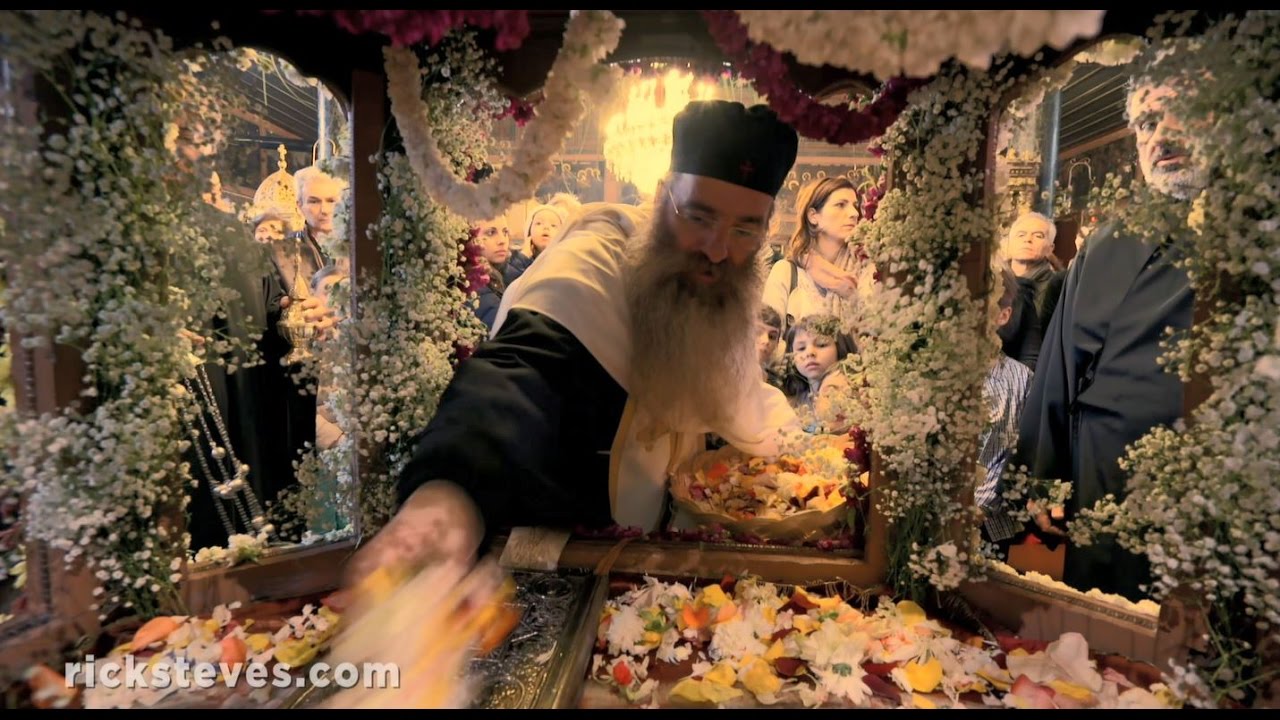
Understanding the Significance of Greek Orthodox Easter
Greek Orthodox Easter, known as Pascha, is a deeply significant religious observance celebrated by millions of Greek Orthodox Christians worldwide. It is an event that symbolizes the resurrection of Jesus Christ and epitomizes the essence of Christian faith through various traditions and rituals.
The Historical Context of Greek Orthodox Easter
The origins of Greek Orthodox Easter date back to the early Christian Church. The date of Easter is determined based on the Julian calendar, which is why it often falls on a different date than it does in Western Christianity. This calendar difference results in a celebration usually occurring one week later than the Western Easter.
This celebration is rooted in ancient Jewish traditions, as the Last Supper took place during Passover. Therefore, the memories of Passover are integral to the understanding of Greek Orthodox Easter, representing liberation and salvation.
In the Early Christian period, the date was formally fixed by determining the first Sunday after the first full moon following the vernal equinox. This method continues to influence how the Greek Orthodox community celebrates Easter today, making it a significant discussions point regarding its theological implications.


The connection between the Resurrection and spring signifies rebirth and renewal, elements which are significantly emphasized in Greek culture and religion. This dual meaning contributes to the rich tapestry of Greek Orthodox Easter traditions.
Preparations leading up to Greek Orthodox Easter
The Lenten season begins 40 days before Easter with Clean Monday, marking the start of a spiritual journey leading up to Pascha. This period of fasting and reflection is observed through various disciplines, including dietary restrictions. Many abstain from meat, dairy, and eggs during this time, focusing instead on spiritual growth.
During this period, many communities also engage in charitable acts, reinforcing the ideas of compassion and sacrifice integral to the spirit of Greek Orthodox Easter. Churches encourage parishioners to engage in selflessness, mirroring the sacrifice of Jesus Christ.
The week leading to Easter Sunday—Holy Week—is filled with special liturgies and services. Each day holds unique significance, often commemorating specific events from Holy Scriptures, culminating in the Paschal Vigil held on Saturday night. This service is both solemn and festive, combining elements of reverence and joyous anticipation.
Holy Week Observances
Holy Week encompasses a variety of observances that are critical to the understanding and celebration of Greek Orthodox Easter. Each day is marked by different rituals that focus on the final events in the life of Jesus Christ.
On Palm Sunday, the congregation rejoices, decorating the church with palms and celebrating the triumphant entry of Jesus into Jerusalem.
As the week progresses, services reflect on the solemn events leading up to the crucifixion. On Good Friday, the Epitaphios, a symbolic burial cloth of Christ, is processed throughout the church and often outdoors, emphasizing the mourning of the crucifixion.
Finally, on Holy Saturday, the Resurrection service is celebrated. This traditionally begins around midnight, with the clergy proclaiming “Christ is risen!” and the congregation responding with “Truly He is risen!” This proclamation ignites the joy of the resurrection, which is central to the essence of Greek Orthodox Easter.
Culinary Traditions of Greek Orthodox Easter
The celebration of Greek Orthodox Easter is not only a spiritual journey but also a feast for the senses, particularly through its rich culinary traditions. Special dishes are prepared in honor of the occasion, showcasing a blend of heritage and local ingredients.
One of the main features is the preparation of Greek Easter bread, known as “tsoureki,” which is a sweet, braided bread that is often flavored with orange and topped with colored eggs. The red-dyed eggs symbolize the blood of Christ and the promise of new life.
Additionally, “magiritsa,” a traditional soup served at the midnight feast, is made using lamb intestines, rice, and herbs, reflecting both the end of fasting and the communal celebration of the resurrection.
Many families also roast lamb on a spit for the festive meal, embodying the essence of renewal and familial unity that is characteristic of the celebration.
Cultural Rituals Associated with Greek Orthodox Easter
Cultural rituals surrounding Greek Orthodox Easter carry significant meaning and are passed down through generations. For instance, one custom involves the custom of dyeing eggs red during Holy Week. This symbolizes the blood of Christ shed during the crucifixion, a powerful reminder of the sacrifice made for humanity.
During the midnight feast, eggs are often used in a game called “tsougrisma,” where participants attempt to crack each other’s eggs. The winner is believed to have good luck throughout the year, making this a fun and engaging way to celebrate communal unity and resurrection themes.
In many regions of Greece, people also participate in various processions, where they carry lit candles, illuminating the night sky while proclaiming the good news of Christ’s resurrection.
The focus on light and resurrection is prevalent; decorations in churches and homes reflect these themes, creating a vibrant atmosphere of joy and renewal.
The Spiritual Significance of Greek Orthodox Easter
At its core, Greek Orthodox Easter is a profoundly spiritual event that reconnects participants with their faith. The resurrection symbolizes hope, love, and the promise of eternal life, core tenets of the Christian faith.
Through both solemn observances and joyful celebrations, individuals are reminded of salvation and the possibility of transformation in their lives. It’s a time for reflection, forgiveness, and renewal of one’s personal relationship with God.
The theological narratives and liturgical practices surrounding Easter provide believers with directives on living a Christian life, emphasizing the importance of community, sacrifice, and love, ultimately guiding them on their spiritual journeys.
Community and Fellowship
The communal aspect of Greek Orthodox Easter reflects the significance of fellowship within the church community. Shared meals, celebrations, and services create a sense of belonging and support among families and friends.
Parishioners often gather during the Holy Week services or on Easter day, not just to practice their faith but to strengthen the communal bonds forged through shared beliefs and traditions.
This unity during such a significant time reinforces the teachings of Jesus Christ, as believers come together to celebrate the resurrection in a spirit of love and fellowship.
The Global Impact of Greek Orthodox Easter
While Greek Orthodox Easter is primarily celebrated in Greece, its impact is felt globally, especially in countries with Greek Orthodox communities. Places such as the United States, Australia, and Canada see vibrant celebrations that reflect the cultural heritage of the Greek people.
In these multicultural societies, the observance serves as an opportunity to share the rich traditions and values inherent to the Greek Orthodox faith. Events like church services, community feasts, and cultural festivities allow non-Greeks the chance to learn and participate, fostering interfaith dialogue and community integration.
Easter Events Around the World
Greek Orthodox parishes worldwide often carry their unique customs while staying true to the essence of the celebration. For instance, in the United States, large-scale midnight services are particularly popular and feature fireworks to symbolize the light of Christ bursting forth from the tomb.
In Australia, many communities participate in Easter parades, showcasing traditional Greek attire and customs associated with the holiday. These events enhance cultural appreciation and pave the way for younger generations to learn their heritage.
Frequently Asked Questions about Greek Orthodox Easter
What are the main differences between Greek Orthodox Easter and Western Easter?
The most notable difference lies in the date of celebration. Greek Orthodox Easter often occurs later due to the use of the Julian calendar for determining the feast. Additionally, while both traditions celebrate the resurrection of Christ, the specific customs and rituals vary significantly.
How does Greek Orthodox Easter influence the community?
Greek Orthodox Easter acts as a focal point for communities, strengthening social bonds and providing a sense of identity. Through shared beliefs and practices, communities flourish, promoting love, support, and resilience, which resonate through generations.
What are common dishes prepared during Greek Orthodox Easter?
Common dishes include tsoureki, magiritsa, and roasted lamb. These foods not only represent the end of fasting but also serve as a center for communal feasting, providing an opportunity for families to gather and celebrate.
For more in-depth information about the history and observances related to Greek Orthodox Easter, you can visit resources such as Wikipedia or the Greek Orthodox Archdiocese of America. Additionally, for insights into various customs, refer to ThoughtCo and Greek Boston for cultural overviews.
