Glory to God Prayer Song: Essential Guide with 5 Practical Tips
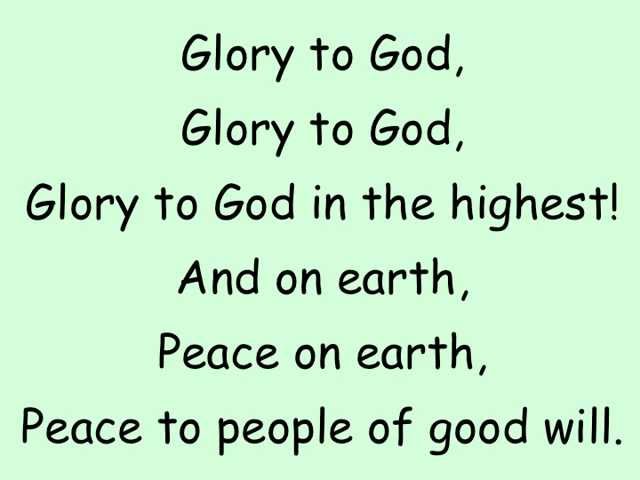
glory to god prayer song
A glory to god prayer song is a simple yet profound way to turn words of praise into living prayer. Whether sung in a cathedral, a small chapel, or at home during a quiet moment, a glory to god prayer song helps ordinary believers lift their hearts, minds, and voices to the Lord. In this guide, we explore what it is, why it matters, how to choose or write one for your community, and how to pray with it day by day.
At its heart, a glory to god prayer song is more than music. It is an act of worship. Set to a memorable melody and rooted in Scripture, it can gather a congregation, teach sound theology, and create space for the Holy Spirit to move. Used well, a glory to god prayer song will not only sound beautiful; it will help people pray.
What is a glory to god prayer song?
In Christian tradition, songs that give glory to God range from ancient liturgical texts to contemporary worship choruses. A glory to god prayer song focuses on praise—on God’s character, saving works, and presence—rather than on our feelings alone. It is “prayer” because the words are addressed to God, and it is “song” because the form invites the whole body to participate: breath, posture, voice, and attention.
There are two classic models. First, the Gloria (“Glory to God in the highest”) which many churches sing or say in Sunday worship. Second, a doxology, a short burst of praise such as “Praise God, from whom all blessings flow.” Both can be adapted into a glory to god prayer song that suits your context, style, and musical resources.


In practice, a glory to god prayer song often uses repetition, a refrain people can remember, and biblical phrases known across denominations. This combination turns it into a shared prayer that all can join, even on a first hearing.
Origins and biblical roots of the glory to god prayer song
The biblical foundation for a glory to god prayer song runs deep. The angels’ song in Luke 2:14—“Glory to God in the highest”—has been sung in various forms since the earliest centuries of the Church. The Gloria, sometimes called the “Greater Doxology,” traces its roots to this angelic proclamation and early Christian worship; for background, see the history of the Gloria in excelsis Deo.
The Psalms are the original songbook of the people of God. Psalms of praise (for example Psalms 8, 95, 100, 145–150) provide language and patterns for any glory to god prayer song. They model how to name God’s attributes, recall God’s deeds, and invite all creation to worship. You also find doxologies in the New Testament (Romans 11:33–36; Ephesians 3:20–21), showing that short, concentrated statements of praise are at the heart of Christian prayer.
Historically, the Gloria took a set place in the Mass and other liturgies. For a concise overview of where the Gloria belongs in Roman Catholic worship, consult the General Instruction of the Roman Missal (GIRM). In Anglican traditions, the Gloria is often sung during Holy Communion as well. These longstanding practices shape how a modern glory to god prayer song can function: as shared, scriptural praise that unites the church across time and place.
How a glory to god prayer song works in worship today
In contemporary worship, a glory to god prayer song can appear in several places. It can open the service to centre the congregation on God, follow a confession of sin as a grateful response, or lead into a reading from Scripture. Because it’s congregational by nature, it should be accessible—more about the people’s prayer than a platform performance.
Structure matters. Many churches use a simple verse-and-refrain pattern so the assembly quickly learns the words. Others use call-and-response, which works well when there are mixed levels of musical confidence. Whatever the shape, a glory to god prayer song should clearly address the Lord and contain a core of biblical truth.
Core elements of a glory to god prayer song
- Scriptural language: phrases such as “Glory to God,” “Lord most high,” “Hosanna,” or lines adapted from Psalms and Revelation.
- Christ-centred focus: recognise the Father, glorify the Son, and welcome the Spirit.
- Clear theology: name God’s holiness, mercy, justice, faithfulness, and saving acts.
- Memorable refrain: a line the whole church can sing with confidence.
- Singable range: keep the melody within about an octave and in a key comfortable for most voices.
- Prayerful pacing: space for breath, silence, and reflection so the song remains prayer, not just performance.
Steps to choose or write a glory to god prayer song for your community
If you are selecting or crafting a glory to god prayer song, the following steps will help you keep it prayerful, biblical, and singable.
- Define the purpose: Is this the opening praise, a response after confession, or a doxology at the end? Clarifying purpose will shape tempo, tone, and length.
- Choose a primary Scripture: Anchor your words in a passage—Luke 2:14, Psalm 96, or Revelation 4–5 are typical. Let the text guide the imagery and message.
- Write (or choose) a refrain that says “glory to God” directly: The refrain is the heart of a glory to god prayer song; keep it simple so everyone can remember it.
- Limit verses to key ideas: Avoid trying to say everything about God at once. Focus on two or three attributes or works of God per song.
- Check theology and clarity: Ensure each line actually addresses God, not just talks about God. Avoid vague pronouns and ambiguous phrases.
- Prioritise singability: Keep the vocal range comfortable, avoid awkward leaps, and write rhythms the average congregation can follow.
- Plan the arrangement: Decide if this glory to god prayer song will be unaccompanied, piano-led, guitar-led, or supported by choir and instruments. The arrangement should serve the prayer.
- Test and iterate: Try the song in a small group or rehearsal. Adjust keys, words, or tempo based on how well people can pray it.
A practical framework you can adapt
Here is a simple framework you can use to shape your own glory to god prayer song:
- Opening line that names God’s greatness (e.g., “Lord of heaven and earth, we glorify your name”).
- Refrain directly giving glory (“Glory to God, glory to God, now and always”).
- Verse recalling God’s saving work in Christ (“You lift the lowly, you forgive our sin”).
- Refrain repeated to deepen prayer.
- Bridge invoking the Holy Spirit (“Holy Spirit, kindle our praise”).
- Final refrain and a gentle ending to allow silence and reflection.
Keep the language everyday rather than technical, so the glory to god prayer song feels like a heartfelt prayer people can own.
Praying with a glory to god prayer song at home
You do not need a full band or a choir to pray a glory to god prayer song. Many people find that short sung prayers become the backbone of personal devotion. A simple practice might look like this:
- Choose a time: morning or evening when you can be unhurried.
- Begin with silence: one minute to breathe and open your heart to God.
- Sing a simple refrain: repeat your glory to god prayer song refrain three to five times, gently.
- Add a verse of praise: speak or sing a few lines based on a Psalm.
- Close with thanksgiving: name one thing you are grateful for today.
Repetitive sung prayer can be deeply meditative. For an approach that uses short refrains to focus the heart, see the Taizé community’s description of song and silence in prayer: singing as a form of contemplative prayer. Similarly, many Christians pray with repeated words, as in the Divine Mercy Chaplet prayer, which can also be chanted or sung to foster attentive praise and trust.
Scripture encourages singing as a sign of God’s presence and delight. If you are interested in the biblical image of God rejoicing over his people with singing, explore this reflection on the meaning of Zephaniah 3:17. This vision strengthens the heart of any glory to god prayer song: we sing to the God who sings over us.
Examples, styles, and traditions of the glory to god prayer song
The church has never had only one style of glory to god prayer song. Here are some broad approaches you might encounter or adapt:
- Liturgy and choral: A through-composed setting of the Gloria suitable for choir and congregation, often with organ or strings, anchored in the historic text.
- Contemporary worship: A verse-refrain song in a moderate key, guitar or piano-led, with a clear, easily repeated chorus that says “glory to God.”
- Gospel: Call-and-response lines, rich harmonies, and a driving rhythm that invites the whole church to participate joyfully in praise.
- Taizé-style: Short phrases repeated many times, creating space for silence and contemplation while keeping the glory to god prayer song centred on Christ.
- Folk or acoustic: Simple melodies and poetic lyrics that can be sung unaccompanied or with a single instrument.
You do not need to imitate one style rigidly. The best glory to god prayer song for your context will be one your people can actually sing and mean. The aim is not novelty but sincerity: language that is faithful and music that is serviceable for prayer.
Avoid these common mistakes with your glory to god prayer song
- Overcomplicating the melody: If the congregation cannot sing it, it stays a performance, not a prayer.
- Vague theology: Avoid lines that could mean anything. Be specific about God’s character and works.
- Forgetting the refrain: Without a clear refrain, your glory to god prayer song may lack the hook worshippers need.
- Unhelpful keys or ranges: Too high and people will drop out; too low and energy fades.
- Constant volume: Leave room for dynamics and silence so the prayer can breathe.
- Ignoring context: A bright, celebratory setting might not fit a service focused on lament or intercession.
Crafting lyrics that pray well
Words shape worship. When you write or choose lyrics for a glory to god prayer song, try these checks:
- Address God directly: “We give you glory, Lord,” not only “God is glorious.”
- Keep the pronouns honest: If you sing “we,” ensure the line expresses something the whole church can say with integrity.
- Balance transcendence and nearness: Honour God’s holiness while remembering God’s mercy in Christ.
- Use small images: Concrete pictures (light, rock, shepherd) can be more prayerful than abstract terms alone.
- Draw from Scripture: Lines inspired by Psalms, the Gloria, or biblical doxologies often feel both fresh and ancient.
It is also wise to review older, public-domain texts and adapt them carefully for clarity and accessibility. For example, many congregations still sing a doxology derived from Thomas Ken’s 17th-century text; see notes on the traditional doxology to understand its history and use.
Planning a service with a glory to god prayer song
When you include a glory to god prayer song in a service, think of it as part of a flow. A simple outline might be:
- Gathering: brief silence, call to worship, then the glory to god prayer song to orient hearts towards praise.
- Confession and assurance: if used here, ensure the song expresses gratitude for mercy and lifts eyes to the Lord.
- Word: after Scripture readings, a shorter doxology could serve as a response.
- Sending: a reprise of the refrain, reminding people to give glory to God in daily life.
In liturgical churches, consult your tradition’s rubrics about when the Gloria is permitted or encouraged. In free-church settings, ensure the glory to god prayer song complements the sermon theme and the overall spiritual direction of the service.
Recommended external resources
- Background, text, and history of the Gloria in excelsis Deo for understanding classic “Glory to God” worship.
- General Instruction of the Roman Missal on the place of the Gloria, helpful for liturgical planning.
- Historical and musical notes on the well-known doxology to inform lyric choices.
- Taizé guidance on singing as meditative prayer for developing a reflective glory to god prayer song practice.
Frequently asked questions about glory to god prayer song
What makes a song a “glory to god prayer song” rather than just a worship song?
Intention and address. A glory to god prayer song directly addresses God with language of praise—naming God’s holiness, mercy, and mighty works. It is prayer set to music, not a song about God from a distance. It typically includes “glory to God” or a closely related doxology in the refrain, and it is grounded in Scripture.
Do I need musical training to use a glory to god prayer song in personal prayer?
No. Keep it simple: choose one short refrain, sing within a comfortable range, and repeat quietly. The goal is to pray, not to perform. Many find that even a single line sung slowly can become a powerful daily practice.
Which Scriptures are best for shaping a glory to god prayer song?
Start with Luke 2:14, Psalms 95, 96, 100, and 145–150, Revelation 4–5, and New Testament doxologies (Romans 11:33–36; Ephesians 3:20–21; Jude 24–25). These passages supply phrases and images ideal for a refrain or verse.
Can a glory to god prayer song be used outside Sunday services?
Absolutely. Use it in small groups, family prayer, retreats, or at the start of meetings. Because it is short and memorable, a glory to god prayer song helps establish a prayerful atmosphere in many settings.
How long should a glory to god prayer song be?
Long enough to say something true and short enough to sing well. For congregations, a refrain plus one or two brief verses is typically sufficient. In contemplative settings, a single refrain repeated for several minutes can be very effective.
Is it okay to adapt traditional texts like the Gloria?
In liturgical contexts, use authorised texts as required by your tradition. In informal settings, you can draw on the themes and language of the Gloria to craft a new glory to god prayer song, provided you keep the theology faithful and the language clear.
Conclusion on glory to god prayer song
A glory to god prayer song is a time-tested, life-giving way to let praise become prayer. Rooted in Scripture and shaped by the church’s long practice, it turns the gathered voice of the people into a single offering of worship. Whether you inherit a classic setting or compose something new, keep it simple, singable, and centred on God’s glory.
Used in church or at home, a glory to god prayer song can open hearts, teach the faith, and unite communities. If you plan to craft or select one, let Scripture lead, give the congregation a refrain they can own, and ensure every line truly addresses the Lord. In doing
