Glory to God in the Highest Prayer: Complete Guide and 5 Keys
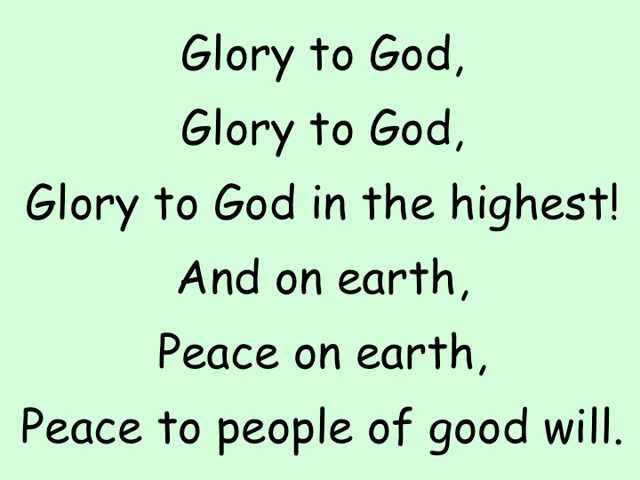
glory to god in the highest prayer
The glory to god in the highest prayer is one of Christianity’s best-loved praises, a joyful hymn that gives voice to wonder, gratitude and hope. Whether heard at Christmas midnight Mass, sung on a Sunday morning, or whispered in private devotion, this prayer lifts the heart to praise the Father, Son and Holy Spirit. Sometimes known by its Latin name, Gloria in excelsis Deo, the glory to god in the highest prayer celebrates the good news announced by angels at the birth of Jesus and continues to shape the worship and daily spirituality of millions.
In this guide, we will explore what the glory to god in the highest prayer is, where it comes from, how it is used across Christian traditions, and how you can pray it meaningfully in your own life. We will also touch on common misunderstandings and offer practical suggestions, whether you are new to prayer or refreshing your understanding after many years.
What is the glory to god in the highest prayer?
The glory to god in the highest prayer is an ancient hymn of praise that opens with the words proclaimed by the angels in the Gospel according to Luke: “Glory to God in the highest, and on earth peace …”. From this Scriptural spark grew a rich, poetic prayer used in many Christian liturgies as a sustained act of thanksgiving and adoration. In the Western Church it is simply called “the Gloria”; in the East it belongs to the family of doxologies (words of glory) that magnify God’s majesty.
Traditionally, the prayer rejoices in God’s holiness, remembers his mercy, and proclaims the saving work of Jesus Christ. It is not a petition asking for specific things; rather, it is a cascade of praise. Because of this, the glory to god in the highest prayer often appears near the beginning of worship, setting a tone of joy and re-centring the congregation on who God is before they listen to Scripture or receive the sacraments.

Biblical roots of the glory to god in the highest prayer
The heart of the glory to god in the highest prayer is found in the nativity story, when the angelic host announces Christ’s birth to shepherds near Bethlehem. The line from Luke has been cherished for centuries, sung and prayed in many languages and musical styles. You can read the passage in context here: Luke 2:14 (NRSVUE) on Bible Gateway.
The angelic hymn in Luke 2:14
Luke presents the angels’ proclamation as both vertical and horizontal: it glorifies God “in the highest” and points to “peace on earth” among people whom God favours. This double movement—upward praise and outward peace—shapes the tone of the glory to god in the highest prayer. The prayer is not inward-looking; it draws us towards God and, through him, towards reconciliation with others.
From Scripture to liturgy
From the earliest centuries, Christians expanded the angelic acclamation into a fuller hymn. Over time, the prayer developed a recognisable structure with lines of praise and titles for Jesus (for example, Lamb of God, Only-begotten Son), and with an ending that honours the Holy Spirit. The result is a beautifully balanced act of worship: the glory to god in the highest prayer echoes the Bible while gently teaching Christian belief as it is sung.
Where and when do Christians use the glory to god in the highest prayer?
Across traditions, the glory to god in the highest prayer usually appears in services that focus on celebration rather than penitence. In the Roman Catholic Church, it is sung or said on Sundays outside of Advent and Lent, and on solemnities and feasts. The United States Conference of Catholic Bishops provides a helpful overview of the text and its place in the Mass here: USCCB: The Gloria in the Order of Mass.
In Anglican churches, the Gloria forms part of Holy Communion and is included in the Church of England’s authorised texts. For details of when and how it may be used, see Common Worship: Holy Communion (Order One). Some congregations sing it throughout the year; others follow seasonal patterns similar to the Roman Catholic practice. The exact wording can vary slightly between prayer books and translations, but the spirit of the glory to god in the highest prayer remains consistent.
In the Eastern Orthodox tradition, a related hymn known as the Great Doxology is sung at Orthros (Matins) on Sundays and feasts. While not identical in wording, it shares the same impulse of exuberant praise. It reminds us that the glory to god in the highest prayer is not a Western invention but part of a broader Christian instinct to begin with adoration.
How to pray the glory to god in the highest prayer at home
Although the glory to god in the highest prayer is liturgical, you can pray it privately with great fruit. Here are simple ways to incorporate it into personal or family prayer without turning it into a mere routine.
A simple step-by-step guide
- Set a time and place: choose a quiet spot and a time when you can be unhurried, perhaps morning or early evening.
- Begin with stillness: take a few breaths, make the sign of the cross if that is your practice, and call to mind God’s presence.
- Pray the opening line: slowly say “Glory to God in the highest” to frame your intention—and allow the words to settle.
- Use a trusted text: pray the full glory to god in the highest prayer from a Bible-based or liturgical source you know. Consider standing or sitting upright as a sign of respect.
- Pause briefly: after key sentences, pause to let the meaning sink in. Praise is not a race.
- Add a personal note: conclude with your own brief words of thanks, connecting the glory to god in the highest prayer to today’s blessings.
Short forms and paraphrases
If time is tight, you can pray a shorter praise such as “Glory to God in the highest; glory to God forever,” perhaps followed by a moment of silence. While an abbreviated form is not the full prayer, it can still orient your day towards worship. Reserve the complete glory to god in the highest prayer for a calmer moment later, so the fuller richness is not lost.
Text and structure of the glory to god in the highest prayer
The prayer typically follows a three-part arc:
- Opening praise to God the Father: extolling God’s glory, majesty and holiness.
- Honouring the Son: acknowledging Jesus Christ as Lord, Only-begotten Son, and Lamb of God who takes away the sins of the world, and asking for mercy.
- Concluding doxology: glorifying the Holy Spirit within the unity of the Trinity.
These movements gently teach the faith: God’s transcendence, Christ’s saving work, and the communion of the Trinity. If you wish to study the text’s history and variants, the article “Gloria in excelsis Deo” on Wikipedia offers useful background and examples from different traditions.
Many congregations sing a musical setting of the glory to god in the highest prayer. While melodies differ—from chant to contemporary compositions—the meaning should remain clear. It is good practice to keep the words comprehensible when sung, so the congregation truly prays rather than merely performs.
Why the glory to god in the highest prayer matters
It can be tempting to view the glory to god in the highest prayer as a beautiful yet optional extra. In reality, it performs several vital roles:
- It recentres worship on God, not on us.
- It teaches core beliefs through praise rather than lecture.
- It connects Sunday worship with the joy of the Incarnation.
- It keeps our prayer balanced, reminding us to thank God before we ask for help.
By anchoring our hearts in God’s goodness, the glory to god in the highest prayer helps us face life’s challenges with hope. It does not ignore suffering; rather, it proclaims that divine love is larger than anything we carry.
Common mistakes—and gentle corrections
Because the glory to god in the highest prayer is familiar, we sometimes slip into habits that blunt its impact. Here are frequent pitfalls and how to avoid them:
- Rushing the words: slow down, especially at the titles of Christ. Savouring the language allows praise to become heartfelt.
- Treating it as a warm-up act: remember that the glory to god in the highest prayer is a prayer in its own right, not merely a prelude.
- Over-focusing on melody: robust music is wonderful, but clarity of text is essential. Choose or support musical settings that make the words audible.
- Forgetting the Trinitarian shape: notice where the prayer addresses the Father, honours the Son, and concludes with the Holy Spirit. That structure keeps our worship balanced.
Practical tips for leaders, parents and musicians
If you help others to pray the glory to god in the highest prayer—at church, at home, or in a small group—consider these suggestions:
- Explain briefly before praying: one or two sentences on why we praise can transform participation.
- Alternate spoken and sung forms: for example, sing on feasts, speak during quieter seasons, so the words remain fresh.
- Use familiar carols as bridges: the refrain “Gloria in excelsis Deo” in “Angels We Have Heard on High” helps newcomers connect the Scripture to worship; see the background at Hymnary.org.
- Invite a moment of silence afterwards: let the community rest in the praise they have just offered.
Examples of using the glory to god in the highest prayer in daily life
Here are simple, realistic ways adults can weave this prayer into ordinary routines:
- Morning: First thing, take ten seconds to say “Glory to God in the highest” before checking your phone or email. It reframes the day.
- Before meals: Add the opening line of the glory to god in the highest prayer to your usual grace as an act of thanksgiving.
- After good news: When something goes well—a diagnosis improves, a project succeeds—offer the full glory to god in the highest prayer in gratitude.
- During a walk: Pray it outdoors, noticing creation as you praise the Creator.
- Family bedtime: Keep a small card with the text and take turns leading it once or twice a week.
How the glory to god in the highest prayer complements other devotions
Praise-based prayers enrich petitions and intercessions. For example, if you practise the Chaplet of Divine Mercy, the joy of the glory to god in the highest prayer can balance the Chaplet’s focus on God’s mercy and our need for it. For guidance on that devotion, see our overview of the Divine Mercy Chaplet prayer.
Similarly, understanding how different traditions worship can deepen appreciation of this prayer’s place in the wider Christian family. A helpful introduction is our article on the differences between Orthodox and Catholic worship, including how praise is expressed across East and West.
Recommended external resources
- USCCB: The Gloria in the Order of Mass – official Catholic explanation of the text and its place in the liturgy.
- Church of England: Common Worship Holy Communion (Order One) – authorised Anglican materials including when the Gloria is used.
- Bible Gateway: Luke 2:14 (NRSVUE) – the angelic proclamation that inspires the glory to god in the highest prayer.
- Encyclopaedia Britannica: Gloria (Christian liturgy) – concise historical background and usage.
Frequently asked questions about the glory to god in the highest prayer
Is the glory to god in the highest prayer only for Christmas?
No. Although it springs from the Christmas story, churches use it on many Sundays and feast days throughout the year, especially outside penitential seasons. The glory to god in the highest prayer belongs to the Church’s regular rhythm of praise, not only to Christmas celebrations.
Can I pray the glory to god in the highest prayer on my own?
Yes. While it is a public liturgical prayer, it is also excellent for personal devotion. You can pray it in the morning, after receiving good news, or whenever you want to re-focus on God. The key is to pray it slowly and attentively so it does not become mechanical.
What is the difference between the Gloria and the Great Doxology?
The Gloria (glory to god in the highest prayer) is a Western liturgical hymn usually said or sung at Mass or Holy Communion. The Great Doxology in the Eastern Orthodox tradition is a longer hymn used primarily at Matins. They share themes of praise and echo Luke 2:14, but the texts and placement in worship differ.
Why is the prayer sometimes omitted in church?
During Advent and Lent, many churches omit the Gloria to reflect the seasons’ more penitential tone. This absence heightens the sense of celebration when the glory to god in the highest prayer returns at Christmas and Easter.
What should I do if the musical setting is unfamiliar?
Join as best you can, focusing on the words. If the melody is challenging, speak the text quietly to yourself in time with the music. Over time, the tune will become familiar and the glory to god in the highest prayer will feel natural again.
Conclusion on glory to god in the highest prayer
The glory to god in the highest prayer is a jewel of Christian worship: Scriptural in origin, rich in theology, and accessible in practice. It begins with the angelic message of Luke 2:14 and blossoms into a full hymn of adoration to the Father, through the Son, in the Holy Spirit. Whether you encounter it in church or at home, its purpose is the same—to lead us into praise that recentres life on God.
By understanding where the glory to god in the highest prayer comes from, how it is shaped, and why the Church treasures it, we can pray it more deeply and joyfully. Sung or spoken, in a cathedral or a kitchen, it draws the heart from anxiety to gratitude and from self-concern to worship.
Make space for the glory to god in the highest prayer this week. Try it slowly, perhaps with a moment of silence afterwards. Let its words remind you that God is worthy of praise, that Christ has saved us, and that the Spirit is with us. In that light, even ordinary days can become occasions of grace.
And as the angels teach us, praise inevitably overflows into peace. May praying the glory to god in the highest prayer each day help us become people of peace in our homes, workplaces and communities.
