Glory to god in the highest heaven and on earth peace: definitive guide
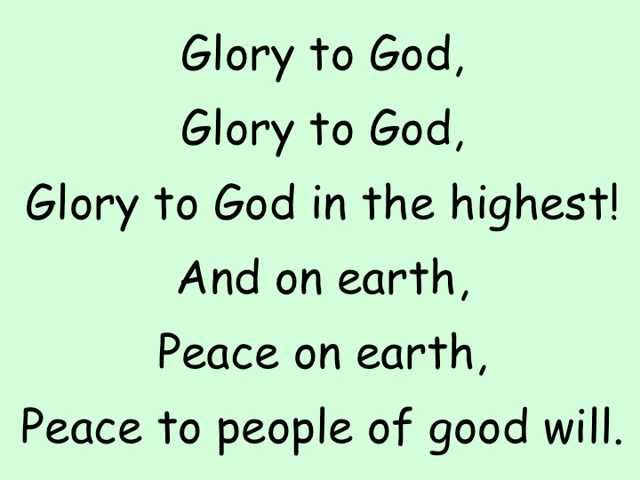
glory to god in the highest heaven and on earth peace
Few lines of Scripture resonate across centuries quite like “glory to god in the highest heaven and on earth peace”. Proclaimed by the angels in the nativity story, this short acclamation has become a touchstone for Christmas worship, choral music, and daily devotion. More than a seasonal motto, it captures a complete vision of faith: honour offered to God, and wholeness extended to humanity. In this article, we explore what the phrase means, where it comes from, how it has shaped Christian prayer and culture, and how its hope can be lived today.
Whether you are new to Christian ideas or revisiting familiar ground, understanding “glory to god in the highest heaven and on earth peace” can deepen both your sense of wonder and your practical commitment to peace. We will unpack the biblical background, clarify some common misunderstandings, and offer actionable ways to make its message part of ordinary life. Along the way, you will find trustworthy resources and related articles to explore further.
What does glory to god in the highest heaven and on earth peace mean?
At its simplest, “glory to god in the highest heaven and on earth peace” is a twofold proclamation. First, it acknowledges that God deserves the highest praise—“glory” being the radiance, weight, and splendour of God’s being. Secondly, it expresses the result of God’s action towards creation: peace on earth, a peace that is not merely the absence of conflict but the presence of right relationship, justice, and reconciliation.
In biblical terms, “glory” (Hebrew: kabod; Greek: doxa) suggests both God’s majesty and the visible signs of divine presence. “Peace” (Hebrew: shalom; Greek: eirene) includes harmony, integrity, and flourishing. Thus, “glory to god in the highest heaven and on earth peace” links worship and ethics: genuine worship of God leads to transformed living, characterised by peace with God, within oneself, with neighbours, and even with creation.


Biblical origin and translation nuances
The line appears in Luke 2:14, within the story of the angels announcing Jesus’s birth to shepherds. You can read the verse in context at reliable sources such as Luke 2:14 (Bible Gateway, NRSV Updated Edition). Different Bible translations render the second half slightly differently because of manuscript nuances. Some read “on earth peace, goodwill among people,” while others say “on earth peace among those with whom he is pleased.” Both capture aspects of the gospel’s gift of peace: it is offered widely and received deeply by those who welcome God’s favour.
Importantly, the angels’ hymn is not mere sentimentality. It heralds the arrival of the Messiah—a King whose kingdom of peace is established not by force but through self-giving love. In that light, “glory to god in the highest heaven and on earth peace” is both a proclamation and an invitation: honour God, and step into the peace Christ brings.
Glory and peace: two sides of one reality
The pairing of glory and peace is not accidental. When God is honoured rightly, people are set free to live peacefully. Conversely, when peace is cultivated—through justice, forgiveness, and mercy—the world becomes a living testimony to God’s glory. “Glory to god in the highest heaven and on earth peace” therefore describes a single movement: God revealed; people restored.
How Christians have prayed glory to god in the highest heaven and on earth peace
The phrase entered the heartbeat of Christian worship very early. It is the opening line of the “Gloria”, often sung or said during Eucharistic services. Known by its Latin title “Gloria in excelsis Deo,” it gathers up praise to God the Father, a confession of Jesus Christ as Lord and Lamb of God, and a plea for mercy and peace. For a concise overview of the hymn’s history, see Encyclopaedia Britannica’s article on Gloria in excelsis Deo.
In Anglican liturgy, for instance, the Gloria is a standard part of Holy Communion, reflecting the same balance of adoration and petition found in “glory to god in the highest heaven and on earth peace.” You can view a representative text within Common Worship: the Gloria in the Church of England. In many churches, it is sung with festive music, especially during Christmas and other major feasts.
Across traditions and seasons
Western and Eastern Christian traditions both honour the angelic hymn, though they place it in slightly different contexts and melodies. The line is heard most often at Christmas, when carols and services repeat “glory to god in the highest heaven and on earth peace” to draw attention to Christ’s birth. But the Gloria’s message is not seasonal. Even when the Gloria is omitted in penitential seasons like Advent or Lent in some churches, the longing for God’s glory and earthly peace remains central to prayer, preaching, and daily discipleship.
The theology behind glory to god in the highest heaven and on earth peace
Understanding the phrase theologically helps us avoid reducing it to a slogan. It teaches several core beliefs:
- God is supremely worthy of honour. “Glory” locates the centre of value not in human achievement but in God’s character and action.
- Peace is God’s gift and goal. Peace is not a human invention; it flows from reconciliation with God and grows into reconciliation with others.
- The incarnation changes history. The birth of Jesus is the arrival of peace in person—God with us—so “glory to god in the highest heaven and on earth peace” summarises the gospel itself.
- Worship fuels ethics. Adoring God (“glory”) sends us into the world to embody peace (“on earth”).
The Catechism of the Catholic Church describes peace as the tranquillity of order and the work of justice and charity, which aligns with the angelic message. See the Catechism’s teaching on peace for a succinct articulation of this vision.
Living the message of glory to god in the highest heaven and on earth peace
How can the angels’ proclamation shape the way we live? If “glory to god in the highest heaven and on earth peace” is to become more than a beautiful line, it must move from song to practice. Here are some ways to start.
Personal practices that cultivate peace
- Begin and end your day with a brief prayer of praise and peace. A simple pattern is: “Glory to you, O God; bring peace to my heart and to the world.”
- Read Luke 2:1–20 slowly, imagining the scene, then ask: where is God inviting me to be a peacemaker today?
- Make reconciliation a habit. If tensions arise in work or family life, take the initiative to apologise or listen well. Peace grows through humility.
- Practise mercy. Devotions like the Divine Mercy Chaplet prayer can train the heart to extend compassion, embodying “on earth peace”.
Community and society
- Encourage truthful conversation. Communities flourish when people learn to disagree respectfully. This, too, is “on earth peace”.
- Serve the vulnerable. Support local charities or churches that assist refugees, the homeless, or those in debt. Peace is tangible when basic needs are met.
- Seek justice without hatred. Work for fair policies and practices while honouring the dignity of those who differ from you. This honours the “glory” of God’s image in all people.
In every sphere, “glory to god in the highest heaven and on earth peace” frames both motive and outcome: for God’s honour, we become instruments of peace.
Scripture threads that enrich the angelic hymn
The angels’ announcement does not stand alone; it is woven into a larger biblical narrative. The Old Testament often speaks of God singing over his people and promising peace amid fear. One evocative example is Zephaniah’s vision of God rejoicing over his people with singing, which hints at the tenderness behind divine glory. Consider reading this reflection on the promise of God’s rejoicing and peace to see how the older texts prepare for the New Testament’s proclamation.
The New Testament then spreads the theme throughout Jesus’s ministry and the early church. Jesus blesses peacemakers, greets his disciples with peace after the resurrection, and promises a peace not like the world gives. Paul names peace as fruit of the Spirit. With such threads, “glory to god in the highest heaven and on earth peace” is less a holiday refrain than a year-round roadmap.
Cultural echoes and artistic expressions
The phrase has inspired countless musical settings and works of art. Composers like Vivaldi and Bach wrote “Gloria” settings that bring the line to life with jubilant orchestration. Christmas carols—most notably “Angels We Have Heard On High”—carry the Latin refrain “Gloria in excelsis Deo” to congregations and choirs worldwide. Visual art, from illuminated manuscripts to stained glass, portrays angels and shepherds in ways that invite contemplation of “glory to god in the highest heaven and on earth peace”.
These cultural echoes matter because they keep the message in public memory. A well-sung “Gloria” or a carefully crafted nativity scene can preach as effectively as a sermon, reminding us that where God’s glory is celebrated, peace becomes plausible.
Common misunderstandings to avoid
While the phrase is widely loved, a few pitfalls are worth noting so that “glory to god in the highest heaven and on earth peace” retains its depth.
- Reducing it to seasonal decoration. The line is not just for December; it is a daily call to worship and peacemaking.
- Confusing peace with passivity. Biblical peace includes courage, truth-telling, and action for justice. It is active love, not avoidance of conflict.
- Making it inward-only. Inner calm matters, but the angels proclaim a public peace that touches relationships, communities, and nations.
- Forgetting the “glory” part. Ethics without worship can become self-referential. The phrase begins with God and returns us to God.
A simple study and reflection guide
If you would like to explore “glory to god in the highest heaven and on earth peace” in a small group or personally, try this four-step approach:
- Read Luke 1–2 to grasp the fuller context of Jesus’s birth.
- Note every mention of peace and joy. How do they relate to God’s initiative?
- Use a trusted commentary or brief reference—such as the Luke 2 text at Bible Gateway—to compare translations and reflect on their implications.
- End your time by praying the words aloud: “glory to god in the highest heaven and on earth peace,” asking for one concrete way to practise peace in the week ahead.
Recommended external resources
- Luke 2:14 in the NRSV Updated Edition (Bible Gateway) — read the verse in context and compare translations.
- Encyclopaedia Britannica on Gloria in excelsis Deo — historical background to the hymn that begins with the angelic proclamation.
- Church of England: the Gloria in Common Worship — an example of how churches pray the text today.
- Catechism of the Catholic Church on peace — a concise theological summary of Christian peace.
Related articles
Frequently asked questions about glory to god in the highest heaven and on earth peace
Where does the phrase come from, and why is it important?
It comes from Luke 2:14, part of the angels’ announcement of Jesus’s birth. It matters because it sums up the Christian message: God is worthy of ultimate praise, and Jesus brings a peace that transforms people and communities. In short form, “glory to god in the highest heaven and on earth peace” is a miniature of the gospel.
Does “peace on earth” mean an end to all conflict now?
Not immediately. The New Testament shows that Christ brings peace with God first, which then changes individual lives and communities. Over time, this peace challenges injustice, heals divisions, and points to the ultimate fulfilment when God restores all things. So “on earth peace” is both a present reality and a future hope.
Why do some Bibles translate the verse differently?
Ancient manuscripts vary slightly, leading to “peace, goodwill” in some translations and “peace among those with whom he is pleased” in others. Both highlight that peace is God’s generous gift and is embraced by those who welcome God’s favour. The heart of “glory to god in the highest heaven and on earth peace” remains the same in any case.
How can I incorporate the phrase into daily life without it feeling forced?
Keep it simple. Use it as a brief morning or evening prayer, or as a breath prayer in moments of stress. You might sing or listen to a setting of the Gloria, then decide one specific act of reconciliation or service for the day. Little practices make “glory to god in the highest heaven and on earth peace” a lived reality.
Is the phrase only for Christmas?
No. Although especially prominent at Christmas, the line expresses a year-round truth: worship energises peacemaking. Many churches pray the Gloria most Sundays outside penitential seasons, keeping the rhythm of “glory to god in the highest heaven and on earth peace” alive throughout the year.
What is the link between worship and social justice in this phrase?
The order matters. When God’s glory is the foundation, love for neighbour flows from a deeper source than preference or pressure. That love seeks justice, reconciliation, and dignity for all. Thus, “glory to god in the highest heaven and on earth peace” connects adoration and action without confusing them.
Conclusion on glory to god in the highest heaven and on earth peace
The angelic acclamation is more than a beautiful line for a carol sheet. It is a compact creed and a practical compass. By beginning with God—“glory to god in the highest heaven and on earth peace”—we discover who we are and what we are called to do. Worship leads to witness; praise becomes peace.
When Christians pray or sing these words, they remember that God’s glory is revealed most clearly in the humble birth, life, death, and resurrection of Jesus. His way of peace is not a quick fix but a steady, courageous love that heals and reconciles. Echoing “glory to god in the highest heaven and on earth peace” day by day invites us to honour God with our lips and with our lives.
In a world hungry for healing, the angels’ message still guides us: lift your gaze to the highest, and then work for peace on the ground beneath your feet. Let “glory to god in the highest heaven and on earth peace” be your prayer, your practice, and your hope.
