Glory be catholic prayer: essential, complete guide with 5 key points
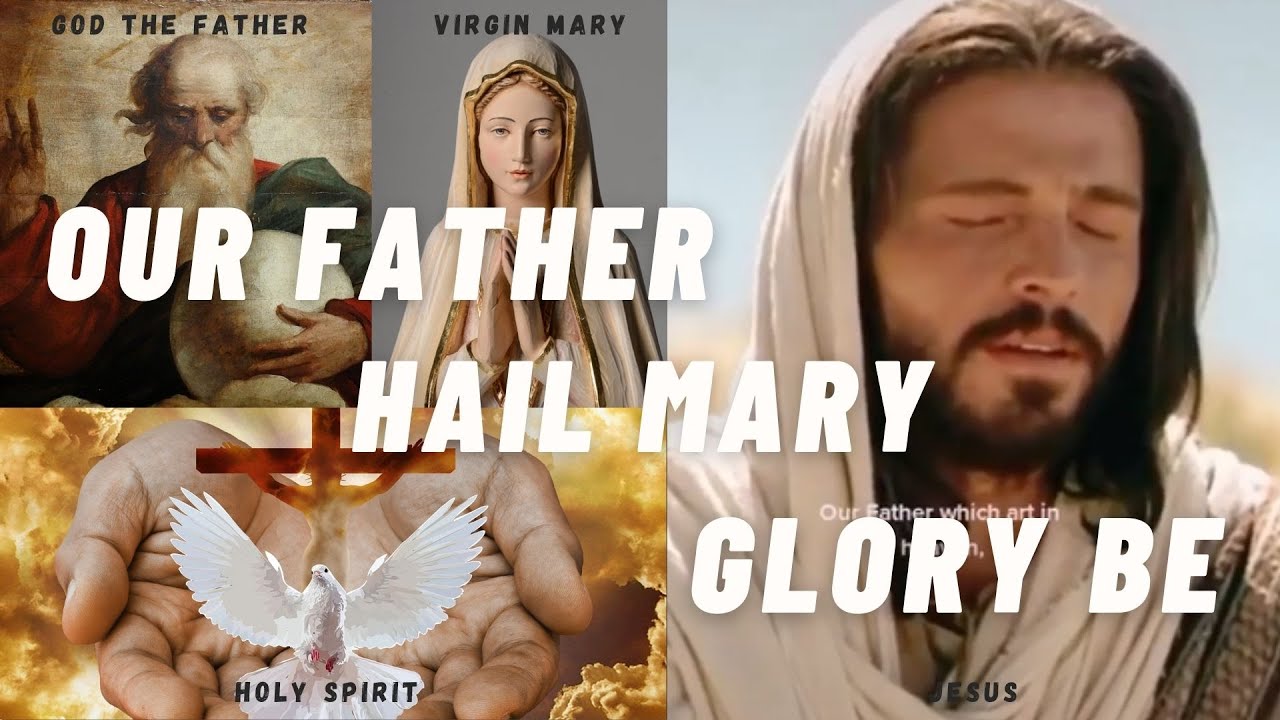
The glory be catholic prayer: words, meaning, and how to pray it
The glory be catholic prayer is one of the shortest and most beloved prayers in Christian tradition. Known historically as the Gloria Patri, it is a doxology—a brief expression of praise to the Holy Trinity: Father, Son, and Holy Spirit. Despite its brevity, it carries a rich meaning, anchoring the spiritual life of many Catholics in daily devotion, the Rosary, and the Liturgy of the Hours. This guide explains the words, history, and significance of the prayer, and offers practical ways to pray it with attention and heart.
Whether you learned it as a child or are encountering it for the first time as an adult, the glory be catholic prayer can become a steady, calming refrain that recentres your day on God. Below, you will find the prayer text, theological background, common variations, and helpful tips for praying it with depth and clarity.
What is the glory be catholic prayer?
At its core, the glory be catholic prayer is a compact hymn of praise to the Trinity. In Latin it is called the Gloria Patri (Glory be to the Father), and it has been used since the early centuries of Christianity. While it is familiar to Catholics worldwide, similar forms of the doxology are used in many Christian traditions, making it a bridge for shared praise across denominations.
Historically, the prayer crystallised as a way to conclude psalms and hymns in communal worship, affirming the eternal glory of God. Its structure—praising the Father, Son, and Holy Spirit; acknowledging God’s timelessness; and sealing the prayer with “Amen”—makes it a model of simple, clear Christian belief.

The words of the glory be catholic prayer
Here is the standard English text used by many Catholics today:
“Glory be to the Father, and to the Son, and to the Holy Spirit. As it was in the beginning, is now and ever shall be, world without end. Amen.”
You may also encounter this older, traditional form:
“Glory be to the Father, and to the Son, and to the Holy Ghost. As it was in the beginning, is now, and ever shall be, world without end. Amen.”
The Latin original—still used in many places—is:
“Gloria Patri, et Filio, et Spiritui Sancto. Sicut erat in principio, et nunc, et semper, et in saecula saeculorum. Amen.”
Whatever the language, the message is consistent: God is worthy of glory in all times and ages.
Meaning and theology of the glory be catholic prayer
The glory be catholic prayer is a doxology: a prayer of pure praise. It does not ask for anything; rather, it declares who God is, and gives Him glory. In doing so, it teaches quietly but powerfully.
- The Trinity: The prayer names Father, Son, and Holy Spirit. This is not three gods, but one God in three divine Persons—central to Christian belief.
- Eternality: “As it was in the beginning, is now and ever shall be” proclaims God’s unchanging nature and the continuity of His glory across all time.
- Hope: “World without end” (from the Latin “in saecula saeculorum”) expresses the everlasting reign of God—an anchor for Christian hope.
Calling it the glory be catholic prayer simply highlights its widespread use among Catholics, yet its content is fundamentally Christian and ecumenical: it is praise without boundaries, a miniature creed spoken in love.
When and how Catholics use the glory be catholic prayer
The glory be catholic prayer appears in many contexts, both public and private. You will encounter it often because it is short, memorable, and theologically complete in itself.
- Rosary: It concludes each decade, following the Our Father and ten Hail Marys.
- Liturgy of the Hours (Divine Office): It is typically said at the end of psalms and canticles, affirming praise after the Word of God is recited.
- Private devotion: Many Catholics punctuate their day with the Glory Be, especially when starting work, taking a break, or seeking calm.
- Communal prayer: Meetings, parish groups, and ministries often use it to begin or conclude shared prayer.
- Devotional chaplets: Various chaplets include the doxology at set points, echoing the rhythm found in the Rosary.
Because it is brief, the glory be catholic prayer is especially helpful when you want to pray but have only a moment—at a bus stop, before a difficult conversation, or as a gentle reset during the day.
Step-by-step: praying the glory be catholic prayer
There is no single correct way to pray the glory be catholic prayer, but these simple steps can help you pray with attention and reverence:
- Pause and breathe: Take one slow breath to collect your thoughts and place yourself in God’s presence.
- Begin with intention: Decide—however briefly—that this prayer is an act of love and worship, not a rushed habit.
- Say the words slowly: “Glory be to the Father, and to the Son, and to the Holy Spirit…” Allow the names of the Trinity to sink in.
- Attend to time-words: Savour “as it was in the beginning, is now and ever shall be”—a reminder that God’s faithfulness does not waver.
- Conclude with “Amen”: This means “so be it,” your assent to the truth you have just proclaimed.
- Optional gesture: Many Catholics make the Sign of the Cross before or after the prayer; others simply bow their heads.
Try praying the glory be catholic prayer three times in a row when you feel scattered or anxious. The repetition can steady your focus and draw your heart back to God.
Variations and translations of the glory be catholic prayer
Because the Church is global, the doxology appears in several approved wordings. Here are common variations:
- Holy Spirit vs Holy Ghost: “Holy Ghost” is older English usage; “Holy Spirit” is standard in most contemporary settings.
- Liturgy of the Hours formula: Many English editions render the second half as “as it was in the beginning, is now, and will be forever.”
- Ecumenical forms: Some Protestant traditions use the Glory Be with slight differences in phrasing or musical settings.
- Latin: The Gloria Patri is used widely in chant and polyphony, especially in traditional liturgies.
These variations do not change the essence of the glory be catholic prayer. The heart of the doxology remains the same: praise to the Trinity for ever.
Practical ways to include the glory be catholic prayer in daily life
Short prayers help you sanctify the ordinary. You can integrate the glory be catholic prayer into your day with simple cues:
- Morning and night: Pray it upon waking and before sleep as part of your morning offering and evening examen.
- Transitions: Use it when you switch tasks at work or move from one activity to another.
- Before decisions: Say it quietly to seek light and peace before choosing.
- Family prayer: Teach children or share it with a spouse; its brevity makes it easy for all ages.
- Walking or commuting: Pray the Glory Be at landmarks—bus stops, street corners, lifts—to create gentle reminders of God’s presence.
Consistency matters more than quantity. One heartfelt recitation of the glory be catholic prayer can be richer than many hurried ones.
Common mistakes to avoid with the glory be catholic prayer
Because the prayer is familiar, certain habits can creep in. Here are pitfalls to avoid, with simple corrections:
- Rushing the words: Slow down just enough to mean what you say. Emphasise the names of Father, Son, and Holy Spirit.
- Speaking on autopilot: Before you begin, form a quick intention: “Lord, I praise you.” It resets your focus.
- Misunderstanding “world without end”: Remember it means “for ever and ever”—God’s glory is unending.
- Neglecting posture: Sit or stand comfortably, but avoid slouching; your body can support your attention.
- Overlooking the Trinity: Consider pausing after each divine name for a heartbeat to let its meaning land.
Little adjustments can make the glory be catholic prayer feel fresh, even after many years of saying it.
Connections with other devotions
The Glory Be fits naturally within broader Catholic prayer life. For example, it is central to the Rosary and complements devotions focused on mercy and contemplation. If you are exploring structured devotions, a helpful next step is this accessible guide to the Divine Mercy Chaplet, which shows where brief doxologies often appear in repeated prayer.
For readers curious about how different Christian traditions approach similar prayers and doxologies, this overview of differences between Orthodox and Catholic traditions provides helpful context while highlighting shared core beliefs, such as the Trinity praised in the glory be catholic prayer.
Recommended external resources
- Common Catholic prayers (USCCB) – an official collection that includes the Glory Be with standard wording and other core prayers.
- Catholic Encyclopedia entry on Doxology (New Advent) – historical background on doxologies like the Gloria Patri.
- Article on the Glory Be (Wikipedia) – a concise overview of origins, language, and usage across traditions.
- Catechism of the Catholic Church on the Trinity (Vatican) – theological grounding for the praise offered in the glory be catholic prayer.
Frequently asked questions about glory be catholic prayer
What does “world without end” mean in the Glory Be?
“World without end” translates the Latin “in saecula saeculorum,” which means “unto ages of ages.” In plain English, it means “for ever and ever.” It affirms God’s eternal glory and faithful presence in every age, not that the physical world will never change.
Is the glory be catholic prayer found in the Bible?
The exact wording is not a direct Bible verse, but the prayer is thoroughly biblical in spirit. The Psalms and New Testament often include doxologies—brief praises of God and the Trinity. The Glory Be developed in the early Church as a concise way to conclude psalms and hymns, echoing the Bible’s language of praise.
Should I say “Holy Spirit” or “Holy Ghost”?
Both are acceptable. “Holy Spirit” is standard in contemporary English, while “Holy Ghost” reflects older English usage. Choose the form used in your parish or that helps you pray with clarity. The meaning—praise to the third Person of the Trinity—remains the same.
How many times is the Glory Be said in the Rosary?
In a five-decade Rosary, the Glory Be is said once at the end of each decade, so five times in total. Some people also add it at the very end, together with other concluding prayers, but the essential structure includes it five times.
Can non-Catholics pray the glory be catholic prayer?
Yes. The Glory Be is a Christian prayer of praise to the Trinity, and many non-Catholic Christians use similar or identical forms. It can be a shared expression of faith and worship across traditions.
Is there a preferred posture or gesture when praying the Glory Be?
There is no single required posture. Common options include sitting or standing with reverence, bowing the head at the divine names, or making the Sign of the Cross. What matters is praying with attention and respect.
What is the difference between “is now and ever shall be” and “is now and will be forever”?
These are translation choices that express the same truth: God’s glory is unending. The first is common in the Rosary; the second appears in many editions of the Liturgy of the Hours. Both are faithful to the Latin sense of everlasting praise.
Conclusion on glory be catholic prayer
The glory be catholic prayer is a small jewel of Christian devotion. In a few lines it proclaims the heart of the faith—glory to the Father, the Son, and the Holy Spirit—while reminding us that God’s love and majesty are constant across all ages. Its simplicity makes it easy to learn; its depth means you can pray it your whole life and still find fresh meaning.
Prayed slowly, with attention, the Glory Be becomes a steadying breath for the soul. Use it to begin and end your day, to mark transitions, or to close times of Scripture reading and silent prayer. However you weave it into your routine, the glory be catholic prayer offers a clear, confident way to praise God at any moment.
Let this brief doxology become a familiar companion: a reminder that God is worthy of glory “as it was in the beginning, is now and ever shall be, world without end. Amen.” In that simple assent lies a powerful act of faith, hope, and love.
